Home > Stainless Steel > Stainless Steel 443 Pipe
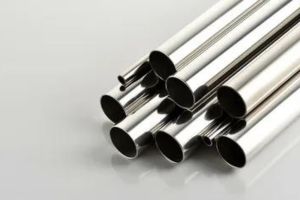
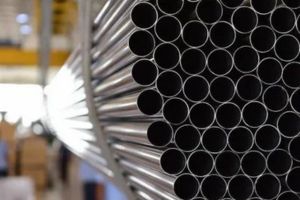
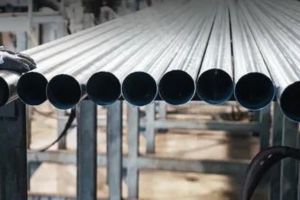
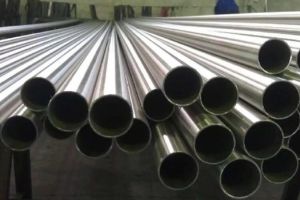
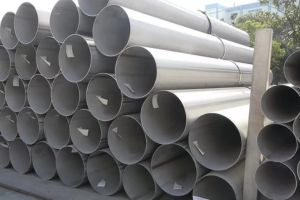
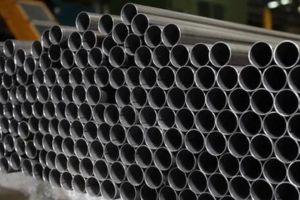
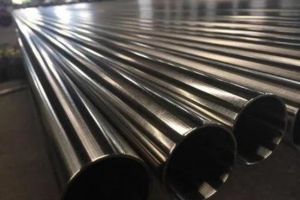
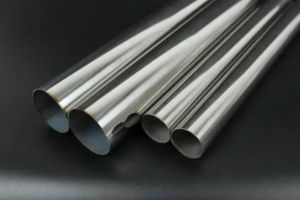
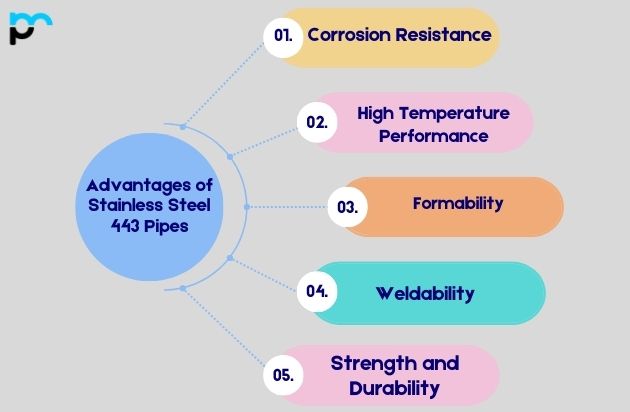
Stainless Steel 443 Pipes are a variety of ferritic stainless steel alloy that contains chromium, titanium, and niobium. This alloy provides good corrosion resistance in mildly corrosive settings and features excellent formability and weldability characteristics. Stainless steel 443 pipes are widely used in automotive exhaust systems, heat exchangers, and decorative applications thanks to their corrosion resistance, high-temperature performance, and visual appeal.
| Item | Stainless Steel 443 sheet (Hot rolled, Cold rolled) |
| Thickness | 0.3~10.0mm |
| Width | 1000mm, 1219mm, 1500mm, 1800mm, 2000mm, 2500mm, 3000mm, 3500mm, etc |
| Length | 2000mm, 2440mm, 3000mm, 5800mm, 6000mm, etc |
| Standard | JIS, AISI, ASTM, GB, DIN, EN, etc |
| Surface | 2B, 2D, BA, NO.1, NO.4, NO.8, 8K, mirror, checkered, embossed, hair line, sand blast, Brush, etching, etc |
| Package | Shrink-wrapped, Carton boxes, Wooden pallets, Wooden boxes, Wooden crates Etc. |
| Edge | Mill Edge Slit Edge |
| Export to | India, Indonesia, Malaysia, Singapore, Saudi Arabia, Qatar, Brazil, Iran, Iraq, South Africa, Nigeria, Kenya, Italy, UK, Brazil, Russia, Egypt, Kuwait, Taiwan, Australia. |
| Element | C | Si | Mn | P | S | Cr | Mo | Ni |
| % | 0.03 | 1 | 2 | 0.045 | 0.03 | 16-18 | 2-3 | 10-14 |
|
Properties |
Conditions | ||
| T (°C) | Treatment | ||
| Density (×1000 kg/m3) | 7.7-8.03 | 25 | |
| Poisson’s Ratio | 0.27-0.30 | 25 | |
| Elastic Modulus (GPa) | 190-210 | 25 | |
| Tensile Strength (Mpa) | 1158 |
25 |
oil quenched, fine grained, tempered at 425°C |
| Yield Strength (Mpa) | 1034 | ||
| Elongation (%) | 15 | ||
| Reduction in Area (%) | 53 | ||
| Hardness (HB) | 335 | 25 | oil quenched, fine grained, tempered at 425°C |
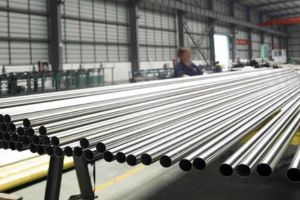
At Santossteel, we take pride in being the largest supplier and manufacturer in the Brazil, delivering advanced solutions for every one of your piping requirements. With cutting-edge production facilities strategically situated in the Brazil, we hold an extensive inventory of more than 25,000 tons of top-quality materials kept ready in stock.
Reach out to us for a fast quote tailored to your requirement.
We supply these Stainless Steel 443 Pipes conforming to DIN, ISO, JIS or ANSI Standard.
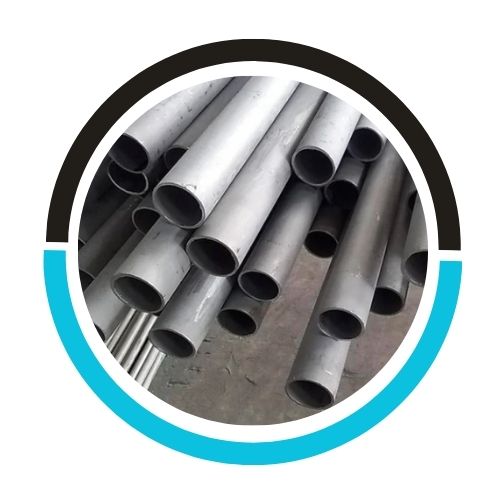
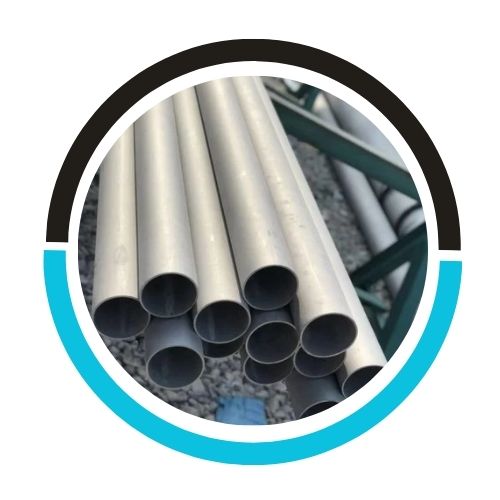
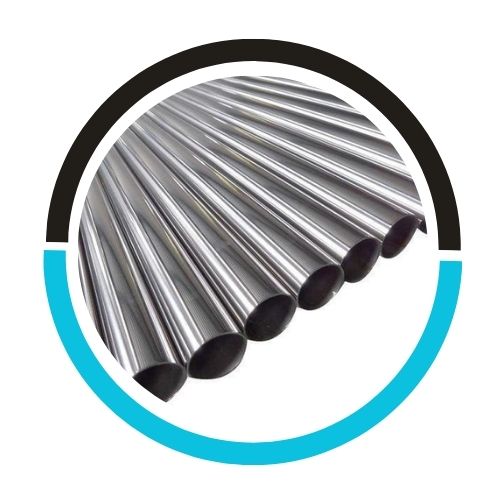
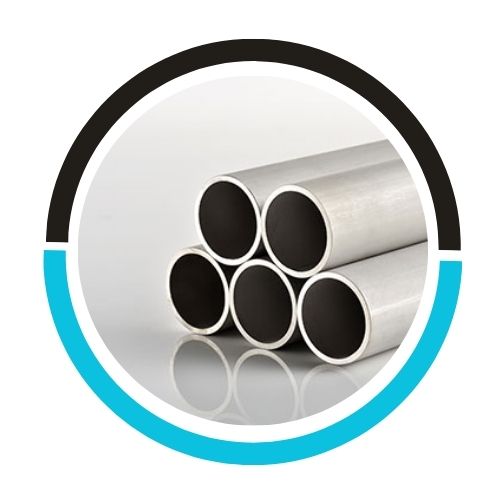
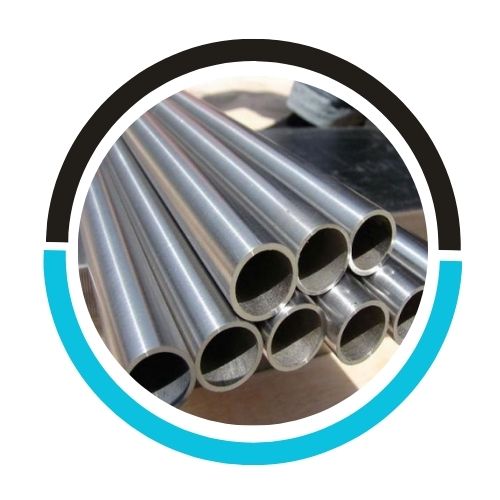
Stainless Steel 443 Pipes find uses across a wide range of industries, led chiefly by the aerospace, railway, construction and automotive sectors, along with petrochemical, nuclear, medical, Oil & Gas, Chemical, Pharmaceutical, Food & Beverage, Nuclear, Thermal Power plants, Paper and Pulp, marine and mining, etc.
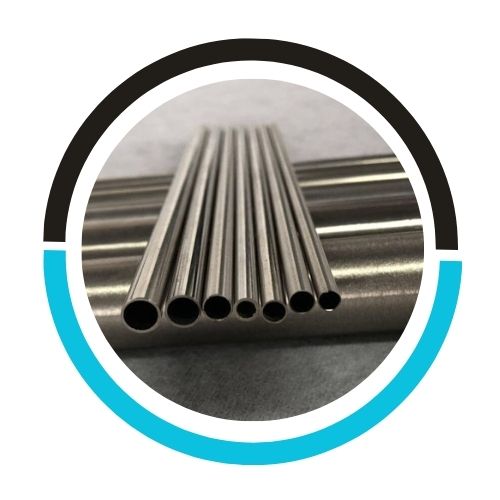
Stainless Steel 443 pipes are dimensioned according to industry norms like nominal pipe size (NPS) and schedule number. The nominal pipe size denotes the approximate internal diameter of the pipe, whereas the schedule number reflects the wall thickness. Typical sizes span from NPS 1/8″ to NPS 36″ with a range of schedule numbers, and they are generally offered in standard lengths or custom lengths according to project needs. Size specifications guarantee compatibility with piping systems and equipment, enabling smooth integration and effective installation.
Yes, stainless steel 443 pipes can be recycled completely. Stainless steel is a material with excellent recyclability, and going through the recycling process doesn’t diminish its quality or characteristics. Recycled stainless steel can be melted and repurposed to create new stainless steel goods, pipes among them. Recycling stainless steel 443 pipes contributes to preserving natural resources, lowering energy use, and cutting down on waste, which makes it an eco-friendly and sustainable option.
Stainless Steel 443 pipes are suitable for underground use depending on the condition of the soil and the potential for corrosion. Although they provide resistance to corrosion, it is essential to evaluate the makeup of the soil and any contact with corrosive materials. In particularly harsh conditions, extra protective steps might be required.
Yes, stainless steel 443 pipes are weldable with standard welding methods including TIG (tungsten inert gas), MIG (metal inert gas), and SMAW (shielded metal arc welding). That said, following correct welding procedures and techniques is essential to preserve the material’s corrosion resistance and mechanical properties. Steps such as selecting suitable filler metals and shielding gases, managing heat input, and applying post-welding treatments may be required to produce high-quality welds and avoid problems like sensitization and distortion.
Email: sales@santossteel.com