Home > Stainless Steel > Stainless Steel Bolts
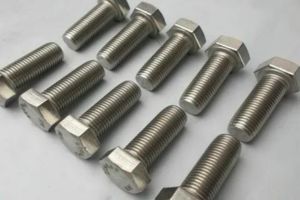
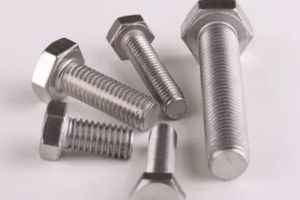
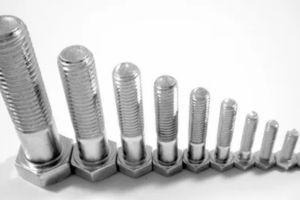
Set out on a path to outstanding performance with our Stainless Steel Bolts, proudly displayed on our product pages. We offer a broad selection of top-quality solutions thoughtfully custom-built to satisfy the needs of numerous industries. Dive into a realm of flexibility and dependability with our meticulously engineered products designed for a wide spectrum of industrial uses. Our Stainless Steel Bolts feature precisely designed characteristics that comply with industry standards, highlighting strength and resistance to corrosion. As a reliable retailer, we place customer satisfaction first by offering adaptable choices, competitive pricing, and speedy delivery. Whether for construction, manufacturing, or engineering projects, our Stainless Steel Bolts provide remarkable performance, establishing fresh standards for excellence and innovation. Our steadfast dedication to perfection strengthens your business with dependable solutions, guaranteeing success and peace of mind in every transaction.
| ASTM/ASME Specifications | ASTM A193 / ASME SA 193, ASTM A194 / ASME SA 194 |
| Bolts, Studs Threads | UNC, METRIC, BSF, UNF, BSW or Custom |
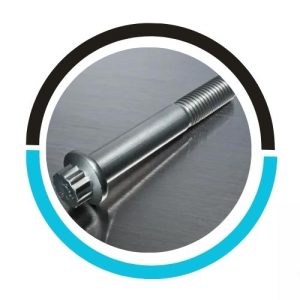
| Head drive | Phillips, Six-Lobe, Phillips/Slot, Slotted |
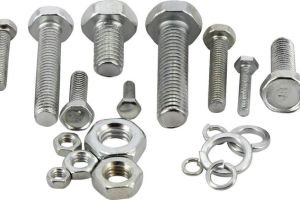
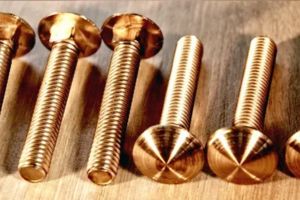
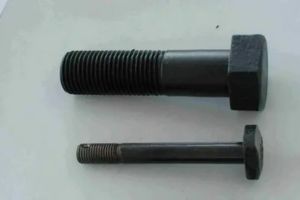
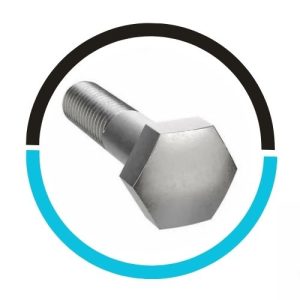
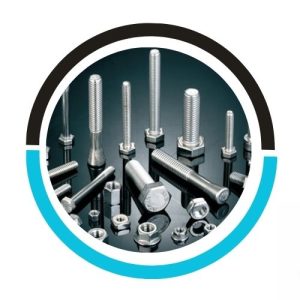
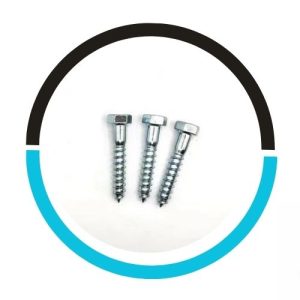
| Stainless Steel Bolts | Hex Bolts, Flange Bolts, Square Bolts, T Bolts, Eye Bolts, U Bolts, Lag Bolts, Counter Sunk Bolts, J Bolts, Hex Head Bolts |
| Stainless Steel Bolts | Class | Tensile Stress Rm MPa (N/mm2) minimum | Yield Strength Rp 0.2 Mpa (N/mm2) minimum | AL Minimum Elongation | Diameter |
|---|---|---|---|---|---|
| Stainless Steel Bolts | 70 | 700 | 450 | 0.4d | =<M20 |
| Grade | AISI | Stainless Steel Bolts Chemical Composition (% maxima unless stated) | ||||||||||||
|---|---|---|---|---|---|---|---|---|---|---|---|---|---|---|
| C | Si | Mn | P | S | Cr | Mo | Ni | Cu | ||||||
| A1 | SS 202 | 0.12 | 1.0 | 6.5 | 0.20 | 0.15-0.35 | 16,0 – 19,0 | 0.7 | 5,0 – 10,0 | 1.75-2.25 | ||||
| A2 | SS 304 | 0.08 | 1.0 | 2.0 | 0.05 | 0.03 | 15,0 – 20,0 | 0.0 | 8,0 – 19,0 | 4.0 | ||||
| A3 | SS 321 | 0.08 | 1.0 | 2.0 | 0.05 | 0.03 | 17,0 – 19,0 | 0.0 | 9,0 – 12,0 | 1.0 | ||||
| A4 | SS 316 | 0.08 | 1.0 | 2.0 | 0.05 | 0.03 | 16,0 – 18,5 | 2,0 – 3,0 | 10,0 – 15,0 | 4.0 | ||||
| C1 | SS 410 | 0.09-0.15 | 1.0 | 1.0 | 0.05 | 0.03 | 11,5 – 14,0 | – | 1 | – | ||||
| C3 | SS 431 | 0.17-0.25 | 1.0 | 1.0 | 0.04 | 0.03 | 16,0 – 18,0 | – | 1,5 – 2,5 | – | ||||
| C4 | SS 416 | 0.08-0.15 | 1.0 | 1.5 | 0.06 | 0.15-0.35 | 12,0 – 14,0 | 0.6 | 1 | – | ||||
| F1 | SS 430 | 0.12 | 1.0 | 1.0 | 0.04 | 0.03 | 15,0 – 18,0 | 0.0 | 1 | – | ||||
At Santossteel, we take pride in being the largest supplier and manufacturer in the Brazil, delivering advanced solutions for every one of your piping requirements. With cutting-edge production facilities strategically situated in the Brazil, we maintain an extensive inventory of more than 25,000 tons of top-quality materials kept ready in stock.
Reach out to us for a fast quote tailored to your requirement.
We supply these Stainless Steel Bolts conforming to DIN, ISO, JIS or ANSI Standard.
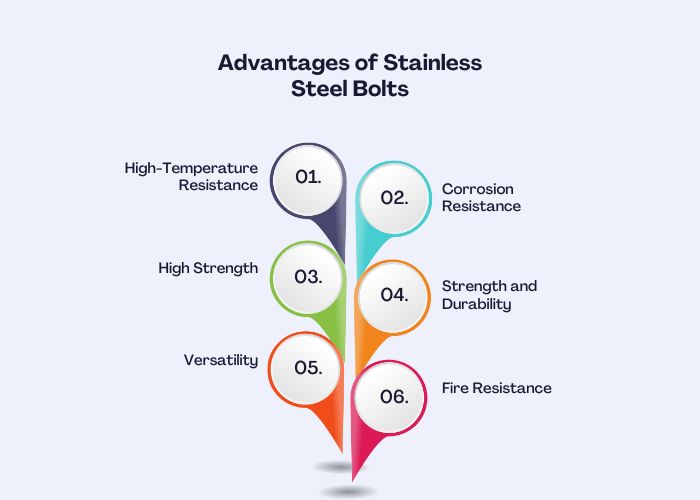
Corrosion resistance: Stainless steel inserts deliver outstanding corrosion resistance, particularly in demanding conditions involving moisture, chemicals, or salt water, which translates into durable performance and a long service life
High Strength: These cables offer remarkable mechanical characteristics, such as high tensile strength, enabling them to bear heavy loads and severe conditions without sacrificing structural integrity
Durability: Stainless steel bolts are highly durable, standing up to abrasion and deformation, which guarantees dependable operation and longevity even in demanding applications
Aesthetics: They look clean and refined, elevating finishes and applications, which makes them perfect for premium architectural products and projects
Low maintenance: Stainless steel bolts need very little upkeep thanks to their natural resistance to corrosion, staining and corrosion, cutting down on the need for regular replacement and maintenance expenses
Versatility: These bolts come in a range of grades, sizes and configurations, which makes them appropriate for a broad array of applications across numerous industries, including construction, automotive, aerospace, marine and construction
Fire Resistance: Stainless steel inserts show strong resistance to fire and heat, making them well suited for use where fire safety matters, such as construction and transportation
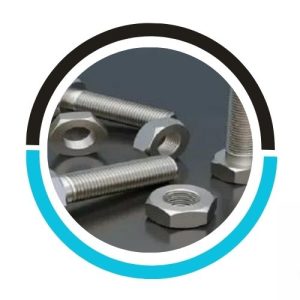
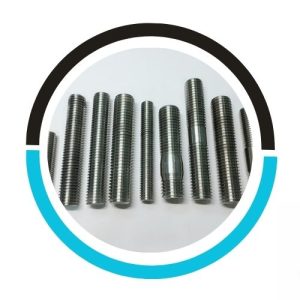
Stainless Steel Bolts serve applications as varied as the industries that use them, led chiefly by the aerospace, railway, construction and automotive industries along with petrochemical, nuclear, medical, Oil & Gas, Chemical, Pharmaceutical, Food & Beverage, Nuclear, Thermal Power plants, Paper and Pulp, marine and mining, etc.
Construction: Stainless steel bolts are employed in the construction sector to join structural elements like beams, columns and connections, since they offer high strength, corrosion resistance and durability that safeguard structural integrity and provide a long service life.
Automotive Industry: Applied in automotive production to put together engine chassis, body panels and other parts, they bring the benefit of withstanding corrosion, vibration and temperature swings to guarantee reliability and safety
Marine Applications: Stainless steel bolts are perfect for marine settings thanks to their outstanding resistance to salt water and severe marine conditions, which makes them well suited to boat building, harbor and beach structures
Aerospace: Within aerospace engineering, stainless steel serves in the assembly and upkeep of components like wings, fuselage and engine parts, owing to its light weight, high strength and its resistance to corrosion and fatigue
Infrastructure: They have a significant part in infrastructure, including bridges, tunnels, railways and roads, where they serve construction connections, design installation of hydraulic and water penetration to secure stability, safety and longevity
Construction: Stainless steel bolts are indispensable in manufacturing operations for assembling machinery, equipment and industrial systems; where they deliver a dependable fastening solution because of their strength, durability, and resistance to corrosion and chemicals, so
Materials: Choose the right stainless steel according to the environmental conditions and needs of the application. Frequently used grades include 304, 316, and 316L, with each providing distinct corrosion resistance and mechanical characteristics.
Corrosion resistance: Assess the presence of corrosive substances such as moisture, chemicals, and salt water. Pick stainless steel with the proper corrosion resistance for the area of use to avoid early failure.
Strength Requirements: Establish the tensile strength and load-bearing capacity that the application demands. Choose bolts with suitable strength grades and diameters to endure applied loads and stresses without breaking.
Thread Type and Size: Pick bolts with the proper thread type (e.g., UNC, UNF) and size to fit mating nuts or threaded holes. Make sure it is firmly inserted and fastened to keep the thread from getting tangled during installation.
Head style: Think about the head style you favor based on accessibility and aesthetic preferences, such as square heads, socket heads, or countersunk heads, to make certain that the head style gives you the clearance required for installation and maintenance.
Coatings or Finishes: Decide whether extra coatings or finishes are required for greater corrosion resistance or cosmetic reasons. Choices include zinc plating, galvanization, or passivation to deliver added corrosion protection and enhance appearance.
Yes, Stainless steel bolts can be recycled. Stainless steel is extremely recyclable and can be melted down and repurposed to create new stainless steel items, bolts among them. Recycling stainless steel contributes to conserving natural resources, lowering energy use, and reducing waste. As a result, once stainless steel bolts have worn out or are no longer required, they can be gathered and delivered to recycling facilities where they are processed and put back into use.
When installing stainless steel bolts, there are several important factors to keep in mind. First, verify that the bolts are suited to the materials being fastened and that they carry the correct grade for the job at hand. Correct torque values need to be observed to avoid overtightening or undertightening, either of which can undermine the bolt’s integrity. Furthermore, while resistance to corrosion is a major benefit of stainless steel, some environments may still call for choosing the right grade or applying corrosion-resistant coatings. Finally, sound installation practices—such as applying lubricants and steering clear of cross-threading—are vital for preserving the bolts’ performance and durability.
Stainless steel bolts are suitable for underground applications, though it’s critical to choose the right grade to ensure corrosion resistance. Grades such as 316 or 304 stainless steel are frequently chosen for underground use because of their excellent corrosion resistance characteristics. That said, the conditions of the surrounding environment, including soil composition and moisture levels, must be taken into account. Furthermore, protective steps such as coatings or galvanization can improve the bolts’ durability in underground conditions. Routine inspection and maintenance are likewise recommended to guarantee ongoing performance and to reduce any possible corrosion or degradation problems over time.
Choosing stainless steel bolts requires weighing factors like resistance to corrosion, tensile strength, grade suitability for the application setting, temperature tolerance, and mechanical characteristics. On top of that, assess the particular environmental conditions, including contact with chemicals or moisture, along with the durability and dependability needed for the application.
Email: sales@santossteel.com