Home > Stainless Steel > Stainless Steel 316 Bolts
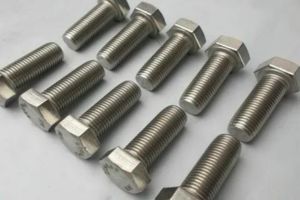
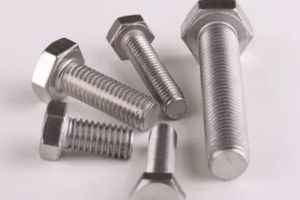
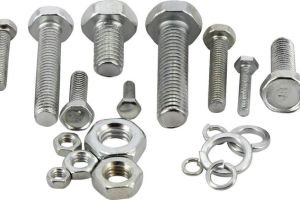
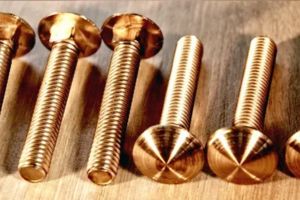
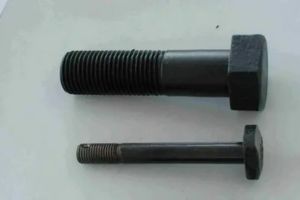
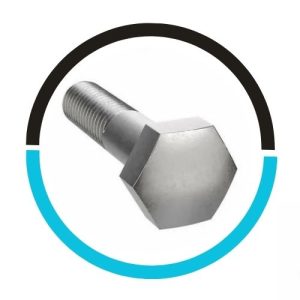
Set out on a path toward outstanding performance with our Stainless Steel 316 Bolts prominently displayed on our product pages. We provide a wide range of Carefully crafted, premium-grade solutions designed to meet the needs of varied industries. Explore versatility and reliability through our thoughtfully engineered products, perfect for a wide array of industrial uses. Our Stainless Steel 316 Bolts feature precisely designed characteristics that comply with industry standards, emphasizing durability and corrosion resistance, particularly in marine and corrosive settings. As a dependable retailer, we place customer satisfaction first by delivering flexible options, competitive pricing, and fast shipping. Whether in construction, manufacturing, or marine engineering, our Stainless Steel 316 Bolts provide exceptional performance, establishing high benchmarks for excellence and innovation.
Our unwavering commitment to perfection empowers your business with reliable solutions, ensuring success and confidence in every deal.
| Type | Elong (% in 50mm) min | Hardness | |
| Rockwell B (HR B) max | Brinell (HB) max | ||
| SS 316 Bolts | 40 | 95 | 217 |
| Grade | C | Mn | Si | P | S | Cr | Mo | Ni | N | |
| SS 316 Bolts | Min | – | – | – | 0 | – | 16.0 | 2.00 | 10.0 | – |
| Max | 0.08 | 2.0 | 0.75 | 0.045 | 0.03 | 18.0 | 3.00 | 14.0 | 0.10 |
At Santossteel, we take pride in being the largest supplier and manufacturer in the Brazil, delivering advanced solutions for all your piping requirements. With cutting-edge production facilities strategically situated in the Brazil, we hold an extensive inventory of more than 25,000 tons of top-quality materials kept ready in stock.
Reach out to us for a fast quote tailored to your requirement.
We supply these Stainless Steel 316 Bolts in accordance with DIN, ISO, JIS or ANSI Standard.
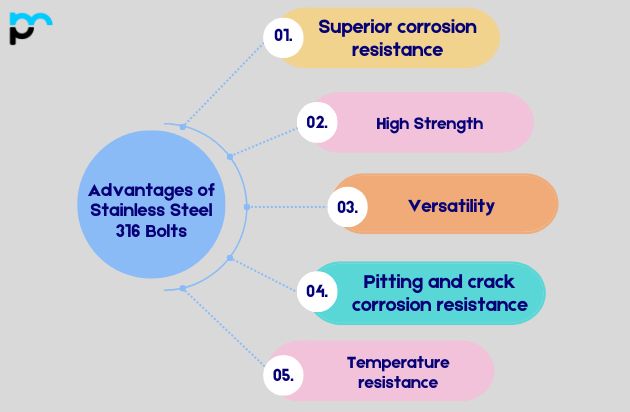
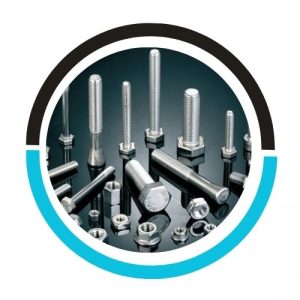
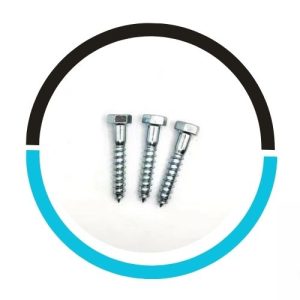
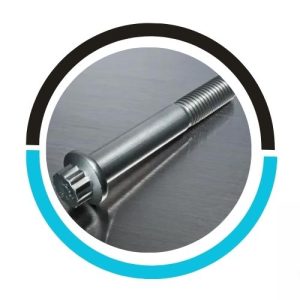
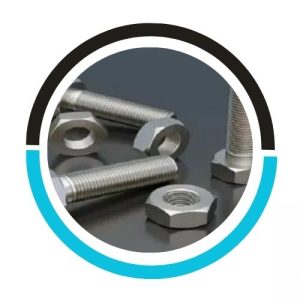
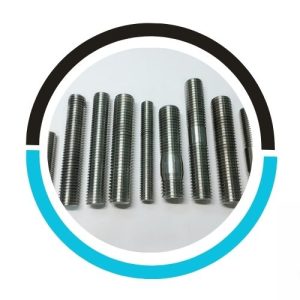
Stainless Steel 316 Bolts serve applications as varied as the industries that use them, led mainly by the aerospace, railway, construction and automotive sectors along with petrochemical, nuclear, medical, Oil & Gas, Chemical, Pharmaceutical, Food & Beverage, Nuclear, Thermal Power plants, Paper and Pulp, marine and mining, etc.
Application Requirements: Identify the particular needs of your application, covering environmental, thermal, and corrosive factors.
Materials: Get familiar with the characteristics of 316 stainless steel, including corrosion resistance, strength and thermal stability.
Bolt Specification: Define the necessary size, length, thread type and head style of the bolt according to the needs of your application.
Standards Compliance: Verify that bolts meet applicable industry standards and specifications, such as ASTM or ASME standards, to guarantee quality and performance.
Water resistance: Assess the corrosion resistance needed for your application and confirm that the stainless steel 316 bolts are appropriate for the environment.
Load Capacity: Establish the necessary load capacity and strength of the bolts so they can safely bear the applied loads.
Thermal stability: Verify that the bolts can endure the temperature of your application without weakening their mechanical properties.
Weldability and Construction: If your application calls for fabrication or customization, take into account the weldability and formability of stainless steel 316 bolts.
Supplier Reputation: Select a trustworthy supplier recognized for delivering high quality stainless steel 316 bolts that satisfy industry standards and specifications.
Cost Consideration: Weigh the cost of bolts against their performance and durability to secure the best value for your investment.
Yes, Stainless Steel 316 bolts are suitable for potable water uses. They provide outstanding resistance to corrosion, safeguarding the reliability of the water supply system. Furthermore, Stainless Steel 316 is inert and does not release harmful substances, which makes it appropriate for contact with drinking water.
Stainless steel 316 bolts are typically not advised for direct connection to natural gas. While they offer superb corrosion resistance, it is better to use specific materials engineered for materials that might not offer sufficient protection against sulfide stress cracking or other forms of corrosion that can develop in the natural gas setting.
Owing to their austenitic microstructure, stainless steel 316 bolts are typically non-magnetic when annealed. That said, cold working or particular processes can induce magnetism in the material. On the whole, stainless steel 316 bolts display lower magnetic permeability than ferromagnetic materials.
Typically, stainless steel 316 bolts are not advised for cryogenic uses because of their very low-temperature hardness and diminished ductility. In such applications, special alloys offering good cryogenic characteristics, like 304L and austenitic stainless steel grades or duplex stainless steels, are the preferred choice.
Email: sales@santossteel.com