Nickel Alloy Pipes

Home > Nickel Alloy > Nickel Alloy Pipes

Nickel Alloy Pipes Suppliers and Manufacturers in Sao Paulo, Brazil

Nickel Alloy Pipes Traders In Brazil, Nickel Alloy Seamless Pipes, ASTM B161 Seamless Pipes

Table of Contents

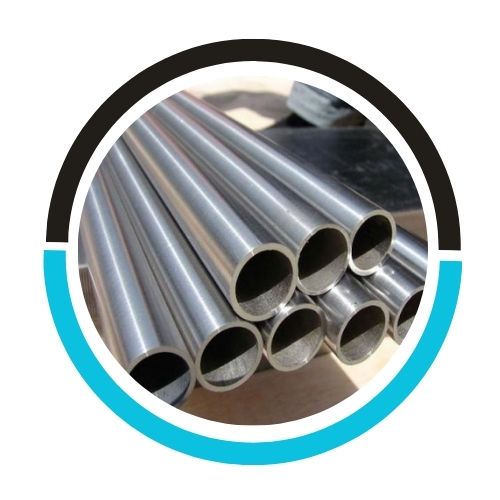
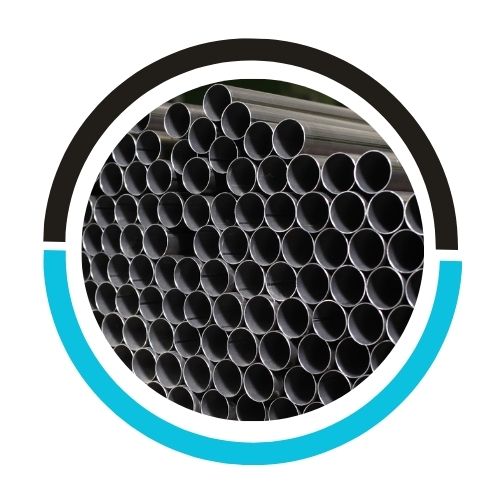
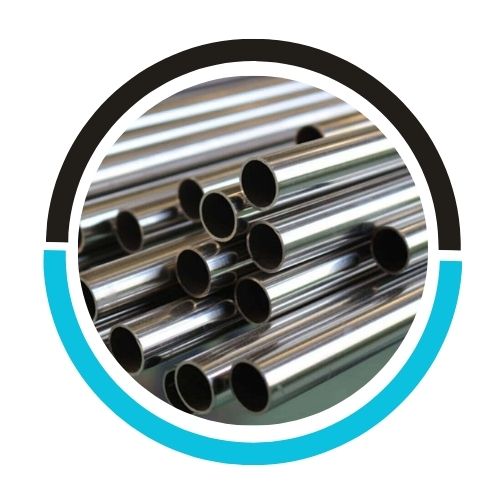
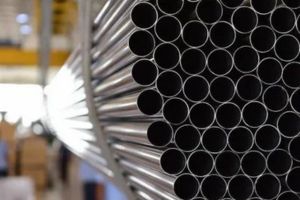
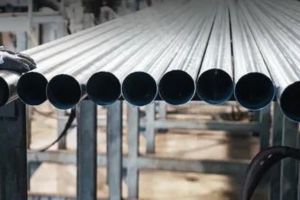
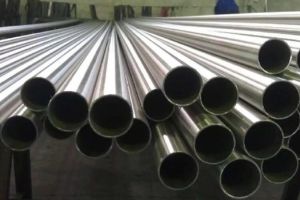
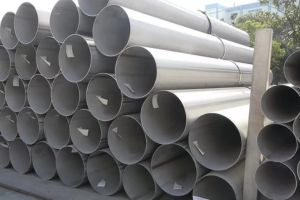
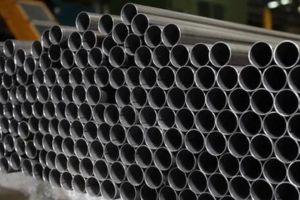
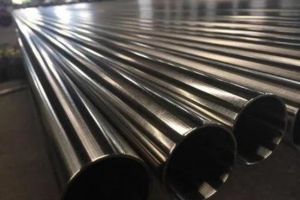
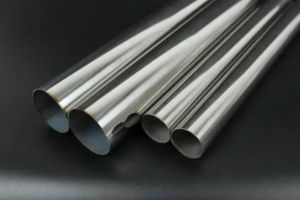
Nickel Alloy Pipes are pipes crafted from nickel-based materials, recognized for their outstanding resistance to corrosion, elevated temperatures, and mechanical stress. They are broadly used across industries like chemical processing, petrochemicals, and aerospace, where severe environments are frequent. These pipes are available in numerous grades designed for particular applications, delivering superior performance in situations where standard materials might fall short. Nickel alloy pipes are valued for their durability, weldability, and capacity to endure extreme conditions, rendering them vital components in essential infrastructure and industrial operations.

Nickel Alloy Pipes Specifications

Dimensions : ASTM, ASME and API
Standard : ASTM A161, ASME SB161
Size : 4 to 219mm W. T.: 0.5 to 20mm
Specialized In : Large Diameter Size
Grade : Nickel Alloy 200 (UNS No. N02200)
Schedule : SCH20, SCH30, SCH40, STD, SCH80, XS, SCH60, SCH80, SCH120, SCH140, SCH160, XXS
Form : Round, Hydraulic Etc
Type : Seamless / Fabricated
Length : Single Random, Double Random & Cut Length.
End : Plain End, Beveled End, Threaded

Nickel Alloy Pipes Chemical Composition

Cu Ni Fe Mn C S Si
0.25 max 99.0 min 0.4 max 0.35 max 0.15 max 0.01 max 0.1 max

Nickel Alloy Seamless Pipes Exporters In Brazil, Nickel Seamless Pipes Suppliers In Brazil

Nickel Alloy Pipes Mechanical Properties

Density Melting Point Tensile Strength Yield Strength (0.2%Offset) Elongation
8.89 g/cm3 1370 °C (2550 °F) Psi – 1,15,000 , MPa –790 Psi – 52,000 , MPa – 355 40 %

Top Nickel Alloy Pipes Manufacturing Company in Sao Paulo

At Santossteel, we take pride in being the largest supplier and manufacturer in the Brazil, delivering advanced solutions for all your piping requirements. With cutting-edge production facilities strategically situated in the Brazil, we maintain a large inventory of more than 25,000 tons of high-quality materials kept ready in stock.

Nickel Alloy Pipes Grades

Reach out to us for a fast quote tailored to your requirement.

We supply these Nickel Alloy Pipes in accordance with DIN, ISO, JIS or ANSI Standard.
Nickel Seamless Pipe Manufacturers And Suppliers in Sao Paulo Brazil, Nickel Alloy Seamless Round Pipes Exporters In Brazil.

Advantages of Nickel Alloy Pipes

Advantages of Nickel Alloy Pipes​
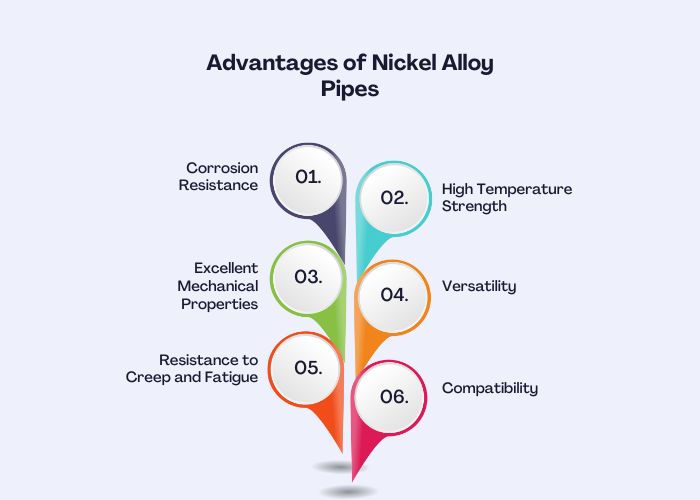
  1. Corrosion Resistance: Nickel alloy pipes deliver outstanding corrosion resistance, even in demanding settings that contain acids, alkalis, and corrosive gases. Because of this characteristic, they are well suited for chemical processing, offshore oil and gas, and marine uses.
  2. High Temperature Strength: These pipes retain their mechanical properties at high temperatures, which makes them appropriate for uses that involve elevated heat and thermal cycling. They can endure extreme heat without sacrificing structural integrity, guaranteeing dependable performance over the long term.
  3. Excellent Mechanical Properties: Nickel alloy pipes display outstanding mechanical properties, such as high tensile strength, toughness, and ductility. This allows them to endure mechanical stress, pressure, and vibration, boosting their durability and performance.
  4. Versatility: Nickel alloy pipes are extremely versatile and can be shaped into different forms and dimensions to satisfy particular application needs. They can be readily welded, machined, and formed, enabling tailored solutions in intricate engineering projects.
  5. Resistance to Creep and Fatigue: These pipes possess strong resistance to creep and fatigue, which means they can endure extended exposure to stress and cyclic loading without deforming or failing. This characteristic guarantees lasting performance and reliability under challenging operating conditions.
  6. Compatibility: Nickel alloy pipes work well with a broad variety of industrial fluids and gases, including corrosive substances and high-purity media. Their inert nature keeps the conveyed materials from being contaminated, safeguarding product purity and integrity.

Types of Nickel Alloy Pipes

Nickel Alloy Pipes in Brazil
Nickel Alloy Pipes
Nickel Alloy Seamless Pipe
Nickel Alloy ERW Pipe Brazil
Nickel Alloy ERW Pipe
AISI Nickel Alloy Pipes in Brazil
AISI Nickel Alloy Pipes
Nickel-Alloy-Welded-Pipe in Brazil
Nickel Alloy Welded Pipe
Nickel-Alloy-Round-Pipe in Brazil
Nickel Alloy Round Pipe

Nickel Alloy Seamless Pipes In Rio de Janeiro, Nickel Alloy Seamless Pipes Exporter In Rio de Janeiro, Nickel Alloy SAF Seamless Pipe Manufacturer

Nickel Alloy Pipes Uses

Application Industry

Nickel Alloy Pipes serve a wide range of uses across many industries, led chiefly by the aerospace, railway, construction and automotive sectors, along with petrochemical, nuclear, medical, Oil & Gas, Chemical, Pharmaceutical, Food & Beverage, Nuclear, Thermal Power plants, Paper and Pulp, marine and mining, etc.

Chemical Processing

Aerospace

Power Generation

Petrochemicals

  1. Chemical Processing: Nickel alloy pipes find widespread application in the chemical processing sector for moving corrosive chemicals, acids, and alkalis. Thanks to their outstanding corrosion resistance and long service life, they are perfectly suited to managing aggressive materials in a safe and dependable manner.
  2. Oil and Gas: Within the oil and gas industry, nickel alloy pipes serve a range of purposes, such as offshore drilling, production, and refining. They hold up against the corrosive conditions, high pressures, and temperatures found during oil and gas extraction, transportation, and processing.
  3. Petrochemicals: Nickel alloy pipes are vital in petrochemical plants for carrying petrochemical products, gases, and solvents. Because they resist corrosion, high temperatures, and mechanical stress, they safeguard the reliability of essential process systems and pipelines.
  4. Aerospace: Aerospace uses frequently call for materials that combine high strength-to-weight ratios with resistance to extreme temperatures and environmental conditions. Nickel alloy pipes are employed in aircraft engines, exhaust systems, and structural parts owing to their exceptional mechanical properties and durability.
  5. Power Generation: Nickel alloy pipes are indispensable parts of power generation facilities, encompassing nuclear, thermal, and renewable energy plants. They serve to transport steam, high-temperature fluids, and corrosive gases within boilers, heat exchangers, and piping systems.

How to Choose the Right Nickel Alloy Pipes

  1. Corrosion Resistance: Give preference to nickel alloy pipes offering strong corrosion resistance, particularly when they are intended for settings that contain acids, alkalis, or corrosive gases. Take into account the particular corrosive materials found in your application in order to choose the alloy that fits best.
  2. Temperature and Pressure Ratings: Take into account the temperature and pressure demands of your application so that the chosen nickel alloy pipes can endure the operating conditions without weakening performance or safety. Seek advice from experts to identify the right alloy grade and wall thickness.
  3. Alloy Composition: Review the alloy composition of nickel alloy pipes to confirm it satisfies the particular needs of your application. Weigh factors like the inclusion of elements such as chromium, molybdenum, and iron, which affect corrosion resistance, mechanical properties, and high-temperature performance.
  4. Mechanical Properties: Examine the mechanical properties of nickel alloy pipes, such as tensile strength, yield strength, and elongation, to make sure they satisfy the requirements of your application. Select pipes with fitting mechanical properties able to endure mechanical stress, vibration, and fatigue.
  5. Size and Dimensions: Establish the necessary size and dimensions of nickel alloy pipes according to your application specifications, covering outer diameter, wall thickness, and length. Confirm compatibility with existing systems, fittings, and connections so that installation and integration are easier.
  6. Industry Standards and Certifications: Confirm that the nickel alloy pipes meet applicable industry standards and certifications, such as ASTM, ASME, EN, or ISO. Meeting these guarantees the quality, performance, and safety of the pipes under particular operating conditions and regulatory requirements.

How do I Select the right Nickel Alloy Pipes for my Application?

Maintaining nickel alloy pipes requires several important steps. To begin, routinely examine the pipes for indications of corrosion, leaks, or damage. Wipe them down with a soft cloth or brush to eliminate any dirt or debris that might promote corrosion. On top of that, apply a corrosion-resistant coating or paint to shield the pipes from environmental factors. Keep track of the temperature and pressure of the pipes to confirm they run within safe boundaries. Lastly, arrange routine maintenance inspections and repairs when necessary to avoid expensive downtime and guarantee peak performance.

Nickel Alloy Seamless Pipes, Nickel Alloy 200 Pipe, Nickel Alloy Pipes, Nickel Alloy Seamless Pipes Exporter

FAQ (Frequently Asked Questions)

Does Nickel Alloy Pipes Corrode?

Nickel alloy pipes are recognized for their outstanding resistance to corrosion, particularly in demanding settings such as the chemical processing, marine, and aerospace sectors. Nevertheless, they may still degrade under severe conditions or when subjected to specific corrosive substances. Routine upkeep, appropriate cleaning, and protective coatings can help reduce corrosion risks and secure the durability of nickel alloy pipes.

Are Nickel Alloy Pipes Susceptible to Galvanic Corrosion?

Nickel alloy pipes are typically resistant to galvanic corrosion, owing to their built-in corrosion-resistant characteristics. Nevertheless, under certain particular circumstances where they make contact with dissimilar metals within an electrolyte (such as saltwater), galvanic corrosion can still take place. Adequate insulation or employing compatible materials at joint connections can help reduce this risk. Routine inspection and maintenance are essential for spotting and resolving any possible galvanic corrosion problems quickly.

Can Nickel Alloy Pipes be used for underground applications?

Yes, Nickel Alloy Pipes are suitable for underground use, as long as they receive adequate coating or insulation to guard against corrosion caused by soil and groundwater. Moreover, choosing the right grade of nickel alloy that offers strong corrosion resistance is crucial for lasting durability in subsurface conditions. Routine inspections and upkeep are likewise necessary to maintain the soundness and performance of nickel alloy pipes placed underground.

Post Enquiry

Fill out the form below, and we will be in touch shortly.