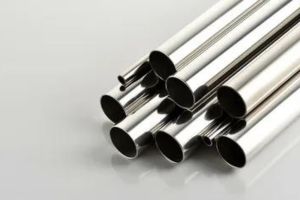
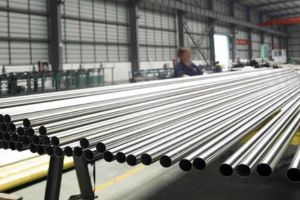
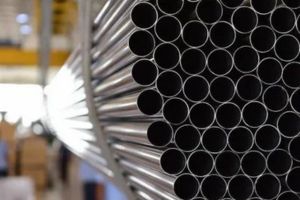
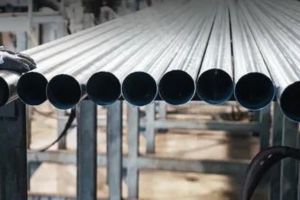
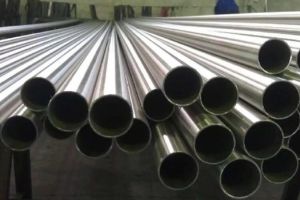
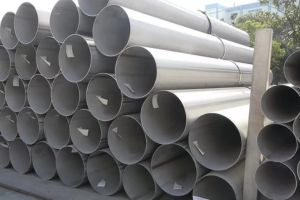
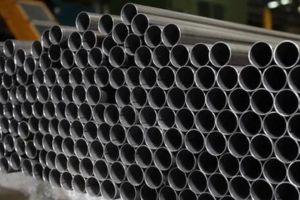
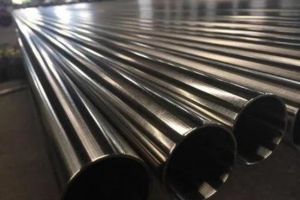
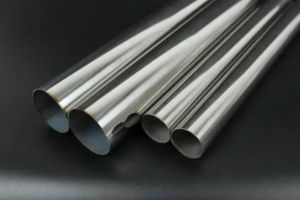
Inconel pipes rank among the finest nickel-chromium alloys, renowned for their exceptional capacity to withstand elevated temperatures, corrosion, and oxidation. Broadly employed in demanding environments such as chemical processing, aerospace, marine engineering, and nuclear industries, these pipes are valued for their strength, durability, and endurance under severe conditions. Inconel pipes stand as the go-to choice for vital applications where steadfast reliability and superior performance cannot be compromised.
|
Dimensions |
: |
ASTM, ASME and API |
|
Standard |
: |
ASTM B163/ ASME SB163 |
|
Size |
: |
1/8″NB TO 30″NB IN |
|
Specialized in |
: |
Large Diameter Size |
|
Schedule |
: |
SCH20, SCH30, SCH40, STD, SCH80, XS, SCH60, SCH80, SCH120, SCH140, SCH160, XXS |
|
Form |
: |
Round, Hydraulic Etc |
|
Type |
: |
Seamless / ERW / Welded / Fabricated / LSAW Pipes |
|
Length |
: |
Single Random, Double Random & Cut Length. |
|
End |
: |
Plain End, Beveled End, Threaded |
|
Cu |
Ni |
Fe |
Mn |
C |
S |
Si |
Cr |
|
0.5 max |
72.0 min |
6.0 – 10.0 |
1.0 max |
0.15 max |
0.015 max |
0.5 max |
14.0 – 17.0 |
|
Density |
Melting Point |
Tensile Strength |
Yield Strength (0.2%Offset) |
Elongation |
|
8.47 g/cm3 |
1413 °C (2580 °F) |
Psi – 95,000 , MPa – 655 |
Psi – 45,000 , MPa – 310 |
40 % |
At Santossteel, we take pride in being the largest supplier and manufacturer in the Brazil, delivering advanced solutions for all your piping requirements. With cutting-edge production facilities strategically situated in the Brazil, we maintain an extensive inventory of more than 25,000 tons of top-quality materials kept ready in stock.
Reach out to us for a fast quote tailored to your requirement.
We provide these Inconel Pipes conforming to DIN, ISO, JIS or ANSI Standard.
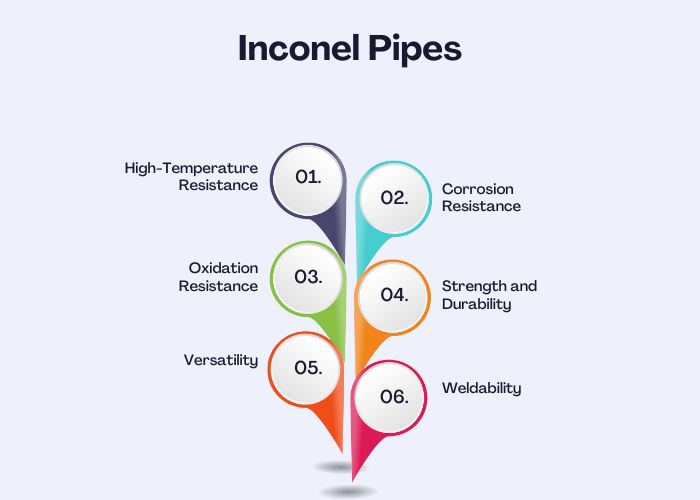
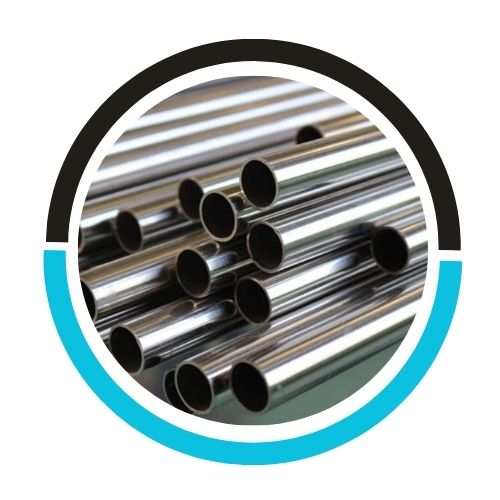
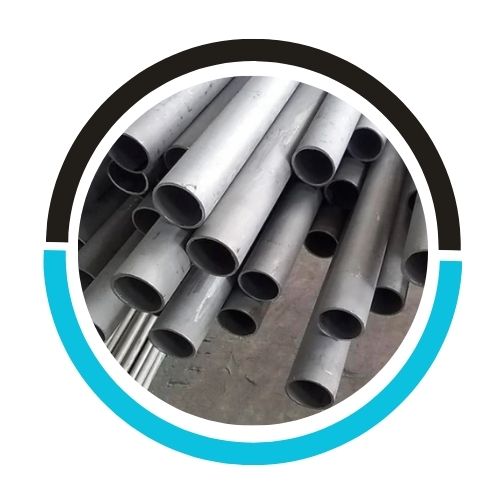
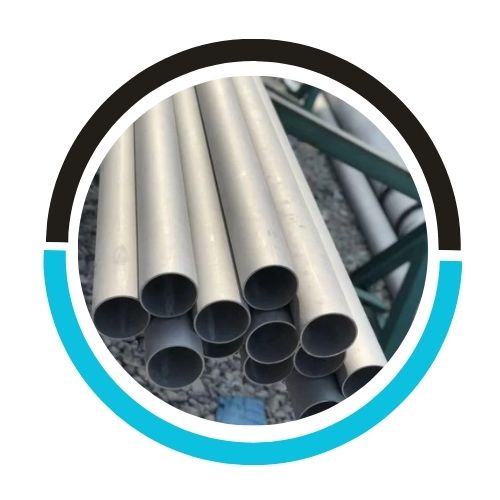
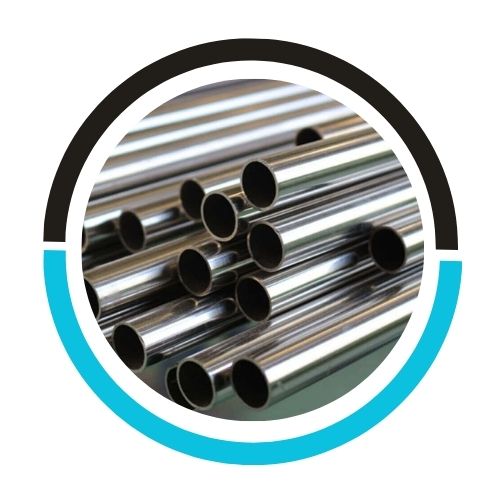
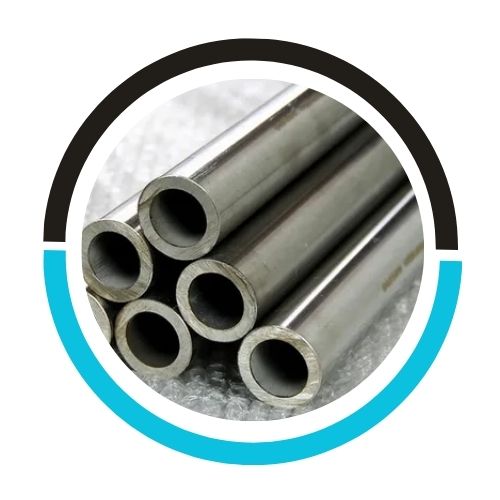
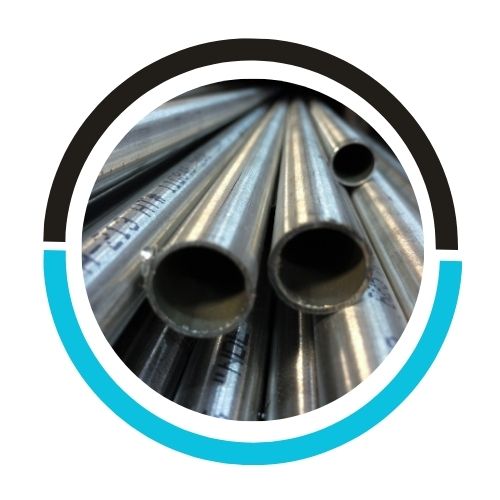
Inconel Pipe applications are as varied as the industries they cater to, led chiefly by the aerospace, railway, construction and automotive sectors along with petrochemical, nuclear, medical, Oil & Gas, Chemical, Pharmaceutical, Food & Beverage, Nuclear, Thermal Power plants, Paper and Pulp, marine and mining, etc.
Identify Application Requirements: Identify the particular needs of your application, covering temperature, pressure, resistance to corrosion, and mechanical stress.
Consider Alloy Composition: Pick the suitable Inconel alloy according to the properties your application demands, such as Inconel 600, 625, 718, or 825, each providing varying degrees of corrosion resistance, strength, and temperature capability.
Evaluate Pipe Dimensions: Choose the correct pipe size, diameter, and wall thickness according to the flow rate, pressure, and space limitations of your application.
Assess Temperature and Pressure Ratings: Make sure the Inconel pipe satisfies the necessary temperature and pressure ratings for your application to avoid failure or damage under operating conditions.
Consider Surface Finish: Determine the preferred surface finish of the pipe, such as polished, brushed, or mill finish, according to aesthetic preferences and functional needs.
Yes, Inconel piping can in fact be joined using standard methods such as TIG, MIG, and submerged arc welding. That said, welding Inconel requires careful attention to factors like preheating, post-weld heat treatment, selection of filler materials, shielding gas, and the welding procedure itself. These factors are essential to achieve robust welds free of problems like cracking or defects. With a proper approach and the right expertise, welding Inconel pipes can dependably satisfy the needs of a wide range of industrial applications.
|
Inconel pipe OD (millimeter) |
Sch |
kilogram-meter |
inches |
Pipe WT(millimeter) |
|
26.67 |
80S |
2.23 |
3/4 |
3.91 |
|
33.40 |
10S |
2.13 |
1 |
2.77 |
|
114.30 |
40S |
16.32 |
4 |
6.02 |
|
33.40 |
160 |
4.30 |
1 |
6.352 |
|
42.16 |
10S |
2.73 |
1¼ |
2.77 |
|
42.16 |
40S |
3.44 |
1¼ |
3.56 |
|
114.30 |
10S |
8.50 |
4 |
3.05 |
|
42.16 |
80S |
4.53 |
1¼ |
4.85 |
|
42.16 |
160 |
5.69 |
1¼ |
6.352 |
|
48.26 |
80S |
5.49 |
1½ |
5.08 |
|
60.33 |
10S |
3.99 |
2 |
2.77 |
|
48.26 |
40S |
4.11 |
1½ |
3.68 |
|
60.33 |
80S |
7.60 |
2 |
5.54 |
|
21.34 |
10S |
1.02 |
1/2 |
2.11 |
|
60.33 |
160 |
11.29 |
2 |
8.742 |
|
73.03 |
80S |
11.59 |
2½ |
7.01 |
|
88.90 |
10S |
6.56 |
3 |
3.05 |
|
13.72 |
80S |
0.81 |
1/4 |
3.02 |
|
17.15 |
40S |
0.86 |
3/8 |
2.31 |
|
88.90 |
40S |
11.47 |
3 |
5.49 |
|
219.08 |
40S |
43.20 |
8 |
8.18 |
|
88.90 |
80S |
15.51 |
3 |
7.62 |
|
60.33 |
40S |
5.52 |
2 |
3.91 |
|
48.26 |
10S |
3.16 |
1½ |
2.77 |
|
88.90 |
160 |
21.67 |
3 |
11.132 |
|
101.60 |
10S |
7.53 |
3½ |
3.05 |
|
168.28 |
120 |
54.75 |
6 |
14.27 |
|
114.30 |
80S |
22.67 |
4 |
8.56 |
|
33.40 |
80S |
3.29 |
1 |
4.55 |
|
168.28 |
160 |
68.59 |
6 |
18.262 |
|
219.08 |
120 |
91.30 |
8 |
18.23 |
|
141.30 |
40S |
22.10 |
5 |
6.55 |
|
17.15 |
10S |
0.64 |
3/8 |
1.65 |
|
101.60 |
40S |
13.78 |
3½ |
5.74 |
|
26.67 |
10S |
1.30 |
3/4 |
2.11 |
|
26.67 |
40S |
1.71 |
3/4 |
2.87 |
|
101.60 |
80S |
18.92 |
3½ |
8.08 |
|
73.03 |
10S |
5.35 |
2½ |
3.05 |
|
73.03 |
40S |
8.77 |
2½ |
5.16 |
|
114.30 |
160 |
34.05 |
4 |
13.492 |
|
13.72 |
10S |
0.50 |
1/4 |
1.65 |
|
13.72 |
40S |
0.64 |
1/4 |
2.24 |
|
168.28 |
10S |
14.04 |
6 |
3.4 |
|
219.08 |
80S |
65.63 |
8 |
12.7 |
|
168.28 |
40S |
28.69 |
6 |
7.11 |
|
17.15 |
80S |
1.12 |
3/8 |
3.20 |
|
21.34 |
40S |
1.29 |
1/2 |
2.77 |
|
141.30 |
160 |
49.87 |
5 |
15.882 |
|
21.34 |
80S |
1.65 |
1/2 |
3.73 |
|
168.28 |
80S |
43.21 |
6 |
10.97 |
|
33.40 |
40S |
2.54 |
1 |
3.38 |
|
141.30 |
80S |
31.44 |
5 |
9.53 |
|
219.08 |
160 |
112.97 |
8 |
23.012 |
Yes Inconel pipes can be recycled. Similar to other metal alloys, Inconel can be recycled and repurposed across a range of applications. The recycling process entails melting the Inconel pipes to recover the metal, which can subsequently be refined and reused to produce new products. Recycling Inconel pipes contributes to preserving natural resources, lowering energy usage, and reducing environmental harm when compared to mining and processing raw materials.
Inconel pipes are available in sizes based on their nominal pipe size (NPS), a standardized figure that reflects the approximate inner diameter of the pipe. NPS is typically expressed in inches and has no direct relationship to the pipe’s true outside diameter or wall thickness. In addition, pipes can be classified by their schedule, which refers to the wall thickness. Frequently used schedules for Inconel pipes are Schedule 5S, 10S, 40S, and 80S, where larger schedule numbers signify thicker walls. In short, Inconel pipes follow industry norms such as ASTM and ASME to ensure uniform sizing and compatibility across a range of applications.
Yes, Inconel pipes are suitable for underground applications. Thanks to their corrosion resistance and durability, they work well in a range of environments, including underground setups where safeguarding against corrosion and other demanding conditions is critical.
Email: sales@santossteel.com