Home > Alloy Steel > Alloy Steel Pipes
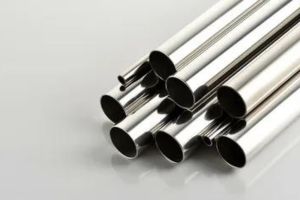
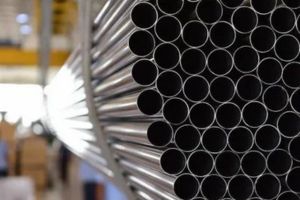
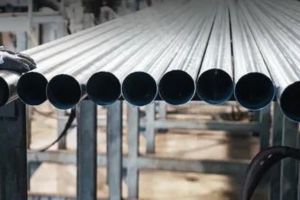
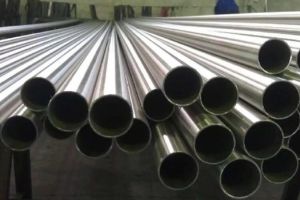
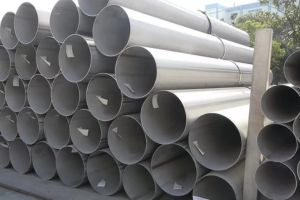
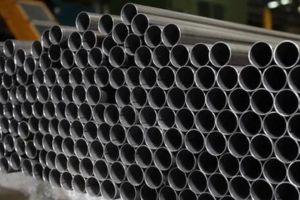
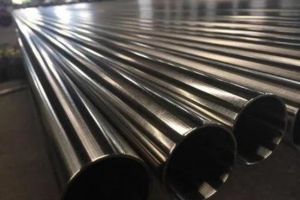
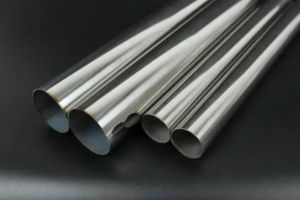
Alloy steel pipes are manufactured from a mixture of steel enriched with elements such as chromium, molybdenum, and nickel, in addition to the standard iron and carbon. This distinctive makeup gives them outstanding mechanical qualities, delivering greater strength, hardness, and resistance to corrosion and extreme temperatures compared to conventional carbon steel pipes. Used throughout industries such as oil and gas, power generation, and automotive, alloy steel pipes are valued for their durability, reliability, and performance in tough conditions. They fulfill a wide range of functions, from pipelines to structural components and machinery, playing an essential role in boosting the efficiency and reliability of industrial operations.
|
Dimensions |
: |
ASTM, ASME and API |
|
Standard |
: |
ASTM / ASME SA335 |
|
Size |
: |
1/8″NB TO 30″NB IN |
|
Specialized in |
: |
Large Diameter Size |
|
Schedule |
: |
SCH20, SCH30, SCH40, STD, SCH80, XS, SCH60, SCH80, SCH120, SCH140, SCH160, XXS |
|
Form |
: |
Round |
|
Type |
: |
Seamless / Fabricated |
|
Length |
: |
Single Random, Double Random & Cut Length. |
|
End |
: |
Plain End, Beveled End, Threaded |
|
C % |
Mn % |
P % |
S % |
S i% |
Cr % |
Mo % |
|
0.10-0.20 |
0.30-0.60 |
0.025 max |
0.025 max |
0.10-0.30 |
0.50-0.81 |
0.44-0.65 |
|
Tensile Strength, MPa |
Yield Strength, MPa |
Elongation, % |
|
415 min |
205 min |
30 min |
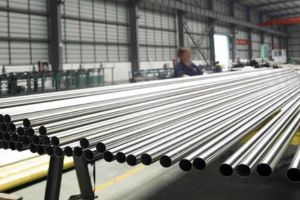
At Santossteel, we take pride in being the largest supplier and manufacturer in the Brazil, delivering advanced solutions for every piping requirement you have. Featuring modern production facilities strategically positioned throughout Brazil, we maintain an extensive stock of more than 25,000 tons of top-quality materials kept ready and available in inventory.
Reach out to us for a fast quote tailored to your requirement.
We supply these Alloy Steel Pipe conforming to DIN, ISO, JIS or ANSI Standard.
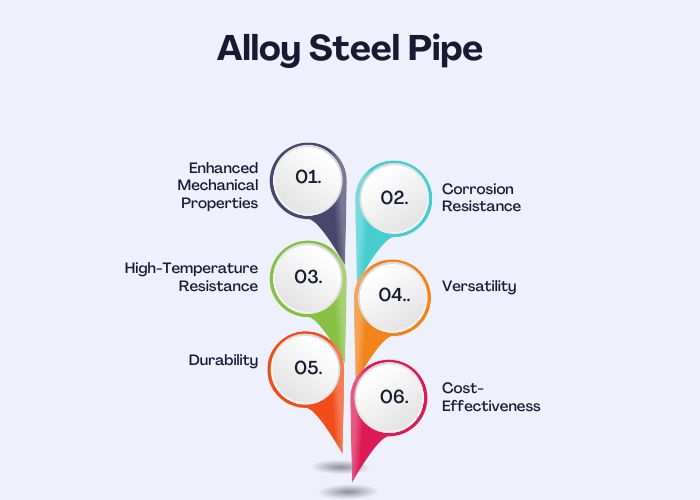
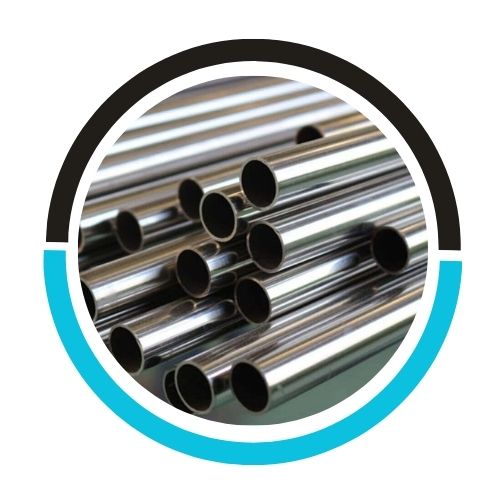
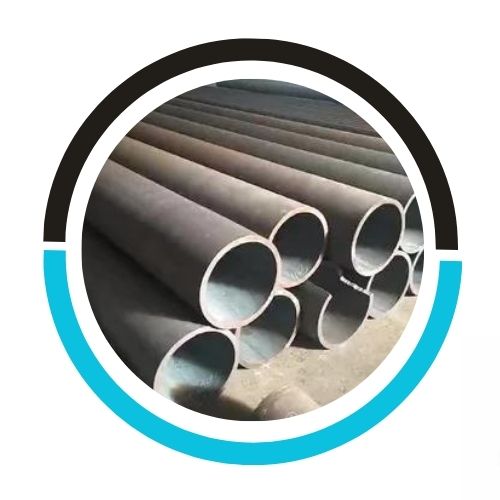
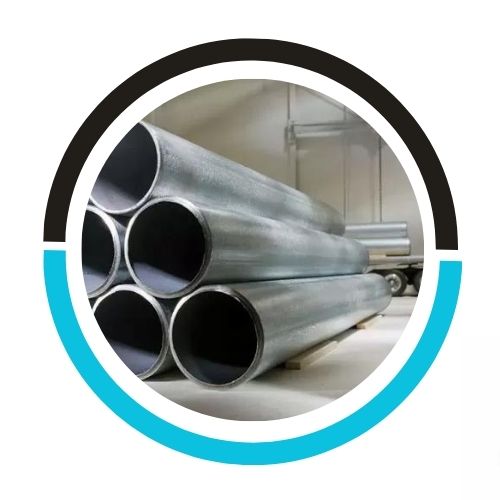
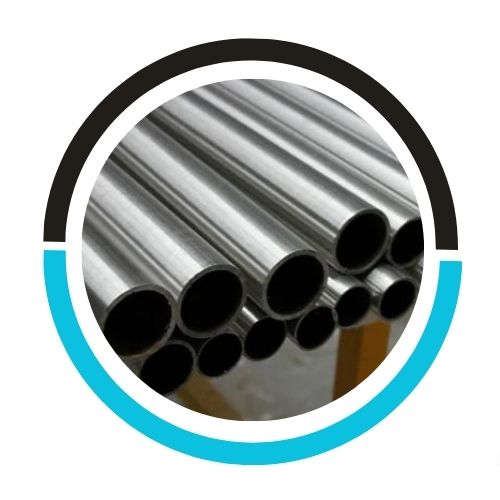
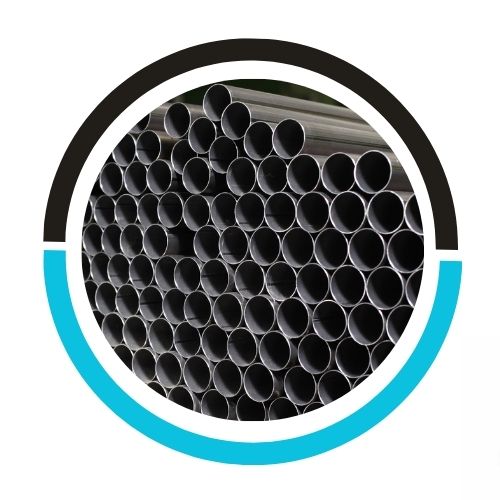
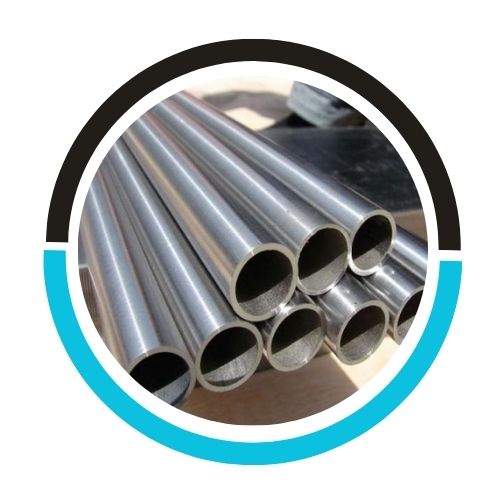
Alloy Steel Pipe uses are as varied as the industries they serve, driven mainly by the aerospace, railway, construction and automotive industries along with petrochemical, nuclear, medical, Oil & Gas, Chemical, Pharmaceutical, Food & Beverage, Nuclear, Thermal Power plants, Paper and Pulp, marine and mining, etc.
Yes, alloy steel pipes may be joined through a range of standard welding methods including arc welding, gas tungsten arc welding (GTAW), gas metal arc welding (GMAW), or submerged arc welding (SAW). Correct welding practices, filler metals, and pre/post-weld heat treatments are critical to preserving the soundness and mechanical characteristics of the welded joint. It is recommended to consult welding specialists who understand the particular alloy makeup and welding needs to attain the best outcomes.
Yes, alloy steel pipes can be recycled. Steel, alloy steel included, ranks among the world’s most recycled materials. Recycling alloy steel pipes helps preserve natural resources, cuts down on energy use, and lessens environmental harm by lowering the demand for new raw materials. Furthermore, recycling alloy steel pipes supports the circular economy by keeping waste out of landfills and encouraging sustainable practices across the manufacturing and construction sectors. Via recycling methods like melting and refining, alloy steel pipes can be repurposed to make new products, thereby prolonging their lifecycle and enhancing their environmental benefits.
Alloy steel pipes are generally measured according to their outer diameter (OD) and wall thickness. Common sizing standards, like nominal pipe size (NPS) or outside diameter (OD), are widely applied to define the dimensions of alloy steel pipe. Wall thickness is indicated by schedule, where higher schedule numbers represent thicker walls. Precise sizing guarantees compatibility with fittings, connectors, and structural needs across a range of industrial uses.
Certainly, alloy steel pipes are suitable for underground use, though specific factors need to be considered to guarantee their strength and long service life in these settings. Below-ground conditions can subject pipes to elements such as moisture, soil acidity, and corrosive materials, which can cause corrosion and degradation as time passes.
Email: sales@santossteel.com