Home > Alloy Steel > Alloy Steel Coils
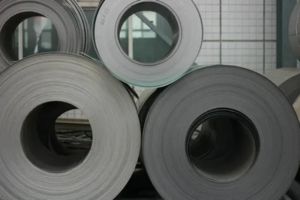
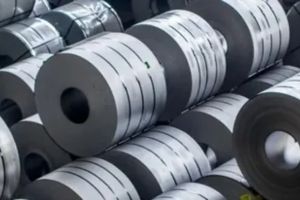
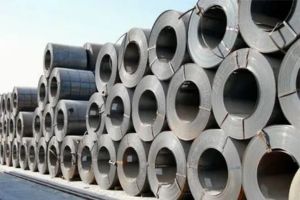
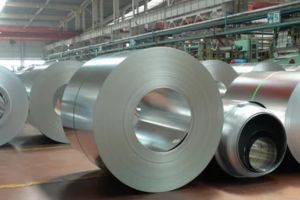
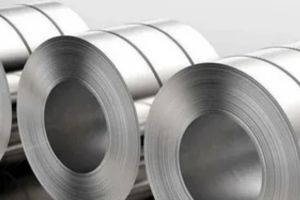
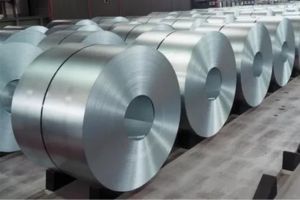
Alloy Steel Coils Alloy steel coils, born from human ingenuity and expertise, emerge from the careful combining of various metals. Manufactured with precision throughout production processes, these coils reflect the joint work of talented professionals. Human-made alloy steel coils demonstrate greater strength, durability, and resilience, rendering them essential across sectors such as automotive and construction. Through a sharp emphasis on quality and performance, the hands-on method behind their production guarantees that these coils satisfy rigorous standards for varied applications, highlighting the balanced combination of human craftsmanship and metallurgical innovation.
| Specifications | ASTM A387 / ASME SA387 |
| Thickness | 1mm-300mm |
| Width | 1000mm, 1219mm, 1500mm, 1800mm, 2000mm, 2500mm, 3000mm, 3500mm, 4050mm etc |
| Length | 2000mm, 2440mm, 3000mm, 5800mm, 6000mm, 12000mm, 15000mm etc |
| Surface | 2B, 2D, BA, NO.1, NO.4, NO.8, 8K, mirror, checkered, embossed, hair line, sand blast, Brush, etching Manufacturer and Supplier |
| Finish | Hot rolled plate (HR), Cold rolled sheet (CR) |
| Form | Coils, Foils, Rolls, Plain Sheet, Shim Sheet, Strip Manufacturer and Supplier |
| Density | Melting Point | Tensile Strength | Yield Strength (0.2%Offset) | Elongation |
| 8.1 g/cm3 | 1443 °C (2430 °F) | Psi -80,000, MPa -551 | Psi – 35,000, MPa – 241 | 30% |
| Grade | C | Mn | Si | S | Cu | Ni | Cr | Fe | Mo | P |
| Alloy 20 | 0.07 max | 2.00 max | 1.00 max | 0.035 max | 3.0-4.0 | 32.0-38.0 | 19.0-21.0 | 29.85 min* | 2.0-3.0 | 0.045 max |
At Santossteel, we take pride in being the largest supplier and manufacturer in the Brazil, delivering advanced solutions for every one of your piping requirements. With cutting-edge production facilities strategically situated in the Brazil, we hold an extensive inventory of more than 25,000 tons of top-quality materials kept ready in stock.
Reach out to us for a fast quote tailored to your requirement.
We provide these Alloy Steel Coils in accordance with DIN, ISO, JIS or ANSI Standard.
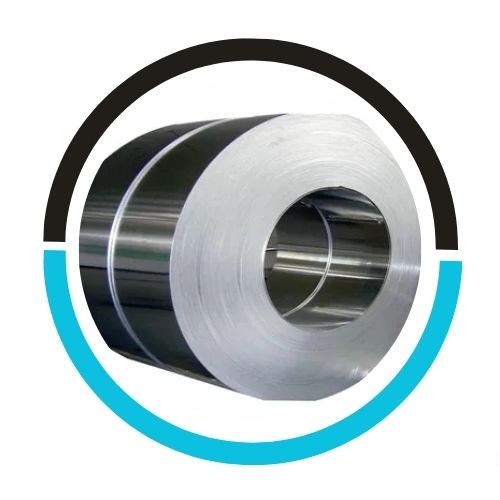
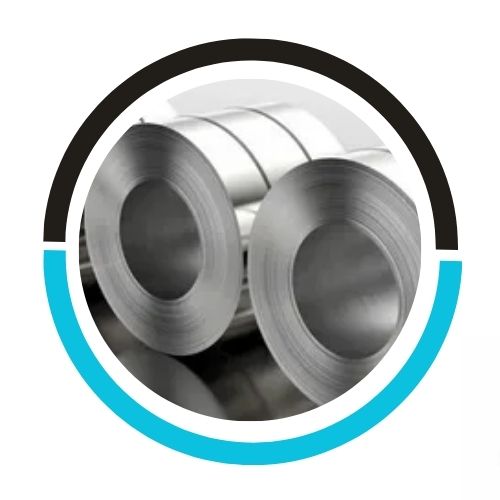
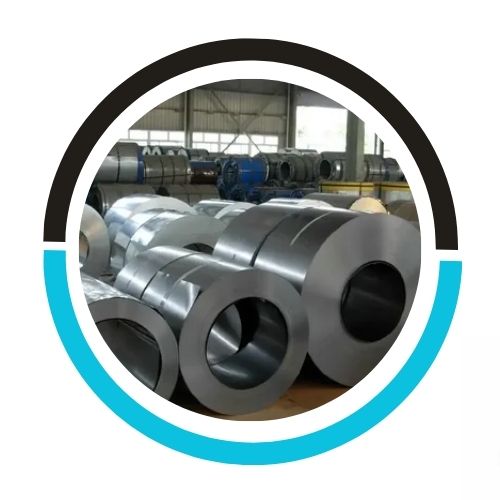
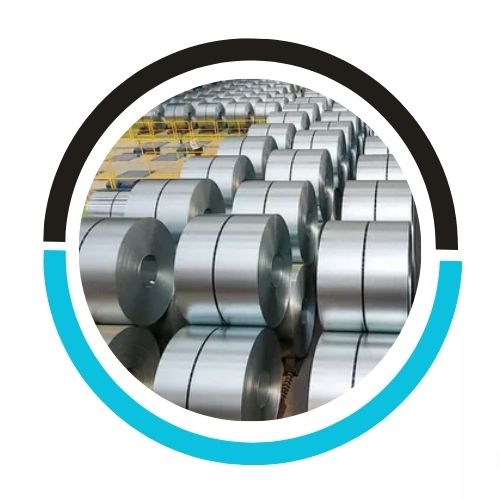
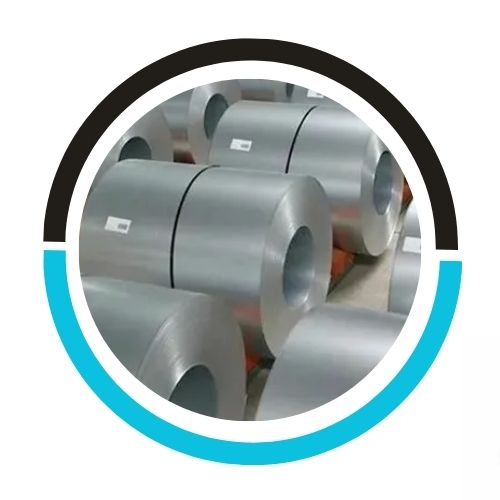
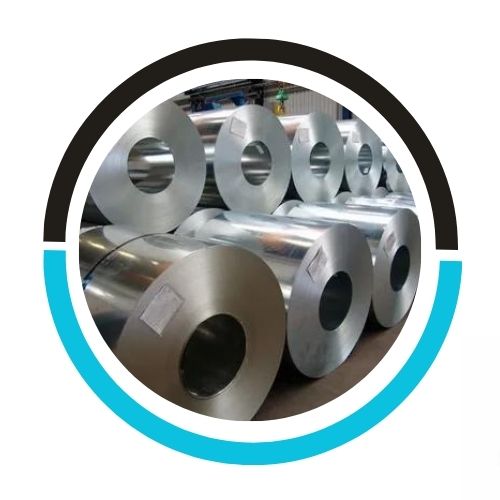
Alloy Steel Coils serve applications as varied as the industries that use them, led chiefly by the aerospace, railway, construction and automotive industries alongside petrochemical, nuclear, medical, Oil & Gas, Chemical, Pharmaceutical, Food & Beverage, Nuclear, Thermal Power plants, Paper and Pulp, marine and mining, etc.
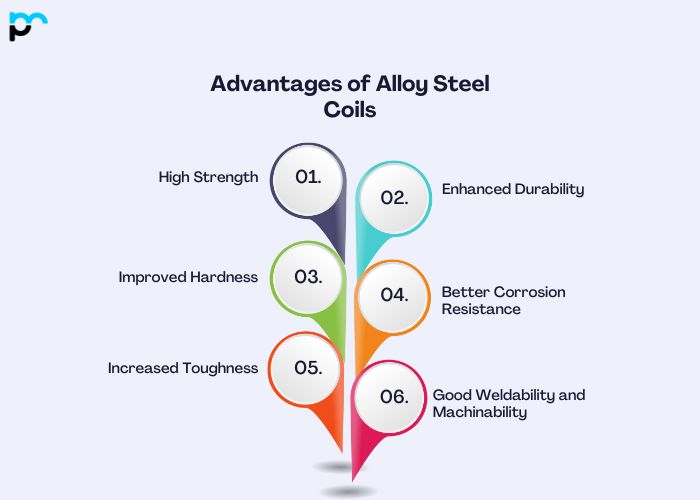
Yes Alloy steel coils are weldable. That said, the welding procedure can differ based on the particular alloy makeup and characteristics of the coils. In most cases, preheating and post-weld heat treatment might be needed to avoid cracking and guarantee adequate weld strength. Furthermore, choosing the right welding method, filler metal, and welding parameters is critical to produce top-quality welds and preserve the integrity of the alloy steel coils. When prepared and carried out correctly, alloy steel coils can be effectively welded to manufacture a range of components and structures for many different industrial uses.
Alloy steel coils are used throughout numerous industries thanks to their adaptable characteristics. They are frequently employed in automotive production for engine parts, chassis, and suspension systems. Within construction, alloy steel coils serve in structural elements such as beams and columns. They also fulfill an essential function in the aerospace sector for aircraft components like landing gear and engine parts. Additional uses encompass power generation equipment, mining machinery, tool production, and marine parts, where their strength, durability, and corrosion resistance are greatly prized.
For welding alloy steel coils together, various welding methods are advised depending on the particular needs of the application and the alloy makeup of the coils. Frequently employed welding methods include gas metal arc welding (GMAW), shielded metal arc welding (SMAW), and flux-cored arc welding (FCAW). Moreover, methods like gas tungsten arc welding (GTAW) and submerged arc welding (SAW) can be appropriate for certain applications. Selecting a welding method depends on considerations such as material thickness, the weld quality sought, and environmental conditions. Adequate preparation, including preheating and post-weld heat treatment, is frequently required to achieve strong and dependable welds with alloy steel coils.
Yes, there are various key factors to keep in mind when machining or fabricating alloy steel coils. Alloy steel generally exhibits greater hardness and strength than carbon steel, which can complicate the machining process. As a result, selecting suitable cutting tools and machining settings is essential to reach the intended outcomes while avoiding undue tool wear or distortion of the workpiece. Furthermore, adequate lubrication and cooling play a critical role in preventing overheating and preserving dimensional precision throughout machining. Alloy steel coils might also need preheating or post-weld heat treatment to reduce residual stresses and enhance machinability. In summary, thoughtful planning, correct tool choice, and compliance with recommended machining guidelines are vital for the successful fabrication of alloy steel coils.
Email: sales@santossteel.com