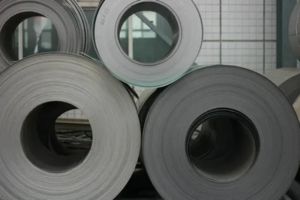
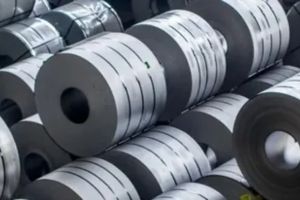
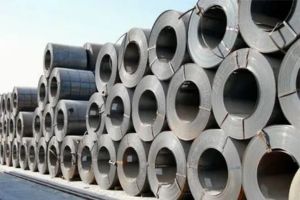
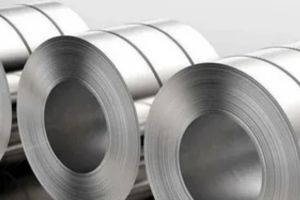
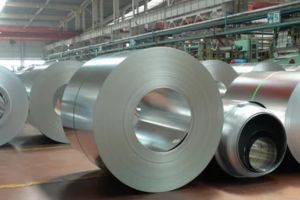
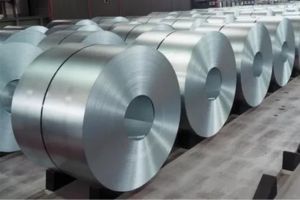
Hastelloy Coils are an alloy resistant to corrosion, recognized for their outstanding performance in harsh chemical settings. Made up of different nickel-chromium-molybdenum blends, Hastelloy coils provide strong resistance to corrosion, oxidation, and stress corrosion cracking. Commonly employed in chemical processing, aerospace, and industrial uses, these coils preserve their integrity under extreme conditions, making them well-suited for handling corrosive acids, alkalis, and other severe chemicals. The adaptability and long-lasting nature of Hastelloy coils make them a favored option in vital environments where conventional alloys might fail.
|
Standard |
ASTM B575 / ASME SB575 |
|
Thickness |
0.2mm – 5.0mm |
|
Width |
3.2mm – 1500mm |
|
Length |
AS PER CUSTOMER’S REQUIREMENT |
|
Test Certificate |
Yes |
|
Coils Hardness |
Half Hard, Quarter Hard, Soft, Hard, Spring Hard |
|
Value Added Services |
Cutting, Beveling, Polishing, Threading, Destructive, Non Destructive, Ultrasonic Testing |
|
Form |
Coil / Strip |
| Element | Density | Melting Point | Tensile Strength | Yield Strength (0.2%Offset) | Elongation |
| Hastelloy | 8.89 g/cm3 | 1370 °C (2500 °F) | Psi – 1,15,000 , MPa – 790 | Psi – 52,000 , MPa – 355 | 40 % |
| Grade | C | Mn | Si | S | Co | Ni | Cr | Fe | Mo | P |
| Hastelloy | 0.010 max | 1.00 max | 0.08 max | 0.03 max | 2.50 max | 50.99 min* | 14.50 – 16.50 | 4.00 – 7.00 | 15.00 – 17.00 | 0.04 max |
At Santossteel, we take pride in being the largest supplier and manufacturer in the Brazil, delivering advanced solutions for all your piping requirements. With cutting-edge production facilities strategically situated in the Brazil, we maintain an extensive inventory of more than 25,000 tons of top-quality materials kept readily on hand in stock.
Reach out to us for a fast quote on your requirement.
We supply These Hastelloy Coils in accordance with DIN, ISO, JIS or ANSI Standard.
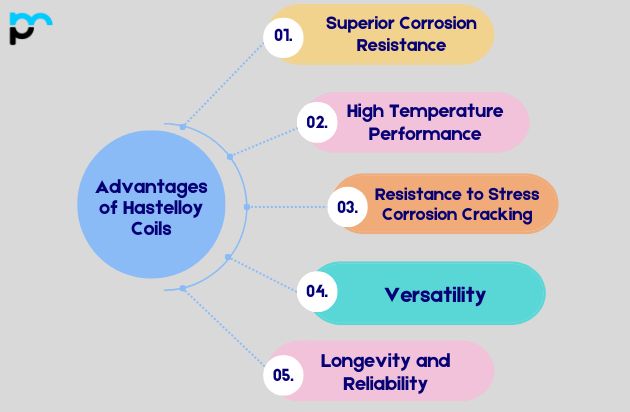
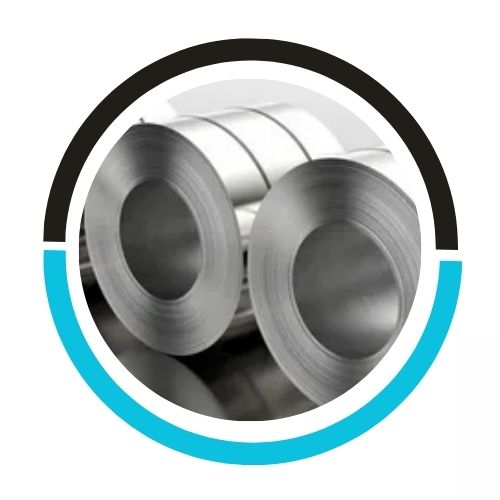
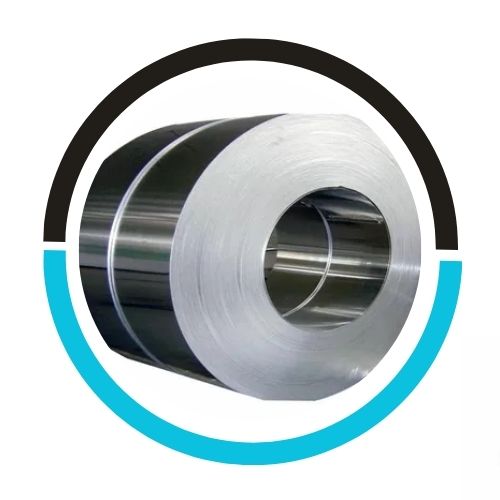
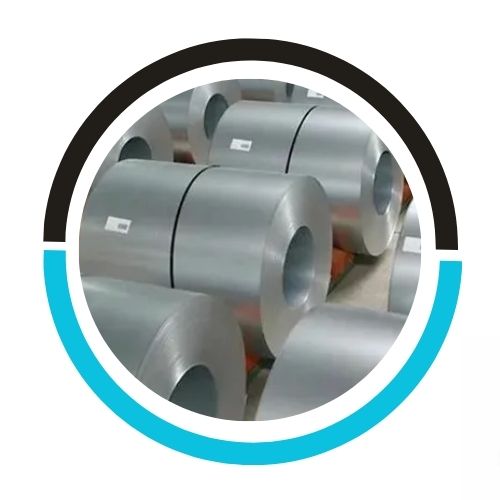
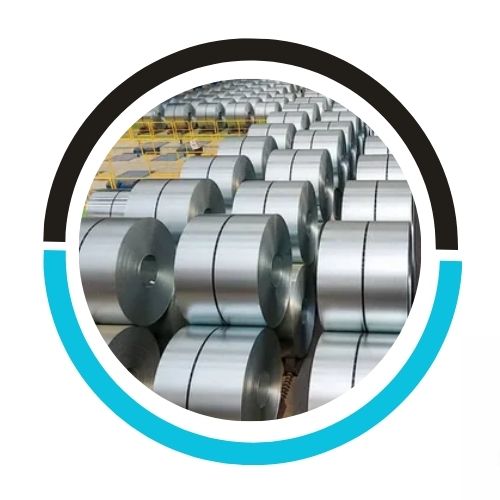
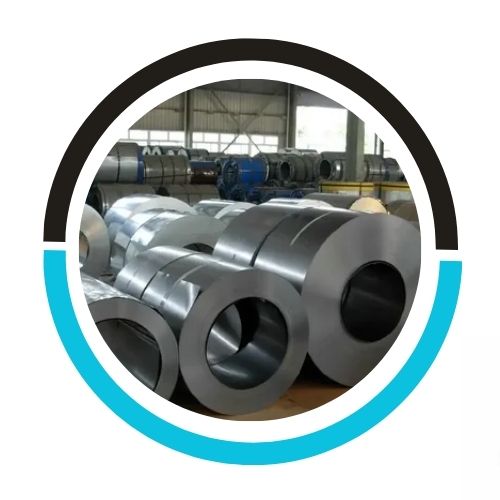
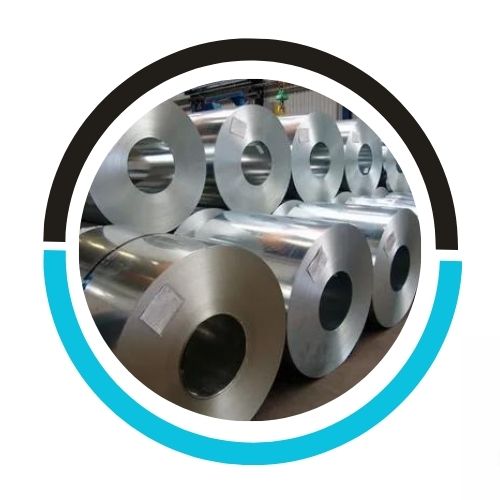
Hastelloy Coils applications are as varied as the industries they cater to, driven mainly by the aerospace, railway, construction and automotive industries along with petrochemical, nuclear, medical, Oil & Gas, Chemical, Pharmaceutical, Food & Beverage, Nuclear, Thermal Power plants, Paper and Pulp, marine and mining, etc.
Yes, Hastelloy coils can be recycled. Hastelloy refers to a group of corrosion-resistant alloys engineered for extreme conditions, such as high temperatures and corrosive materials. These coils can be melted and reprocessed into new Hastelloy products, which makes them a sustainable option for industrial uses.
Hastelloy coils serve the chemical processing, aerospace, oil and gas, pharmaceuticals, power generation, water treatment, marine and shipbuilding, food and beverage processing, environmental protection, and pulp and paper industries thanks to their resistance to corrosion, strong performance at high temperatures, and mechanical durability.
TIG (tungsten inert gas) welding is the main recommended method for joining Hastelloy coils because of its accurate heat regulation and reduced likelihood of sensitization and embrittlement. Alternative approaches such as MIG (metal inert gas) welding and SMAW (shielded metal arc welding) may also be employed when appropriate safeguards are taken.
Yes, there are particular factors to keep in mind when machining or fabricating Hastelloy coils. Hastelloy is a rugged alloy with high work hardening rates, so machining calls for slow speeds, heavy cuts, and plenty of coolant to reduce work hardening and tool wear. Carbide tooling is advised, and machining should be performed at low speeds to avoid overheating. Follow-up operations such as stress relieving or annealing may be required to restore the material’s properties. In addition, Hastelloy coils should be cleaned thoroughly prior to fabrication to eliminate any contaminants that might compromise weld quality or corrosion resistance.
Email: sales@santossteel.com