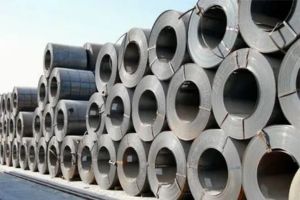
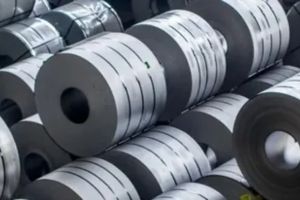
Inconel Coils emerge as premium heating and cooling components celebrated for their toughness in demanding industrial environments. Made from nickel, chromium, and iron, these alloys deliver remarkable resistance to elevated temperatures, oxidation, and corrosive conditions. Broadly adopted across aerospace, chemical processing, and nuclear sectors, Inconel coils excel in settings where durability cannot be compromised. Their sturdy character guarantees they endure under extreme conditions, making them a preferred pick for applications that require a dependable and long-lasting coil solution.
|
Specifications |
ASTM / ASME SB 168 |
|
|
Size |
1000 mm x 2000 mm, 1220 mm x 2440 mm, 1500 mm x 3000 mm, 2000 mm x 2000 mm, 2000 mm x 4000 mm |
|
|
Thickness |
0.1mm to 12 mm Thk |
|
|
Form |
Coilss, Foils, Rolls, Plain Coils, Shim Coils, Strip, Flats, Blank (Circle), Ring (Flange) |
|
|
Finish |
Hot rolled Coils (HR), Cold rolled Coils (CR), 2B, 2D, BA NO(8), SATIN (Met with Plastic Coated) |
|
|
Hardness |
Soft, Hard, Half Hard, Quarter Hard, Spring Hard etc. |
| Element | Density | Melting Point | Tensile Strength | Yield Strength (0.2%Offset) | Elongation |
| Inconel 600 | 8.47 g/cm3 | 1413 °C (2580 °F) | Psi – 95,000 , MPa – 655 | Psi – 45,000 , MPa – 310 | 40 % |
| Grade | C | Mn | Si | S | Cu | Fe | Ni | Cr |
| Inconel 600 | 0.15 max | 1.00 max | 0.50 max | 0.015max | 0.50 max | 6.00 – 10.00 | 72.00 min | 14.00 – 17.00 |
At Santossteel, we take pride in being the largest supplier and manufacturer in the Brazil, delivering advanced solutions for all your piping requirements. With cutting-edge production plants strategically situated in the Brazil, we feature an extensive inventory of more than 25,000 tons of premium-quality materials kept ready in stock.
Reach out to us for a fast quote tailored to your requirement.
We supply these Inconel Coils in compliance with DIN, ISO, JIS or ANSI Standard.
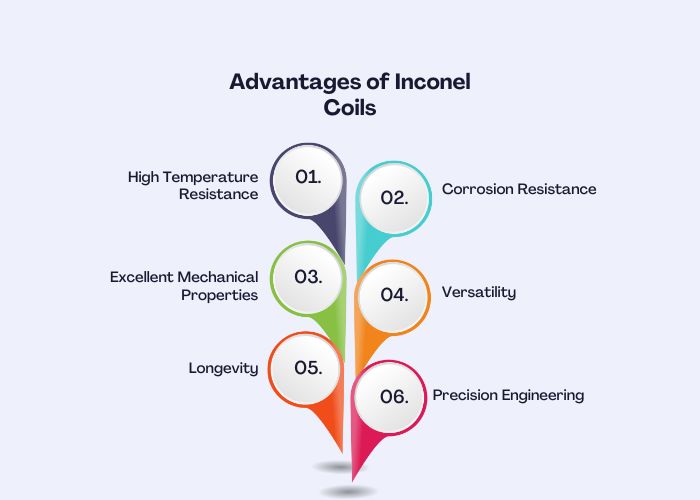
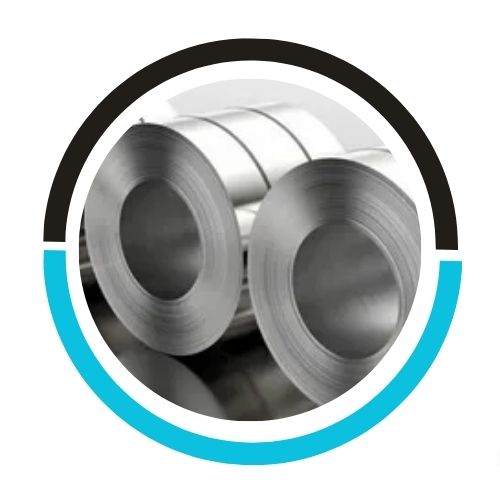
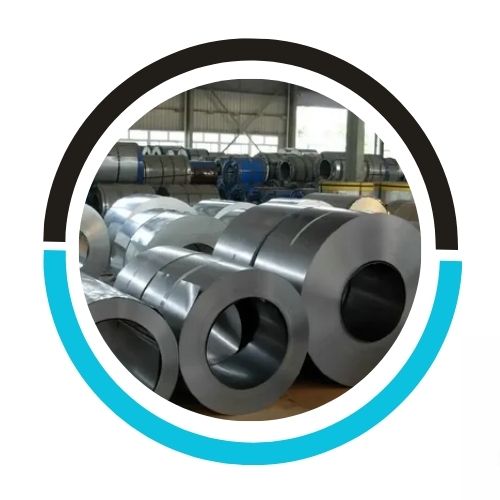
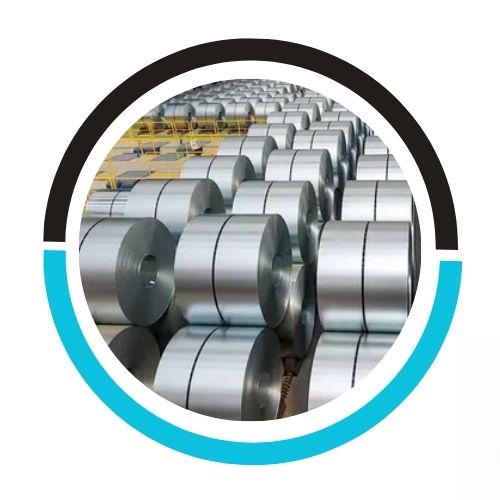
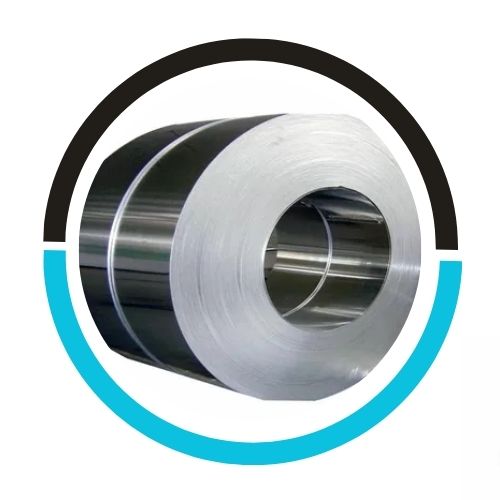
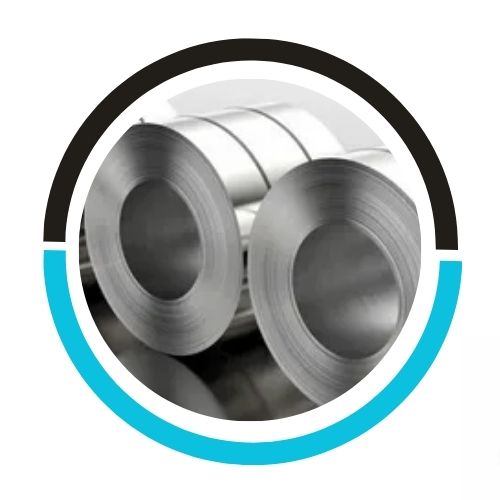
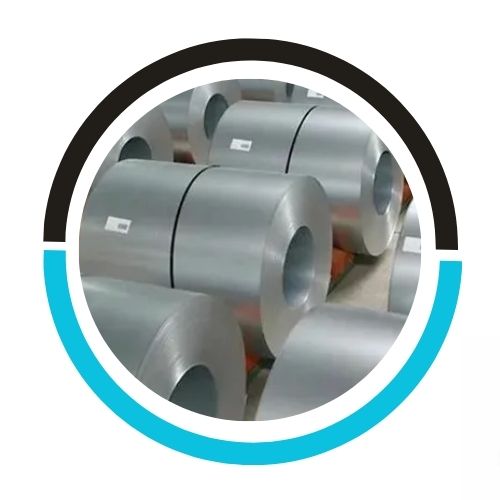
Inconel Coils serve applications as varied as the industries they support, driven mainly by the aerospace, railway, construction and automotive industries along with petrochemical, nuclear, medical, Oil & Gas, Chemical, Pharmaceutical, Food & Beverage, Nuclear, Thermal Power plants, Paper and Pulp, marine and mining, etc.
Yes Inconel coils can be joined through several welding methods, including gas tungsten arc welding (GTAW), shielded metal arc welding (SMAW), and plasma arc welding (PAW). Nevertheless, because of the elevated nickel content and distinctive characteristics of Inconel alloys, particular care and methods are frequently needed to produce high-quality welds. Thorough cleaning, preheating, and choosing appropriate filler materials are crucial to reduce the likelihood of weld flaws like cracking and porosity. Furthermore, post-weld heat treatment might be required to restore the material’s properties and guarantee the soundness of the weld joint. In summary, with proper expertise and procedures, Inconel coils can be effectively welded to satisfy the demands of a wide range of industrial applications.
Inconel coils prove well-suited to a wide range of demanding industrial applications thanks to their outstanding properties. They see widespread use in aerospace for engine components and aircraft structures, in chemical processing for reactors and heat exchangers, in power generation for turbine components, and in marine engineering for offshore equipment. They also function in high-temperature settings such as heat treatment furnaces, nuclear reactors, and automotive exhaust systems. Their corrosion resistance, high-temperature strength, and reliability render them essential in critical environments where performance and durability matter most.
Various welding methods are advised for joining Inconel coils, such as gas tungsten arc welding (GTAW), shielded metal arc welding (SMAW), and plasma arc welding (PAW). These methods provide accurate control over the welding process, guaranteeing high-quality welds with minimal chance of defects. Furthermore, methods like friction welding and electron beam welding can also work well for joining Inconel coils, especially in specialized applications that demand high precision and low heat input. Nevertheless, no matter which welding method is selected, proper cleaning, preheating, and the choice of appropriate filler materials are crucial to guarantee the integrity and performance of the weld joint.