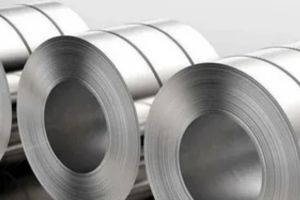
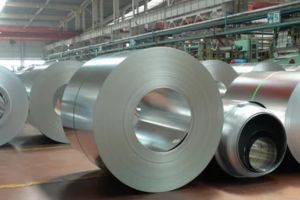
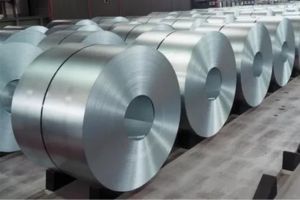
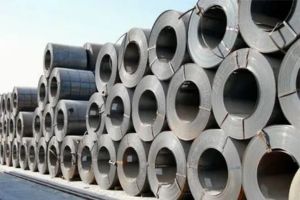
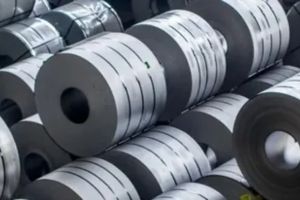
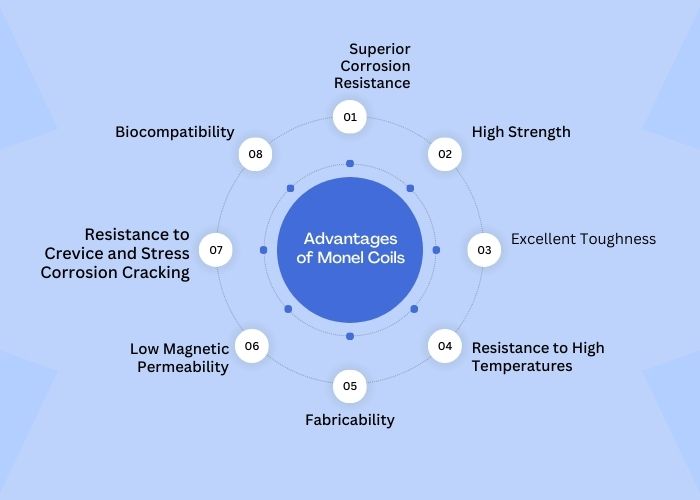
Monel Coils, an artificially produced alloy composed mainly of nickel and copper, offers outstanding resistance to corrosion, particularly in demanding environments such as marine and chemical settings. Celebrated for their sturdy blend of strength and toughness, these coils serve a wide range of applications across sectors like aerospace and marine engineering. Through human inventiveness, Monel coils have been utilized to manufacture vital components including pumps, valves, and heat exchangers, drawing on their distinctive characteristics to guarantee durability and reliable performance under tough conditions.
|
Standard |
ASTM B127 / ASME SB127 |
|
Thickness |
0.2mm – 5.0mm |
|
Width |
3.2mm – 1500mm |
|
Length |
AS PER CUSTOMER’S REQUIREMENT |
|
Test Certificate |
Yes |
|
Coils Hardness |
Half Hard, Quarter Hard, Soft, Hard, Spring Hard |
|
Value Added Services |
Cutting, Beveling, Polishing, Threading, Destructive, Non Destructive, Ultrasonic Testing |
|
Form |
Coil / Strip |
| Element | Density | Melting Point | Tensile Strength | Yield Strength (0.2%Offset) | Elongation |
| Monel 400 | 8.8 g/cm3 | 1350 °C (2460 °F) | Psi – 80,000 , MPa – 550 | Psi – 35,000 , MPa – 240 | 40 % |
| Grade | Cu | Fe | Ni | C | Mn | Si | S |
| Monel 400 | 28.00 – 34.00 | 2.50 max | 63.00 min | 0.30 max | 2.00 max | 0.50 max | 0.024 max |
At Santossteel, we take pride in being the largest supplier and manufacturer in the Brazil, delivering advanced solutions for all your piping requirements. With cutting-edge production facilities strategically situated in the Brazil, we maintain an extensive inventory of more than 25,000 tons of top-quality materials kept ready in stock.
Reach out to us for a fast quote tailored to your requirement.
Estas bobinas Monel las suministramos conforme a la norma DIN, ISO, JIS o ANSI.
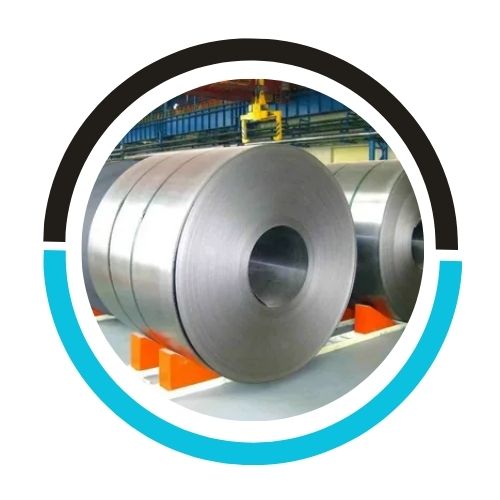
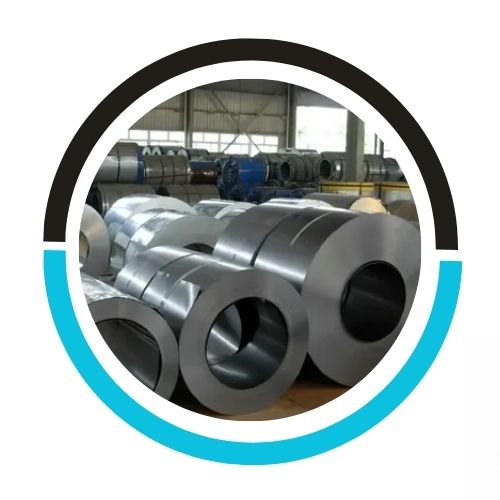
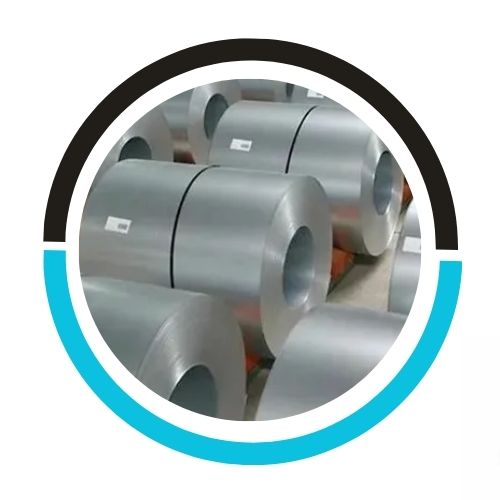
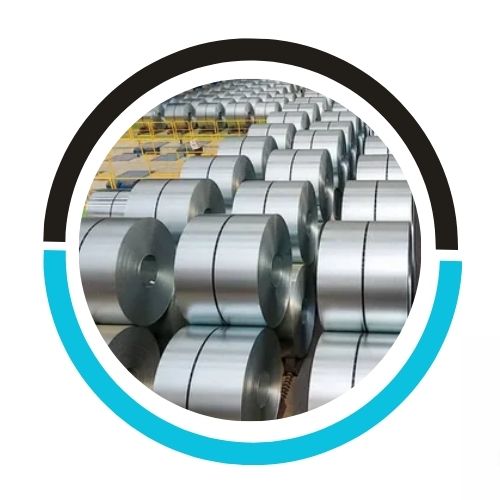
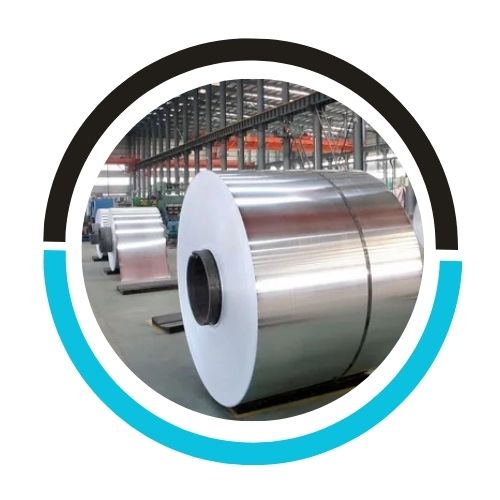
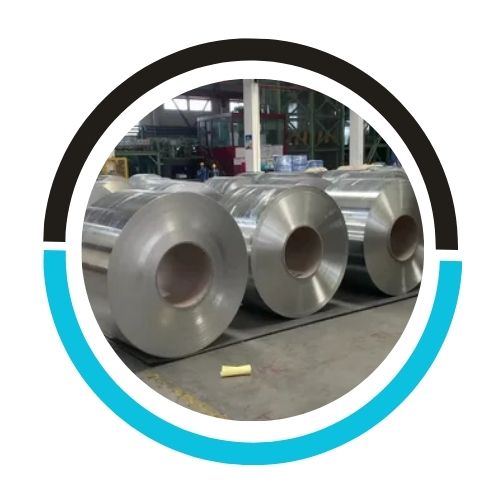
Monel Coils find applications as varied as the industries they cater to, led mainly by the aerospace, railway, construction and automotive sectors along with petrochemical, nuclear, medical, Oil & Gas, Chemical, Pharmaceutical, Food & Beverage, Nuclear, Thermal Power plants, Paper and Pulp, marine and mining, etc.
Yes Monel coils can also be joined through standard welding methods like TIG (tungsten inert gas), MIG (metal inert gas), and SMAW (shielded metal arc welding). Nevertheless, their elevated nickel content and distinctive characteristics mean that particular precautions must be taken. Heat treatments before and after welding might be needed to reduce the chance of sensitization and preserve the material’s resistance to corrosion. Using the right filler metals and welding procedures designed for Monel alloys is vital to guarantee the strength and reliability of the weld joints. Referring to manufacturer guidance and industry best practices is key to welding Monel coils successfully.
Monel coils are widely utilized throughout numerous industries owing to their outstanding corrosion resistance, strength, and durability. Fitting applications encompass marine components such as propellers and valves, chemical processing equipment, aerospace components, oil and gas platforms, medical instruments, heat exchangers, industrial pumps and valves, electrical connectors, and architectural fixtures in coastal regions. Their adaptability and dependability render them essential in settings that demand resistance to corrosive fluids, elevated temperatures, and severe conditions.
For welding Monel coils, the suggested approaches are TIG (tungsten inert gas), MIG (metal inert gas), and SMAW (shielded metal arc welding). These techniques offer flexibility and accuracy across a range of applications and material thicknesses. That said, given Monel’s distinctive characteristics, heat treatments both before and after welding might be required to avoid sensitization and preserve corrosion resistance. It is essential to select suitable filler metals that are compatible with Monel alloys and to adhere to manufacturer guidelines in order to guarantee weld integrity and performance.
Yes Monel coils require special attention when being machined or fabricated. Monel alloys are stronger and tougher than typical stainless steels, so machining demands reduced speeds, deeper cuts, and plenty of coolant to reduce work hardening and tool wear. Machining operations should use carbide tooling. Treatments performed after machining, such as stress relieving, may be required to bring back the material’s properties. Cleaning the material thoroughly before fabrication is critical to eliminate contaminants that might compromise weld quality or corrosion resistance.