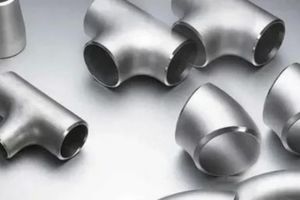
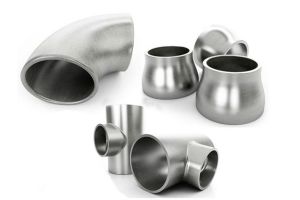
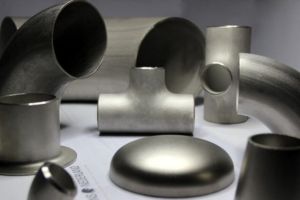
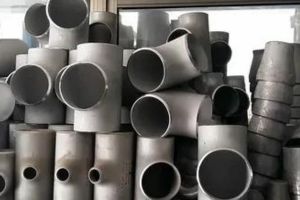
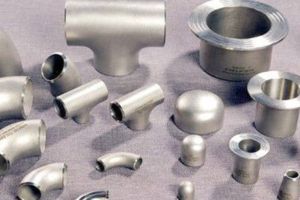
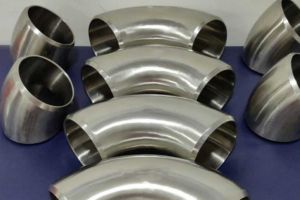
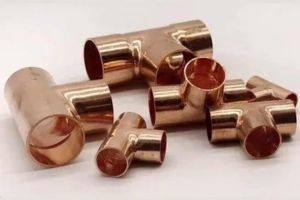
Enter a world of exceptional quality with our Monel pipe fittings featured on our product pages, offering a wide range of top-tier solutions. Explore a domain of flexibility and reliability with carefully engineered fittings designed for a variety of industrial uses. Our product range features precision-manufactured fittings that satisfy the industry’s demanding standards for durability and corrosion resistance. As a dependable supplier, we place customer satisfaction first by offering customizable choices, competitive pricing, and swift delivery. Whether for construction, manufacturing, or industrial projects, our Monel pipe fittings deliver outstanding performance, setting a benchmark of excellence and innovation. Our unwavering commitment to perfection strengthens your projects with dependable solutions.
| Specifications | ASTM B366 / ASME SB366, ASTM B366 UNS N04400, ASME SB366 UNS N04400 | |
|---|---|---|
| ASTM B366 400 Monel Fittings size | UNS N04400 Seamless Fittings: 1/2″ – 10″ Alloy 400 Butt Weld Fittings: 1/2″ – 48″ | |
| ASTM B366 UNS N04400 Pipe Fittings Standards | ASME B16.9, ASME B16.11, ASME B16.28, MSS-SP-43, BS4504 , BS4504, BS1560, BS10 | |
| 2.4360 Alloy 400 Fittings Available Thickness | Schedule 5s, 10s, 40s, 80s, 10, 20, 40, STD, 60, 80, XS, 100, 120, 140, 160, XXS available with NACE MR 01-75 | |
| Nickel Alloy 400 Buttweld fitting Main Types | Seamless / Welded / Fabricated | |
| ASTM B366 4400 Threaded Fittings Thread | NPT , BSPT, BSPP | |
| Monel Alloy 400 Fittings Type | DN15-DN1200 | |
| End | Threaded, Welding, JIC | |
| ASME SB 366 N04400 Forged Fittings Pressure Rating |
|
|
| Connection | Welding | |
| Monel 400 Fitting Test Certificates | EN 10204/3.1B Raw Materials Certificate 100% Radiography Test Report Third Party Inspection Report, etc | |
| ASTM B366 400 Monel Pipe Fittings manufacturers |
|
|
| Types of Monel 400 Fittings |
|
| Density | Melting Point | Yield Strength (0.2%Offset) | Tensile Strength | Elongation |
| 8.8 g/cm3 | 1350 °C (2460 °F) | Psi – 35,000 , MPa – 240 | Psi – 80,000 , MPa – 550 | 40 % |
| Monel 400 | Ni | C | Al | Mn | Si | Fe | Cu | S | Co | Cr |
| 63.0 min | 0.3 max | 0.50 max | 2.0 max | 0.5 max | 1.0 – 2.5 | 28.0 – 34.0 | 0.02 max | – | – |
At Santossteel, we take pride in being the largest supplier and manufacturer in the Brazil, delivering advanced solutions for all your piping requirements. With cutting-edge production facilities strategically situated in the Brazil, we maintain an extensive inventory of more than 25,000 tons of top-quality materials kept ready in stock.
Reach out to us for a fast quote tailored to your requirement.
These Monel Pipe Fittings are supplied by us in accordance with DIN, ISO, JIS or ANSI Standard.
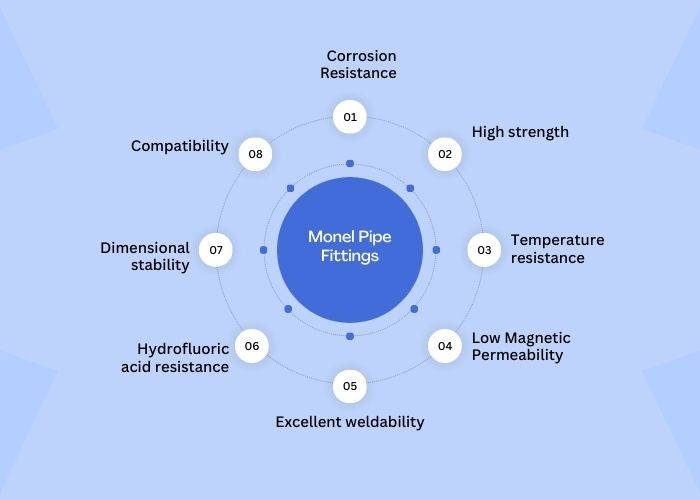
Corrosion Resistance: Composed chiefly of nickel and copper, Monel alloys display outstanding resistance to corrosion from numerous sources, such as seawater, acids, alkalis, and other aggressive chemicals
High strength: Monel pipe fittings possess superb mechanical characteristics, delivering high tensile strength, durability and durability, which makes them well suited for demanding applications
Temperature resistance: Monel alloy holds onto its strength and integrity even at high temperatures, delivering dependable performance under extreme conditions
Low Magnetic Permeability: Monel materials feature low magnetic permeability, which makes them perfect for applications where magnetic interference matters, such as within the electronics and aerospace industries
Excellent weldability: Monel pipe fittings can be welded readily with conventional methods, which makes them simple to install correctly and fabricate.
Hydrofluoric acid resistance: Monel compounds display notable resistance to hydrofluoric acid, an extremely valuable property in the chemical, petrochemical and other industries
Dimensional stability: Monel pipe fittings hold their shape and form even under severe operating conditions, guaranteeing sustained long-term performance.
Compatibility: Monel compounds show compatibility with a broad range of materials, making them appropriate for use in diverse applications across various industries
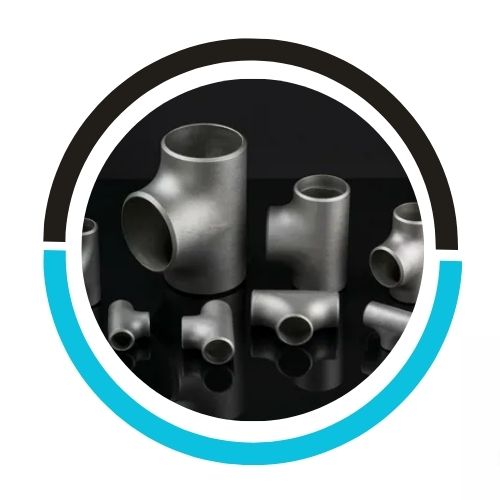
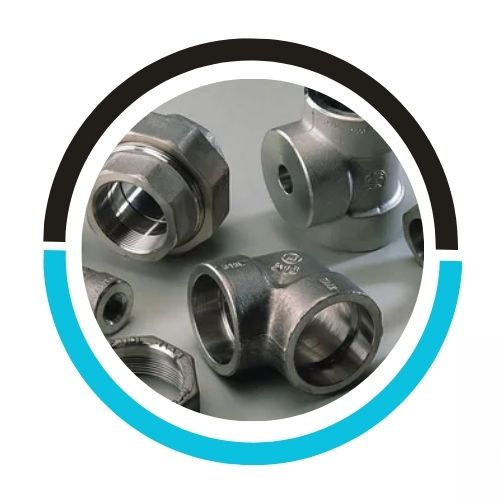
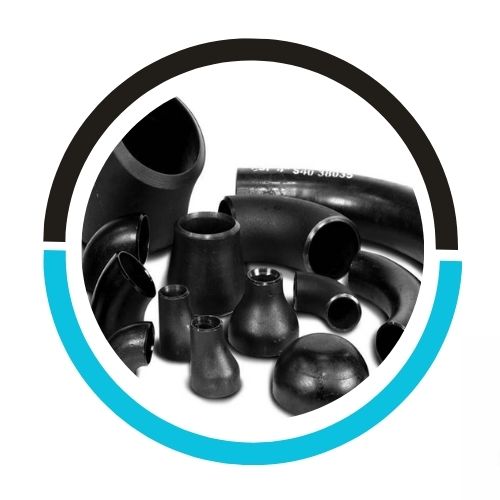
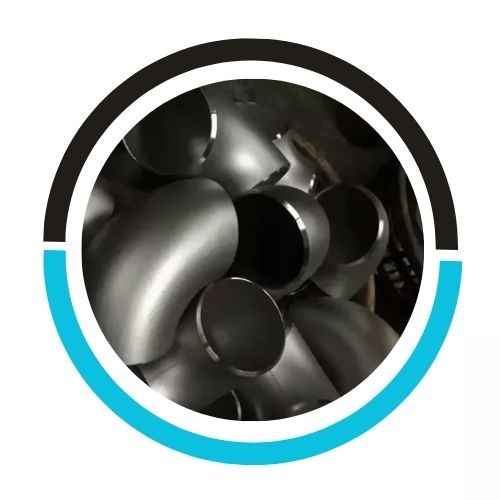
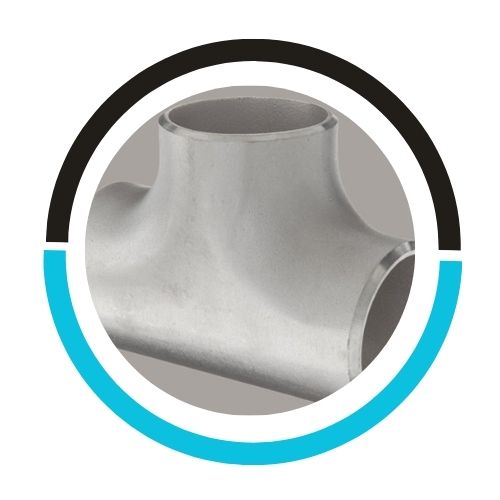
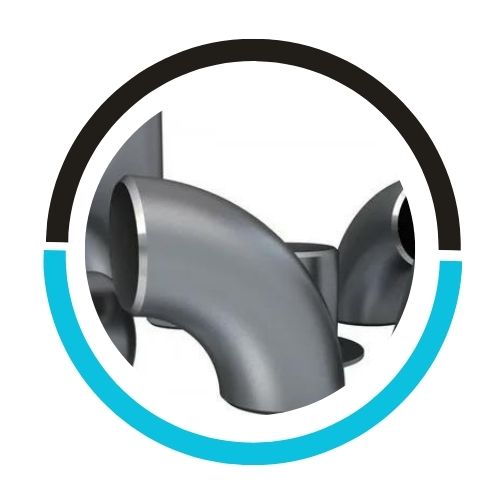
Monel Pipe Fittings applications are as varied as the industries they serve driven mainly by the aerospace, railway, construction and automotive industries with petrochemical, nuclear, medical, Oil & Gas, Chemical, Pharmaceutical, Food & Beverage, Nuclear, Thermal Power plants, Paper and Pulp, marine and mining, etc.
Marine applications: Monel pipe fittings see extensive use in marine settings thanks to their outstanding resistance to seawater and salt, applied in shipbuilding, offshore platforms and marine equipment.
Chemical: Monel fittings are commonly employed across chemical industries where resistance to corrosive chemicals and acids is needed. They serve in pipelines, reactors, heat exchangers and storage tanks.
Petrochemical Industry: Monel pipe fittings are applied in refineries and petrochemical plants to manage water and corrosive gases under high temperatures and pressures. They serve in piping systems, valves, pumps and heat exchangers.
Aerospace: Monel alloys serve in aerospace applications, including aircraft engines, exhaust systems and fuel lines, where resistance to high temperatures and corrosion is needed
Oil and Gas Industry: Monel pipe fittings are employed in oil and gas exploration, production and refining operations. Owing to its corrosion resistance and high strength, it serves in piping, valves, pumps and equipment systems.
Power generation: Monell fittings are applied in power plants to manage corrosive water, steam and high-pressure gases. They serve in boilers, condensers, turbines and heat exchangers.
Food processing: Monel pipe fittings are used throughout the food and beverage industry owing to their corrosion resistance and cleaning qualities. They serve in processing equipment, tanks and sanitary pipe systems.
Pharmaceutical Industry: Monel fittings are employed in the pharmaceutical industry for their corrosion resistance and compatibility with pharmaceutical products. Their applications include reactors, containers and process piping.
Environmental protection: Monel pipe fittings serve in environmental protection applications, such as desalination plants, wastewater treatment plants and pollution control systems, thanks to their resistance to corrosion and to harsh environmental conditions
General Industrial Applications: Monel fittings are applied across a range of industrial applications demanding corrosion resistance, high temperature and mechanical strength, including pulp and paper mills, textile manufacturing and electronic devices
Identify applicable requirements: Get familiar with the operating conditions, covering temperature, pressure, and the type of fluid or gas flowing through. Take into account aspects like resistance to corrosion, mechanical strength, and how well the design fits with the systems already in place.
Material selection: Monel alloys are available in various grades, such as Monel 400 (UNS N04400) and Monel K-500 (UNS N05500), and each carries its own distinct traits. Pick the appropriate one based on aspects like corrosion resistance, mechanical properties, characteristics, and the temperature stability your application demands.
Fitting Type: Identify the fitting type your application calls for, whether an elbow, tee, coupling, reducer, or flange. Weigh aspects like flow direction, restricted space, and the kind of connection (e.g., threaded, welded, or flanged).
Size and Dimensions: Pick fittings that align with the size and dimensions of the piping system being expanded. Confirm they work with the existing materials to avoid leakage, flow restriction, or mechanical stress.
Corrosion resistance: Monel compounds deliver outstanding corrosion resistance, though they may call for particular formulations or surface treatments depending on how harsh the working environment is. Look out for materials such as seawater, acids, alkali, or other perishables.
Temperature and pressure analysis: Confirm that the chosen materials can handle your system’s temperature and pressure conditions without undermining performance or safety. Consult product specifications and industry standards for direction.
Certifications and Standards: Make certain that Monel pipe fittings satisfy the relevant industry standards and certifications, such as ASTM, ASME, ANSI, or API standards, so as to guarantee quality, reliability, and adherence to regulatory requirements
Connection: Assess how compatible Monell fittings are with the other components in the system, such as piping, valves, gaskets, and sealing materials, and make sure any unusual components fit together to avoid galvanic corrosion or other related issues meetings have been met.
Supplier Reputation: Go with a well-regarded supplier or manufacturer recognized for quality products, dependable service, and technical support. Look into customer reviews, testimonials, and company listings to establish confidence in both the product and the supplier.
Cost vs. Value: Weigh the initial cost of a Monel fitting against its longevity, durability, and maintenance needs. Aspects like cost of living, uptime, and overall value can be factored in to reach an informed decision.
Yes, Monel pipe fittings can be recycled. Monel alloys, made up mainly of nickel and copper, can be recovered through a range of methods, such as melting and refining. Recycling Monel supports the conservation of natural resources, lowers energy usage, and reduces environmental harm by keeping materials out of landfills. On top of that, recycling Monel alloys enables the recovery of valuable metals like nickel and copper, which can be repurposed to make new materials, aiding sustainability efforts in man.
Even though Monel pipe fittings resist wear and tear better, routine inspections and upkeep are required to guarantee correct functioning and durability If cleaned on a regular basis, look for indications of wear and tear, and fix or swap out damaged parts right away to avoid leakage and failure
Monel alloys work with a range of liquids, such as corrosive chemicals, acids, alkalis and hydrocarbons. That said, compatibility should always be verified according to the particular fluid’s composition and performance in order to prevent potential corrosion damage to the fittings