Home > Alloy Steel > Alloy Steel Fasteners
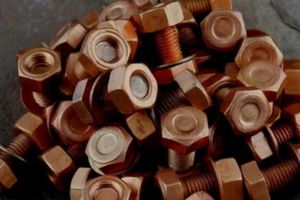
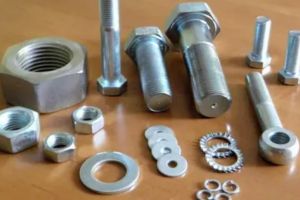
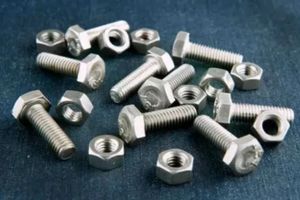
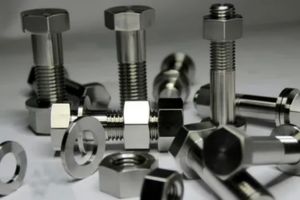
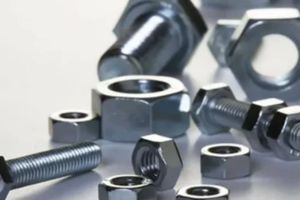
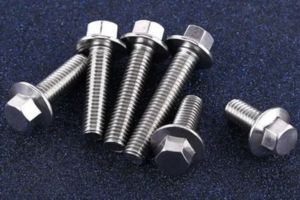
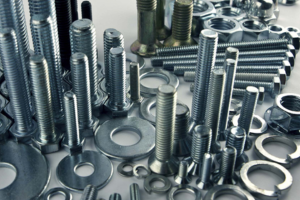
Committed to providing outstanding quality, our company takes pride in offering a wide-ranging selection of Alloy Steel Fasteners sourced with great care from trusted suppliers celebrated for their expertise in custom-made premium alloy steel parts. These fasteners serve as vital components across a range of applications, featuring a broad variety of sizes, configurations, and specifications carefully tailored to satisfy the varied needs of our valued customers. Extensively adopted across industries like construction and aerospace, our high-grade Alloy Steel Fasteners are prized for their remarkable strength and dependability. Manufactured with precision using cutting-edge alloy blends, these fasteners go through thorough production processes to boost their durability and performance, guaranteeing reliable functionality even in the toughest environments.
| Tensile Strength(ksi) | Tensile Strength(MPa) | Yield Strength(ksi) | Yield Strength (MPa) | Elongationin 2 inches (%) | ||
| Alloy Steel | Class 1 | 60-85 | 415-585 | 30 | 205 | 18 |
| Class 2 | 75-100 | 515-690 | 45 | 310 | 18 |
| Alloy Steel | 0.15 max | 0.3 – 0.6 | 0.035 | 0.03 | 0.5 max | 4.00 – 6.00 | 0.45 – 0.65 |
At Santossteel, we take pride in being the largest supplier and manufacturer in the Brazil, delivering advanced solutions for all your piping requirements. With cutting-edge production facilities strategically situated in the Brazil, we maintain an extensive stock of more than 25,000 tons of top-quality materials readily on hand.
Reach out to us for a fast quote on your requirement.
We supply These Alloy Steel Fasteners in accordance with DIN, ISO, JIS or ANSI Standard.
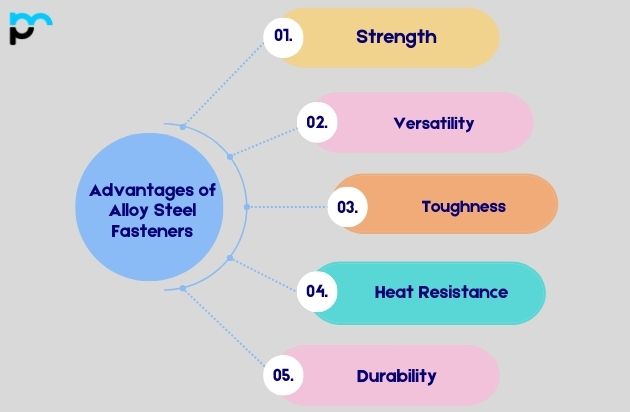
Strength: Alloy steel fasteners offer greater strength than standard steel fasteners because of the inclusion of alloying elements like chromium, nickel, molybdenum and vanadium. This added strength makes them well-suited for high-stress applications.
Versatility: Steel alloys can be readily heat treated to obtain particular mechanical characteristics such as hardness or brittleness, which makes them appropriate for a broad variety of uses across different industries
Toughness: Alloy steel fasteners display better toughness and shock resistance than standard steel fasteners, lowering their tendency to break or fail under heavy loads or abrupt impacts
Heat Resistance: Alloy packaging materials can endure high temperatures without sacrificing their mechanical properties, which makes them appropriate for uses where heat transfer is a factor it’s disturbing
Durability: Alloy steel’s alloy elements enhance its resistance to corrosion, corrosion and abrasion, extending the life of fasteners, particularly in harsh environments or corrosive conditions
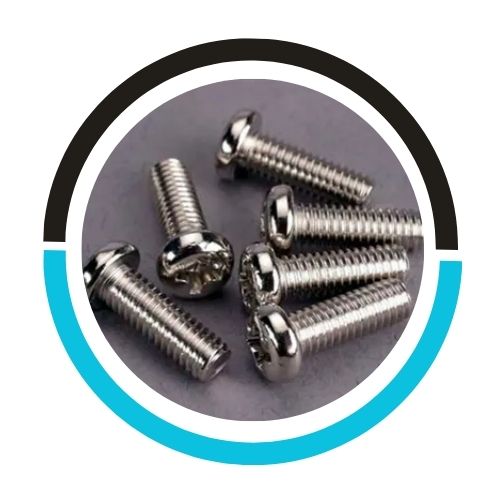
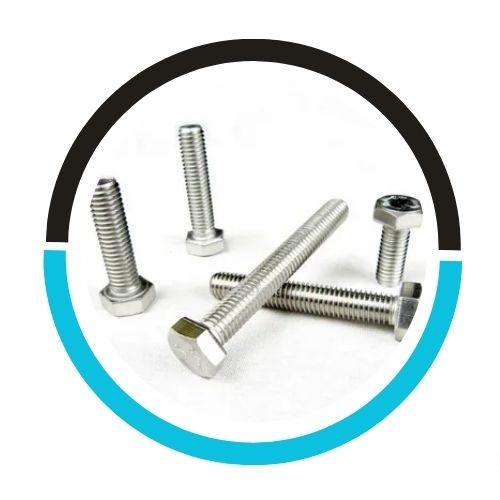
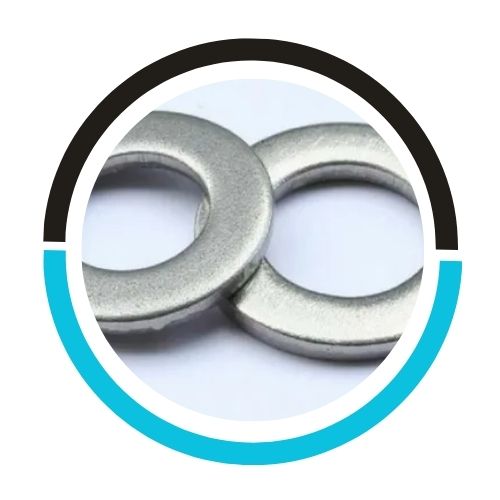
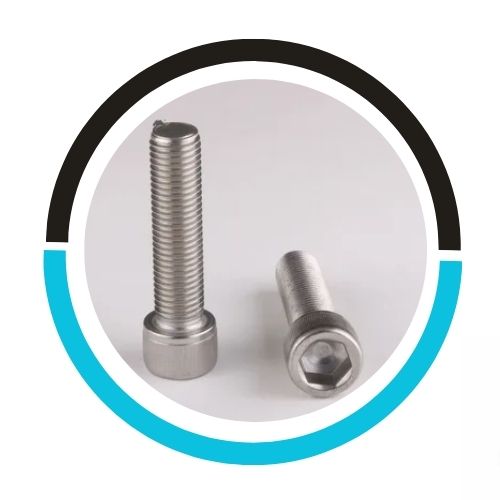
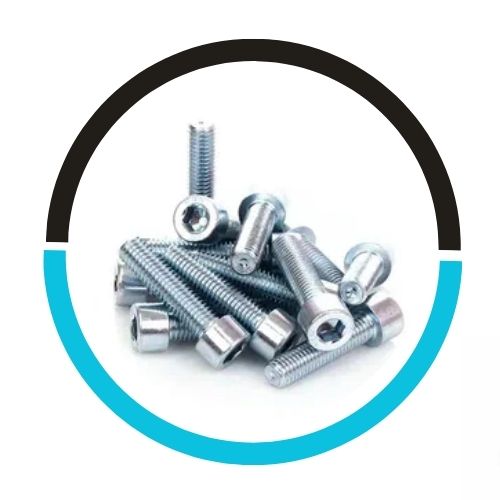
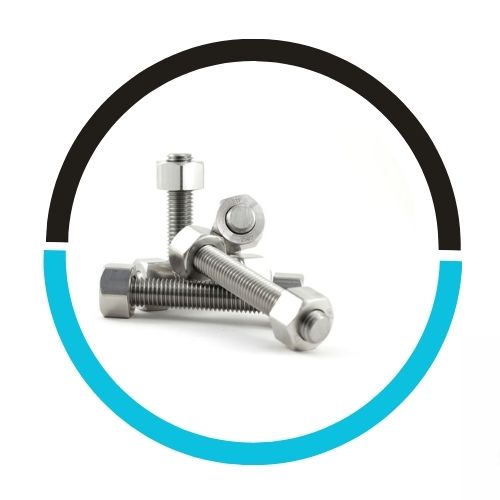
Alloy Steel Fasteners applications are as varied as the industries they serve, driven mainly by the aerospace, railway, construction and automotive industries along with petrochemical, nuclear, medical, Oil & Gas, Chemical, Pharmaceutical, Food & Beverage, Nuclear, Thermal Power plants, Paper and Pulp, marine and mining, etc.
Automotive Industry: Alloy steel fasteners find application in the automotive sector for parts such as engines, transmissions, chassis, suspension systems, and more. They deliver superior strength and long-lasting performance, which makes them well-suited for key automobile uses.
Power generation: Alloy steel fasteners serve in vital components like turbines and boilers within power plants such as thermal power stations and nuclear reactors. They Provide resistance to high temperatures and pressure, which is crucial for the dependable functioning of power generation machinery.
Oil and Gas: The oil and gas sector relies on alloy steel fasteners for drilling rigs, pipelines and refineries. These packaging materials are able to endure the tough environmental conditions, elevated pressures, and corrosive elements frequently found in the industry.
Machinery and Equipment: Alloy steel fasteners play a key role in producing machinery and equipment across a range of industries including aerospace, mining, agriculture and construction. They serve in heavy machinery, tools and assembly tools thanks to their strength and reliability . . . .
Construction: Alloy steel bonding is applied in structural uses where high strength and corrosion resistance are needed. It is commonly seen on bridges, buildings, and other infrastructure projects.
Specify Implementation Requirements: Define the particular needs of your application, such as load-bearing capacity, environmental conditions (like exposure to temperature and corrosion), and any regulatory standards that must be followed.
Check for thermal resistance: Certain applications operate at high temperatures, which affect fastener performance. Select high-resistance alloy steel to guarantee stability and consistency under extreme heat.
Check Strength Requirements: Assess how much strength your fasteners need according to their weight. Alloy steel fasteners deliver high tensile strength, which makes them well suited for demanding applications. Take into account factors like yield strength, ultimate tensile strength, and stiffness.
Consider corrosion resistance: If your project involves contact with water, chemicals, or other corrosive substances, give preference to stainless steel alloys. Seek out grades with sufficient corrosion resistance, such as stainless steel alloys or coatings like zinc coating or galvanization.
Understand alloy steel grades: Alloy steel fasteners are available in various grades, each having distinct properties. Learn the traits of the different alloy steel grades and how they align with your application’s requirements. Frequently used steel alloys include ASTM A193, ASTM A194, and ASTM A320.
Alloy steel fasteners may be prone to galvanic corrosion when combined with unlike metals in corrosive settings. Choosing appropriate alloy grades and coatings, together with insulation techniques or the adoption of compatible materials, can reduce this risk and secure durable performance across a range of applications.
Yes, Alloy steel fasteners are able to be recycled once used. They are typically recycled via methods like melting and reshaping. Recycling aids in preserving resources, lessens environmental harm, and supports the sustainability of the manufacturing sector.
Alloy steel fasteners may be prone to corrosion based on the particular alloy makeup, environmental factors, and surface finishes. That said, some alloy steel grades are engineered to provide improved resistance to corrosion. Choosing the right material, applying suitable coatings, and performing regular maintenance can reduce corrosion risks and secure lasting durability across a range of applications.
To choose the correct alloy steel fasteners, evaluate the demands of your application such as load capacity, corrosion resistance, and temperature conditions. Pick suitable alloy grades that offer matching properties, confirm they meet relevant standards, weigh cost-effectiveness, and seek expert advice when necessary. Make sure they work well with other components and deliver reliable long-term performance.
Email: sales@santossteel.com