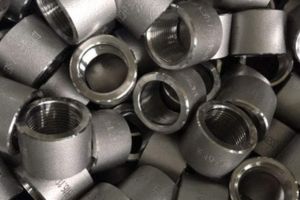
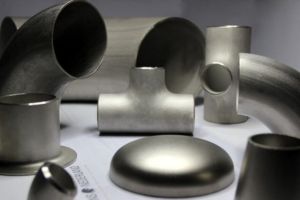
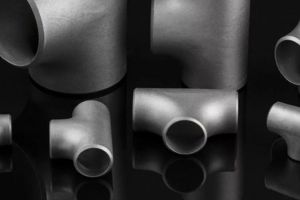
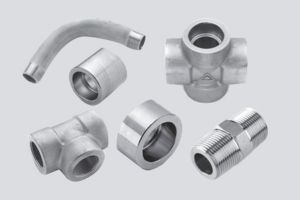
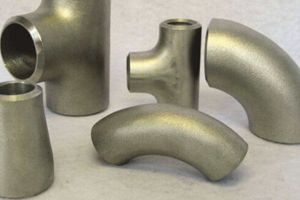
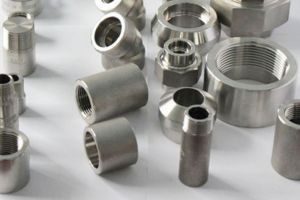
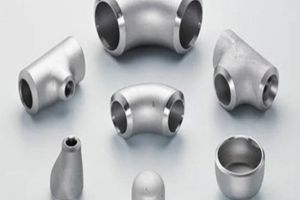
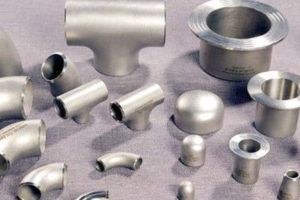
Alloy Steel Forged Fittings

Home > Alloy Steel > Alloy Steel Forged Fittings

Alloy Steel Forged Fittings Manufacturer and Supplier in Sao Paulo, Brazil

Alloy Steel Pipe Fittings Exporter in Brazil, Alloy Steel Buttweld Pipe Fittings Stockist in Sao Paulo, Cr-MO A234 WP9 Welded Fittings Manufacturer and Supplier in Rio de Janeiro

Table of Contents

Alloy Steel Forged Fittings are robust parts designed for tough industrial uses such as oil and gas, petrochemicals, and power generation. Made from alloy steel, they offer outstanding strength, durability, and resistance to corrosion and elevated temperatures. Such fittings, including elbows, tees, and couplings, are essential for keeping dependable connections and structural integrity in high-pressure settings. Thanks to their sturdy build and performance, alloy steel forged fittings are a dependable option for critical operations throughout many industries.

Alloy Steel Forged Fittings Specifications

SpecificationsAlloy Steel
Size1/8” NB TO 48” NB.
DimensionsASME/ANSI B16.9, ASME B16.28, MSS-SP-43
TypeSeamless / Welded / Fabricated
ThicknessSch 5s, Sch 10s, Sch 40s, Sch 80s, Sch 160s, Sch XXS

Alloy Steel Forged Fittings Mechanical Properties

GradeTensile Strength (Mpa)Yield Strength (Mpa)Elongation %
Alloy Steel41558520

Alloy Steel Forged Fittings Chemical Composition

GradeCMnSiSPCrMo
Alloy Steel0.08 – 0.120.3 – 0.60.50.010.028.5 – 9.50.85 – 1.05

Top Alloy Steel Forged Fittings Manufacturing Company in Sao Paulo

At Santossteel, we take pride in being the largest supplier and manufacturer in the Brazil, delivering advanced solutions for every one of your piping requirements. With cutting-edge production facilities strategically positioned in the Brazil, we maintain an extensive stock of more than 25,000 tons of top-quality materials kept ready and available.

Available Alloy Steel Forged Fittings Grades

Reach out to us for a fast quote tailored to your requirement.

We supply these Alloy Steel Forged Fittings conforming to DIN, ISO, JIS or ANSI Standard.
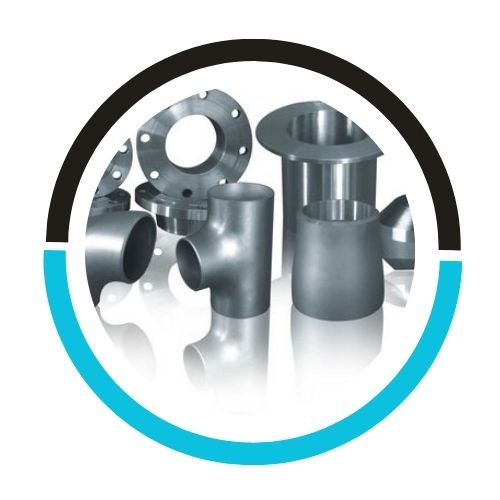
Alloy Steel Stub End Manufacturer in Brazil, Alloy Steel Butt Weld Pipe Fittings Price in Sao Paulo, Alloy Steel Pipe Cap Exporter in Belo Horizonte, Alloy Steel Buttweld Equal Tee Manufacturer and Supplier in Rio de Janeiro

Advantages of Alloy Steel Forged Fittings

Advantages of Alloy Steel Forged Fittings
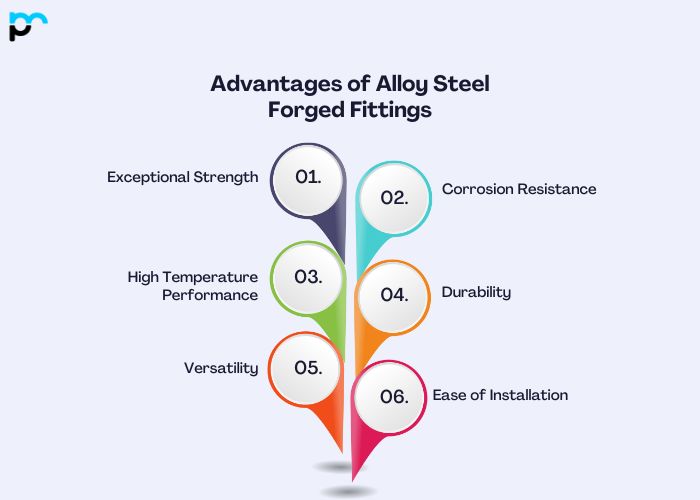
  1. Exceptional Strength: Forged fittings made from alloy steel deliver greater strength than fittings produced from other materials. This strength guarantees dependability and longevity, especially in applications involving high pressure and high temperatures.
  2. Corrosion Resistance: Alloy steel forged fittings show outstanding resistance to corrosion, which makes them well suited for use in corrosive settings like chemical processing plants and offshore oil rigs.
  3. High Temperature Performance: These fittings retain their mechanical characteristics under high temperatures, delivering dependable performance in applications where temperature swings are frequent, such as the power generation and petrochemical industries.
  4. Durability: Alloy steel forged fittings are extremely durable and resistant to wear and tear, guaranteeing lasting performance even in tough industrial settings.
  5. Versatility: These fittings are available in a range of shapes and sizes, providing the flexibility to satisfy the varied requirements of different applications, from pipelines and refineries to chemical processing plants and aerospace applications.
  6. Ease of Installation: Alloy steel forged fittings are simple to install and connect, owing to their standardized dimensions and compatibility with a range of piping systems. This installation ease helps simplify construction and maintenance work.

Types of Alloy Steel Forged Fittings

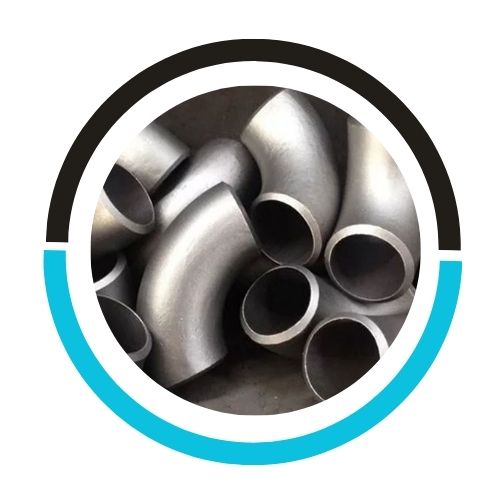
Alloy Steel Butt Weld Forged Fittings in Brazil
Alloy Steel Butt Weld Forged Fittings
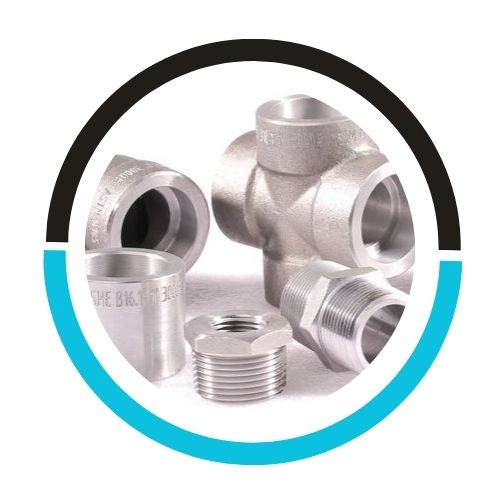
Alloy Steel Socket Weld Forged Fittings in Brazil
Alloy Steel Socket Weld Forged Fittings
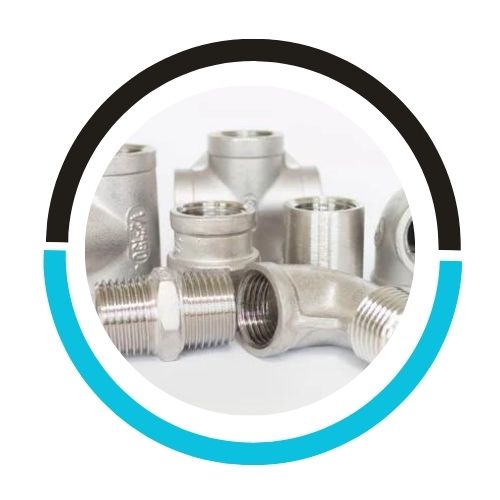
Alloy Steel Forged Fittings in Brazil
Alloy Steel Forged Fittings
Alloy Steel Seamless Forged Fittings
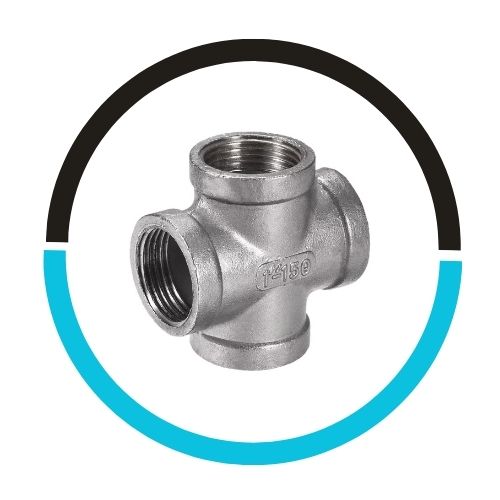
Alloy Steel Cross Forged Fitting in Brazil
Alloy Steel Cross Forged Fitting
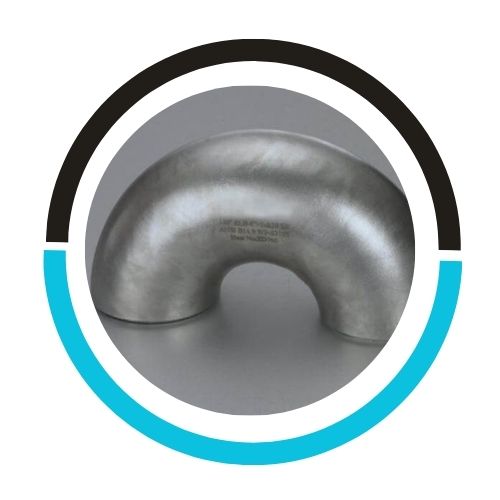
Large Diameter Alloy Steel Forged 180° Elbow in Brazil
Large Diameter Alloy Steel Forged 180° Elbow

Low Alloy Steel Forged Fittings Manufacturers in Rio de Janeiro, Alloy Steel Forged Fittings Supplier in Brazil, Alloy Steel Forged & Weld Fittings

Alloy Steel Forged Fittings Uses

Application Industry

Alloy Steel Forged Fittings serve applications as varied as the industries that use them, led mainly by the aerospace, railway, construction and automotive industries along with petrochemical, nuclear, medical, Oil & Gas, Chemical, Pharmaceutical, Food & Beverage, Nuclear, Thermal Power plants, Paper and Pulp, marine and mining, etc.

Oil & Gas Industry

Aviation Industry

Petro Chemical Industry

Power Generation Industry

  1. Oil and Gas Industry: Forged fittings made from alloy steel are extensively employed across the oil and gas sector for numerous purposes, such as pipelines, refineries, and offshore platforms. They deliver dependable connections in high-pressure and corrosive settings, safeguarding the soundness and safety of oil and gas infrastructure.
  2. Chemical Processing Plants: These fittings are broadly applied in chemical processing facilities for moving corrosive chemicals, acids, and solvents. They provide outstanding resistance to corrosion and elevated temperatures, which makes them well suited for managing aggressive fluids within chemical manufacturing operations.
  3. Power Generation Facilities: Alloy steel forged fittings serve as vital parts in power generation plants like thermal power stations and nuclear reactors. They appear in boilers, steam turbines, and piping networks, delivering dependable connections for carrying steam, water, and other fluids under high temperatures and pressures.
  4. Petrochemical Industry: Within the petrochemical sector, alloy steel forged fittings are applied in refineries, petrochemical plants, and gas processing installations. They fulfill numerous roles, including cracking units, distillation columns, and heat exchangers, where they endure corrosive surroundings and high-pressure conditions.
  5. Aerospace Applications: Alloy steel forged fittings are put to use in aerospace applications for aircraft engines, hydraulic systems, and structural components. They provide a high strength-to-weight ratio, fatigue resistance, and reliability, satisfying the demanding performance standards of aerospace engineering.

How to Choose the Right Alloy Steel Forged Fittings

  1. Identify Application Requirements: Identify the exact needs of your application, such as the working pressure, temperature, type of fluid, and corrosive conditions. Grasping these elements will aid in choosing the right alloy steel grade and fitting arrangement.
  2. Consider Alloy Steel Grade: Pick an alloy steel grade that fits the working conditions and corrosive setting of the application. Frequently used grades include ASTM A182 F5, F9, F11, F22, and F91, with each providing distinct characteristics like resistance to corrosion, strength at high temperatures, and toughness.
  3. Assess Fitting Configuration: Pick the right fitting arrangement (for instance, elbows, tees, couplings) according to the piping system’s layout and needs. Take into account aspects like the direction of flow, limitations of space, and ease of access for servicing.
  4. Determine Pressure Rating: Verify the pressure rating of the alloy steel forged fittings to confirm they can handle the highest working pressure of the application. Opt for fittings with adequate pressure ratings to prevent possible leaks or breakdowns under high-pressure situations.
  5. Verify Size and Dimensions: Verify the size and dimensions of the fittings needed for the piping system, such as nominal pipe size (NPS), outer diameter (OD), and wall thickness. Make sure they are compatible with existing piping parts to enable correct installation and connection.
  6. Evaluate Corrosion Resistance: Evaluate the corrosion resistance characteristics of the alloy steel forged fittings so they suit the corrosive setting of the application. Take into account elements like the presence of acids, alkalis, salts, and other corrosive materials that could impact the fittings’ performance as time passes.

Are Alloy Steel Forged Fittings Recyclable?

Yes, alloy steel forged fittings can be recycled. As a ferrous metal, alloy steel is capable of being recycled through various methods such as melting and reprocessing. Recycling alloy steel forged fittings aids in preserving natural resources, lowering energy usage, and reducing environmental harm when compared to producing metal from scratch. Furthermore, recycling alloy steel fittings can support cost reductions and sustainability initiatives within industries that depend on these parts. That said, correct sorting and management of scrap alloy steel materials are essential to maintain quality and prevent contamination throughout the recycling process.

FAQ (Frequently Asked Questions)

Are Alloy Steel Forged fittings compatible with other piping materials?

Yes, alloy steel forged fittings work well with a broad selection of piping materials frequently found in industrial settings. Such fittings can be smoothly incorporated into piping systems built from materials like carbon steel, stainless steel, and assorted alloys. The compatibility of alloy steel forged fittings with other piping materials is guaranteed by standardized dimensions, threading, and joining techniques defined by industry standards including ASTM and ASME. This interoperability provides flexibility in the design and construction of piping systems, enabling alloy steel fittings to be used together with various materials to satisfy particular application needs. Nonetheless, it’s crucial to weigh factors like material compatibility, corrosion resistance, and mechanical properties when choosing fittings and piping materials in order to guarantee dependable performance and durability of the system.

What are the considerations for installing Alloy Steel Forged Fittings?

When installing Alloy Steel Forged Fittings, verify compatibility, correct sizing, and threading to achieve a secure, leak-free connection. Take operating conditions into account and adhere to industry standards for installation procedures to ensure long-term integrity and reliability. Routine inspection and maintenance are essential for detecting and preventing issues early.

Can Alloy Steel Forged Fittings be used for potable water applications?

Alloy Steel Forged Fittings are typically discouraged for potable water uses because of possible issues with corrosion and contamination. Although alloy steels provide outstanding mechanical characteristics and strength, they might lack the corrosion resistance needed for extended contact with potable water, which can result in degradation and possible health hazards. For potable water systems, it’s generally recommended to choose materials that are specifically engineered and certified for these uses, such as stainless steel or particular kinds of plastics, to guarantee safety and adherence to regulations.

Other Forged Fittings Material

Post Enquiry

Fill out the form below, and we will be in touch shortly.