Alloy Steel Tube

Home > Alloy Steel > Alloy Steel Tube

Alloy Steel Tube Suppliers and Manufacturer, in Sao Paulo, Brazil

UNS K11522 AS Seamless Tubes Exporters In Saudi Arabia, ASTM A335 P1 Tubes In Sao Paulo, ASTM A335 Gr. P1 Seamless Tubes Suppliers In Brazil

Table of Contents

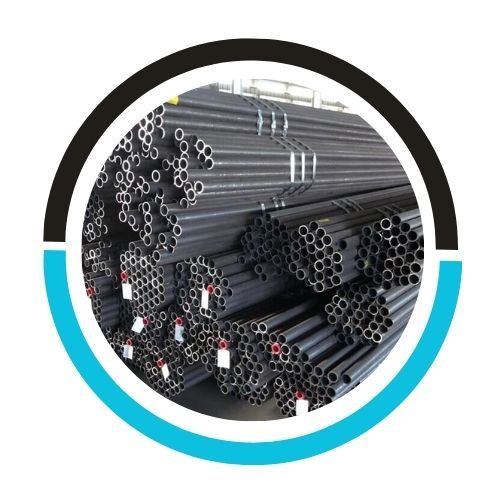
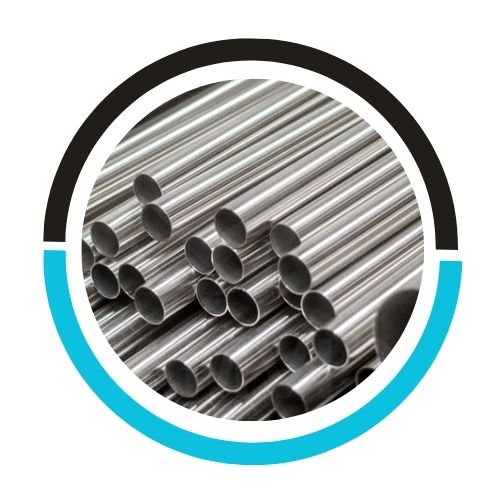
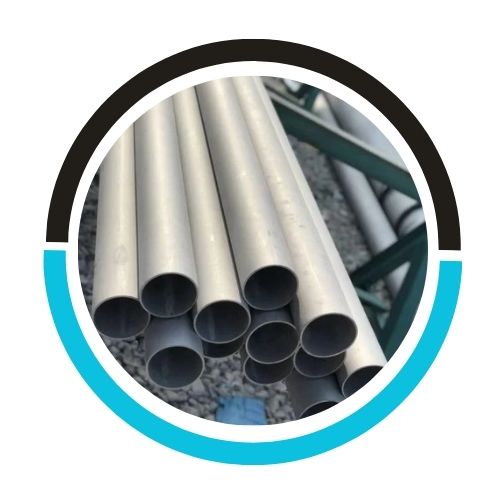
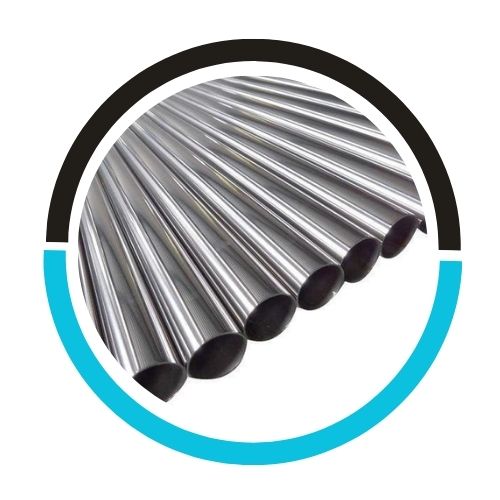
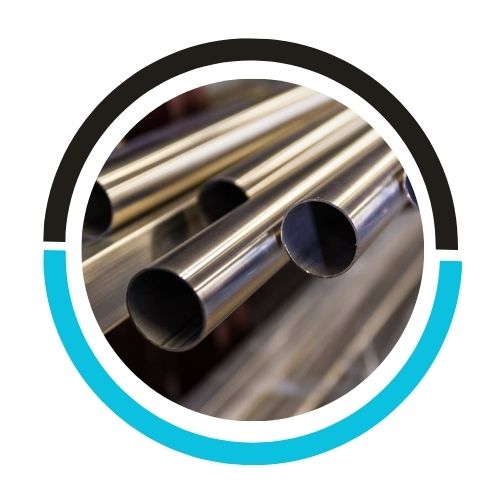
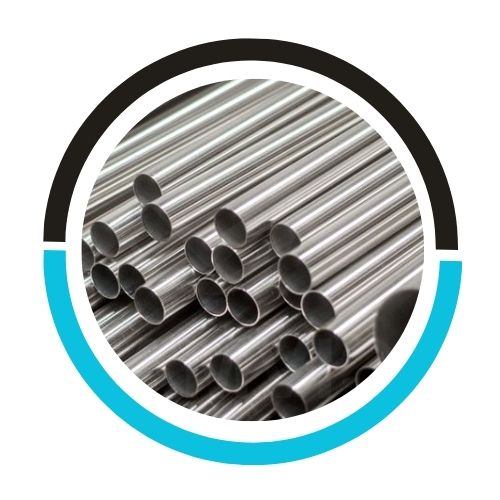
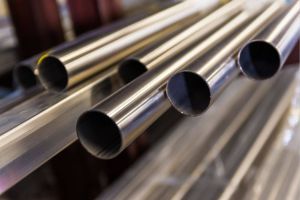
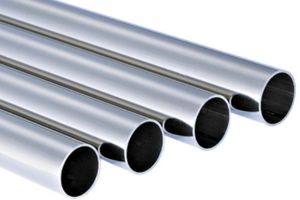
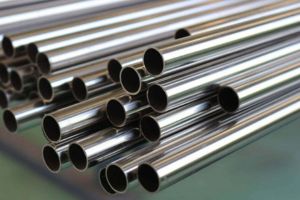
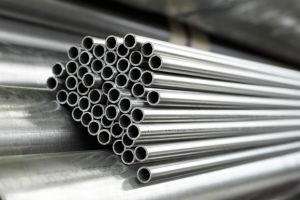
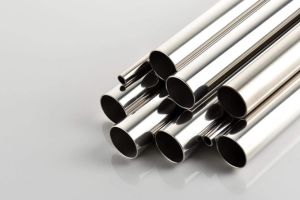
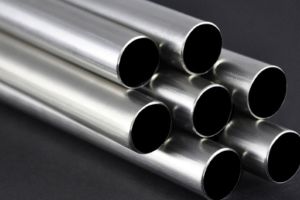
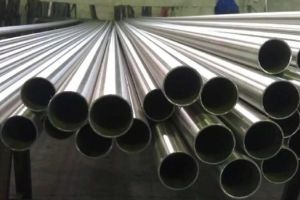
An Alloy Steel Tube is basically a tube crafted from alloyed steel, incorporating elements such as chromium, molybdenum, or nickel to enhance its mechanical properties. These pipes are custom-built for a wide range of industrial applications, offering exceptional strength, corrosion resistance, and enduring durability compared to conventional carbon steel tubes. Commonly used in settings with extreme temperatures and pressures, alloy steel tubes are essential in the oil and gas, petrochemical, and power generation industries. Their capacity to handle varied conditions and robust build make them the preferred option for demanding engineering projects where performance and reliability cannot be compromised.

Alloy Steel Tube Specifications

Dimensions

:

ASTM, ASME and API

Standard

:

ASTM / ASME SA213

Size

:

1/8″NB TO 30″NB IN

Specialized in

:

Large Diameter Size

Schedule

:

SCH20, SCH30, SCH40, STD, SCH80, XS, SCH60, SCH80, SCH120, SCH140, SCH160, XXS

Form

:

Round

Type

:

Seamless / Fabricated

Length

:

Single Random, Double Random & Cut Length.

End

:

Plain End, Beveled End, Threaded


Alloy Steel Tube Chemical Composition

Grade

UNS

C %

Mn %

P %

S %

Si %

Cr %

Mo %

T2

K11597

0.10-0.20

0.30-0.61

0.025 max

0.025 max

0.10-0.30

0.50-0.81

0.44-0.65

Alloy Steel GR. P1 Tube, CrMo Grade P1 Tube Exporter In Dammam, ASTM A335 P1 Seamless Tube, A335 GR. P1 Seamless Tubes Supplier In Riyadh

Alloy Steel Tube Mechanical Properties

Tensile Strength, MPa

Yield Strength, MPa

Elongation, %

Hardness, HB

415 min

205 min

30 min

163 max

Top Alloy Steel Tube Manufacturing Company in Sao Paulo

At Santossteel, we take pride in being the largest supplier and manufacturer in the Brazil, delivering advanced solutions for every piping requirement you have. Featuring modern production facilities strategically positioned throughout the Brazil, we maintain an extensive stock of more than 25,000 tons of top-quality materials kept ready and available in inventory.

Reach out to us for a fast quote on your requirement.

We supply these Alloy Steel Tube conforming to DIN, ISO, JIS or ANSI Standard.
ASTM A335 Grade P1 Seamless Tube Exporter In Saudi Arabia, ASTM 335 Gr. P1 Tube Stockist Saudi Arabia, ASTM A335 P1 CrMo Tube

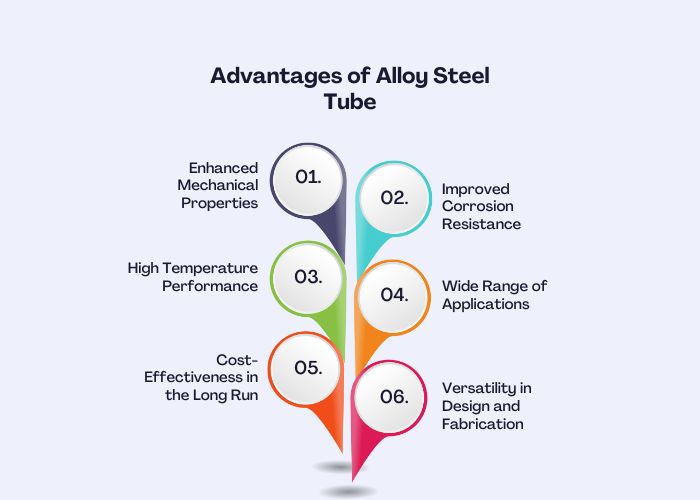
Advantages of Alloy Steel Tube

Pastel Colorful Steps of Digital Marketing Infographic Instagram Post (700 x 500 px) (13)
  1. Enhanced Mechanical Properties: Compared to conventional carbon steel tubes, alloy steel tubes deliver better mechanical characteristics, such as greater strength, hardness, and toughness.
  2. Improved Corrosion Resistance: Adding elements such as chromium, molybdenum, or nickel improves the corrosion resistance of alloy steel tubes, making them well suited for severe or corrosive settings.
  3. High Temperature Performance: Alloy steel tubes retain their structural integrity and mechanical characteristics under high temperatures, which makes them appropriate for use in high-temperature settings.
  4. Wide Range of Applications: Thanks to their versatility and dependability, alloy steel tubes are widely applied across many industries, including oil and gas, petrochemicals, power generation, automotive, aerospace, and construction.
  5. Cost-Effectiveness in the Long Run: Although the upfront costs may be higher, alloy steel tubes provide long-term savings owing to their durability, lower maintenance needs, and extended service life relative to carbon steel tubes.
  6. Versatility in Design and Fabrication: Alloy steel tubes can be readily customized and fabricated to satisfy particular design specifications, offering flexibility for engineering applications.

Types of Alloy Steel Tube

Alloy Steel Tube
Alloy Steel Seamless Tube
AISI Duplex Steel Pipe
Alloy Steel ERW Tube
SS 304 ERW Pipe
AISI Alloy Steel Tube
Alloy Steel Welded Tube
Alloy Steel Round Tube

Chrome Moly A335 P1 Tube Stockist In Jeddah, A335 Grade P1 Tube, ASTM A335 Grade P1 Seamless Tube Manufacturer & Exporter In Saudi Arabia.

Alloy Steel Tube Applications

Application Industry

Alloy Steel Tube uses are as varied as the sectors they support, led chiefly by the aerospace, railway, construction and automotive industries along with petrochemical, nuclear, medical, Oil & Gas, Chemical, Pharmaceutical, Food & Beverage, Nuclear, Thermal Power plants, Paper and Pulp, marine and mining, etc.

Oil and Gas Industry

Power Generation

Petrochemicals and Chemical Processing

Automotive and Transportation

  1. Oil and Gas Industry: Alloy steel tubes are widely applied in the exploration, production, and transport of oil and gas, thanks to their resistance to corrosive settings, capacity for high pressure, and capability to endure extreme temperatures across drilling operations, pipelines, and refineries.
  2. Petrochemicals and Chemical Processing: Alloy steel tubes serve a vital function in petrochemical and chemical processing facilities, where they are used to manage corrosive fluids, acids, and chemicals. Their corrosion resistance and strong performance at high temperatures render them indispensable for numerous uses like heat exchangers, reactors, and process piping.
  3. Power Generation: Within power generation plants, alloy steel tubes are employed for boiler tubes, steam pipes, and turbine parts owing to their capacity to endure high temperatures, pressures, and corrosive environments. They support the efficient and dependable functioning of power plants, such as coal-fired, nuclear, and thermal power stations.
  4. Automotive and Transportation: Alloy steel tubes are applied in the automotive and transportation sectors to produce components like chassis, suspension systems, drive shafts, and exhaust systems. Their considerable strength, impact resistance, and fatigue performance enhance the safety, durability, and efficiency of vehicles.
  5. Aerospace and Defense: Alloy steel tubes are used across aerospace and defense applications to build aircraft structures, landing gear, hydraulic systems, and missile components. Their combination of light weight and high strength makes them crucial for securing the performance and reliability of aerospace vehicles and defense systems.
  6. Construction and Infrastructure: Alloy steel tubes are applied in construction projects and infrastructure development for purposes such as structural supports, bridges, and building frameworks. Their durability, strength, and versatility enable the building of sturdy and enduring structures across a range of architectural designs.

How to Choose the Right Alloy Steel Tube

  1. Identify Application Requirements: Identify what your project specifically requires, including factors like pressure, temperature, resistance to corrosion, and mechanical characteristics.
  2. Understand Alloy Composition: Get to know the various alloy compositions and their features, such as elements including chromium, molybdenum, and nickel, so you can align them with what your application demands.
  3. Consider Corrosion Resistance: Select alloy steel tubes that offer corrosion resistance appropriate for the setting they will encounter, be it acidic, alkaline, or saline.
  4. Evaluate Mechanical Properties: Evaluate which mechanical characteristics your application calls for, such as strength, toughness, and ductility, and pick alloy steel tubes whose properties fulfill those demands.
  5. Check Temperature Compatibility: Establish the range of operating temperatures for your application and confirm that the chosen alloy steel tubes can endure those conditions without sacrificing performance.
  6. Size and Dimension Requirements: Take into account the size, wall thickness, and dimensions of the alloy steel tubes your project calls for, making sure they align with existing systems and structural needs.
  7. Cost and Budget Considerations: Weigh the cost-effectiveness of the various alloy steel choices while confirming they satisfy the required quality and performance benchmarks for your application.
  8. Consult with Experts: Consult metallurgical specialists or suppliers who focus on alloy steel tubes to obtain recommendations tailored to your particular needs and secure the ideal option for your project.

Are Alloy Steel Tubes Cost-effective?

Although alloy steel tubes might carry higher upfront costs than carbon steel tubes, they deliver long-term savings thanks to their durability, lower maintenance needs, and extended service life in demanding applications.

A335 Gr. P1 Tube Dealers In Brazil, A335 P1 Chrome Moly Tube, Alloy Steel ASTM A335 Grade P1 Seamless Tube Exporters In Rio de Janeiro.

FAQ (Frequently Asked Questions)

Are there any standards or specifications for Alloy Steel Tubes?

Yes, alloy steel tubes are produced in line with a range of industry norms and specifications, including ASTM, ASME, and API standards, to guarantee quality, performance, and safety across different applications.

What are the different types of Alloy Steel Tube configurations available?

Alloy steel tubes are available in a range of configurations suited to different uses. These configurations encompass seamless and welded tubes, featuring round, square, rectangular, and oval cross-sections. Specialty tubes such as hydraulic and heat exchanger tubes serve particular requirements, while instrumentation tubes deliver precision for control systems. Every configuration brings its own benefits, from the uniformity of seamless tubes to the structural strength of square tubes. Whether used for high-pressure settings, structural support, or fluid transfer, alloy steel tubes offer versatility and reliability across a broad spectrum of industries and applications.

Are Alloy steel tubes susceptible to galvanic corrosion?

Alloy steel tubes can be prone to galvanic corrosion when they come into contact with dissimilar metals under specific conditions. Galvanic corrosion happens when two different metals make electrical contact in the presence of an electrolyte, resulting in the accelerated deterioration of the less noble metal. To reduce galvanic corrosion, approaches such as adequate insulation, protective coatings, or the use of compatible materials in contact with alloy steel tubes should be applied. Furthermore, choosing alloy steel tubes with corrosion-resistant characteristics or using corrosion inhibitors can assist in preventing galvanic corrosion and preserving the integrity of the tubes across various applications.

Other Tube Material

Post Enquiry

Fill out the form below, and we will be in touch shortly.