Nickel Alloy Fasteners

Home > Nickel Alloy > Nickel Alloy Fasteners

Nickel Alloy Fasteners Manufacturer, Exporter and Supplier in Sao Paulo, Brazil

Nickel Alloy Fasteners in Sao Paulo, Nickel Alloy Bolts Exporter, Stud Bolt, Alloy Spring Washers in Rio de Janeiro, Nickel Alloy 201 Fasteners, Alloy Washers in Sao Paulo, Nickel 200 Anchor Bolts, DIN 2.4068 Screws, Ni Nuts, Nickel Alloy Fasteners Manufacturer in Rio de Janeiro, Brazil.

Table of Contents

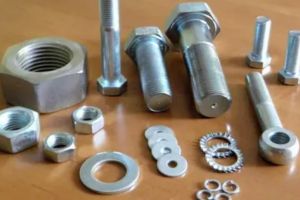
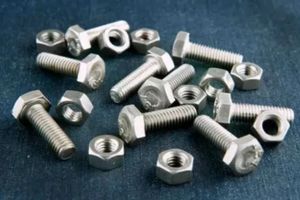
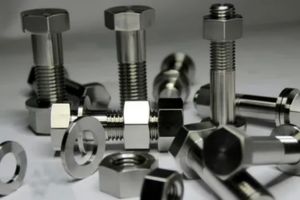
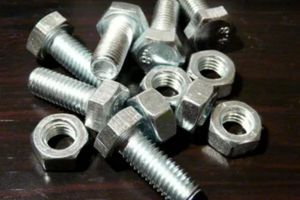
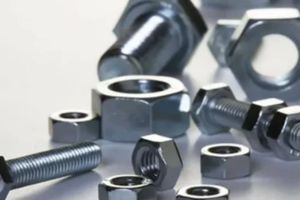
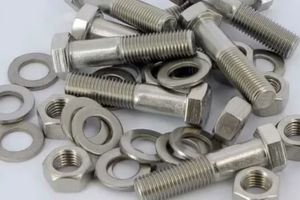
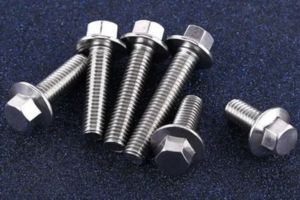
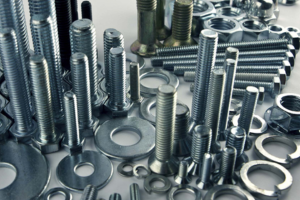
Nickel Alloy Fasteners are hardware parts like bolts, screws, nuts, washers, and studs manufactured from nickel-based alloys. These alloys generally have nickel as the main element along with other alloying elements including chromium, molybdenum, iron, and cobalt. Nickel alloy fasteners are recognized for their outstanding corrosion resistance, strength at high temperatures, and superior mechanical properties, which makes them well-suited for a range of industrial applications.

Nickel Alloy Fasteners Specifications

GradeNickel Alloy
SpecificationsASTM B 160/164, ASME SB 160/164
DimensionASTM, IS, BS and all International Standards
Length3mm to 200mm
SizeM02 to M33 | Custom Sizes
TypesBolts, Nuts, Washers, Anchor Fasteners, Stud Bolts, Eye Bolt, Stud, Threaded Rod, Cotter Pin, Socket Screw, Fine Fasteners & Spares, Foundation Fasteners, Hexagon Castle Nuts, Hexagon Domed Cap Bolts, Hexagon Thin Nuts etc

Nickel Alloy Fasteners Chemical Composition


GradeNiCMoMnSiFePSCuCr
Nickel 99.0 min0.15 max–0.35 max0.1 max0.4 max–0.01 max0.25 max–
Nickel Balance0.15 max–0.35 max0.35 max0.40 max–0.01 max0.25 max–

Nickel Alloy Threaded Stud Bolts Dealer in Rio de Janeiro, Nickel Hex Nuts Stockist in Sao Paulo, Nickel Hex Head Bolt, Nickel Flat Washer, Nickel Lock Washer Trader in Rio de Janeiro, Nickel Heavy Hex Nuts, DIN 2.4066 Socket Head Cap Screws Supplier in Sao Paulo, Brazil.

Nickel Alloy Fasteners Mechanical Properties

Element DensityMelting PointTensile StrengthYield Strength (0.2%Offset)Elongation
Nickel 8.9 g/cm31446 °C (2635 °F)Psi – 67000 , MPa – 462Psi – 21500 , MPa – 14845 %

Top Nickel Alloy Fasteners Manufacturing Company in Sao Paulo

At Santossteel, we take pride in being the largest supplier and manufacturer in the Brazil, delivering advanced solutions for every one of your piping requirements. Featuring modern production facilities strategically situated in the Brazil, we maintain an extensive stock of more than 25,000 tons of top-quality materials kept ready in inventory.

Nickel Alloy Fasteners Grades

Reach out to us for a fast quote tailored to your requirement.

We supply These Nickel Alloy Fasteners in accordance with DIN, ISO, JIS or ANSI Standard.
Nickel Alloy Fasteners, Nickel Alloy Nuts, Nickel Alloy Foundation Bolts in Rio de Janeiro, Nickel Alloy UNS N02200 Threaded Stud, Nickel Alloy Structural Bolts, Nickel Alloy Plain Washer Stockholder in Sao Paulo, Eye Bolt, Nickel Alloy 201 Hexagon Nut, Star Washers, Nickel Alloy Hex Head Screw in Sao Paulo, Nickel Alloy Fasteners Industrial Fasteners Manufacturers in Rio de Janeiro, Brazil.

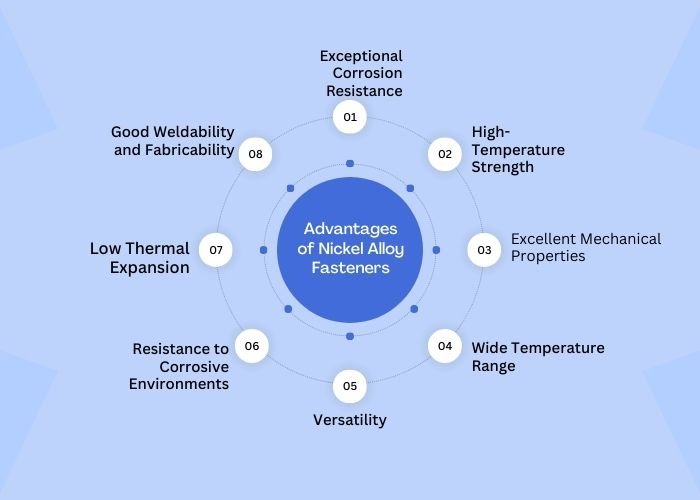
Advantages of Nickel Alloy Fasteners

Advantages of Nickel Alloy Fasteners
  1. Exceptional Corrosion Resistance: Nickel alloy fasteners deliver exceptional protection against corrosion, such as oxidation, pitting, and crevice corrosion, which makes them well-suited for demanding environments.
  2. High-Temperature Strength: Nickel alloy fasteners retain their mechanical characteristics under high temperatures, delivering superb strength and reliability in high-temperature uses.
  3. Excellent Mechanical Properties: Nickel alloys demonstrate strong tensile strength, durability, and flexibility, guaranteeing dependable performance when subjected to mechanical loads and stress.
  4. Wide Temperature Range: Nickel alloy fasteners can endure severe temperature swings, ranging from cryogenic to high temperatures, without weakening their mechanical properties.
  5. Versatility: Nickel alloy fasteners are applicable across numerous industries and uses, such as aerospace, chemical processing, oil and gas, marine, power generation, and automotive.
  6. Resistance to Corrosive Environments: Nickel alloy fasteners withstand corrosion caused by acids, alkalis, seawater, and other corrosive substances, making them appropriate for corrosive settings.
  7. Low Thermal Expansion: Nickel alloys possess a low coefficient of thermal expansion, lowering the chance of fastener loosening or failure from thermal cycling and fluctuations.
  8. Good Weldability and Fabricability: Nickel alloy fasteners are readily weldable and formable, enabling straightforward fabrication and assembly across various uses.

Types of Nickel Alloy Fasteners

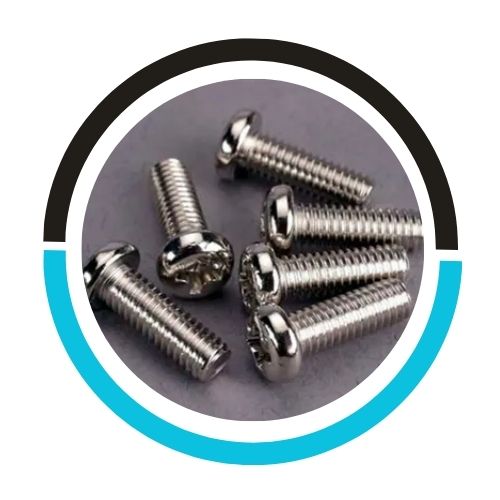
Machine Screws in Brazil
Nickel Alloy Machine Screws
Head Screw in Brazil
Nickel Alloy Head Screw
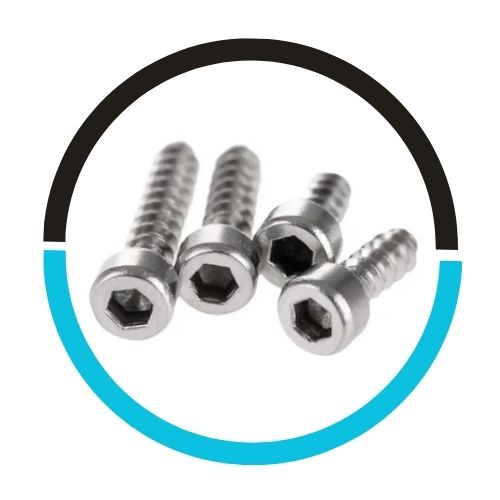
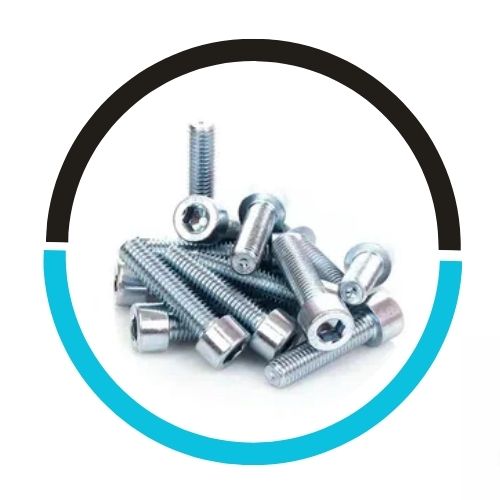
Socket Head Bolts in Brazil
Nickel Alloy Socket Head Bolts
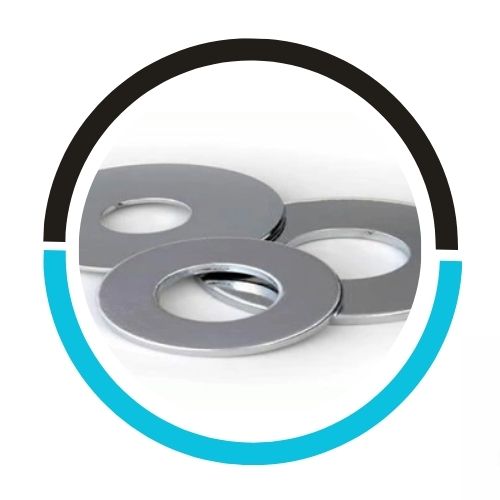
Washer in Brazil
Nickel Alloy Washer
Socket Weld Flanges in Brazil
Nickel Alloy Socket Weld Flanges
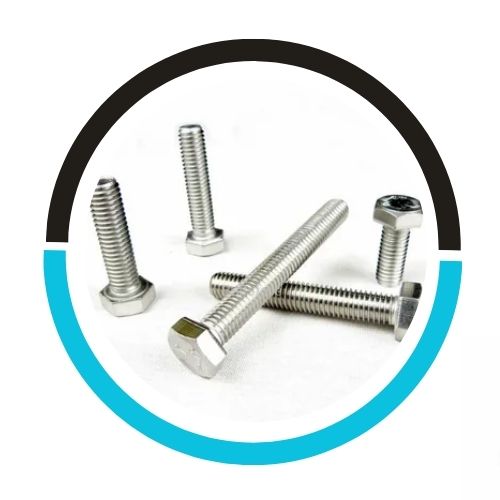
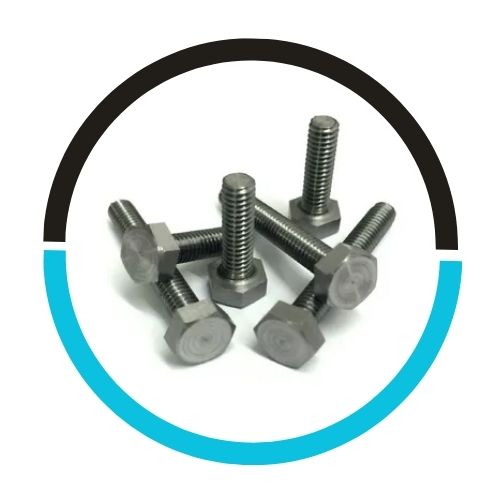
Nickel Alloy Hex Bolt

Nickel Alloy Nut, Nickel Hex Head Nut in Sao Paulo, Nickel Alloy Hex Cap Screws, Nickel Alloy Bolts and Screws in Rio de Janeiro, Nickel Alloy 201 Threaded Stud, Nickel Allot Eye Bolts, Nickel Alloy Lock Nut Supplier in Sao Paulo, Nickel Alloy Fasteners in Rio de Janeiro, Nickel Alloy Marine Anchors, Nickel Alloy Allen Cap Screw Supplier & Exporter in Sao Paulo, Brazil.

Nickel Alloy Fasteners Uses

Application Industry

Owing to their outstanding characteristics, nickel alloy fasteners are widely used throughout industry in numerous sectors. Made from nickel-based alloys, these fasteners play a vital role in a range of applications where dependability, resistance to corrosion, and mechanical strength are essential. Sectors like aerospace, chemical processing, oil and gas, marine, power generation, and automotive depend on Nickel alloy fasteners to fasten essential components in challenging conditions.

Oil & Gas Industry

Aerospace Industry

Chemical Processing

Power Generation Industry

  1. Aerospace Industry: Nickel alloy fasteners serve aircraft production and upkeep in structural parts, engine assemblies, and vital connections where high strength, corrosion resistance, and dependability are indispensable.
  2. Chemical Processing: Nickel alloy fasteners are applied in chemical processing facilities for equipment like reactors, vessels, pipelines, and valves, where they endure corrosive chemicals and elevated temperatures.
  3. Oil and Gas Industry: Nickel alloy fasteners are put to use in oil and gas exploration, production, refining, and transport for offshore platforms, pipelines, valves, and equipment subjected to corrosive conditions and high pressures.
  4. Marine Engineering: In marine settings, Nickel alloy fasteners serve shipbuilding, offshore structures, and marine equipment for parts exposed to seawater, including hulls, propellers, pumps, and valves.
  5. Power Generation: Nickel alloy fasteners are put to work in power generation sites such as thermal power plants, nuclear reactors, and renewable energy installations for boilers, turbines, generators, and heat exchangers exposed to high temperatures and pressures.
  6. Automotive Manufacturing: Nickel alloy fasteners are applied in automotive assembly for engine parts, exhaust systems, chassis structures, and suspension systems where corrosion resistance, strength, and dependability are essential.
  7. Electronics and Electrical Engineering: Nickel alloy fasteners are used in electronics and electrical equipment for connections, terminals, and grounding purposes owing to their outstanding electrical conductivity and corrosion resistance.
  8. Medical Devices: Nickel alloy fasteners are used to make medical devices and equipment such as implants, surgical instruments, and diagnostic devices thanks to their biocompatibility and corrosion resistance.
  9. Petrochemical Industry: Nickel alloy fasteners are put to use in petrochemical plants for processing equipment, storage tanks, and pipelines handling corrosive fluids like acids, alkalis, and hydrocarbons.
  10. Construction: Nickel alloy fasteners are employed for structural assemblies, bridges, and architectural elements subjected to corrosive conditions, extreme temperatures, and heavy mechanical loads.

How to Choose the Right Nickel Alloy Fasteners

  1. Identify Application Requirements: Identify the operating conditions—including temperature, pressure, corrosion exposure, mechanical loads, and other factors—that the fasteners will have to endure.
  2. Select the Suitable Nickel Alloy: Nickel alloy fasteners come in many grades, with each providing varying degrees of corrosion resistance, mechanical strength, and temperature stability. Select a grade that best fits the needs of your application.
  3. Consider Fastener Type and Configuration: Identify which fasteners are required (bolts, screws, nuts, washers, etc.) along with their specifications (size, thread type, head style, etc.) according to the particular assembly needs and structural considerations.
  4. Evaluate Corrosion Resistance: Take into account the setting in which the fasteners will operate and pick Nickel alloys with suitable corrosion resistance properties to endure corrosive chemicals, seawater, high temperatures, and other corrosive elements.
  5. Assess Mechanical Properties: Assess the mechanical properties needed for the application, such as tensile strength, yield strength, toughness, and flexibility, to confirm that the chosen Nickel alloy fasteners can handle the anticipated loads and stresses.
  6. Check Compatibility: Confirm compatibility with the other materials in the assembly to avoid galvanic corrosion or other kinds of material degradation. Think about applying isolation techniques or compatible coatings when necessary.
  7. Verify Standards Compliance: Verify that the chosen Nickel alloy fasteners comply with the relevant industry standards and specifications (e.g., ASTM, ASME) for quality, performance, and dimensional accuracy.
  8. Consider Cost: Weigh the cost of the fasteners against their performance and lifespan. Although Nickel alloy fasteners may carry a higher upfront cost than standard alloys, their better corrosion resistance and mechanical properties frequently lead to cost savings across the project’s lifespan.
  9. Consult with Experts: If you are unsure which Nickel alloy fasteners suit your application best, seek advice from engineers, metallurgists, or fastener selection specialists to obtain expert guidance and recommendations.
  10. Review Supplier Reputation: Select a trustworthy supplier or manufacturer with a proven history of delivering high-quality Nickel alloy fasteners and dependable customer support to guarantee product availability, consistency, and prompt delivery.

What types of Nickel alloys are used in fastener manufacturing?

Nickel alloys frequently used in fastener production include Inconel, Monel, and Hastelloy, with each providing distinctive properties and traits appropriate for particular applications.

Nickel Alloy Anchor Fasteners in Rio de Janeiro, Nickel Fasteners Stockist, Nickel Alloy Nuts, Nickel Alloy Fasteners Supplier in Sao Paulo, Nickel Alloy Machine Screws, Nickel Alloy Threaded rod, Nickel Alloy Screws, Nickel alloy Washer Supplier, Nickel Alloy Threaded rod in Rio de Janeiro, Nickel Alloy Nuts, ASTM A160 Nickel Alloy Fasteners in Sao Paulo, Nickel Alloy Wedge Type Anchor Bolts, Nickel Alloy Fasteners Manufacturer in Rio de Janeiro, Brazil

FAQ (Frequently Asked Questions)

Are Nickel alloy fasteners resistant to corrosion?

Yes, Nickel alloy fasteners demonstrate outstanding corrosion resistance across a broad spectrum of corrosive conditions, such as acids, alkalis, seawater, and elevated temperatures, which makes them perfect for deployment in demanding industrial settings.

Can Nickel alloy fasteners withstand high temperatures?

Yes, Nickel alloy fasteners retain their mechanical properties at high temperatures, which makes them well-suited for high-temperature uses like aerospace, power generation, and chemical processing.

Can Nickel alloy fasteners be welded?

Yes, Nickel alloy fasteners can be joined through suitable welding methods and filler materials to produce strong, dependable joints while preserving corrosion resistance and mechanical properties.

Nickel Alloy Fasteners Size Chart

SIZES

Nickel Alloy Fasteners Sizes 3/8″-16 x 1-1/4″ 3/8″-16 x 1″ Grade 18-8
1/2″-13 x 2″ 1/4″-20 x 1″ Grade 18-8
1/4″-20 x 1″ 3/8″-16 x 1-1/4″
1/4″-20 x 3/4″ Grade 18-8 5/8″-11 x 2″
1/2″-13 x 2″ 3/8″-16 x 1-1/2″
3/8″-16 x 1-1/2″ 3/8″-16 x 2″
1/2″-13 x 1-1/2″ 3/8″-16 x 1″
1/2″-13 x 1-1/2″ 5/8″-11 x 2-1/2″
5/8″-11 x 2″ 5/16″-18 x 1″
3/8″-16 x 1″ 1/4″-20 x 3/4″

Post Enquiry

Fill out the form below, and we will be in touch shortly.