Home > Nickel Alloy> Nickel Alloy Nuts
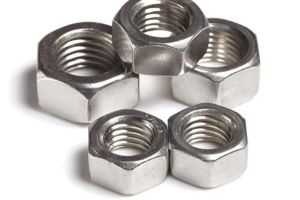
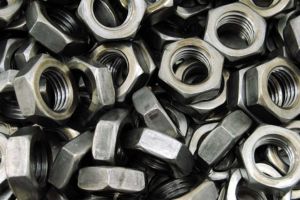
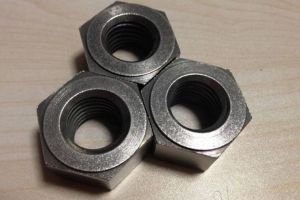
Set out on a path toward unmatched performance with our Nickel Alloy Nuts, prominently showcased on our product pages. We take great pride in offering a wide-ranging selection of premium solutions carefully designed to satisfy the diverse needs of many industries. Dive into a world of flexibility and dependability with our expertly engineered products, precisely fashioned to perform exceptionally across a broad range of industrial uses. Our Nickel Alloy Nuts feature precision engineering that complies with rigorous industry standards, ensuring durability and outstanding resistance to corrosion. As a reliable retailer, we place customer satisfaction first by providing adaptable options, competitive pricing, and prompt delivery. Whether for construction, manufacturing, or engineering projects, our Nickel Alloy Nuts provide unmatched performance, setting fresh standards for excellence and innovation. Our steadfast dedication to perfection strengthens your business with reliable solutions, ensuring success and peace of mind in every transaction.
| Specifications | ASTM B 160 ASME SB 160 |
| Standard | DIN, ASTM, BS and all International Standards |
| Length | 3 mm to 200 mm |
| Size | M3 – M56 | 3/6″ to 2″ | Custom Sizes |
| Type | Hex Head Bolts, Square Bolts, U bolts, Eye bolts, T bolt, Hex Bolt, Lag Bolts, Counter sunk Bolts, Hex Head nuts, Square nuts, Lock nuts, Eye nuts, wing nuts, T nuts, Panel Nuts, Coupling Nuts, Dome nuts, Acorn Nuts. |
|
Grade
|
Tensile Strength
|
Elongation
(% in 50mm) |
Yield Strength
(0.2%Offset) |
Melting Point
|
|---|---|---|---|---|
| Nickel |
Psi – 67000, MPa – 462
|
45 %
|
Psi – 21500, MPa – 148
|
1446 °C (2635 °F)
|
| Density | Melting Point | Yield Strength (0.2%Offset) | Tensile Strength | Elongation |
| 8.9 g/cm3 | 1446 °C (2635 °F) | Psi – 21500 , MPa – 148 | Psi – 67000 , MPa – 462 | 45 % |
At Santossteel, we take pride in being the largest supplier and manufacturer in the Brazil, delivering advanced solutions for every one of your piping requirements. With cutting-edge production facilities strategically situated in the Brazil, we maintain an extensive inventory of more than 25,000 tons of top-quality materials kept ready in stock.
Reach out to us to receive a fast quote for your requirement.
These Nickel Alloy Nuts are supplied by us in accordance with DIN, ISO, JIS or ANSI Standard.
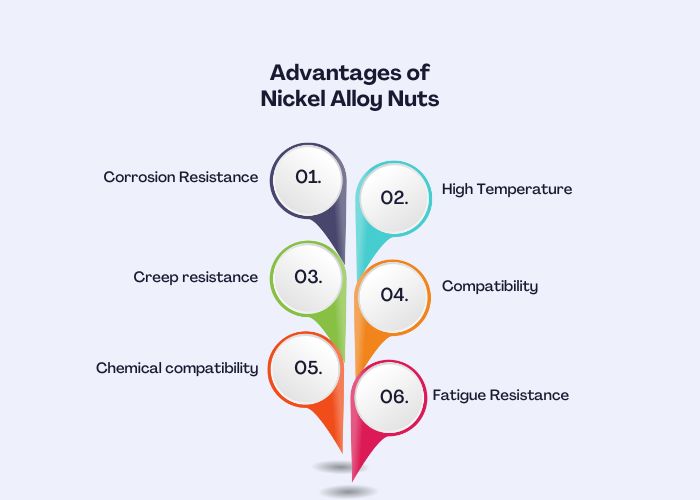
Corrosion resistance: Nickel alloys like Inconel and Monel offer outstanding corrosion resistance, which makes them well-suited for demanding environments, including the chemical sector, marine and aerospace industries around
High Temperature: These alloys keep their mechanical properties even at elevated temperatures, a quality that matters in applications like gas turbines, aerospace engines, and high-temperature machinery
Creep resistance: Nickel alloys show resistance to creep deformation when exposed to high temperatures and loads, guaranteeing long-term dependability under sustained stresses such as power generation and petrochemical processes
High mechanical characteristics: They bring together high strength, rigidity and flexibility to ensure reliability and structural integrity in extreme conditions.
Compatibility: Nickel alloys work well with a broad range of materials, including other metals and nonferrous metals, which enables their use across many industrial applications
Chemical compatibility: This compound tends to withstand a wide array of chemicals, acids and alkalis, making it appropriate for use in pharmaceutical industries and comparable environments
Stability of design: Nickel alloys hold their shape and dimensions even under extreme temperatures, lowering the chance of thickness variations or serious distortions
Low Magnetic Permeability: Certain nickel alloys display low magnetic permeability, which makes them well-suited for applications where magnetic interference matters, such as in electronics or medical devices
Fatigue Resistance: Nickel alloys typically deliver excellent fatigue resistance, a property that is important in applications involving cyclic loading, such as aerospace and automotive components
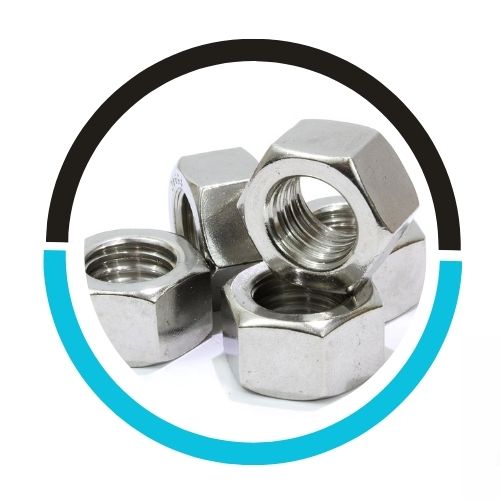
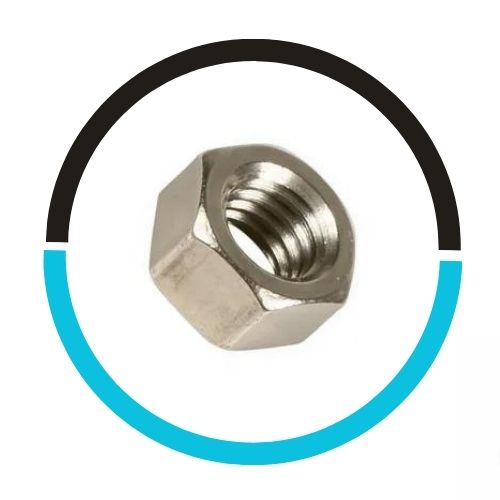
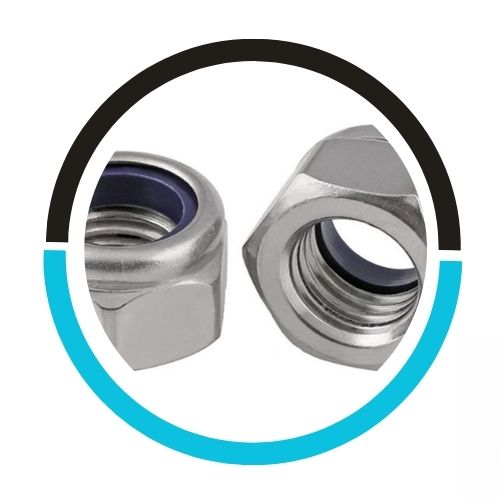
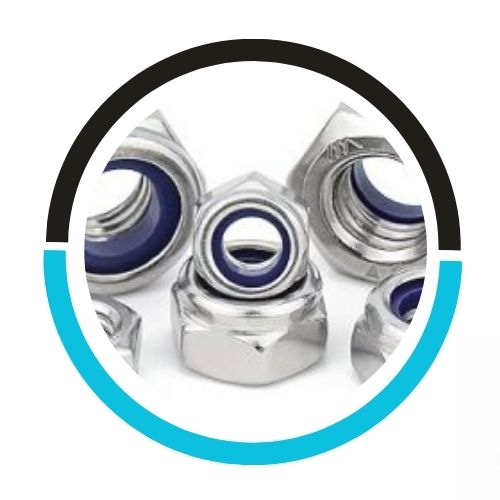
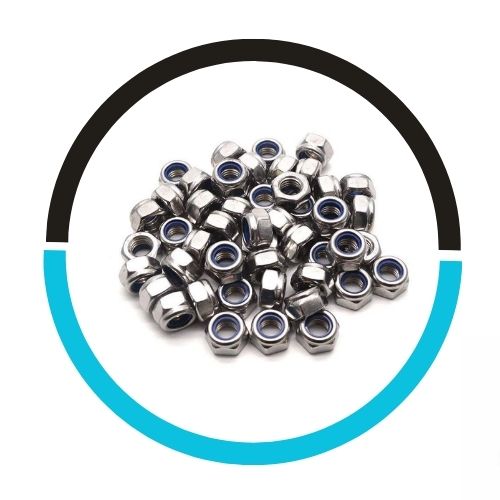
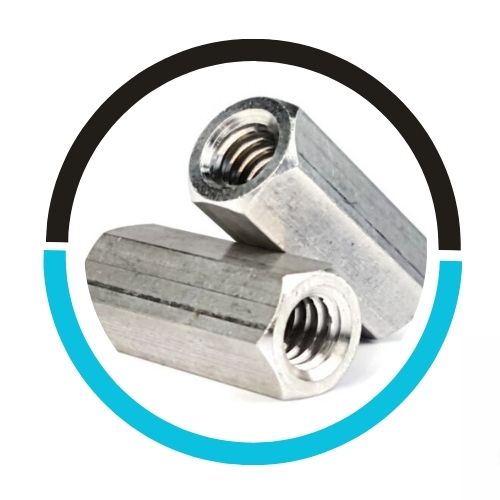
Nickel Alloy Nuts serve applications as varied as the industries that rely on them, driven chiefly by the aerospace, railway, construction and automotive industries along with petrochemical, nuclear, medical, Oil & Gas, Chemical, Pharmaceutical, Food & Beverage, Nuclear, Thermal Power plants, Paper and Pulp, marine and mining, etc.
Aerospace Applications: Nickel alloy nuts serve in aircraft engines, gas turbines and aerospace structures, where they must endure high temperatures, corrosion and stress
Chemical applications: Applied in chemical production plants that handle typical corrosive substances. The nickel alloy delivers outstanding corrosion resistance in aggressive chemical settings.
Oil and Gas Industry: Nickel alloys are employed in critical assemblies within oil refineries and offshore platforms, frequently found in tropical and high-humidity regions.
Power generation: Nickel alloys are applied in electrical equipment, particularly in uses such as boilers, steam turbines and heat exchangers, where they resist high temperatures and corrosion
Marine Applications: Owing to their resistance to saltwater corrosion, nickel alloy nuts are employed in marine settings such as shipbuilding, offshore drilling rigs and desalination plants
Automotive Industry: Nickel alloy nuts are used in exhaust systems, turbochargers and other high-temperature and corrosive gases within the automotive sector
Electronics: Nickel alloys are used in electronic components and devices, particularly in areas exposed to high temperatures and corrosive elements.
Medical Devices: Nickel alloy nuts are used in medical devices and equipment where corrosion resistance and biocompatibility are needed.
Chemical Industry: Nickel alloy nuts are used across various kinds of chemical processing equipment such as reactors, containers and piping systems thanks to their resistance to corrosive chemicals
Identify requirements: Understand the setting in which the fruit will be applied. Take into account requirements for temperature, pressure, corrosion resistance, and mechanical strength.
Compatibility: Nickel alloy nuts serve numerous industries, including aerospace, chemical processing and marine applications. Make sure the nut aligns with the material of the fasteners to avoid galvanic corrosion or other compatibility problems.
Corrosion Resistance: Nickel alloys are recognized for their resistance to corrosion. That said, various nickel alloys deliver varying corrosion resistance across different environments. Pick the appropriate corrosion-resistant nickel alloy for the particular application.
Heat resistance: Nickel alloys perform exceptionally well in high-temperature settings. Nonetheless, the thermal resistance may differ based on the blend composition. Confirm that the chosen nickel alloy nuts can endure the heat found in the application without losing performance.
Strength and toughness: Take into account the key mechanical properties of the product, including tensile strength, yield strength, and toughness. Pick nickel alloy nuts with the appropriate level of strength so they can bear the loads and stresses of service.
Size and thread specification: Pick nuts with the proper size and thread specification to guarantee compatibility with mating bolts or studs. Give careful consideration to thread pitch, thickness and direction to secure a proper fit and adhesion.
Certifications and Standards: Confirm that the nickel alloy nuts satisfy the industry standards and certifications relevant to your application. This guarantees that the walnuts are made in line with certain standards.
Supplier Reputation and Support: Opt for a reputable supplier that has a proven history of delivering high-quality nickel alloy nuts and outstanding customer support. A dependable vendor can offer technical assistance and guidance when selecting the right nuts for your application.
Yes, Nuts made from nickel alloy can be recycled. They can be melted down and repurposed to make new products, which makes them sustainable and eco-friendly choices for a range of applications.
Yes, Nickel alloy nuts are suitable for underground use, as long as they provide adequate corrosion resistance to endure the particular environmental conditions and possible contact with moisture and other corrosive substances.
Installing nickel alloy nets requires attention to several factors, such as preparing the surface, achieving correct sizing and fit, guarding against corrosion, providing sufficient support, and adhering to safety standards and environmental regulations.
Nickel alloy nuts come in a range of configurations such as hex nuts, square nuts, flange nuts, nylon insert lock nuts, jam nuts, wing nuts, and cap nuts. Every configuration provides distinct characteristics well-suited to different applications and installation needs.
Email: sales@santossteel.com