Home > Copper Nickel > Copper Nickel Nuts
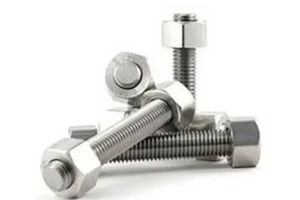
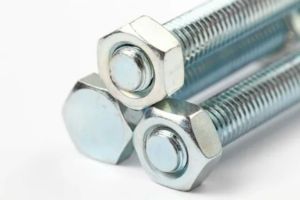
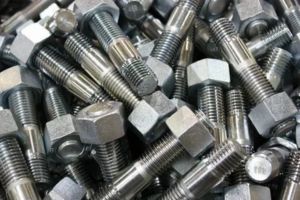
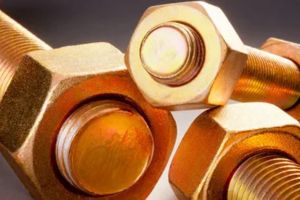
Set sail toward exceptional reliability and efficiency with our Copper Nickel Nuts, prominently featured across our product pages. We provide a broad selection of top-tier solutions carefully designed to satisfy countless industrial needs. Enter a world of versatility and strength with our thoughtfully engineered products built for a wide array of industrial uses. Our products feature precisely developed designs that comply with the toughest industry standards, prioritizing durability and resistance to corrosion. As a dependable supplier, client satisfaction remains our foremost priority, demonstrated by our adaptable choices, competitive rates, and fast delivery services. Whether in marine, chemical, or offshore sectors, our Copper Nickel Nuts represent excellence and innovation, providing superior performance. Our unwavering dedication to perfection strengthens your business with dependable solutions, guaranteeing success and confidence in every deal.
|
Material |
Specification |
Standards |
Size
|
|
Cupro Nickel |
ASTM |
ASTM B151, B152 |
M10 to M100 |
Element | Density | Melting Point | Tensile Strength | Yield Strength (0.2%Offset) | Elongation |
Cupro Nickel | 0.323 lb/in3 at 68 F | 2260 F | 50000 psi | 20000 psi | 30 % |
Grade | Cu | Mn | Pb | Ni | Fe | Zn |
Cupro Nickel | 88.6 min | 1.0 max | 0.05 max | 9-11 max | 1.8 max | 1 max |
At Santossteel, we take pride in being the largest supplier and manufacturer in the Brazil, delivering advanced solutions for all your piping requirements. With cutting-edge production facilities strategically situated in the Brazil, we maintain an extensive inventory of more than 25,000 tons of top-quality materials kept ready in stock.
Reach out to us for a fast quote tailored to your needs.
We supply these Copper Nickel Nuts in accordance with DIN, ISO, JIS or ANSI Standard.
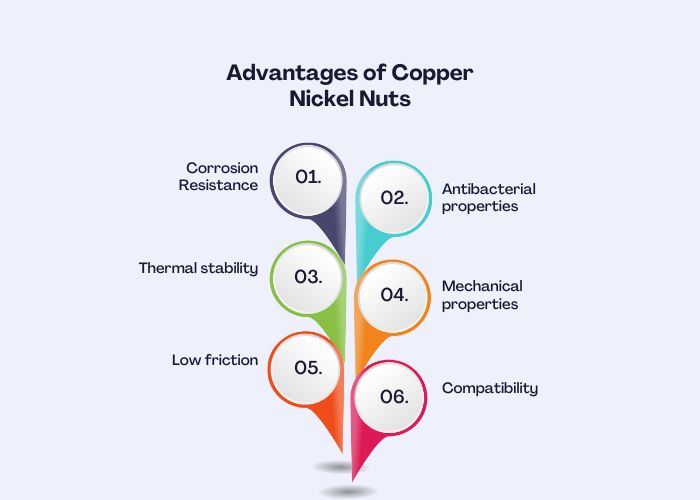
Corrosion Resistance: Copper-nickel alloys, usually containing 10-30% nickel, offer outstanding resistance to corrosion in seawater and many other harsh environments; this makes it well suited for marine and offshore uses.
Antibacterial properties: Copper and its alloys, including copper and nickel, possess inherent antibacterial qualities. This makes them appropriate for use in sanitary settings such as hospitals and food processing plants.
Thermal stability: Copper and nickel alloys display outstanding thermal stability, keeping their mechanical properties across a range of temperatures. This makes them appropriate for use at both high and low temperatures.
Mechanical properties: Copper-nickel alloys possess outstanding mechanical properties, including high tensile strength and flexibility. This makes it easy to handle and appropriate for a range of applications.
Low friction: Copper-nickel alloy has a low coefficient of friction, cutting down on moving parts. This makes them appropriate for use where minimizing friction is necessary.
Compatibility: Copper Nickel Alloy works well with numerous other materials, including steel, aluminium and plastic. This provides versatility and is appropriate for a range of applications.
Easy to manufacture: Copper-nickel alloys are readily produced through conventional machining, welding and brazing. This makes it cost-effective and appropriate for mass production.
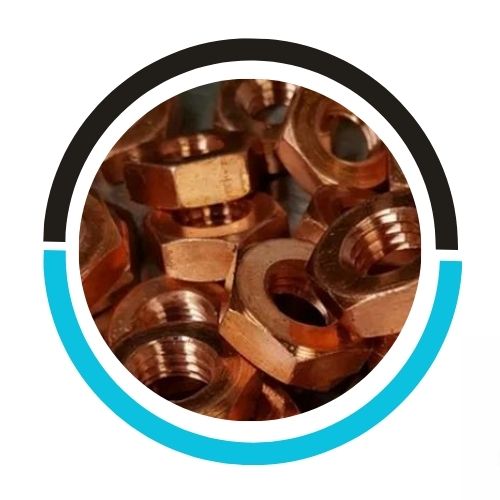
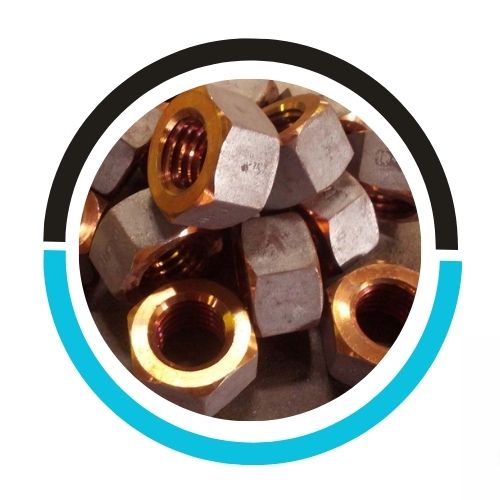
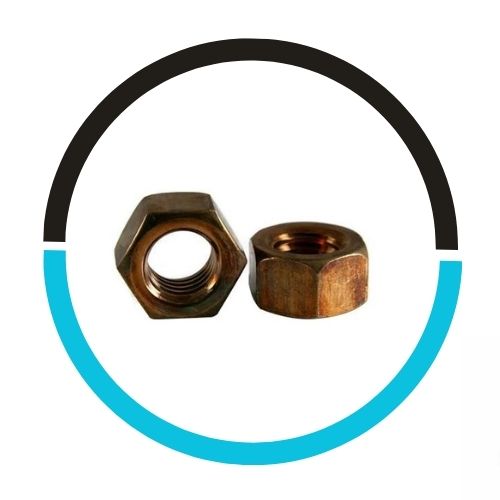
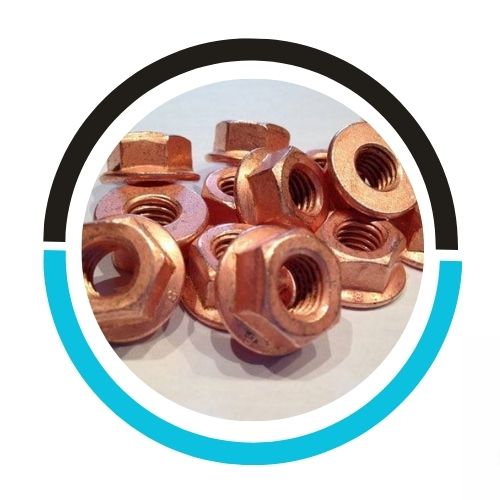
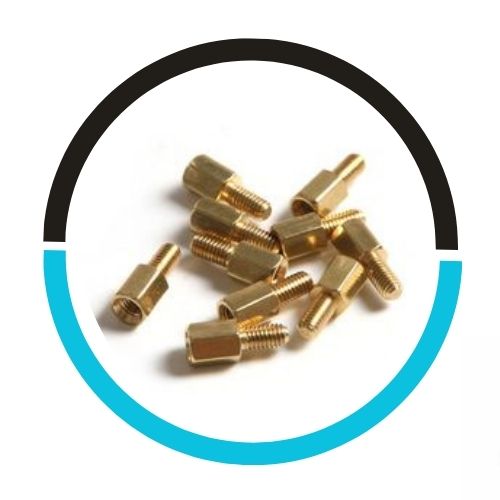
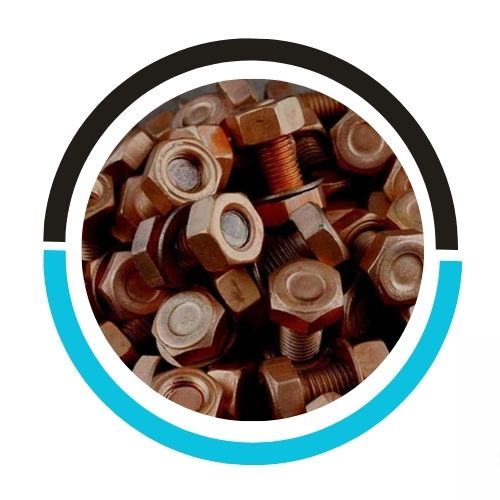
Copper Nickel Nuts have applications that are as varied as the industries they cater to, driven mainly by the aerospace, railway, construction and automotive industries along with petrochemical, nuclear, medical, Oil & Gas, Chemical, Pharmaceutical, Food & Beverage, Nuclear, Thermal Power plants, Paper and Pulp, marine and mining, etc.
Marine applications: Copper-nickel bars resist corrosion, particularly in marine settings. They are broadly applied in shipbuilding, offshore oil platforms and other marine structures.
Chemical applications: Because copper-nickel walnuts resist corrosion, they are well suited for chemical plants that handle conventional corrosive chemicals
Power generation: Owing to their resistance to corrosion and biofouling of piping systems, heat exchangers and condensers, copper-nickel rods serve in power plants, especially those where seawater is humid.
Desalination plants: Desalination plants generally rely on copper-nickel rods for their pipes and equipment thanks to their resistance to seawater corrosion
Heat exchangers: Copper-nickel rods find use in heat exchangers that call for resistance to corrosion together with heat transfer.
Oil and Gas Industry: Within the oil and gas industry, copper and nickel nuts appear in pipeline and valve fittings, particularly in offshore installations set in harsh marine environments
Automotive Industry: Copper-nickel plates go into brake lines and hydraulic systems because of their resistance to corrosion and high temperatures in automobiles
Processing Water: Copper-nickel rods are applied in detergent areas for piping and equipment that contacts treated water.
Materials: Copper-nickel nuts come in various grades, including CuNi 90/10 (90% copper, 10% nickel) and CuNi 70/30 (70% copper, 30% nickel). Identify the appropriate grade based on your application factors, including corrosion resistance, strength, and drainage requirements.
Corrosion resistance: Copper-nickel alloy offers high corrosion resistance, which makes it well suited for marine and demanding environments. Take into account the level of corrosion resistance your application demands and select a copper-nickel alloy to match.
Heat resistance: Review the thermal performance of your application. Copper-nickel alloys deliver outstanding thermal stability, though it is important to confirm that the chosen alloy falls within the thermal tolerance range.
Thread size and diameter: Select copper nickel nuts with a thread size and diameter that guarantee compatibility with mating bolts or studs. Matching the formula specifications precisely is essential to prevent compatibility issues.
Strength and Complexity: Assess the mechanical strength and complexity requirements of your application. Copper-nickel alloys display outstanding strength and flexibility, although these properties can differ across various compositions. Select the strength grade required for your application.
Conductivity: Copper and nickel alloys offer outstanding electrical conductivity, which makes them well suited for electronic applications. If your application calls for electrical input, confirm that the chosen product provides the required voltage.
Yes, Copper Nickel nuts can be recycled. They can be melted down and repurposed to make new products, aiding sustainability and resource conservation efforts.
Yes, Copper Nickel nuts can be joined through suitable welding methods and materials matched to the particular alloy composition to guarantee strong and dependable connections
Yes, Copper Nickel nuts work well for hygienic and sanitary uses thanks to their ability to withstand corrosion, bacteria, and biofouling. They see frequent use in sectors like food processing, pharmaceuticals, and marine settings where cleanliness matters most.
Copper Nickel nuts are typically unsuitable for structural applications because their mechanical strength is lower than that of steel alloys. Their main use comes from outstanding corrosion resistance in settings where that characteristic matters most.
Email: sales@santossteel.com