Home > Copper Nickel > Copper Nickel Bolts
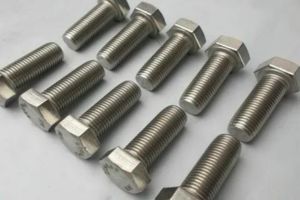
Set out on a path toward unmatched performance with our Copper Nickel Bolts, prominently displayed on our product pages. We provide a broad selection of top-tier solutions carefully designed to satisfy varied industrial requirements. Enter a world of flexibility and dependability with our carefully engineered products suited to a vast range of industrial uses. Our products showcase precisely developed designs that comply with rigorous industry standards, highlighting longevity and outstanding resistance to corrosion. As a reliable supplier, client satisfaction remains our top concern, evident in our adaptable choices, competitive rates, and fast delivery services. Whether for construction, manufacturing, or engineering projects, our Copper Nickel Bolts embody excellence and innovation, providing superior performance. Our steadfast dedication to perfection strengthens your business with dependable solutions, guaranteeing success and confidence in every deal.
| Grade | Cupro Nickel 70/30 (UNS C71500) |
| Specifications | ASTM / ASME SB 151, SB 152 |
| Standards | DIN, ASTM, BS and all International Standards |
| Length | UPTO 5 METERS |
| Size | M4 To M100 | Custom Sizes |
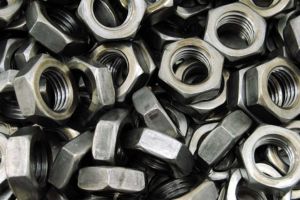
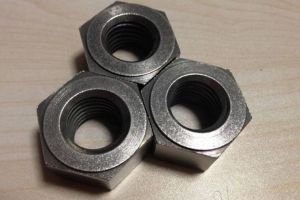
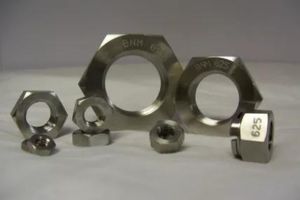
| Form | Nuts, Bolts, Washers, Screw |
| Types | Hex Bolts, Flange Bolts, Hex Head Bolts, Lag Bolts, Square Bolts, Eye Bolts, U Bolts, T Bolts, Counter sunk Bolts, Hex Head Nut, Eye Nut, Dome Nut, Coupling Nut, Square Nut, Acorn Nut,Hex Head Cap Screws, Socket Set Screws, Anchor Screws, Socket Head Screws, Concrete Screws, Shoulder Screws, Threaded Screws, Machine Screws, Machine Washers, Flat Washer, Star Washers, Sealing Washer, Lock Washer etc. |
| Element | Density | Melting Point | Tensile Strength | Yield Strength (0.2%Offset) | Elongation |
| Copper Nickel | 0.323 lb/in3 at 68 F | 2260 F | 50000 psi | 20000 psi | 30 % |
At Santossteel, we take pride in being the largest supplier and manufacturer in the Brazil, delivering advanced solutions for all your piping requirements. With modern production facilities strategically situated in the Brazil, we maintain an extensive inventory of more than 25,000 tons of top-quality materials kept ready in stock.
Reach out to us for a fast quote tailored to your requirement.
We supply these Copper Nickel Bolts in accordance with DIN, ISO, JIS or ANSI Standard.
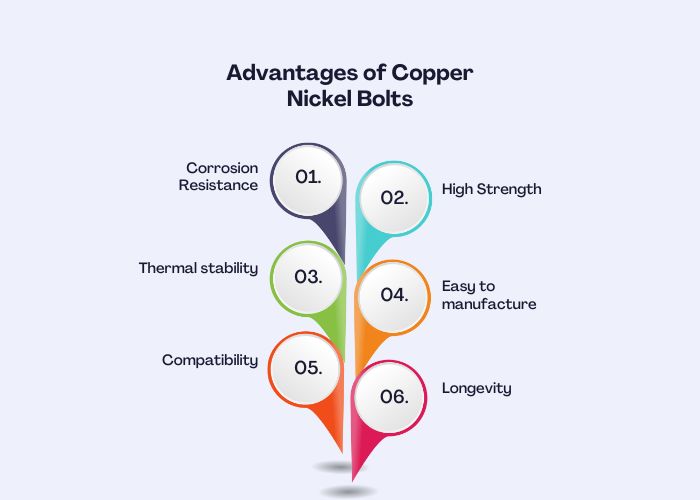
Corrosion resistance: Copper-nickel bolts offer excellent resistance to corrosion, particularly in seawater conditions. This characteristic makes them well suited for marine products, where contact with salt water can speed up the deterioration of other products.
Biological resistance: Beyond withstanding salt water, copper-nickel bolts also resist biological buildup such as barnacles and algae. This lowers the need for regular cleaning and upkeep, particularly in structures submerged in seawater.
High strength: Copper-nickel alloys typically possess strong mechanical properties, strength, and flexibility. This guarantees that the copper-nickel wires can endure heavy loads and stresses without failing.
Thermal stability: Copper-nickel bolts maintain their mechanical properties across a broad range of temperatures, making them fit for use in both hot and cold settings with minimal corrosion
Easy to manufacture: Copper-nickel alloys can be readily produced through standard techniques like machining, welding, and fabrication, and custom bolts are designed to match specific applications.
Longevity: Thanks to their resistance to corrosion and biological contamination, copper-nickel bolts last longer than bolts made from other materials. This raises the maintenance cost, and downtime over the life of the equipment or structure is lowered.
Compatibility: Copper-nickel alloys work well with many other materials frequently used in marine and corrosive environments, such as stainless steel and various polymers. This permits the spatial fabrication of composite structures made with various essential materials.
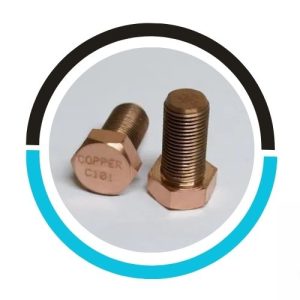
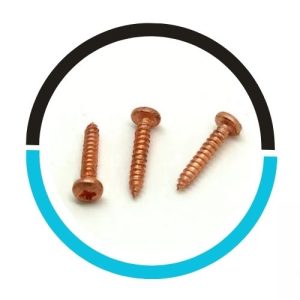
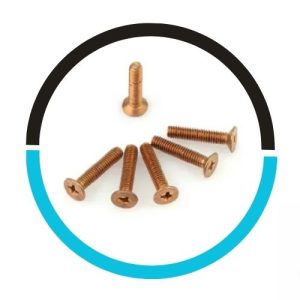
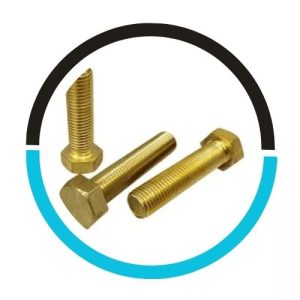
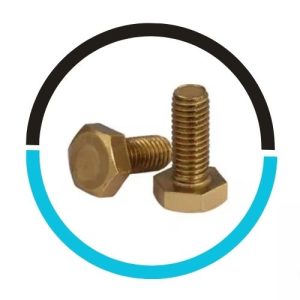
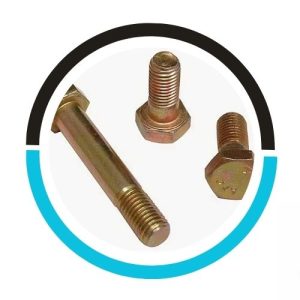
Copper Nickel Bolts serve applications as varied as the industries that rely on them, led chiefly by the aerospace, railway, construction and automotive industries along with petrochemical, nuclear, medical, Oil & Gas, Chemical, Pharmaceutical, Food & Beverage, Nuclear, Thermal Power plants, Paper and Pulp, marine and mining, etc.
Marine applications: Copper-nickel bolts offer excellent resistance to corrosion, which makes them well suited for marine settings. They are frequently applied in shipbuilding, offshore platforms and marine pipeline systems.
Power generation: Bolts of this kind are employed in power plants, particularly in systems handling water or steam, including condensers, heat exchangers and cooling systems
Oil and Gas Industry: Within the oil and gas sector, lead and nickel bolts serve in pipelines, valves and fittings where resistance to corrosion is needed
Chemical applications: Because they withstand a range of chemicals, copper-nickel bolts are used for equipment and piping systems in chemical plants
Desalination equipment: Bolts produced from lead and nickel alloy are widely applied in desalination equipment where seawater and brine occur.
Heat Exchangers: Copper-nickel bolts work well in heat exchangers operating at high temperatures and in hot climates
Medical Equipment: Copper-nickel bolts can serve in certain medical uses, particularly where resistance to corrosion and bacterial control are wanted
Renewable Energy: They can additionally be applied in renewable energy such as wave and tidal power systems where seawater exposure cannot be avoided
Automotive Industry: Copper-nickel bolts are applied in automotive parts requiring resistance to corrosion and temperature, such as air filters
Variations: Copper-nickel bolts come in variants like C70600 (90/10) and C71500 (70/30). Select the grade according to corrosion resistance, mechanical characteristics, and cost.
Corrosion Resistance: Take into account how much corrosion the bolts will face. Copper-nickel alloys are recognized for their outstanding resistance to seawater, salt, and a range of corrosive chemicals. Pick a grade with the right corrosion resistance for your particular application.
Strength Requirements: Identify the mechanical properties required for your application, such as tensile strength, yield strength, and stiffness. A higher nickel content typically leads to greater strength and hardness.
Heat stability: If the bolts will be exposed to high temperatures, make sure the chosen grade can retain its mechanical properties under such conditions.
Size and Dimensions: Establish the suitable size, length, and thread type of bolts based on the mating components outlined in the design specifications.
Standards and Specifications: Make sure the bolts comply with relevant industry standards and specifications such as ASTM, ASME, or DIN to guarantee quality and conformity.
Budget Considerations: Weigh the bolts cost against your application’s performance needs. Although higher-quality compounds may deliver better results, they can also come at a greater expense.
Supplier Name: Select a trustworthy supplier or manufacturer recognized for producing high-quality copper-nickel bolts. Check research, testimonials, and track record to confirm credibility.
Consultation: If in doubt, seek advice from experts or engineers who specialize in materials and corrosion to help you pick the most fitting copper nickel bolt for your specific application.
Yes, Copper nickel bolts can be recycled. Copper and nickel are both metals with excellent recyclability, and their alloys, such as copper nickel, can be melted and repurposed to create new materials while retaining nearly all of their original properties, which makes them eco-conscious options for a range of uses.
Copper nickel bolts generally are not drawn to magnets since they are non-magnetic alloys. That said, they might show minor magnetic behavior based on their makeup and how they are processed.
When installing copper nickel bolts, take into account elements such as correct torque specifications to prevent over-tightening, which may cause material damage or failure. On top of that, verify compatibility with the other materials in the assembly to avoid galvanic corrosion. Adhere to manufacturer guidelines for installation methods and employ suitable tools to preserve integrity.
Copper nickel bolts are typically not the go-to choice for structural uses where high strength matters most. Although they provide outstanding corrosion resistance, they don’t possess the mechanical properties required to support structures. In these cases, materials such as steel or stainless steel bolts are usually selected because of their greater strength and load-bearing capacity.
Email: sales@santossteel.com