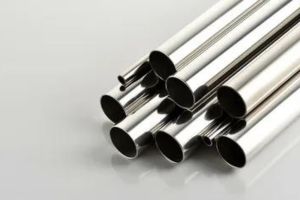
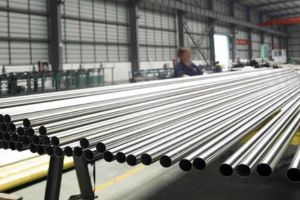
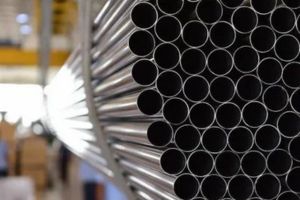
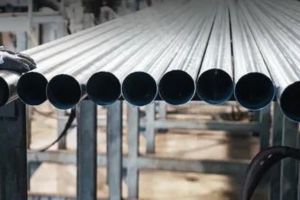
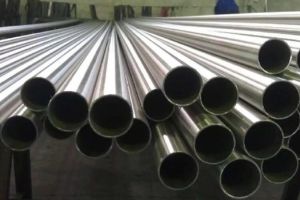
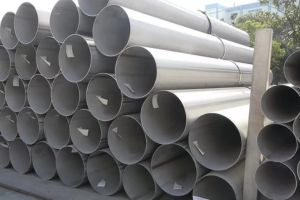
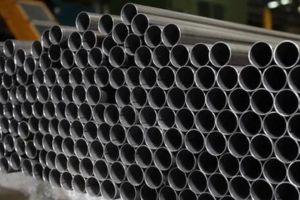
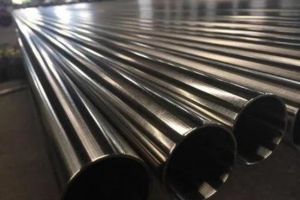
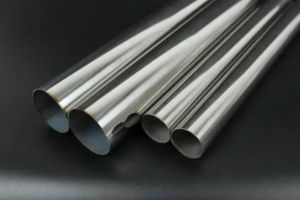
Discover the pinnacle of quality across our product pages, where an extensive range of premium-grade Inconel 625 pipes is ready for you to explore. Dive into the versatility of these carefully crafted pipes, engineered to satisfy the varied needs of numerous industrial applications. We put the spotlight on precision-engineered pipes, guaranteeing unwavering compliance with the toughest standards of durability and corrosion resistance. As your trusted supplier, we give top priority to customer satisfaction, providing customizable options, competitive pricing, and swift delivery. Whether bound for aerospace, chemical processing, or marine environments, our Inconel 625 pipes exceed the highest industry benchmarks. Enhance your projects with our dependable and innovative solutions, supported by a steadfast commitment to quality and performance.
| Standard | ASTM B444, B705 / ASME SB 444, SB 705 |
| Standard | ASTM, ASME and API |
| Size | 15 NB UP TO 600 NB IN SCH 5S, 10S,10, 20, 40S, 40, STD, 60, 80S, 80, XS, 100, 120, 140, 160 & XXS |
| Length | Single Random, Double Random & Required Length, Cut Length |
| End | Plain End, Beveled End, Treaded |
| Element | Density | Melting Point | Tensile Strength | Yield Strength (0.2%Offset) | Elongation |
|---|---|---|---|---|---|
| Inconel 625 | 8.4 g/cm3 | 1350 °C (2460 °F) | Psi – 1,35,000 , MPa – 930 | Psi – 75,000 , MPa – 517 | 42.5 % |
| Grade | C | Mn | Si | S | Cu | Fe | Ni | Cr |
|---|---|---|---|---|---|---|---|---|
| Inconel 625 | 0.10 max | 0.50 max | 0.50 max | 0.015 max | – | 5.0 max | 58.0 min | 20.0 – 23.0 |
At Santossteel, we take pride in being the largest supplier and manufacturer in the Brazil, delivering advanced solutions for every piping requirement you have. With cutting-edge manufacturing facilities strategically positioned in the Brazil, we maintain an extensive stock of more than 25,000 tons of top-grade materials always ready and available.
Reach out to us for a fast quote tailored to your requirement.
We supply these Inconel 625 pipes in accordance with DIN, ISO, JIS or ANSI Standard.
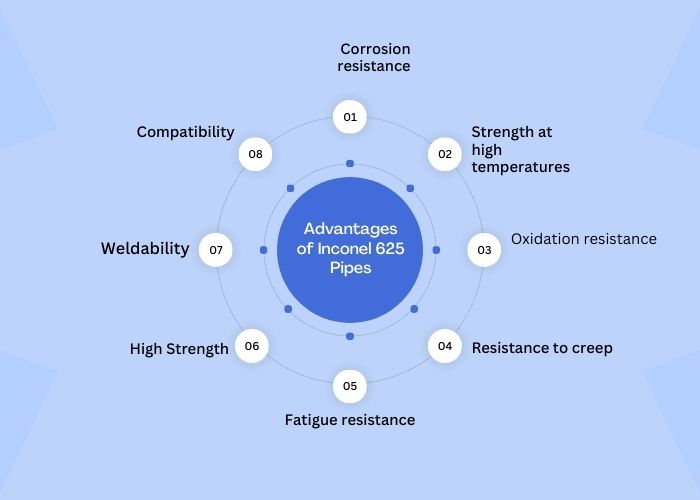
Corrosion resistance: Inconel 625 pipes offer outstanding resistance to corrosion, particularly in settings containing acids, alkalis, and salts. This makes them well-suited for chemical, marine, aerospace and aerospace uses.
Strength at high temperatures: These pipes hold onto their strength and integrity at elevated temperatures, reaching up to 1800°F (982°C). This makes them perfect for use in hot settings like the aerospace and electrical industries.
Oxidation resistance: Inconel 625 pipe shows excellent oxidation resistance even in harsh conditions. This characteristic makes them appropriate for use in settings where oxidation is a concern.
Resistance to creep: The alloy’s properties deliver excellent resistance to creep, which is material that shifts slowly under constant loading at high temperatures. This characteristic is particularly beneficial in high-temperature uses.
Fatigue resistance: Inconel 625 pipe has outstanding fatigue resistance, making it well-suited for cyclical uses, such as turbine blades and other high-stress applications
High Strength: Despite its excellent flexibility, Inconel 625 possesses high tensile strength, allowing the use of thin walls in piping systems to cut down weight and cost
Weldability: Inconel 625 pipes can be welded with conventional welding methods without needing heat treatment before or after welding. This makes it simpler to build and install.
Compatibility: These pipes work well with a broad range of materials, including metals and other alloys, making them versatile for varied applications
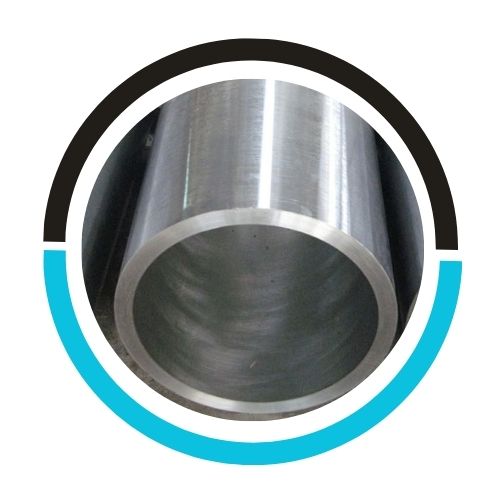
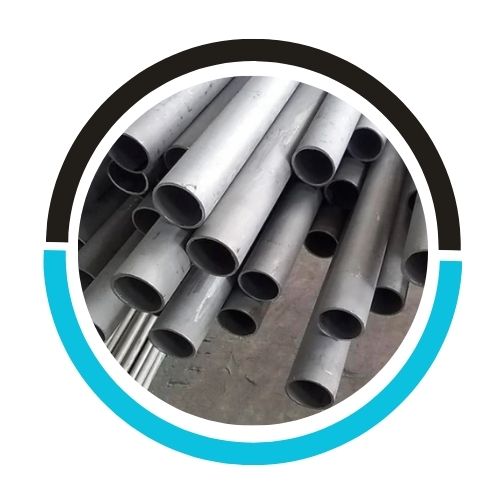
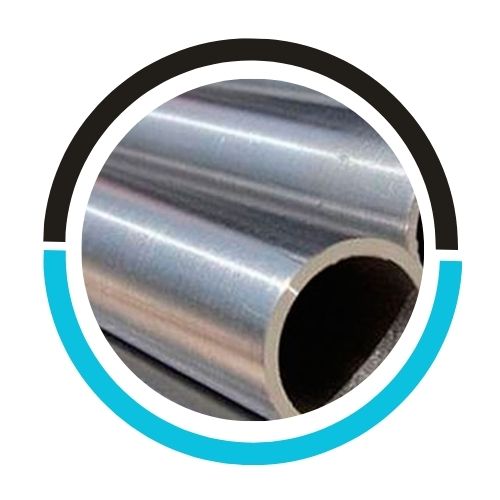
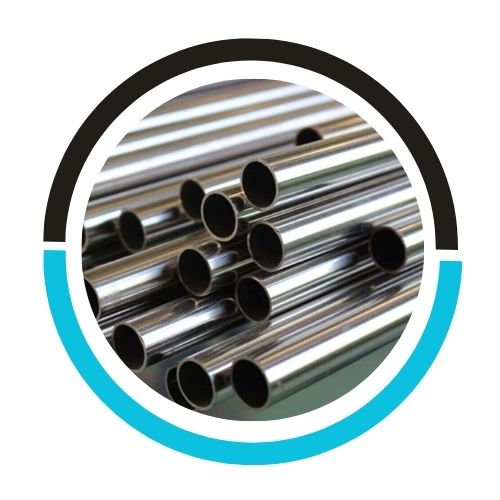
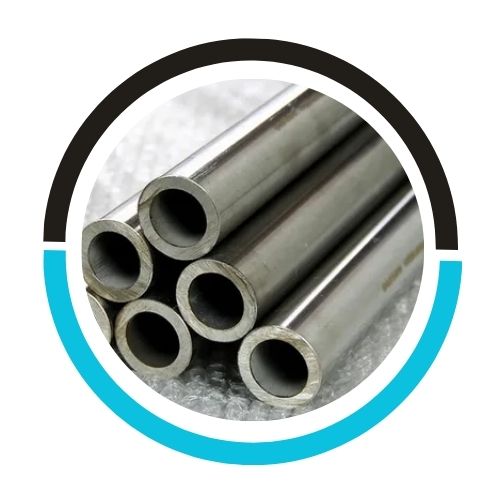
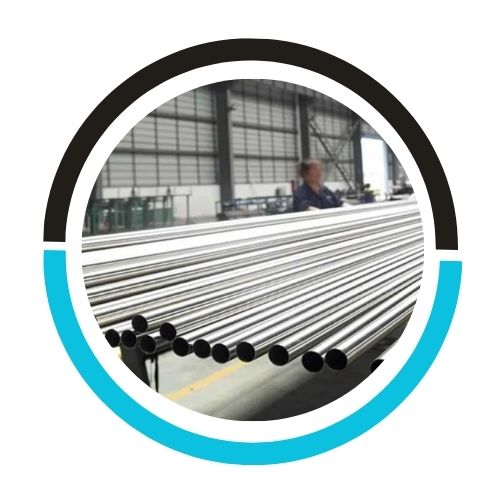
Inconel 625 pipes serve applications as varied as the industries they support, propelled mainly by the aerospace, railway, construction and automotive industries along with petrochemical, nuclear, medical, Oil & Gas, Chemical, Pharmaceutical, Food & Beverage, Nuclear, Thermal Power plants, Paper and Pulp, marine and mining, etc.
Oil and Gas Industry: Inconel 625 pipe serves oil and gas production and process equipment like tubing, piping systems, valves, and wellhead components, thanks to its corrosion resistance and ability to withstand the high temperatures found in demanding environments
Chemical applications: In chemical plants, Inconel 625 pipe handles corrosive chemicals and acids at high temperatures. It serves in reactors, heat exchangers and piping systems that demand corrosion resistance and high strength.
Aerospace Applications: Inconel 625 pipe serves aircraft and aerospace applications, delivering excellent strength and corrosion resistance, particularly in uses such as exhaust systems, turbine blades and thrust reversers.
Marine Applications: Because of its resistance to seawater corrosion and high strength, the Inconel 625 pipeline is applied in marine settings such as offshore platforms, offshore tanks and ocean water used for desalination.
Power generation: Inconel 625 pipe serves applications such as hot water, boiler tubing, heat exchangers and other parts of electrical equipment, including nuclear, fossil fuel and renewable energy, that must resist high temperatures and corrosion
Petrochemical Industries: Inconel 625 pipelines process petrochemical hydrocarbons and carry them to petrochemical plants, where they offer resistance to hot weather and high temperatures.
Medical Applications: Inconel 625 pipe can serve medical devices and equipment, particularly in products that require corrosion resistance and high strength, such as implants and surgical instruments.
Heat Exchangers: Inconel 625 pipe serves a range of heat exchanger applications, including chemical processes, energy processing and oil processing, where it delivers resistance to corrosion and heat. It isn’t easy.
Implementation Requirements: Identify the particular needs of your application, including temperature, pressure, corrosion resistance, and mechanical properties.
Compatibility: Confirm that Inconel 625 fits your application. It delivers outstanding corrosion resistance, high strength, and superb manufacturability across a range of environments.
Size and Dimensions: Work out the necessary pipe size, thickness, and wall thickness according to your application’s specifications and constraints.
Standards and Specifications: Verify whether there are industry or international standards your pipe has to satisfy, such as ASTM, ASME, or API standards.
Quality and certification: Make sure pipelines meet quality standards and hold certification from relevant authorities. Look for credentials such as ISO certification or material test reports (MTRs).
Supplier Reputation: Select a reputable supplier with a proven history of delivering quality Inconel 625 pipe. Seek out reviews, customer feedback, and the supplier’s experience within the industry.
Costs to Consider: Weigh the overall cost of the pipe, including the initial purchase price, installation expenses, and long-term maintenance costs. Balance this against quality to confirm its value.
Customization Options: When needed, ask for customization options such as particular lengths, coatings, or special treatments for the pipes to suit your application.
Consult with Experts: If the selection process needs clarification, think about consulting materials engineers or metallurgists who can offer guidance based on your application requirements.
Support and Services Provided: Establish the level of support and additional services the supplier provides, such as technical support, after-sales support, and warranty options.
Yes, Inconel 625 pipes, constructed from a nickel-based super alloy, are weldable. That said, welding Inconel alloys such as Inconel 625 demands specialized skill because of their distinctive characteristics, such as high strength, corrosion resistance, and the ability to withstand oxidation and elevated temperatures. Welding Inconel 625 generally makes use of methods like gas tungsten arc welding (GTAW, also referred to as TIG welding) or gas metal arc welding (GMAW, also referred to as MIG welding), together with suitable filler metals engineered specifically for welding Inconel alloys. On top of that, correct pre-weld and post-weld heat treatments might be required to preserve the material’s intended properties and to reduce the likelihood of weld defects like cracking or distortion. Following proper welding procedures and guidelines is critical to guarantee the integrity and performance of the welded Inconel 625 pipes.
Inconel 625 pipe demonstrates outstanding corrosion resistance across a range of severe environments, such as acidic and marine settings. The elevated nickel and chromium levels offer defense against oxidation and chloride-induced stress corrosion cracking, which is why it sees broad use in sectors like chemical processing, aerospace, and marine engineering.
Yes, Inconel 625 pipes can be recycled. They are able to be recovered and put back into use via methods such as melting and reforming, which retains their prized characteristics like high temperature strength and corrosion resistance. Recycling aids in conserving resources, cutting down waste, and reducing environmental impact in sectors that use Inconel 625.
When machining or fabricating Inconel 625 pipes, it’s essential to use suitable cutting tools engineered for high-temperature alloys to reduce work hardening and tool wear. Using slow speeds, heavy feed rates, plenty of coolant, and rigid setups can improve machining efficiency and surface finish. Furthermore, post-machining operations such as stress relieving may be required to reduce residual stresses.