Home > Stainless Steel > Stainless Steel 405 Pipe
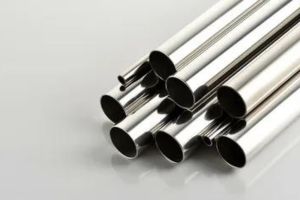
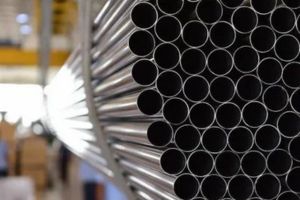
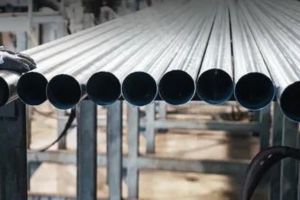
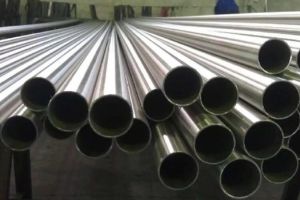
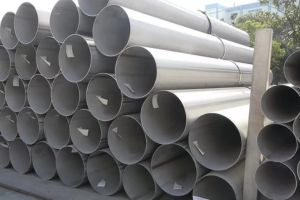
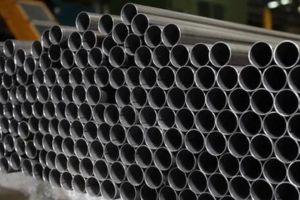
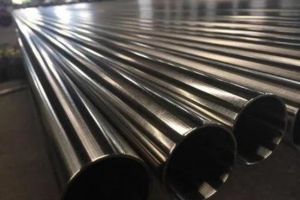
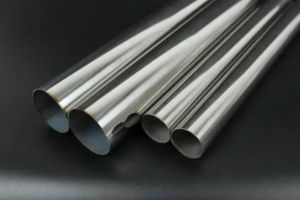
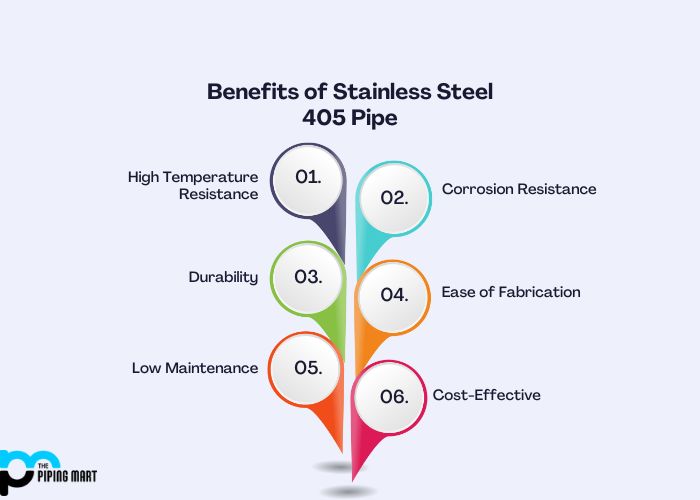
Stainless Steel 405 pipe is a ferritic stainless steel alloy made up of chromium and sulfur. It provides good corrosion resistance in mildly corrosive settings and is especially resistant to oxidation under high temperatures. Stainless steel 405 pipes are frequently applied in situations that demand heat resistance and moderate corrosion resistance, including automotive exhaust systems, heat exchangers, and furnace components. They are prized for their durability, heat resistance, and ease of fabrication, which makes them well suited for a range of industrial and high-temperature applications.
| Specifications | ASTM A240, ASME SA240 |
| Dimensions | 0.08-200mm(T)*W*L |
| Surface | surface and finish of stainless steel sheets |
| Material | Ferritic Stainless Steel |
| Processes | Hot Rolled,Cold Rolled |
| Surface | BA/2B/NO.1/NO.3/NO.4/8K/HL/2D/1D, Hairline, Mirror finish, Brush, Polished, Sand blast |
| Grade | C | Mn | Si | P | S | Cr | Others |
|---|---|---|---|---|---|---|---|
| JIS SUS 405 | 0.08 max. | 1.00 max | 1.00 max | 0.040 max | 0.030 max. | 11.50 – 14.50 | Al 0.20 -0.30 |
| Grade | Tensile Strength ksi (MPa) min | Yield Strength 0.2% offset ksi (MPa) min | Elongation (% in 50mm) min | Hardness (Brinell) MAX | Hardness (Rockwell B) MAX |
|---|---|---|---|---|---|
| JIS SUS 405 | 60 (415) | 25 (170) | 20 | 179 | 88 |
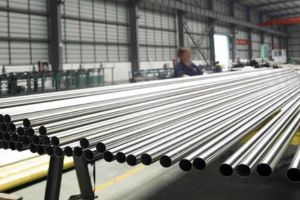
At Santossteel, we take pride in being the largest supplier and manufacturer in the Brazil, delivering advanced solutions for all your piping requirements. With cutting-edge production facilities strategically positioned in the Brazil, we maintain an extensive stock of more than 25,000 tons of top-quality materials readily on hand.
Reach out to us for a fast quote tailored to your needs.
We supply these Stainless Steel 405 Pipe conforming to DIN, ISO, JIS or ANSI Standard.
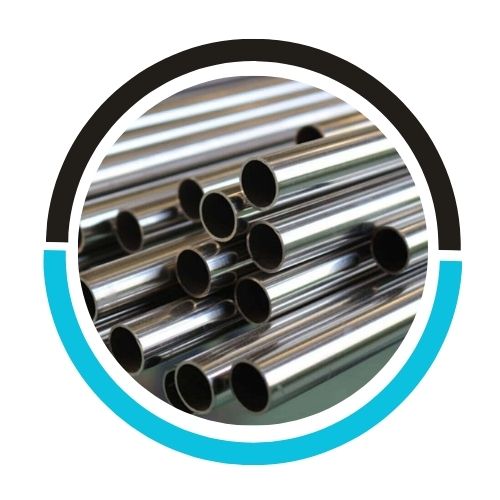
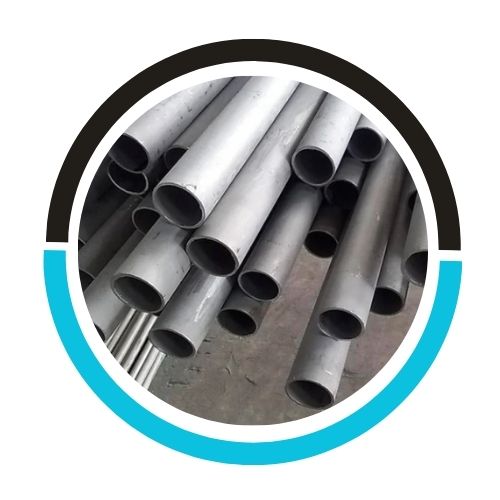
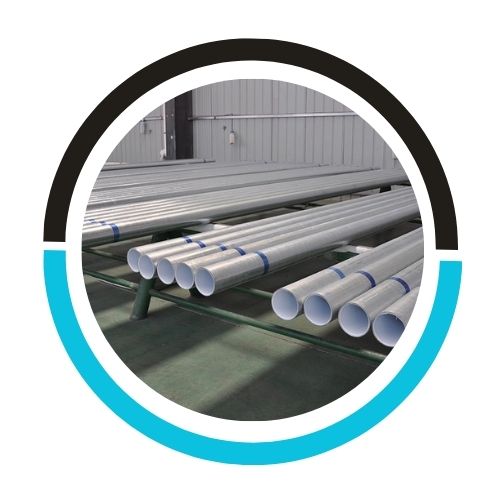
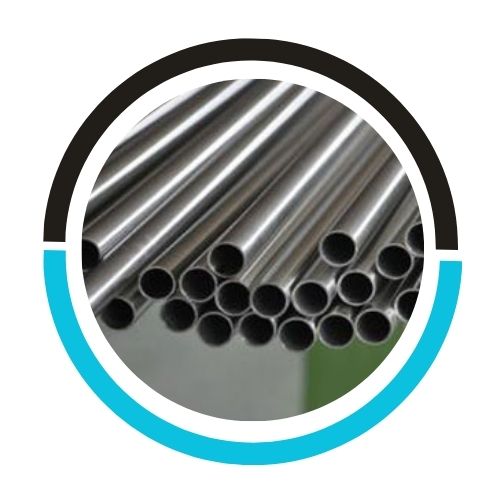
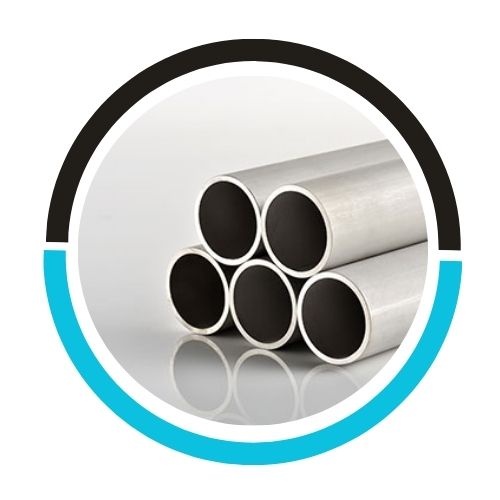
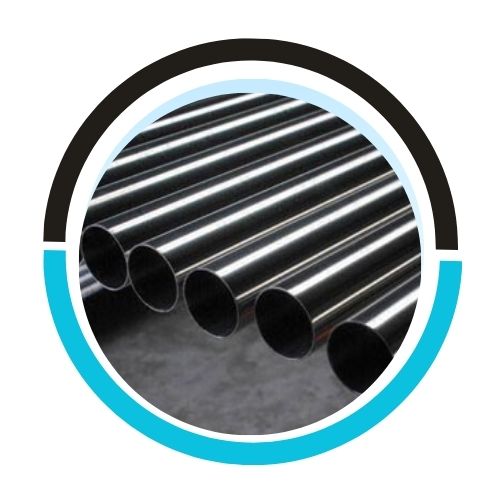
Stainless Steel 405 Pipe uses are as varied as the industries that rely on them, propelled chiefly by the aerospace, railway, construction and automotive industries along with petrochemical, nuclear, medical, Oil & Gas, Chemical, Pharmaceutical, Food & Beverage, Nuclear, Thermal Power plants, Paper and Pulp, marine and mining, etc.
Stainless Steel 405 Pipes are resistant to rusting in most environments owing to their elevated chromium content, which produces a protective oxide layer on the surface. Nevertheless, they can still corrode under extreme conditions or extended contact with corrosive substances. Appropriate maintenance and care, such as routine cleaning and steering clear of exposure to harsh chemicals, can help prevent rust from forming and maintain the integrity of stainless steel 405 pipes.
Stainless steel 405 is a ferritic stainless steel alloy distinguished by its elevated chromium content and a moderate amount of added sulfur. It provides good resistance to corrosion in mildly corrosive settings and demonstrates outstanding resistance to oxidation at elevated temperatures. Stainless steel 405 is frequently employed in uses that call for heat resistance and moderate corrosion resistance, including automotive exhaust systems, heat exchangers, and furnace components. It is prized for its durability, heat resistance, and ease of fabrication, which makes it well-suited for a range of industrial and high-temperature uses.
Stainless steel 405 pipes typically need no special upkeep aside from routine cleaning using mild soap and water to eliminate surface contaminants. That said, in high-temperature or corrosive settings, it’s wise to inspect the pipes for indications of oxidation or corrosion and resolve any problems quickly to preserve their performance. In addition, correct storage and handling methods should be observed to avoid mechanical damage and guarantee the durability of stainless steel 405 pipes.
Yes, stainless steel 405 pipes can be joined through standard welding methods including TIG (tungsten inert gas) welding, MIG (metal inert gas) welding, and SMAW (shielded metal arc welding). That said, preheating and post-weld heat treatment might be required to reduce the chance of cracking and safeguard the soundness of the weld joint. Furthermore, using appropriate filler materials and welding settings is essential for preserving corrosion resistance and mechanical properties. In summary, correct welding practices and safeguards should be observed to produce robust and long-lasting welds in stainless steel 405 pipes.