Home > Stainless Steel > Stainless Steel 301L Pipes
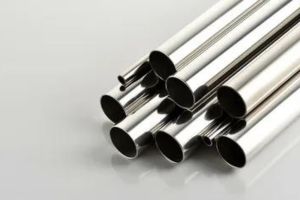
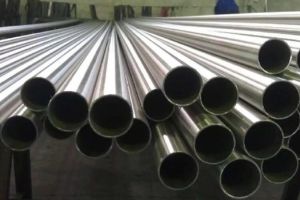
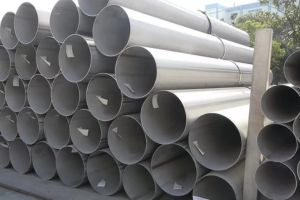
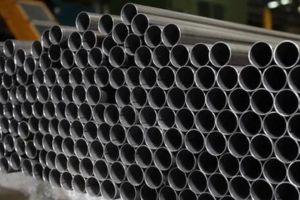
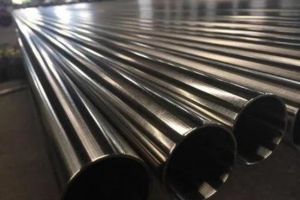
Stainless Steel 301L Pipes are a form of stainless steel tubing manufactured from grade 301L stainless steel alloy. Grade 301L is a low-carbon version of grade 301 stainless steel, offering improved ductility and formability while retaining comparable corrosion resistance characteristics. Stainless steel 301L pipes are widely employed in numerous applications that demand solid strength, corrosion resistance, and ease of fabrication, such as automotive parts, structural frameworks, and chemical processing equipment. These pipes deliver outstanding performance in mildly corrosive settings and are appropriate for both indoor and outdoor use.
Specifications | ASTM A240, ASME SA240 |
Dimensions | ASTM, ASME and API |
Surface | surface and finish of stainless steel sheets |
Type | Ferritic Stainless Steel |
Processes | Hot Rolled,Cold Rolled |
Thickness (mm) | 1.2~200 mm |
Width | 50~4020 mm |
Length | 50~18000 mm |
| Grade | C | Mn | Si | P | S | Cr | N | Ni |
| SS 301L | 0.03 max | 2.0 max | 1.00 max | 0.045 max | 0.030 max | 16.0 – 18.0 | 0.10 max | 6.00 – 8.00 |
| Grade | Tensile Strength | Yield Strength (0.2%Offset) | Elongation |
| SS 301L | 515 | 205 | 40 % |
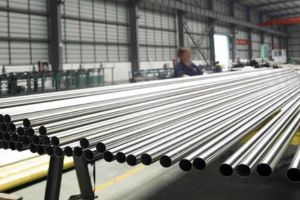
At Santossteel, we take pride in being the largest supplier and manufacturer in the Brazil, delivering advanced solutions for all your piping requirements. With cutting-edge production facilities strategically situated in the Brazil, we feature an extensive inventory of more than 25,000 tons of top-quality materials readily on hand in stock.
Reach out to us for a fast quote tailored to your needs.
We supply these Stainless Steel 301L Pipe in accordance with DIN, ISO, JIS or ANSI Standard.
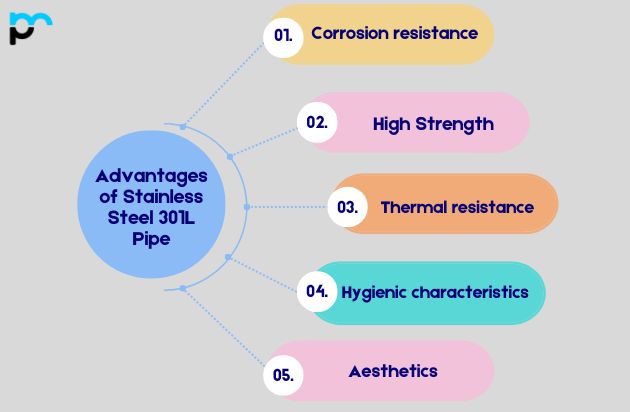
Corrosion resistance: Stainless steel 301L offers excellent corrosion resistance, which makes it well suited for environments frequently exposed to water, chemicals, or demanding conditions. This resistance helps prolong pipe lifespan and lowers maintenance expenses.
High Strength: Stainless steel 301L pipe delivers outstanding strength and stability, enabling it to endure high operating pressures and mechanical stresses without sustaining damage or failure
Thermal resistance: These tubes can endure extreme temperatures while retaining their structural integrity, which makes them well suited for both high-temperature and cryogenic uses
Hygienic characteristics: Stainless steel 301L is chemically inert and features smooth surfaces, making it perfect for sectors such as food processing, pharmaceuticals and healthcare, where cleanliness and hygiene are essential.
Aesthetics: The warm, sleek finish of stainless steel 301L pipes lends them a stylish look, making them well suited for construction and decorative purposes
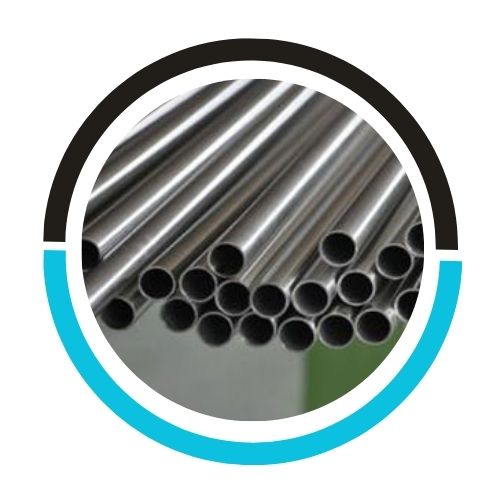
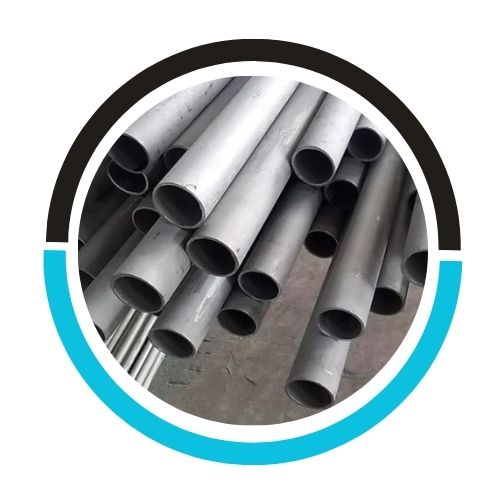
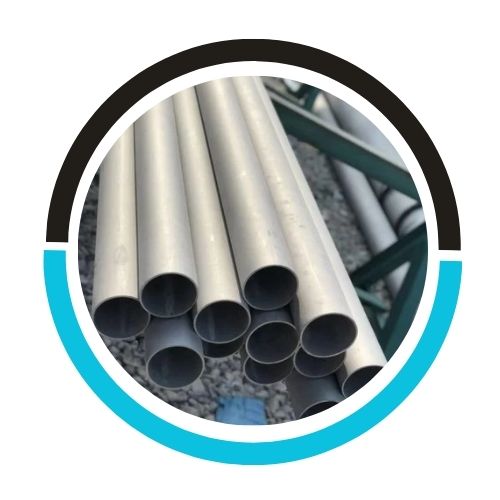
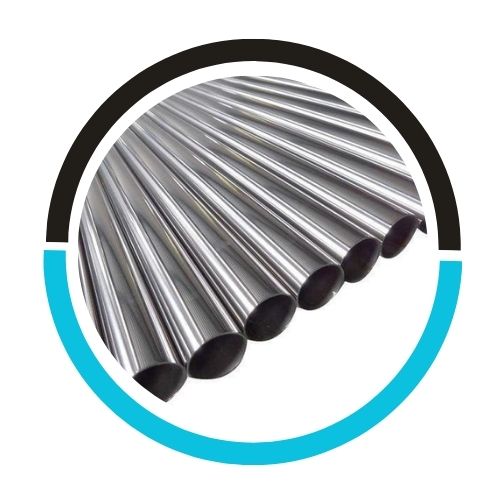
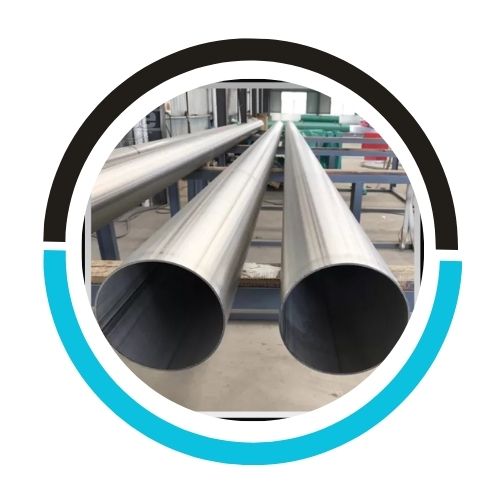
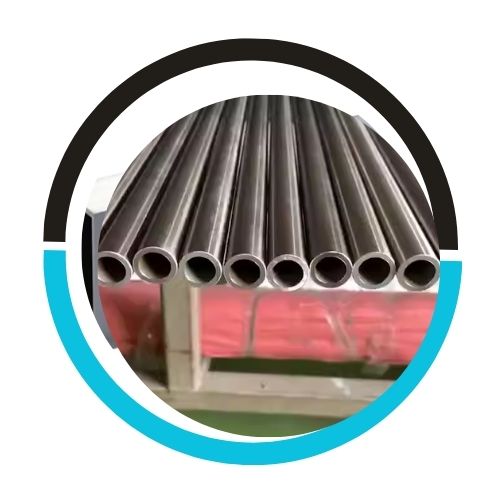
Stainless Steel 301L Pipes applications are as varied as the industries they serve driven mainly by the aerospace, railway, construction and automotive industries with petrochemical, nuclear, medical, Oil & Gas, Chemical, Pharmaceutical, Food & Beverage, Nuclear, Thermal Power plants, Paper and Pulp, marine and mining, etc.
Stainless steel 301L pipes offer good resistance to corrosion, especially in mild environments. Nevertheless, like every stainless steel alloy, they remain capable of rusting under specific circumstances. Elements such as contact with corrosive materials, elevated temperatures, or extended exposure to moisture can cause rust or corrosion to form on stainless steel 301L pipes. Consistent upkeep and appropriate care, like cleaning and drying the pipes on a regular basis, can help stop rust from forming and preserve their corrosion-resistant qualities for extended periods.
Stainless steel 301L pipes are typically not advised for cryogenic uses because of their lower nickel content and diminished ductility at extremely cold temperatures. Although they provide good corrosion resistance and mechanical properties at room temperature, stainless steel 301L pipes can turn brittle and susceptible to cracking when exposed to cryogenic temperatures below -100°C (-148°F). For cryogenic uses, it’s recommended to select stainless steel grades made specifically for low-temperature service, such as austenitic stainless steels like 304L or 316L, which deliver superior toughness and ductility at cryogenic temperatures.
When installing stainless steel 301L pipes, there are several important factors to keep in mind. To begin with, verify that the material fits the intended use, since 301L works especially well in high-temperature and corrosive settings. Careful handling matters greatly to avoid harming the pipes, since damage can undermine their integrity. Sufficient support and correct alignment throughout installation reduce stress and strain on the pipes, helping their durability and performance. On top of that, careful welding technique is vital for preserving the material’s corrosion resistance and structural soundness. Lastly, routine inspections and maintenance allow problems to be caught early, guaranteeing the best functionality and safety of the stainless steel 301L pipe system.
Yes, stainless steel 301L pipes can be recycled once they’ve served their purpose. Stainless steel is highly recyclable, and the 301L grade, much like other stainless steel grades, keeps its valuable characteristics even after going through recycling processes. Recycling stainless steel cuts down on the demand for raw materials, saves energy, and reduces waste, which makes it an environmentally sustainable option. The recycled stainless steel can be melted down and repurposed to make new products, including pipes, without sacrificing its quality or performance. This supports the circular economy and helps lessen the environmental impact of stainless steel production.
Email: sales@santossteel.com