Home > Stainless Steel > Stainless Steel 304 Pipes
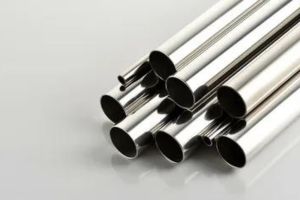
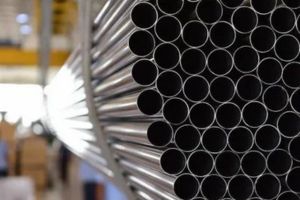
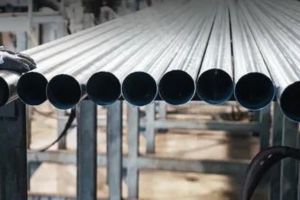
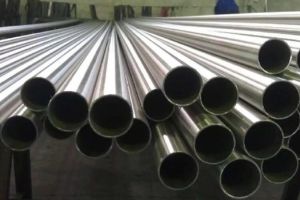
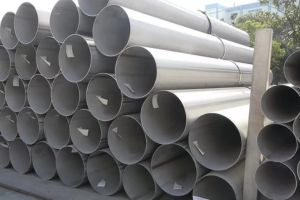
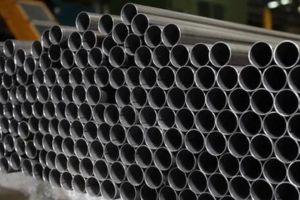
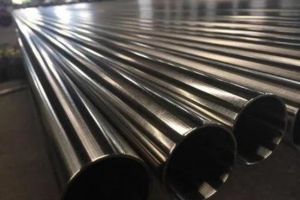
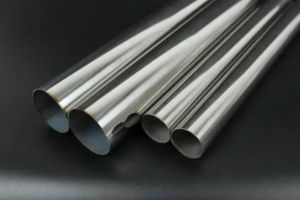
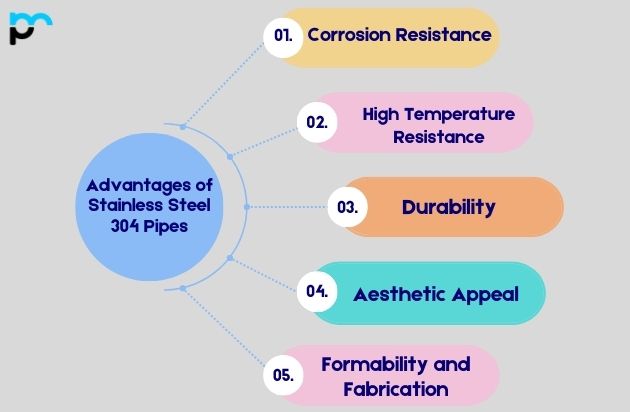
Stainless Steel 304 Pipes are corrosion-resistant piping material made from a flexible austenitic stainless steel alloy called 304. This alloy is composed of chromium and nickel, delivering superb resistance to corrosion, oxidation, and elevated temperatures. SS 304 Pipes are commonly employed across a range of industries including construction, chemical, and food processing thanks to their durability and sanitary characteristics. These pipes are recognized for their formability, weldability, and strength, which makes them favored for transporting fluids and gases in a wide range of applications.
|
Dimensions |
: |
ASTM, ASME and API |
|
Standard |
: |
ASTM A312 / ASME SA312 |
|
Size |
: |
1/8″NB TO 30″NB IN |
|
Specialized in |
: |
Large Diameter Size |
|
Schedule |
: |
SCH20, SCH30, SCH40, STD, SCH80, XS, SCH60, SCH80, SCH120, SCH140, SCH160, XXS |
|
Form |
: |
Round, Square, Rectangular, Hydraulic Etc |
|
Type |
: |
Seamless / ERW / Welded / Fabricated / LSAW Pipes |
|
Length |
: |
Single Random, Double Random & Cut Length. |
|
End |
: |
Plain End, Beveled End, Threaded |
|
Grade |
Ni |
Mn |
P |
C |
S |
Si |
Cr |
Mo |
N |
|
|
304 |
min. |
8.0 |
– |
– |
– |
– |
– |
18.0 |
– |
– |
|
max. |
10.5 |
2.0 |
0.045 |
0.08 |
0.030 |
0.75 |
20.0 |
|||
|
Grade |
Tensile Strength (MPa) min |
Elongation (% in 50mm) min |
Yield Strength 0.2% Proof (MPa) min |
Hardness |
|
|
Rockwell B (HR B) max |
Brinell (HB) max |
||||
|
304 |
515 |
40 |
205 |
92 |
201 |
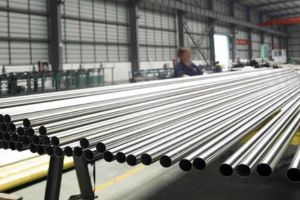
At Santossteel, we take pride in being the largest supplier and manufacturer in the Brazil, delivering advanced solutions for every one of your piping requirements. With cutting-edge production facilities strategically situated in the Brazil, we maintain an extensive inventory of more than 25,000 tons of top-quality materials kept ready in stock.
Reach out to us for a fast quote tailored to your requirement.
We supply these Stainless Steel 304 Pipes in accordance with DIN, ISO, JIS or ANSI Standard.
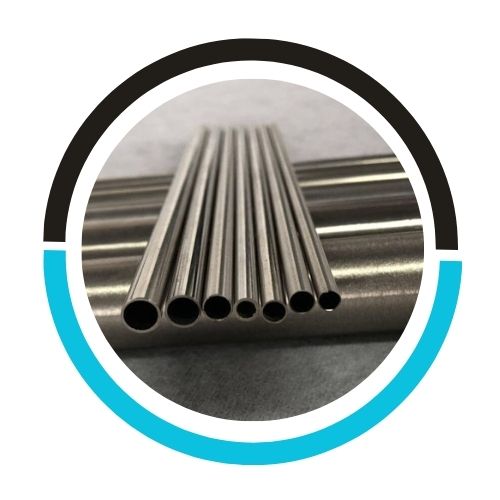
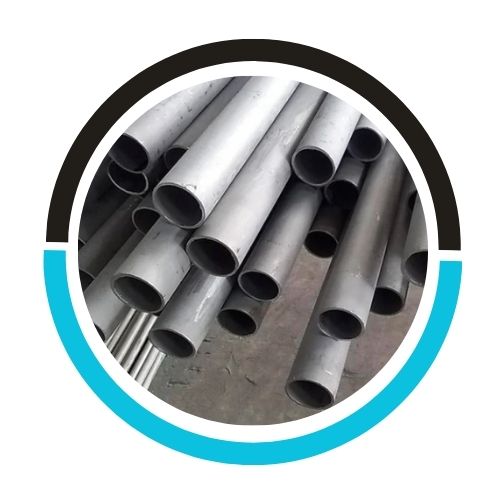
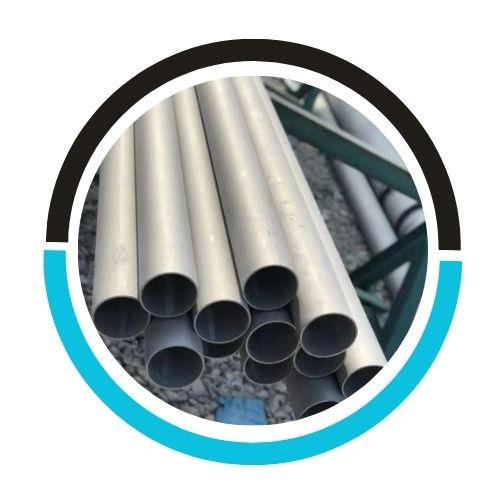
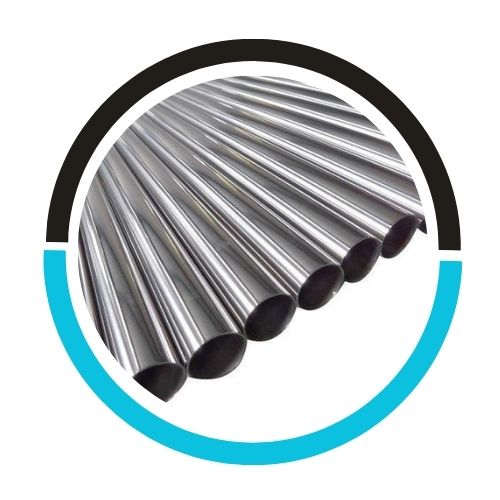
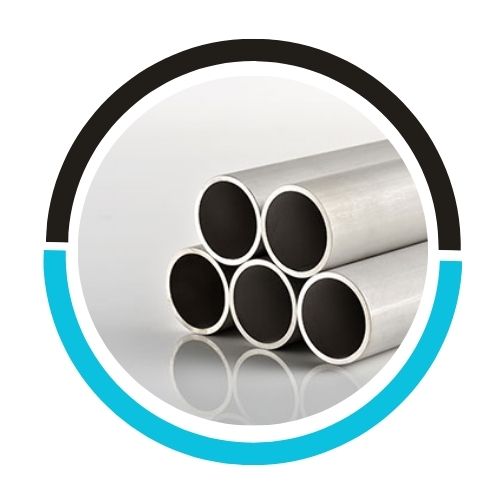
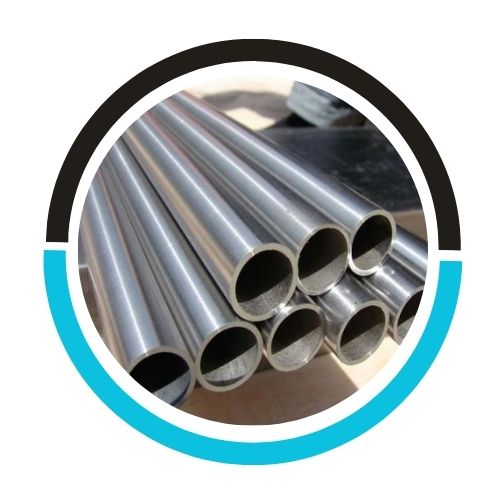
Stainless Steel 304 Pipes serve applications as varied as the industries that use them, led chiefly by the aerospace, railway, construction and automotive industries along with petrochemical, nuclear, medical, Oil & Gas, Chemical, Pharmaceutical, Food & Beverage, Nuclear, Thermal Power plants, Paper and Pulp, marine and mining, etc.
Stainless Steel 304 pipes are dimensioned according to their nominal pipe size (NPS), a standardized designation that doesn’t always correspond to the pipe’s true dimensions. The NPS is a North American standard representing the approximate inside diameter of the pipe. In addition, stainless steel pipes are identified by their schedule, which indicates the wall thickness. Typical schedules include SCH 5, SCH 10, SCH 40, and SCH 80. Together, the NPS and schedule establish the pipe’s dimensions and pressure rating. When choosing the correct size and schedule for Stainless Steel 304 pipes, it’s crucial to account for the particular needs of your application, including pressure, temperature, and fluid compatibility.
Stainless Steel 304 pipes are typically not advised for cryogenic uses that involve extremely low temperatures, such as those under -100°C (-148°F). Although Stainless Steel 304 provides outstanding corrosion resistance and strength at ambient temperatures and moderately low temperatures, it becomes prone to brittleness and diminished mechanical properties at cryogenic temperatures. For cryogenic uses, stainless steel alloys offering superior cryogenic properties, like Stainless Steel 304L or Stainless Steel 316, are generally favored because of their enhanced toughness and ductility at low temperatures.
Yes, Stainless Steel 304 pipes are suitable for underground applications when appropriate precautions and factors are taken into account. Nevertheless, it’s essential to make sure the stainless steel pipes are sufficiently safeguarded against corrosion, which is especially vital in underground settings where they might come into contact with moisture, soil, and other corrosive substances. This can be accomplished through several approaches, including applying corrosion-resistant coatings, employing cathodic protection systems, or opting for Stainless Steel 304L pipes, which contain less carbon and therefore offer improved resistance to intergranular corrosion. Furthermore, sound installation practices, like providing sufficient drainage and preventing direct contact with dissimilar metals, can additionally boost the durability and performance of Stainless Steel 304 pipes in underground applications.
Yes Stainless Steel 304 pipes can be joined through several welding methods, including TIG (Tungsten Inert Gas) welding, MIG (Metal Inert Gas) welding, or SMAW (Shielded Metal Arc Welding). That said, it’s essential to apply suitable welding procedures and filler materials to guarantee a robust and long-lasting weld joint while reducing the chance of corrosion or sensitization. Care should also be taken to prevent too much heat input, which can cause distortion or the development of unwanted phases like chromium carbides along the grain boundaries, diminishing corrosion resistance. In summary, when proper welding methods and controls are used, Stainless Steel 304 pipes can be effectively welded to satisfy the demands of numerous applications.