Home > Stainless Steel Flanges >SS 321 Flange
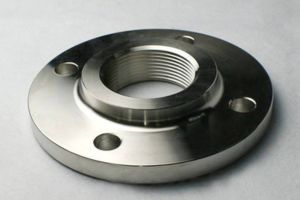
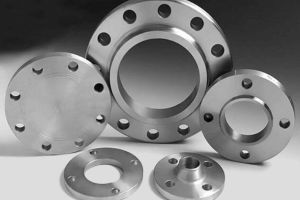
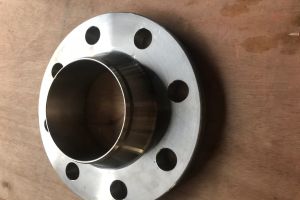
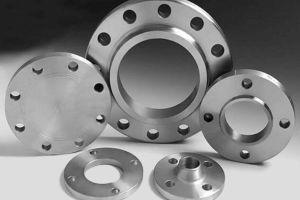
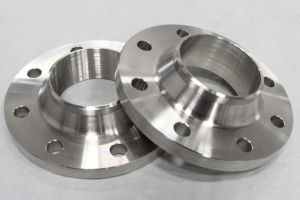
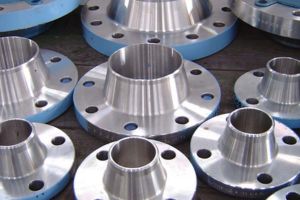
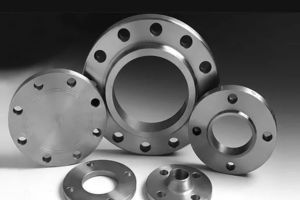
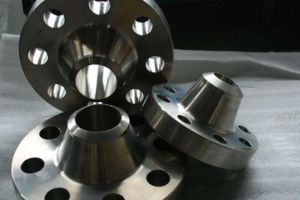
Stainless Steel 321 flanges serve as essential parts of piping systems, valued for their outstanding mechanical characteristics and corrosion resistance. Crafted to order from Stainless Steel 321, well known for its notable stability even at elevated temperatures, these flanges deliver excellent durability and reliability. Featuring a composition abundant in titanium and nickel, Stainless Steel 321 possesses superior resistance to intergranular corrosion, positioning it as a preferred option for applications demanding endurance in harsh environments. In addition, its alloying elements help boost mechanical strength, toughness, and wear resistance, guaranteeing dependable performance across a wide range of industrial contexts. The combination of these qualities renders Stainless Steel 321 flanges essential throughout numerous sectors, assuring longevity and reliable operation even under the most challenging working conditions.
| Standard | ASTM A182 / ASME SA182 |
| Dimensions | ANSI/ASME B16.5, B 16.47 A & B, B16.48, BS4504, BS 10, EN-1092, DIN |
| Standard | ANSI Flanges, ASME Flanges, BS Flanges, DIN Flanges, EN Flanges |
| Size | 1/2″ (15 NB) to 48″ (1200NB) |
| Class/Pressure | 150#, 300#, 600#, 900#, 1500#, 2500#, PN6, PN10, PN16, PN25, PN40, PN64 |
| Flange Face Type | Flate Face (FF), Raised Face (RF), Ring Type Joint (RTJ) |
| SS 321 | 0.08 max | 2.0 max | 1.0 max | 0.045 max | 0.030 max | 17.00 – 19.00 | 0.10 max | 9.00 – 12.00 | 5(C+N) – 0.70 max |
| Density | Melting Point | Tensile Strength | Yield Strength (0.2%Offset) | Elongation |
| 8.0 g/cm3 | 1457 °C (2650 °F) | Psi – 75000 , MPa – 515 | Psi – 30000 , MPa – 205 | 35 % |
At Santossteel, we take pride in being the largest supplier and manufacturer in the Brazil, delivering advanced solutions for all your piping requirements. With cutting-edge production facilities strategically situated in the Brazil, we maintain an extensive inventory of more than 25,000 tons of top-quality materials kept ready in stock.
Reach out to us for a fast quote tailored to your needs.
We supply These Stainless Steel 321 Flanges in accordance with DIN, ISO, JIS or ANSI Standard.
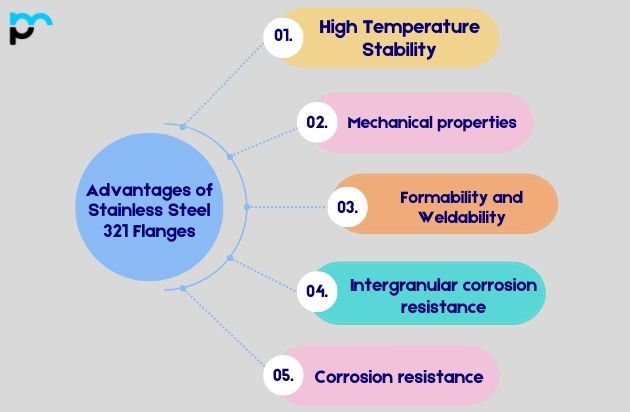
High Temperature Stability: Stainless Steel 321 is purpose-built to endure elevated temperatures, which makes it a great fit for uses where heat is a factor. Adding titanium boosts the alloy’s resistance to chromium carbide precipitation, delivering lasting performance in high-temperature settings
Mechanical properties: The alloy makeup of 321 stainless steel gives it outstanding mechanical qualities, such as strength, toughness and durability. These traits guarantee reliable performance and longevity even under demanding operating conditions.
Formability and Weldability: Stainless steel 321 offers superb formability and weldability, making it easy to fabricate into a range of shapes and configurations. This quality is versatile and adaptable across various manufacturing methods and design needs.
Intergranular corrosion resistance: Stainless steel 321 is recognized for its resistance to intergranular corrosion even when exposed to heat within the carbide precipitation range. This attribute is essential when the material undergoes welding or other high-temperature operations.
Corrosion resistance: Thanks to its high chromium and nickel levels, stainless steel 321 shows excellent corrosion resistance, particularly in organic acids and oxidizing media This makes it corrosion resistant and suitable for use in the pharmaceutical, petrochemical, pharmaceutical and other industries.
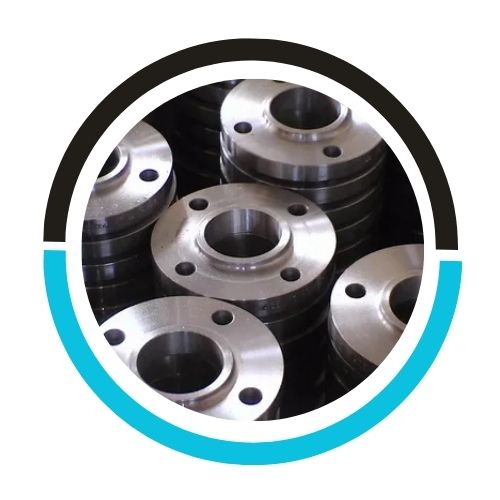
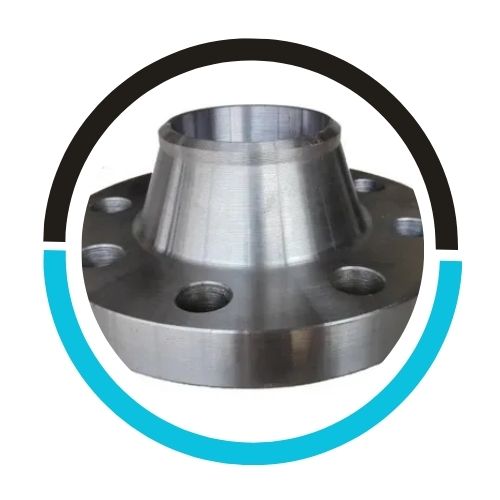
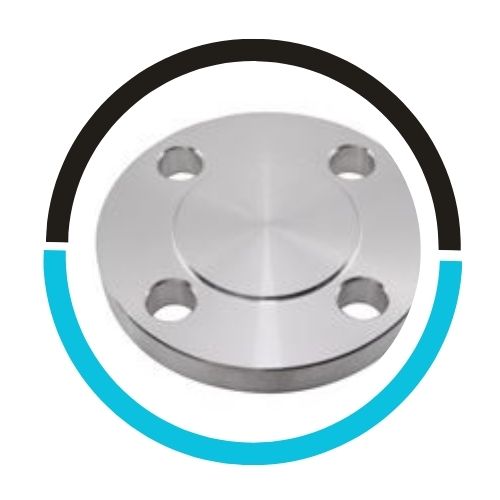
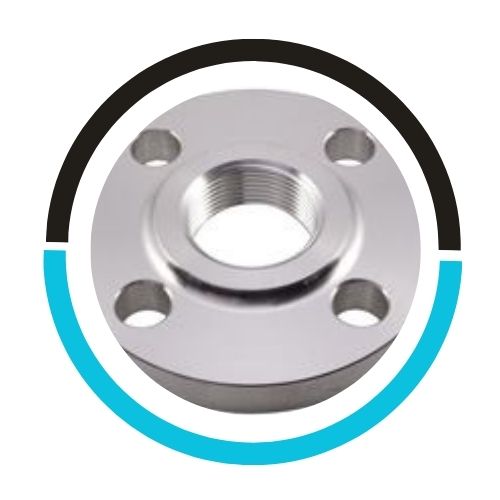
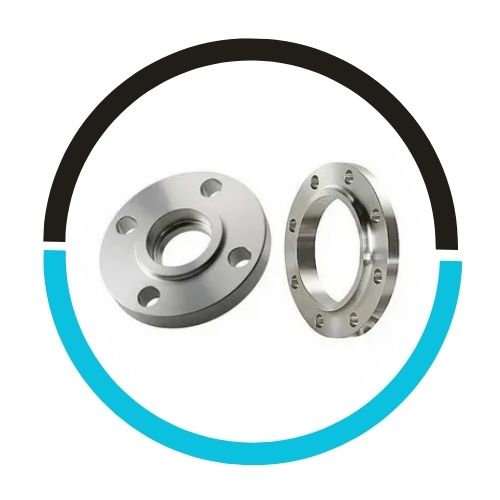
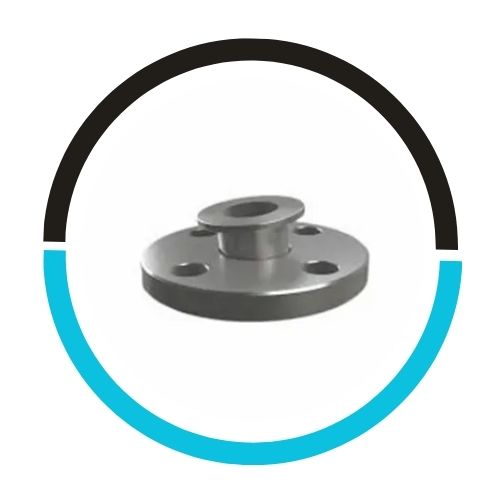
Stainless Steel 321 Flanges offer outstanding mechanical properties and withstand wear corrosion, and elevated temperatures, making them common across many industries. These flanges see extensive use in the oil and gas, petrochemical, power generation, and aerospace sectors. They serve a key function in connecting equipment, valves, and piping systems. They are ideal for uses subjected to harsh operating conditions, including high temperatures, high pressures, and corrosive settings, thanks to their remarkable strength, toughness, and resistance to wear.
Petrochemical Industry: Stainless steel flanges 321 join pipes and valves in refineries. They deliver enhanced corrosion resistance, particularly in settings with high humidity and corrosive chemicals.
Food and Beverage Industry: Stainless steel is the material of choice in the food and beverage sector because of its cleanliness and resistance to corrosion. Three hundred twenty-one stainless steel flanges serve in pipeline systems that carry food, beverages, and a range of liquid products.
Aerospace Applications: Aerospace uses frequently demand materials capable of enduring extreme temperatures and severe environmental conditions. Stainless steel flanges 321 are employed in aircraft engines, air filters, and other applications that call for high temperature resistance.
Power generation: Stainless steel flanges 321 are applied in pipeline systems handling fluids like steam and steam in power plants, particularly those relying on fossil fuels or nuclear power. Their strong resistance to high temperatures and oxidation makes them well suited for these applications.
Chemical Applications: Stainless steel 321 flanges are appropriate for chemical plants where resistance to acids, alkalis, and other corrosive substances is often needed in reactor vessels and piping systems.
Features: Stainless Steel 321 is a long-lasting austenitic stainless steel that resists intergranular corrosion, elevated temperatures, and oxidation. Make sure the flanges are manufactured from top-grade stainless steel 321 materials to guarantee durability. It has existed for many years.
Size and Dimensions: Choose flanges with the correct shape and size to fit the piping system you plan to install. Flanges come in sizes ranging from 1/2 in. all the way up to 48 in. or larger. Take measurements of pipe size, borehole diameter, and flange thickness to confirm proper alignment.
Pressure Rating: According to your operating conditions, work out the pressure rating your application demands. Stainless steel 321 flanges come in several pressure groups, spanning from 150 to 2500 pounds per square inch (PSI). Make certain the flanges you pick can withstand the maximum pressure your system may reach.
Flange Type: A range of flanges exists, such as slip-on, weld neck, socket weld, threaded, and bland flanges. Weigh aspects like pressure levels, temperature, and ease of installation when selecting the one that best fits your application’s requirements.
Yes, Stainless Steel 321 Flanges can be welded. They demonstrate good weldability and can be joined using standard welding methods like TIG (Tungsten Inert Gas) welding, MIG (Metal Inert Gas) welding, and SMAW (Shielded Metal Arc Welding) without the danger of intergranular corrosion.
Stainless Steel 321 Flanges call for very little upkeep. It is advisable to inspect them routinely for indications of corrosion or damage. Washing them with a gentle soap and water and then drying them completely helps preserve their look. On top of that, occasional passivation treatments can boost resistance to corrosion in demanding conditions.
Yes, Stainless Steel 321 Flanges are recyclable once they have been used. Stainless steel is highly recyclable, and the 321 grade keeps its characteristics across many recycling cycles. Recycling lowers environmental impact, preserves resources, and supports sustainable practices throughout various industries.
Stainless Steel 321 Flanges can be deployed in underground applications when proper precautions are taken. The corrosion resistance of the material makes it appropriate for these kinds of environments. Nevertheless, aspects such as soil composition, moisture levels, and the existence of corrosive substances need to be taken into account. Suitable protective steps like coatings or cathodic protection might be required.
Email: sales@santossteel.com