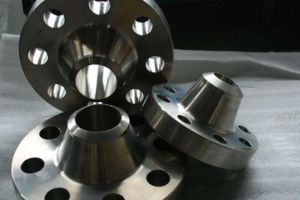
Home > Stainless Steel Flanges > Stainless Steel 310s Flanges
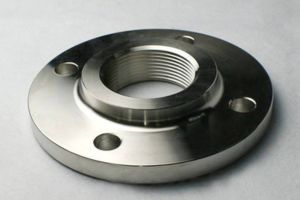
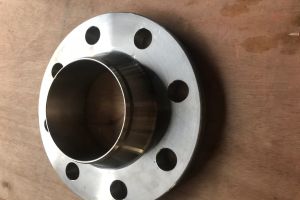
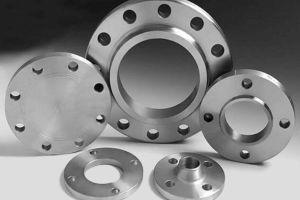
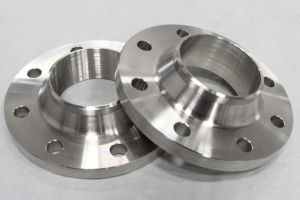
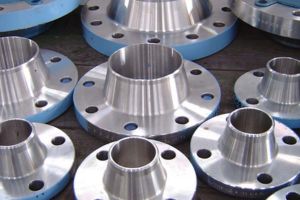
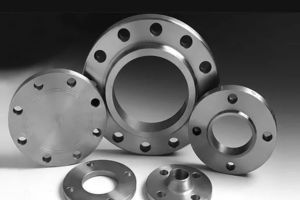
Stainless Steel 310S flanges are essential parts of piping systems in which the outstanding characteristics of stainless steel are critical. Well known for its strong resistance to corrosion, oxidation, and elevated temperatures, Stainless Steel 310S delivers excellent durability and long service life in demanding conditions. These flanges are made from an alloy consisting mainly of iron, chromium, and nickel, along with additions of manganese and silicon to improve stability and weldability. Thanks to its superior mechanical strength, remarkable toughness, and resistance to thermal cycling, Stainless Steel 310S flanges guarantee dependable performance in tough industrial uses, making them a favored option across numerous sectors, including chemical processing, aerospace, and power generation.
| Standard | ASTM A182 / ASME SA182 |
| Dimensions | ANSI/ASME B16.5, B 16.47 A & B, B16.48, BS4504, BS 10, EN-1092, DIN |
| Standard | ANSI Flanges, ASME Flanges, BS Flanges, DIN Flanges, EN Flanges |
| Size | 1/2″ (15 NB) to 48″ (1200NB) |
| Class/Pressure | 150#, 300#, 600#, 900#, 1500#, 2500#, PN6, PN10, PN16, PN25, PN40, PN64 |
| Flange Face Type | Flate Face (FF), Raised Face (RF), Ring Type Joint (RTJ) |
| Grade | C | Mn | Si | P | S | Cr | Mo | Ni | N |
| SS 310S | 0.08 | 2.0 | 1.00 | 0.045 | 0.030 | 24.00 – 26.00 | 0.75 | 19.00 – 21.00 | 53.095 |
| Grade | Density | Tensile Strength | Yield Strength (0.2%Offset) | Elongation |
| 310S | 7.9 g/cm3 | 515 | 205 | 40 |
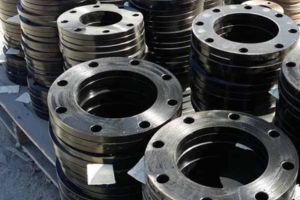
At Santossteel, we take pride in being the largest supplier and manufacturer in the Brazil, delivering advanced solutions for all your piping requirements. With cutting-edge production facilities strategically positioned in the Brazil, we maintain an extensive stock of more than 25,000 tons of high-quality materials readily on hand.
Reach out to us for a fast quote tailored to your requirement.
We supply these Stainless Steel 310S Flanges in accordance with DIN, ISO, JIS or ANSI Standard.
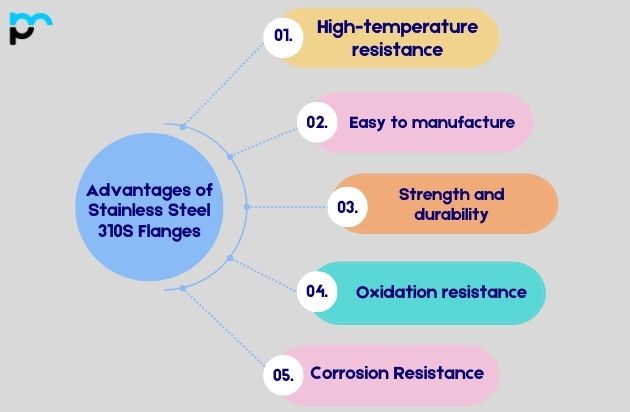
High-temperature resistance: 310S stainless steel is built to endure elevated temperatures, which makes it well suited for use in sectors like aerospace, chemical processing and energy generation
Easy to manufacture: The stainless steel 310S can be fabricated and machined with ease, producing intricate shapes and structures. This simplifies customization and guarantees that it satisfies particular application needs.
Strength and durability: The 310S stainless steel flange offers an outstanding blend of strength and durability, securing system integrity and reliability even under demanding conditions
Oxidation Resistance: Stainless steel 310S shows strong resistance to high-temperature oxidation, guaranteeing lasting durability and reliability in high-temperature uses such as furnace components and heat exchangers
Corrosion resistance: These flanges deliver excellent corrosion resistance, particularly in settings containing sulfur dioxide, sulfuric acid, and other corrosive chemicals. This makes them fit for use in harsh or rough surroundings.
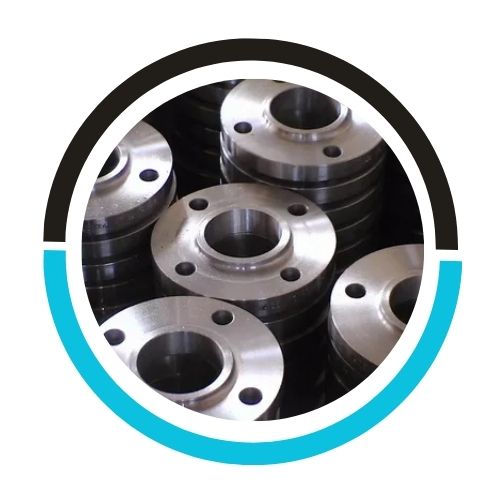
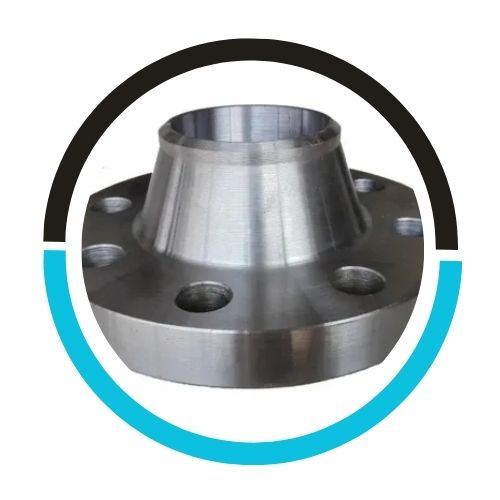
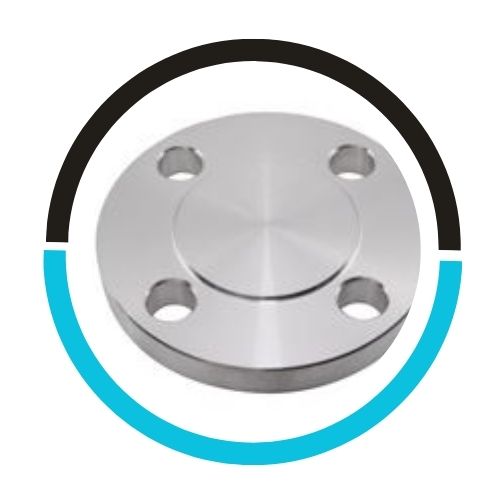
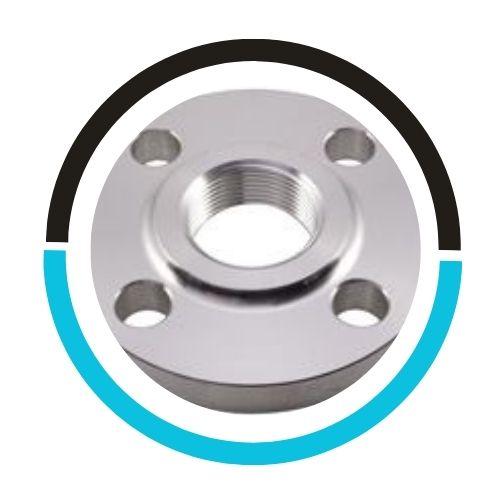
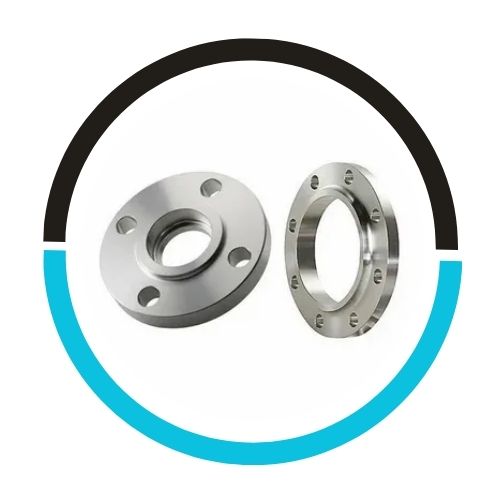
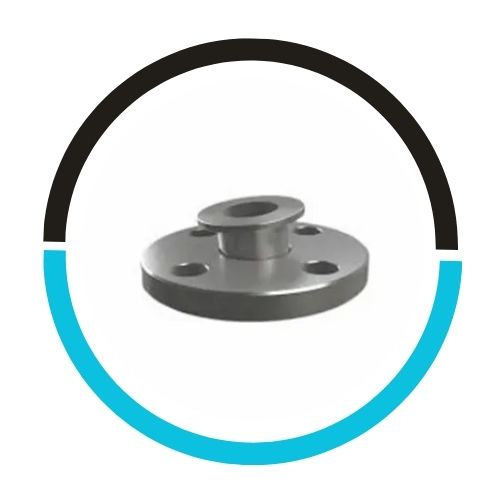
Stainless Steel 310S Flanges offer outstanding mechanical properties and withstand wear corrosion, and elevated temperatures, making them common across many industries. These flanges see extensive use in the oil and gas, petrochemical, power generation, and aerospace sectors. They serve a crucial role in connecting equipment, valves, and piping systems. Thanks to their remarkable strength, toughness, and wear resistance, they are ideal for uses subjected to harsh operating conditions, including high temperatures, high pressures, and corrosive surroundings.
High thermal properties: Stainless steel 310S flanges are especially appropriate for use in high-heat settings like furnaces and heating equipment. Their resistance to oxidation and strong thermal characteristics make them perfect for these conditions.
Power performance: Stainless steel 310S flanges serve numerous purposes in power plants, including boiler tubes, superheaters, steam turbines, and more, where they endure elevated temperatures and pressures. In these areas, their ability to retain mechanical strength at high temperatures is essential.
Oil and Gas: Within the oil and gas sector, stainless steel 310S flanges are applied in pipelines, refineries and offshore platforms that face harsh, high-temperature environments. Corrosive-resistant qualities like sulfidation resistance make it appropriate for these uses.
Chemical: The chemical industry frequently relies on stainless steel 310S flanges because of their resistance to acids, alkalis and other corrosive substances. Corrosion resistance is essential when they are used in reactors, vessels and pipeline systems.
Temperature and Pressure Analysis: Identify the temperature and pressure conditions that the flanges will encounter in your application. Stainless steel 310S is recognized for its strength at high temperatures, making it well-suited for situations where elevated temperatures prevail. Confirm that the flange you select has the appropriate pressure and temperature ratings for your requirements.
Standards and Specifications: Verify that the stainless steel 310S flanges you choose comply with applicable industry standards and specifications, including ASTM, ASME, ANSI, or DIN. This guarantees that the flanges satisfy quality and performance criteria.
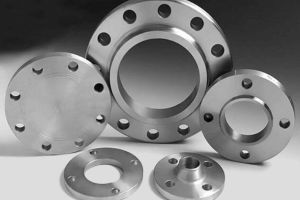
Flange Type: Several types exist, including weld neck, slip-on, socket weld, blind, and lap joint flanges. Select the flange type that best matches your application’s installation method, available space, and sealing needs.
Size and Dimensions: Define the size and thickness of the flange needed for your piping system or equipment. Since flanges are available in numerous sizes and pressures, pick one that aligns with your piping system’s specifications.
Corrosion Resistance: Stainless steel 310S offers excellent corrosion resistance, particularly in oxidizing conditions. Take into account the corrosive materials present in your process, such as acids, alkalis, or chlorides, and confirm that the flanges provide the required corrosion resistance.
Yes, Stainless Steel 310S flanges can be welded thanks to their austenitic structure. They demonstrate good weldability with standard welding techniques like TIG (Tungsten Inert Gas), MIG (Metal Inert Gas), and SMAW (Shielded Metal Arc Welding), which makes them appropriate for a range of fabrication and assembly operations.
Stainless Steel 310S flanges typically need only minimal upkeep. It is enough to inspect them regularly for indications of corrosion, particularly in demanding environments, and to clean them using mild detergents and non-abrasive materials. Maintain proper sealing integrity and deal with any surface contamination without delay to preserve performance and longevity.
Yes, Stainless Steel 310S flanges are eco-friendly. They can be recycled, cutting down the need for new raw materials. Their resistance to corrosion limits the discharge of damaging substances into the environment. Moreover, their toughness and long lifespan decrease the necessity for regular replacements, further reducing environmental impact.
When installing Stainless Steel 310S flanges, verify correct alignment and gasket suitability. Tighten bolts evenly to avoid unequal stress distribution. Check flange faces for damage or contamination, and apply appropriate sealing materials. Adhere to industry standards and guidelines for correct installation methods to achieve leak-free and dependable connections.
Email: sales@santossteel.com