Home > Stainless Steel Flanges >Stainless Steel 301 Flanges
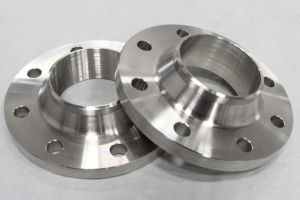
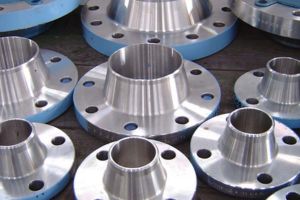
Stainless Steel 301 flanges serve as essential elements across a wide range of piping systems, praised for their remarkable mechanical properties and resistance to corrosion. Crafted from Stainless Steel 301, this variant is valued for its exceptional combination of strength, durability, and corrosion resistance. Featuring a composition abundant in chromium and nickel, Stainless Steel 301 demonstrates impressive resistance to oxidation and corrosion under a wide array of conditions, rendering it a leading choice for applications demanding durability against severe elements. Furthermore, its alloy components add to its remarkable mechanical capability, delivering high tensile strength, excellent formability, and abrasion resistance. Ultimately, Stainless Steel 301 flanges serve as reliable assets throughout numerous industries, ensuring consistent performance and extended service life in challenging operational environments.
| Size Chart | 1/2″ (15 NB) to 48″ (1200NB) DN10~DN5000 |
|---|---|
| Standards | API7S-15, API7S-43, API605, ANSI/ASME B16.5, B16.47 A & B, B16.48, ASME, BS, DIN, EN, BS4504, BS 10, EN-1092, DIN, ANSI, GOST Flange, ASME/ANSI B16.5/16.36/16.47A/16.47B, MSS S44, ISO70051, JISB2220, BS1560-3.1, EN1092 |
| Pressure Rating ANSI | 600 LBS, 900 LBS, 150 LBS, 2500 LBS, 300 LBS, 1500 LBS |
| Pressure Calculation in DIN | 16Bar 6Bar 25Bar 40Bar 10Bar / PN10 PN16 PN6 PN25 PN64 PN40 |
| JIS | 5K, 10 K, 16 K 20 K, 30 K, 40 K, 63 K |
| UNI | 6Bar 10Bar 16Bar 25Bar 40Bar |
| EN | 6Bar 10Bar 16Bar 25Bar 40Bar |
| Coating | Anti-rust Paint, Zinc Plated, Oil Black Paint, Cold and Hot Dip Transparent |
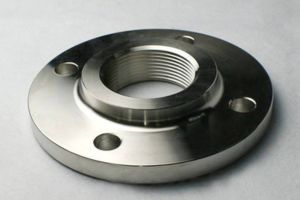
| Most common types | Forged / Threaded / Screwed / Plate |
| Test Certificates | EN 10204/3.1B Raw Materials Certificate 100% Radiography Test Report Third Party Inspection Report, etc |
| Production technique |
|
| Connect Type/ Flange Face Type | Ring Type Joint (RTJ), Flat Face (FF), Large Male-Female (LMF), Raised Face (RF), Lap-Joint Face (LJF), Small Male-Female (SMF), Small Tongue, Large Tongue & Groove, Groove |
| Special design |
As per your drawing AS, ANSI, BS, DIN and JIS |
| Test | Hydrostatic testing machine, X-ray detector, Direct-reading Spectrograph, UI trasonic flaw detector, Magnetic particle detector |
| Equipment | Bending machine, Pushing Machine,Press machine, electric bevelling machine, Sand-blasting machine etc |
| Origin | Indian / West Europe / Japan / USA / Korean |
| Manufacturer of |
ANSI DIN, GOST, JIS, UNI, BS, AS2129, AWWA, EN, SABS, NFE etc.
|
| Uses & application |
|
| Material Test Certificates (MTC) as per EN 10204 3.1 and EN 10204 3.2, Test Certificates certifying NACE MR0103, NACE MR0175 | |
| Carbon | 0.15 max |
| Chromium | 16 – 18 |
| Iron | 0.4 max |
| Manganese | 2 max |
| Nickel | 6 – 8 |
| Phosphorus | 0.045 max |
| Silicon | 1 max |
| Sulphur | 0.03 max |
| Density | Melting Point | Tensile Strength | Yield Strength (0.2%Offset) | Elongation |
| 8.0 g/cm3 | 1400 °C (2550 °F) | Psi – 75000 , MPa – 515 | Psi – 30000 , MPa – 205 | 35 % |
At Santossteel, we take pride in being the largest supplier and manufacturer in the Brazil, delivering advanced solutions for all your piping requirements. With cutting-edge production facilities strategically situated in the Brazil, we maintain an extensive inventory of more than 25,000 tons of top-quality materials readily on hand in stock.
Reach out to us for a fast quote tailored to your requirement.
We supply these Stainless Steel 301 Flanges in accordance with DIN, ISO, JIS or ANSI Standard.
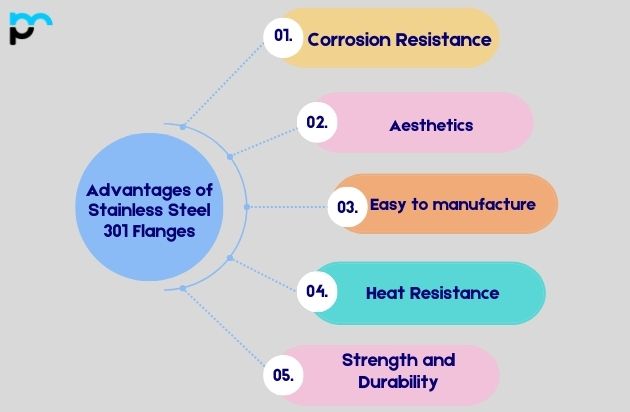
Corrosion Resistance: Stainless Steel 301 offers a high degree of corrosion resistance, which makes it well-suited for numerous applications where moisture, chemicals, and other corrosive agents are present This resistance to corrosion helps extend flange service life and keeps performance dependable, even under challenging conditions.
Aesthetics: Stainless Steel 301 features an appealing finish, with a bright, rotating surface that gives the flange visual appeal. This aesthetic quality makes stainless steel 301 flanges a good fit for areas where appearance matters, such as architectural maintenance
Easy to manufacture: Stainless steel 301 is remarkably easy to fabricate, permitting flanges to be produced in intricate shapes and configurations. This adaptability supports customization and ensures that flanges can be made to match particular project needs, delivering flexibility and usability.
Heat Resistance: Stainless steel 301 shows outstanding resistance to elevated temperatures, making it appropriate for applications where flanges undergo heating or heating cycles. This characteristic ensures that flanges maintain their configuration integrity and performance across varying temperature conditions.
Strength and Durability: Stainless steel 301 is recognized for its high strength and durability. This material possesses excellent tensile strength and rigidity, enabling the flanges to endure high-stress and high-temperature conditions without deforming or failing. Consequently, stainless steel 301 flanges are ideal for critical industrial applications.
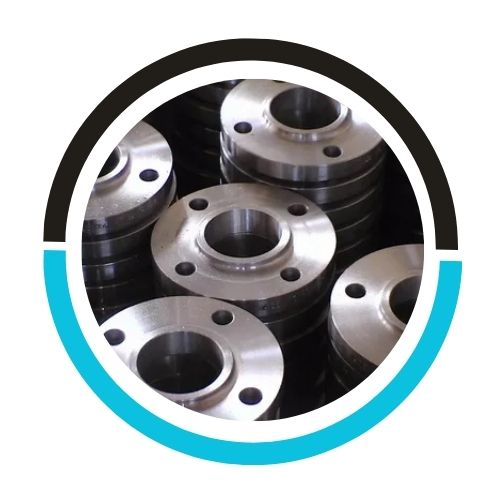
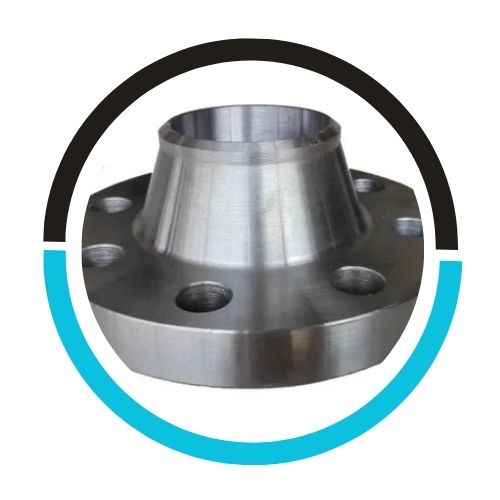
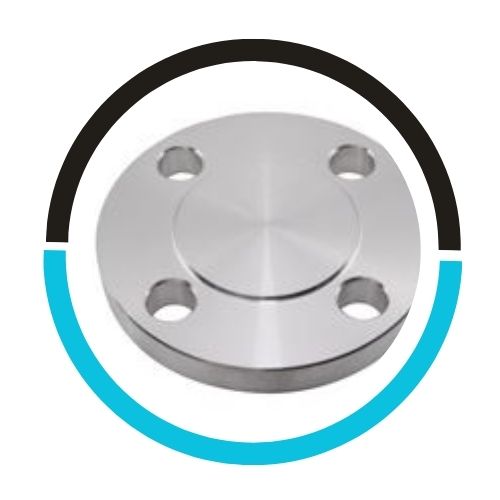
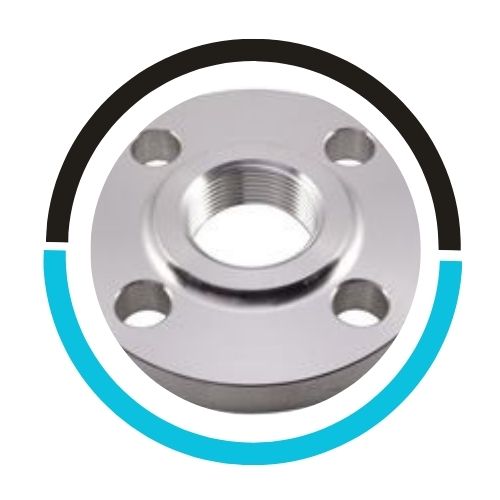
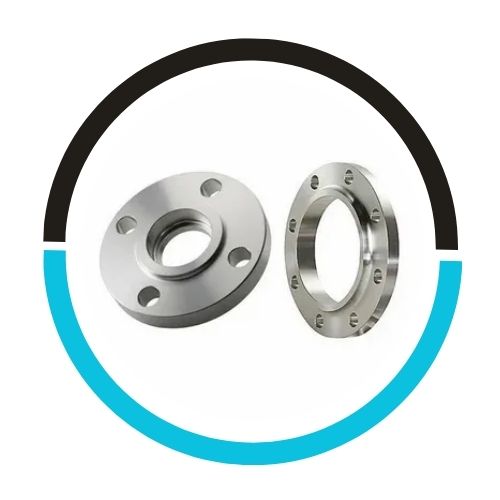
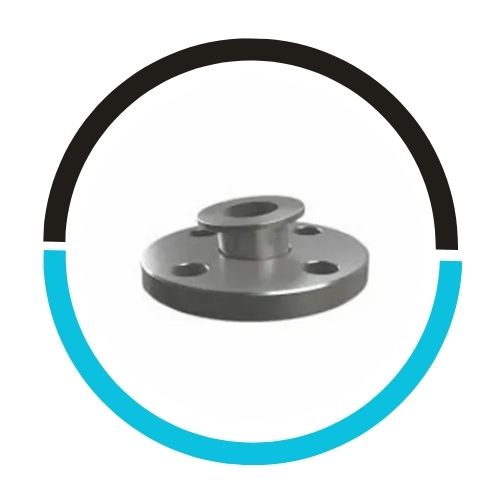
Stainless Steel 301 Flanges offer outstanding mechanical properties and hold up against wear corrosion, and elevated temperatures, making them common across numerous industries. You will find these flanges used extensively in the oil and gas, petrochemical, power generation, and aerospace sectors. They serve a key role in connecting equipment, valves, and piping systems. Thanks to their remarkable strength, toughness, and resistance to wear, they are ideal for uses subjected to demanding operating conditions, including high temperatures, high pressures, and corrosive surroundings.
Chemical Applications: Stainless steel 301 flanges are employed in chemical plants to join pipes and equipment. Their corrosion resistance makes them safely suited for corrosive chemicals and acids.
Chemical: Stainless steel 301 flanges are used in medical device and pipeline systems where cleanliness and chemical resistance matter. They deliver dependable and hygienic connections between components.
Food and Beverage: Stainless steel 301 flanges are used in food and beverage production facilities where hygiene and corrosion resistance matter. They meet food safety regulations and can endure common cleaning methods and oral sterilization.
Oil and Gas Industry: Flanges made of 301 stainless steel are used in oil refineries, gas stations and natural gas fields. They can handle high pressures and temperatures, which makes them ideal for critical industrial applications.
Specify application requirements: Define how your application functions, covering temperature, pressure, corrosion resistance, and environmental conditions. Grasping these parameters will assist you in choosing flanges capable of enduring your application’s demands.
End connection type: Take into account your application’s end connection needs, such as welding, bolting, or threading. Make sure the flange you pick has end connections to other system components to enable proper installation and sealing.
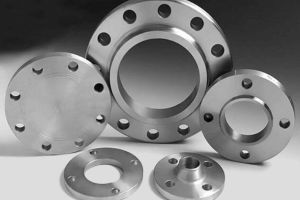
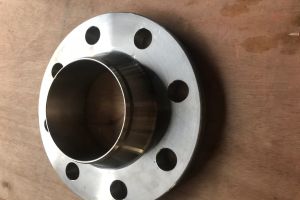
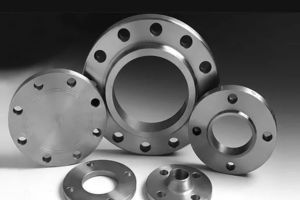
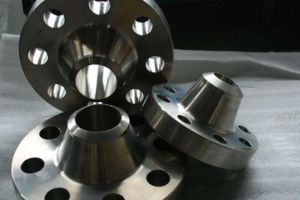
Flange type and size: Choose the suitable flange type (e.g., weld neck, slip-on, socket weld, blind) according to piping system design and installation needs. The right flange size ensures compatibility with the piping system and performance so the expected condition matches and a pressure display is chosen.
Material options: Stainless steel 301 is adaptable, but it is essential to confirm that it satisfies the corrosion resistance, strength and thermal requirements of your application. Take into account factors such as the type of spreader, the presence of corrosive chemicals, and the operating temperature.
Yes, Stainless Steel 301 flanges can be welded using standard welding methods including TIG (Tungsten Inert Gas) welding, MIG (Metal Inert Gas) welding, and resistance welding. That said, preheating and post-weld heat treatment might be necessary to reduce the chance of distortion and guarantee sound weld integrity.
Stainless Steel 301 flanges are less prone to galvanic corrosion than other metals owing to their built-in corrosion resistance. Nevertheless, galvanic corrosion can happen when they are joined with dissimilar metals in a conductive setting. This risk can be reduced through adequate insulation or by choosing compatible materials.
Yes, Stainless Steel 301 flanges can be completely recycled once they are no longer in use. Stainless steel is a material with excellent recyclability, and the recycling process preserves its properties without any degradation. Recycling Stainless Steel 301 flanges lowers the need for raw materials, saves energy, and reduces environmental impact, making it an eco-friendly option.
Yes, Stainless Steel 301 flanges are suitable for structural applications that demand strength, corrosion resistance, and durability. Because of their high tensile strength and toughness, they work well as structural components across a range of industries, such as construction, architecture, aerospace, and automotive engineering.
Email: sales@santossteel.com