Home > Stainless Steel Flanges >Stainless Steel 304 Flanges
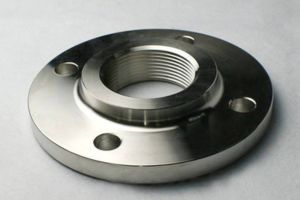
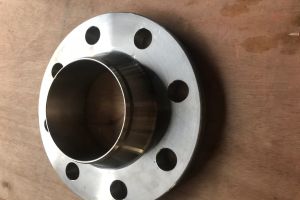
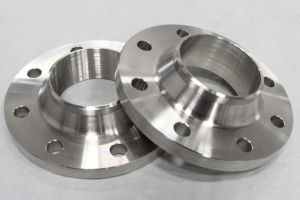
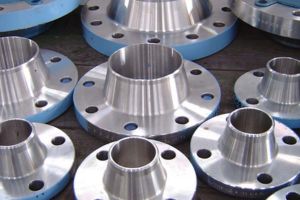
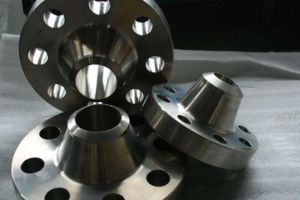
Stainless Steel 304 flanges serve as vital elements in a variety of piping systems, valued for their outstanding mechanical capability and corrosion resistance. Made from Stainless Steel 304, this type is well known for its excellent combination of strength, durability, and corrosion resistance. Thanks to a makeup high in chromium and nickel, Stainless Steel 304 shows notable resistance to oxidation and corrosion across a broad spectrum of environments, positioning it as a top pick for applications that demand toughness against severe conditions. Additionally, its alloying elements add to its impressive mechanical characteristics, such as high tensile strength, great formability, and resistance to wear and tear. Ultimately, Stainless Steel 304 flanges act as dependable assets throughout industries, guaranteeing reliable performance and long service life even in demanding operational settings.
| Standard | ASTM A182 / ASME SA182 |
| Dimensions | ANSI/ASME B16.5, B 16.47 A & B, B16.48, BS4504, BS 10, EN-1092, DIN |
| Standard | ANSI Flanges, ASME Flanges, BS Flanges, DIN Flanges, EN Flanges |
| Size | 1/2″ (15 NB) to 48″ (1200NB) |
| Class/Pressure | 150#, 300#, 600#, 900#, 1500#, 2500#, PN6, PN10, PN16, PN25, PN40, PN64 |
| Flange Face Type | Flate Face (FF), Raised Face (RF), Ring Type Joint (RTJ) |
| Grade | C | Mn | Si | P | S | Cr | Mo | Ni | N |
| SS 304 | 0.08 max | 2 max | 0.75 max | 0.045 max | 0.030 max | 18 – 20 | – | 8 – 11 | – |
| Density | Melting Point | Tensile Strength | Yield Strength (0.2%Offset) | Elongation |
| 8.0 g/cm3 | 1400 °C (2550 °F) | Psi – 75000 , MPa – 515 | Psi – 30000 , MPa – 205 | 35 % |
At Santossteel, we take pride in being the largest supplier and manufacturer in the Brazil, delivering advanced solutions for all your piping requirements. With cutting-edge production plants strategically situated in the Brazil, we offer an extensive inventory of more than 25,000 tons of premium-quality materials kept ready in stock.
Reach out to us for a fast quote tailored to your requirement.
We supply these Stainless Steel 304 Flanges in accordance with DIN, ISO, JIS or ANSI Standard.
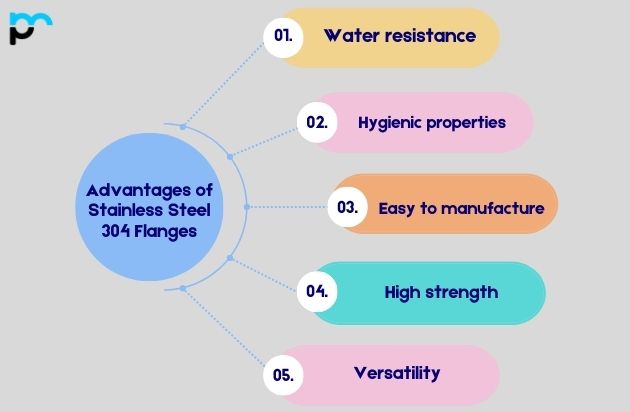
Water resistance: Stainless steel 304 offers outstanding corrosion resistance, which makes it well-suited for settings involving water, chemicals and solids. This resistance keeps clogging from worsening over time and delivers durability and reliability.
Hygienic properties: Because stainless steel 304 is both reactive and non-reactive, it works well for uses that demand strict hygiene standards, including food and beverage processing, medical equipment and medical devices.
Easy to manufacture: Stainless steel 304 is recognized for its strong performance and mechanical properties, letting it be readily fabricated into a range of shapes and sizes. This trait makes it simple to tailor the flange to particular project needs.
High strength: 304 stainless steel shows superior tensile strength, giving durability in demanding operating systems. This strength can endure high pressures and temperatures without sacrificing structural integrity.
Versatility: This versatility lets stainless steel 304 flanges serve a broad spectrum of applications, from industrial piping systems to architectural structures, thanks to their environmental resistance owing to the circumstances
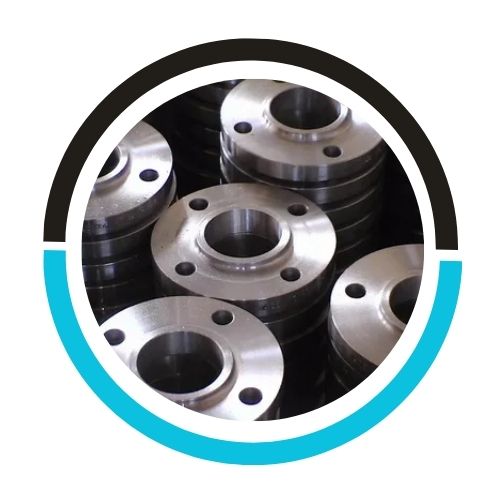
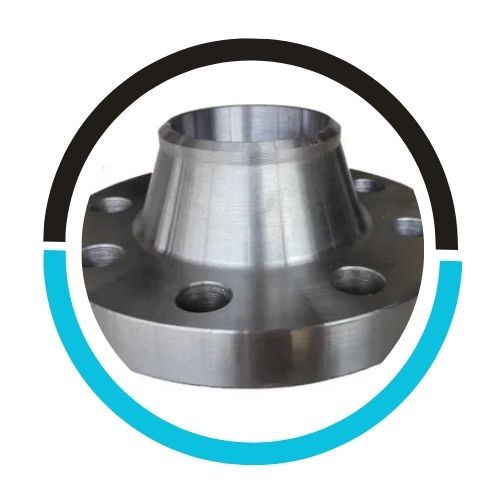
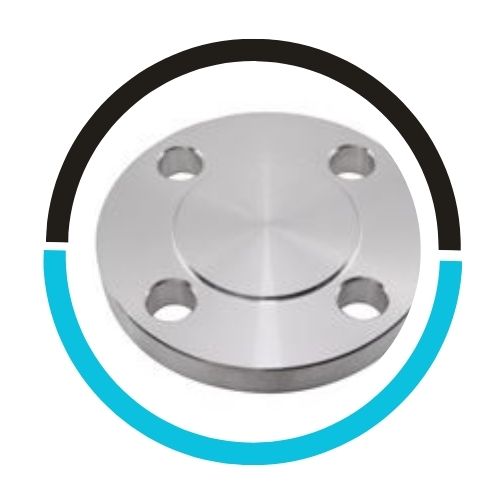
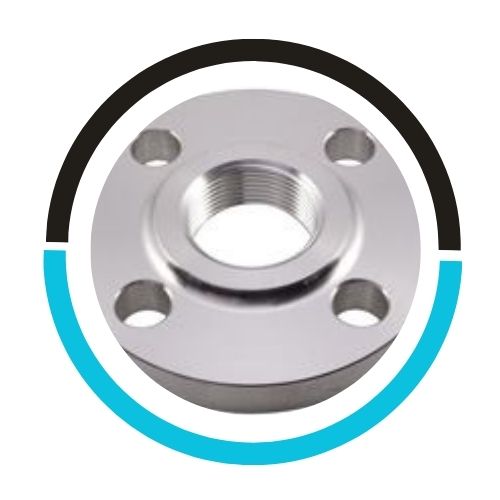
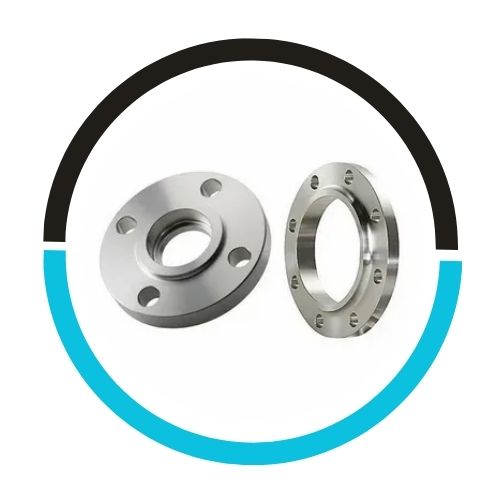
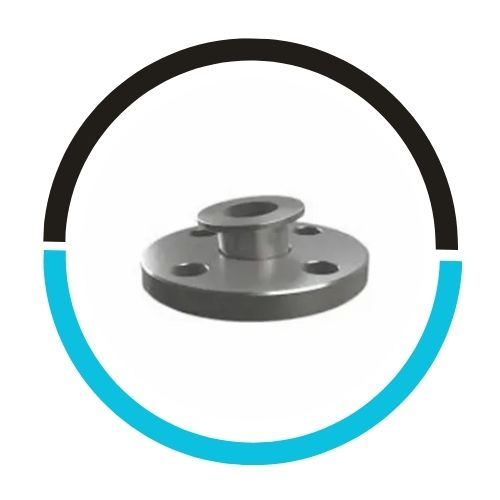
Stainless Steel 304 Flanges offer outstanding mechanical properties and withstand wear, corrosion, and elevated temperatures, making them common across many industries. You will find these flanges heavily used in the oil and gas, petrochemical, power generation, and aerospace sectors. They serve a key role in connecting equipment, valves, and piping systems. Thanks to their remarkable strength, durability, and resistance to wear, they are ideal for uses subjected to harsh operating conditions, including high temperatures, high pressures, and corrosive settings.
Piping Systems: Stainless steel 304 flanges are key parts of piping systems across industries like oil and gas, chemical processing, water treatment, petrochemicals, and more. They deliver secure links to pipes, valves, and other equipment, guaranteeing leak-free and dependable performance.
Pharmaceutical Sciences and Biotechnology: Stainless steel 304 flanges are vital for keeping a bacteria-free setting and preventing contamination in medical biotechnology. They also serve in the methodical transfer and handling of chemical and biological materials in water.
Food and Beverage Manufacturing: Stainless steel 304 flanges are widely found in the food and beverage industry thanks to their cleanliness and resistance to digestive acid detergents. They serve in systems for water treatment, storage, and distribution of food and beverages.
Construction and infrastructure: Stainless steel 304 flanges are applied in construction projects such as bridges, buildings, and roads. Their strong corrosion resistance and durability make them fit for both indoor and outdoor use.
Operating Conditions: Examine the flanges’ temperature, pressure, and surrounding conditions. Stainless steel 304 provides outstanding corrosion resistance and strength. Nevertheless, if your application deals with extreme temperatures or exceptionally hot environments, you might need to look at alternative materials or stainless steel materials of a high mixture.
Standards and Specifications: Verify that stainless steel 304 flanges comply with relevant industry standards and specifications, including ASME, ASTM, ANSI, DIN, or EN standards. Following this standard guarantees quality, performance, and compatibility with other components of your system.
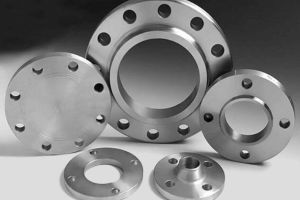
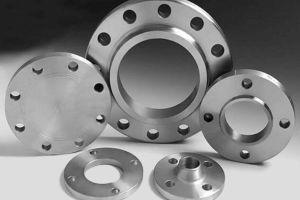
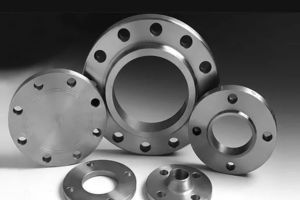
Flange Type: Choose the suitable flange type according to the requirements of your piping system, such as weld neck, slip-on, socket weld, threaded, or blind flange. When picking a flange type, take into account factors such as ease of installation, coating, and maintenance requirements.
Size and Dimensions: Identify the flange size, pressure rating, and thickness needed for your piping system. Confirm compatibility with existing piping, valves and fittings to prevent installation and operational issues.
Yes, Stainless Steel 304 flanges can be welded with standard welding methods including TIG (Tungsten Inert Gas), MIG (Metal Inert Gas), and stick welding. That said, correct welding practices and safeguards must be followed to prevent problems like carbide precipitation and intergranular corrosion.
Yes, Stainless Steel 304 flanges may be prone to galvanic corrosion when they come into contact with dissimilar metals in specific environments. This risk can be reduced in piping systems through adequate insulation or by using compatible materials and protective coatings.
Yes, Stainless Steel 304 flanges are highly recyclable and keep their valuable properties even after they have been used. Recycling stainless steel lowers the demand for raw materials, saves energy, and reduces environmental impact. Stainless steel ranks among the most recycled materials worldwide, making it an eco-friendly option.
Yes, Stainless Steel 304 flanges are suitable for structural applications thanks to their outstanding blend of strength, corrosion resistance, and versatility. They are frequently used in construction, bridges, buildings, and other structural projects where durability, aesthetics, and longevity are crucial.
Email: sales@santossteel.com