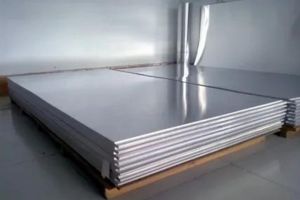
Home > Alloy Steel > Alloy Steel Sheet and Plates
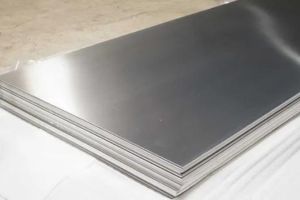
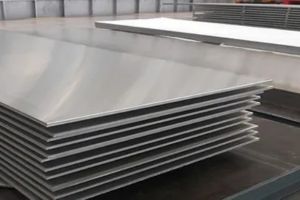
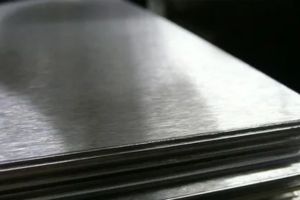
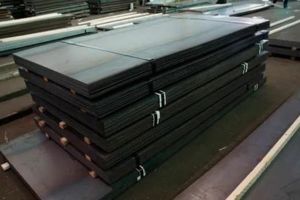
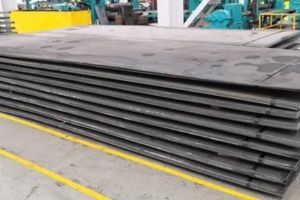
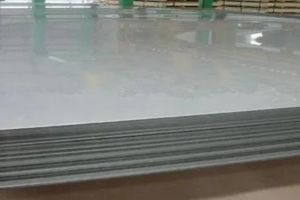
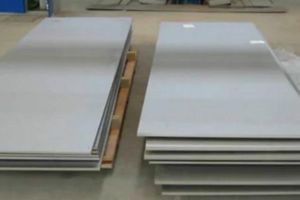
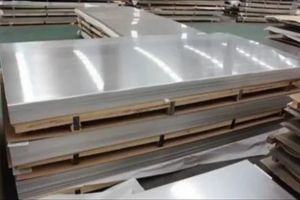
Delivering excellence is our commitment, and our company is delighted to present a wide-ranging selection of Alloy Steel Sheet Plates carefully sourced from respected vendors known for their skill in custom-built premium alloy steel products. These sheet plates act as vital components across countless applications, providing a broad variety of thicknesses, dimensions, and specifications thoughtfully adapted to satisfy the differing needs of our valued customers. Welcomed across sectors like manufacturing and automotive, our premium Alloy Steel Sheet Plates are esteemed for their remarkable durability and resilience. Produced with precision through specialized alloys, these sheet plates go through stringent processing techniques to enhance their strength and toughness, guaranteeing steady performance under challenging conditions.
| Specifications | : | ASTM A 193 ASME SA 193 |
| Standard | : | DIN, ASTM, BS and all International Standards |
| Length | : | 3 mm to B6 mm |
| Size | : | M3 – M56 | 3/6″ to 2″ | Custom Sizes |
| Type | : | Hex Head Bolts, Square Bolts, U bolts, Eye bolts, T bolt, Hex Bolt, Lag Bolts, Counter sunk Bolts, Hex Head nuts, Square nuts, Lock nuts, Eye nuts, wing nuts, T nuts, Panel Nuts, Coupling Nuts, Dome nuts, Acorn Nuts. |
| Properties | Data |
| Tensile strength, min, (MPa) | 415 Mpa |
| Yield strength, min, (MPa) | 205 Mpa |
| Elongation, min, (%), L/T | 30/20 |
| Material | C | Mn | P | S | Si | Cr | Mo |
| Alloy Steel | 0.15 max | 0.30-0.61 | 0.025 max | 0.025 max | 0.50 max | 4.00-6.00 | 0.44-0.65 |
| V 0.18-0.25 | N 0.03-0.07 | Ni 0.40 max | Al 0.02 max | Cb 0.06-0.10 | Ti 0.01 max | Zr 0.01 max |
At Santossteel, we take great pride in being the largest supplier and manufacturer in the Brazil, delivering advanced solutions for all your piping requirements. With cutting-edge production facilities strategically situated in the Brazil, we maintain an extensive inventory of more than 25,000 tons of top-quality materials kept ready in stock.
Reach out to us for a fast quote tailored to your requirement.
We supply these Alloy Steel Sheet and Plate in accordance with DIN, ISO, JIS or ANSI Standard.
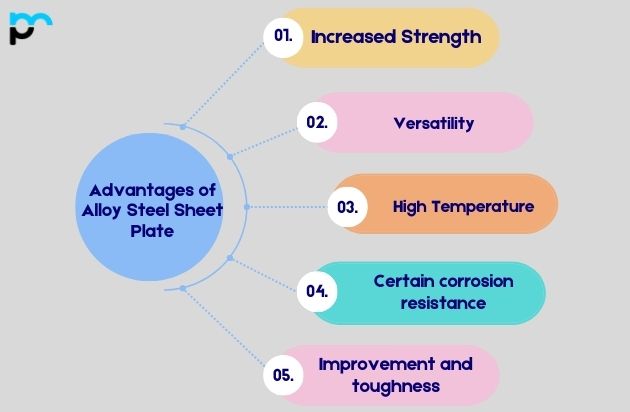
Increased Strength: Alloy steels incorporate extra alloying elements like manganese, chromium, nickel, or molybdenum, which enhance the material’s strength This allows for thinner plates while preserving system integrity, cutting weight so without compromising performance.
Versatility: By adjusting the alloy elements, alloy steel can be shaped to meet particular performance needs. This flexibility enables sheet plates to be adapted for a broad spectrum of uses ranging from building materials to specialized machine components
High Temperature: Alloy steel keeps its strength and mechanical properties at high temperatures, rendering it appropriate for applications that involve elevated temperatures and thermal cycling This characteristic is especially valuable in sectors such as aerospace , automotive, and energy production.
Certain corrosion resistance: Specific alloys, like chromium and nickel, render the alloy steel corrosion resistant, making it fit for use in severe environments where water, chemicals or corrosive elements are frequently present comes This prolongs the lifespan of the composite plates and lowers maintenance expenses.
Improvement and toughness: Alloying elements boost the hardness and toughness of the steel, rendering it more resistant to wear, abrasion and impact than standard carbon steel This makes alloy steel sheet plates well suited for high-wear applications, such as mining and construction machinery . . . .

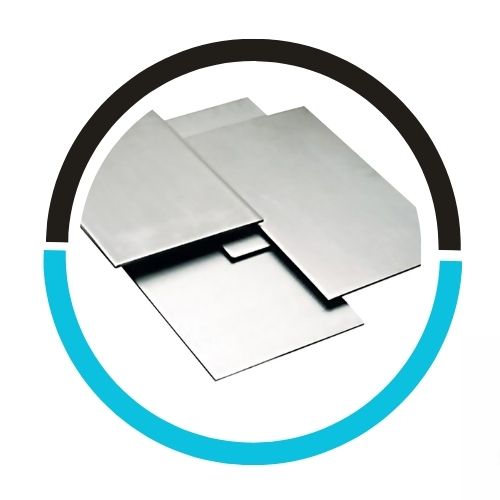
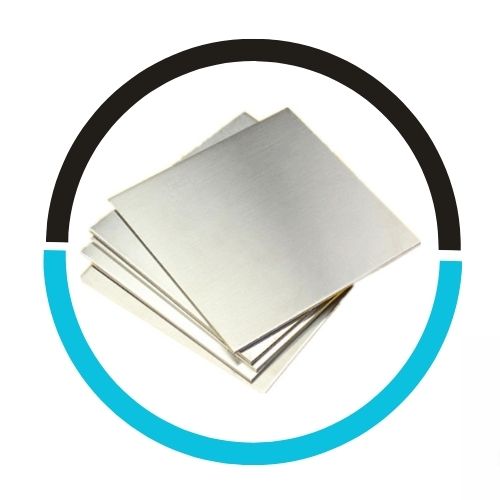
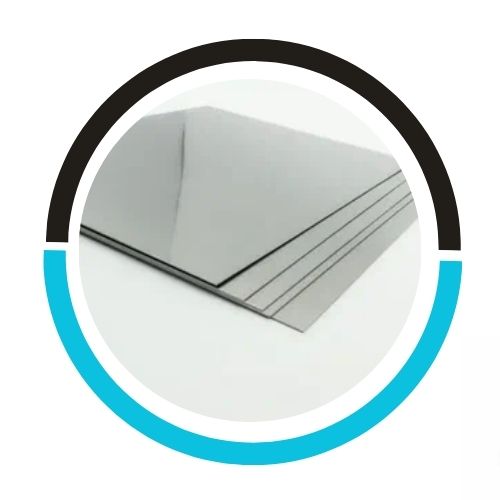
Alloy Steel Sheet and Plate uses are as varied as the industries they support, led mainly by the aerospace, railway, construction and automotive sectors along with petrochemical, nuclear, medical, Oil & Gas, Chemical, Pharmaceutical, Food & Beverage, Nuclear, Thermal Power plants, Paper and Pulp, marine and mining, etc.
Automotive Industry: Alloy steel sheets and plates serve in automotive components like gears, axles, crankshafts and suspension parts thanks to their high strength, hardness and resistance to wear.
Oil and Gas Industry: In the oil and gas sector, alloy steel sheets and plates are applied to drilling equipment, pipeline valves and other products operating in high-pressure and corrosive environments.
Aerospace: The aerospace industry relies on alloy sheets and plates to build aircraft parts, such as landing gear, engine components and components, which demand lightweight materials offering high strength and fatigue tolerance
Machinery and Equipment: Alloy steel plates go into the production of heavy machinery, equipment, and industrial equipment, where strength, rigidity, and corrosion resistance are essential for performance and longevity.
Construction: Applied in building materials like beams, columns, and reinforcing bars because of their strength, durability and capacity to endure high loads and harsh environmental conditions
Define your needs: Define your particular requirements for a metal alloy paper plate. Weigh factors like strength, hardness, corrosion resistance, machinability, and weldability. Which properties you need will depend on the demands of your application.
Observe mechanical properties: Pay close attention to the mechanical properties of alloy steel, such as tensile strength, yield strength, and elongation. These characteristics dictate how the steel behaves under different loads and conditions.
Consider the application: Think about the particular conditions and setting in which the alloy steel sheet plate will operate. For instance, exposure to elevated temperatures or corrosive chemicals will demand high-temperature resistance or strong corrosion resistance
Consult experts: If you have yet to decide which metal alloy to select, seek advice from metallurgists or materials engineers. They can offer useful guidance based on your application requirements and budget.
Understand alloys: Recognize the various types of alloy steel on offer. Metal alloys are grouped according to their chemical composition and mechanical properties. Frequently used alloys include chromium, nickel, molybdenum and vanadium.
Alloy steel sheet plates may be vulnerable to galvanic corrosion when they come into contact with dissimilar metals within a conductive setting. This risk can be reduced through adequate insulation or by employing compatible materials, coatings, or inhibitors, which helps ensure the durability and performance of the alloy steel components.
Yes, Alloy steel sheet plates can be reused once they have served their purpose. Recycling means melting the steel down into a liquid state and then shaping it into fresh products. This method is remarkably efficient and eco-friendly, which makes alloy steel a prized material within the circular economy and lessens the demand for new raw resources.
Yes, Alloy steel sheet plates are prone to corrosion, particularly in severe conditions or upon contact with corrosive materials. Nevertheless, appropriate surface treatments, coatings, and alloy formulations can improve corrosion resistance, prolonging the durability and performance of the material across a range of applications.
When choosing the appropriate alloy steel sheet plate, take into account elements like the strength needed, resistance to corrosion, ability to withstand temperature, and ease of welding. Work with material engineers or suppliers to align the alloy makeup, thickness, and surface finish with the particular demands of your application, guaranteeing the best performance and durability.
Email: sales@santossteel.com