Home > Stainless Steel > Stainless Steel 316L Coils
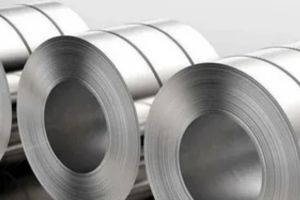
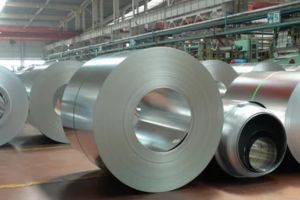
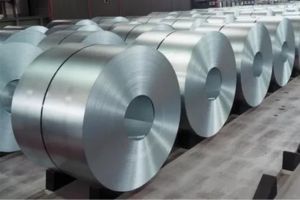
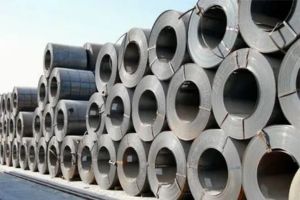
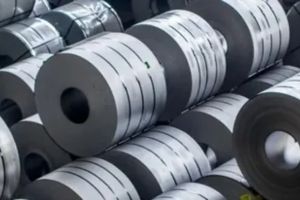
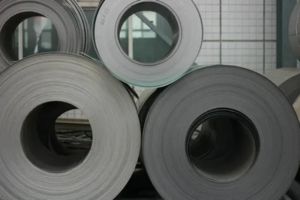
Stainless Steel 316L Coils embody the summit of metallurgical advancement, representing a blend of iron, chromium, and nickel supplemented by molybdenum for improved corrosion resistance in demanding settings. These coils act as a reliable protector, reinforcing products throughout varied industries with unmatched durability and longevity. From the precisely manufactured parts in aerospace engineering to the vital equipment within the pharmaceutical sector, Stainless Steel 316L Coils maintain the highest benchmarks of performance. Their specialized makeup, carefully designed to withstand pitting and crevice corrosion, guarantees dependability even under the most challenging conditions. Whether forming the smooth outlines of marine structures or protecting the purity of food processing equipment, Stainless Steel 316L Coils continue to be an essential foundation of modern manufacturing, effortlessly merging form with excellent functionality.
| Standard | ASTM A240, ASME SA240 |
| Thickness | 0.1mm to 12 mm Thk |
| Coil Width | 1000mm, 1219mm, 1500mm, 1800mm, 2000mm, 2500mm, 3000mm, 3500mm etc. |
| Coil Length | 2000mm, 2440mm, 3000mm, 5800mm, 6000mm etc. |
| Surface | 2B, 2D, BA, NO.1, NO.4, NO.8, 8K, mirror, checkered, embossed, hair line, sandblast, Brush, etching. |
| Finish | Hot rolled (HR), Cold rolled (CR), 2B, 2D, BA NO(8), SATIN (Met with Plastic Coated), Galvanized etc. |
| Density | Melting Point | Tensile Strength | Yield Strength (0.2%Offset) | Elongation |
| 8.0 g/cm3 | 1399 °C (2550 °F) | Psi – 75000 , MPa – 515 | Psi – 30000 , MPa – 205 | 35 % |
| Grade | C | Mn | Si | P | S | Cr | Mo | Ni | N |
| SS 316L | 0.035 max | 2.0 max | 1.00 max | 0.045 max | 0.030 max | 16 – 18 | 2 – 3 | 10 – 14 | 68.89 min |
At Santossteel, we take pride in being the largest supplier and manufacturer in the Brazil, delivering advanced solutions for all your piping requirements. With cutting-edge production facilities strategically situated in the Brazil, we maintain an extensive inventory of more than 25,000 tons of top-quality materials kept ready in stock.
Reach out to us for a fast quote tailored to your requirement.
We provide these Stainless Steel 316L Coils in accordance with DIN, ISO, JIS or ANSI Standard.
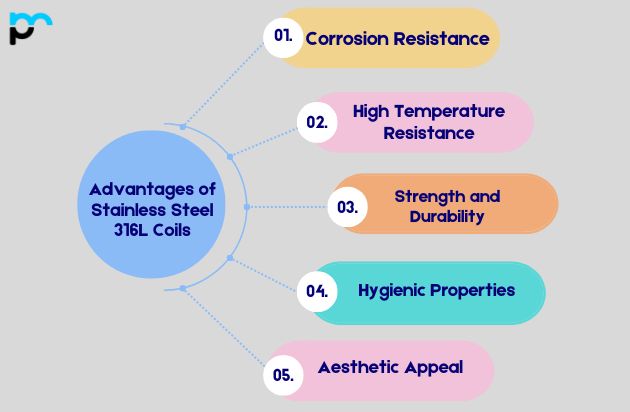
Corrosion Resistance: A key benefit of stainless steel 316L coils is their outstanding resistance to corrosion. Incorporating molybdenum into the steel composition boosts its ability to withstand corrosion caused by different chemicals, acids, and salts, which makes it well-suited for demanding settings such as marine or chemical processing environments.
High Temperature Resistance: Stainless steel 316L coils retain their mechanical properties even under high temperatures, which makes them appropriate for uses where exposure to elevated heat is frequent, such as in heat exchangers or automotive exhaust systems.
Strength and Durability: 316L stainless steel coils provide high tensile strength and outstanding durability, enabling them to bear heavy loads and resist warping, even in demanding conditions.
Hygienic Properties: Stainless steel 316L is non-reactive and simple to clean, which makes it perfect for uses where hygiene is essential, such as in food processing equipment, medical devices, and pharmaceutical manufacturing.
Aesthetic Appeal: Stainless steel has a sleek, contemporary look that brings aesthetic value to products and structures. The smooth surface finish of 316L coils improves their visual appeal and makes them suitable for architectural uses, decorative features, and consumer goods.
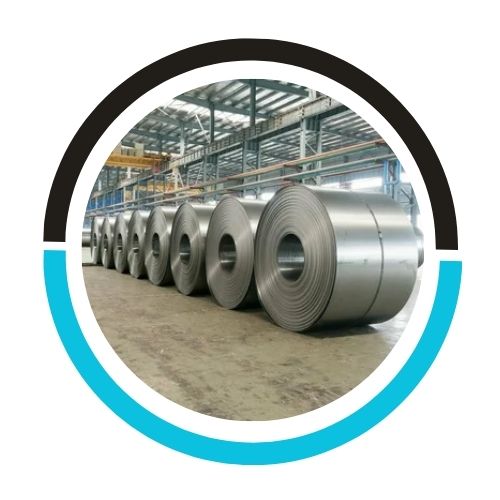
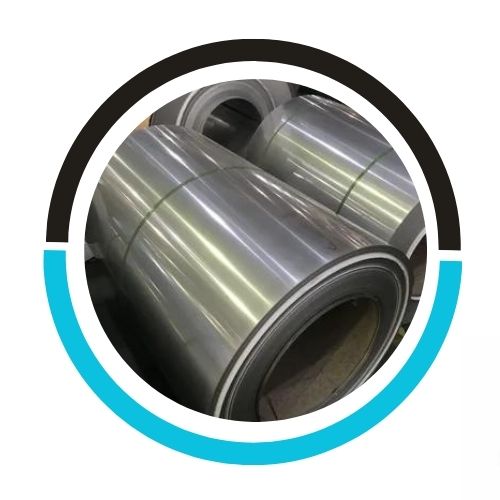
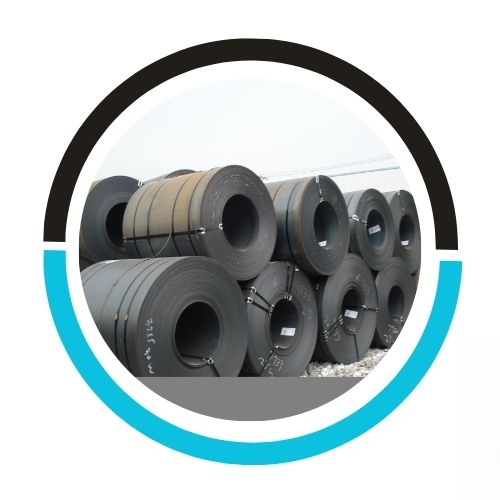
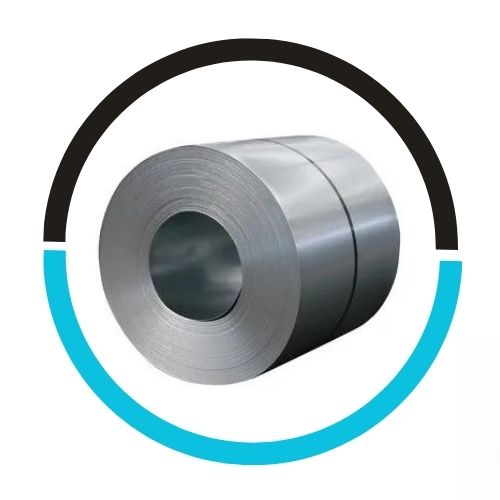
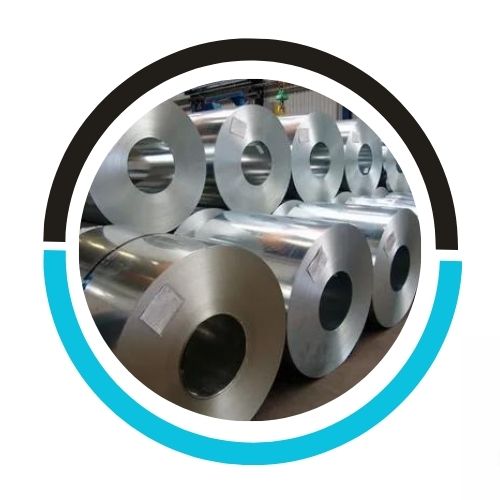
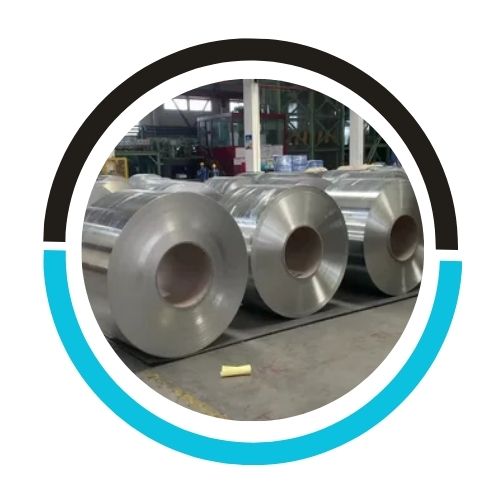
Stainless Steel 316L Coils serve applications as varied as the industries they support, driven mainly by the aerospace, railway, construction and automotive industries along with petrochemical, nuclear, medical, Oil & Gas, Chemical, Pharmaceutical, Food & Beverage, Nuclear, Thermal Power plants, Paper and Pulp, marine and mining, etc.
Chemical Industry: 316L stainless steel coils see extensive use in the chemical industry for equipment including storage tanks, reactors, and piping systems, where withstanding corrosive chemicals is critical.
Food Processing: Thanks to its outstanding corrosion resistance and hygienic characteristics, 316L stainless steel is frequently employed in food processing equipment like conveyors, mixers, and storage tanks.
Medical Equipment: Numerous medical devices and pieces of equipment call for materials that are non-reactive and biocompatible. Stainless steel 316L is regularly applied in medical instruments, surgical tools, and implants.
Pharmaceutical Industry: Pharmaceutical production plants rely on 316L stainless steel coils for equipment such as reactors, storage tanks, and piping systems where cleanliness and corrosion resistance are vital.
Temperature Resistance: Assess the range of temperatures the coils will encounter. Stainless steel 316L offers good resistance to elevated temperatures, but should the application involve extreme heat, you might have to look at alternative grades that provide greater temperature resistance.
Strength and Durability: Identify the mechanical characteristics your application demands, including tensile strength, yield strength, and elongation. Select coils that offer suitable strength and durability to endure the operational stresses and conditions.
Formability and Fabrication: Take into account the formability and fabrication needs of the coils for your particular application. Stainless steel 316L is recognized for its good formability and weldability, which makes it well-suited for a range of fabrication processes including bending, welding, and machining.
Yes, Stainless steel 316L coils are highly recyclable. They can be melted down and reprocessed into new stainless steel products without any loss of their inherent qualities, which makes them an environmentally sustainable option for a wide range of industries. Recycling contributes to conserving resources and lowering the environmental footprint of stainless steel manufacturing.
Stainless steel 316L coils work well alongside many piping materials frequently found in different industries, such as carbon steel, copper, and PVC. Correct installation practices and suitable joining methods guarantee smooth integration, providing flexibility and versatility when designing and building piping systems.
Installation considerations for stainless steel 316L coils involve appropriate surface preparation to avoid contamination, fitting joining techniques such as welding or compression fittings, verifying compatibility with other materials, managing thermal expansion, and adhering to industry standards for handling and installation to preserve the integrity and performance of the coils.
Yes, Stainless steel 316L coils are suitable for underground use because of their outstanding corrosion resistance characteristics. Effective insulation, cathodic protection, and appropriate backfill materials assist in reducing soil corrosion. Sufficient drainage and safeguarding against mechanical damage guarantee the durability and performance of the coils when installed underground.
Email: sales@santossteel.com