Home > Stainless Steel > Stainless Steel 316 Coils
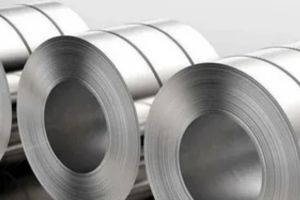
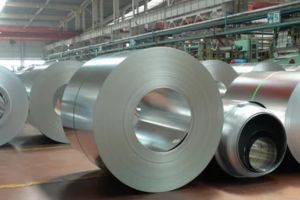
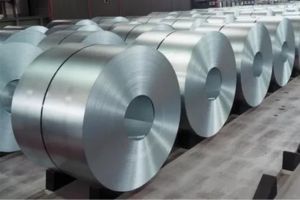
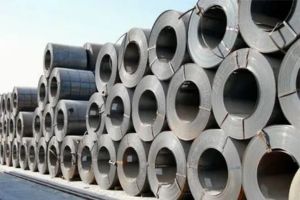
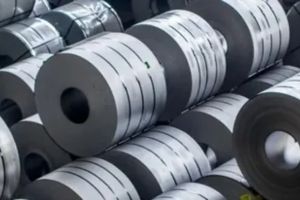
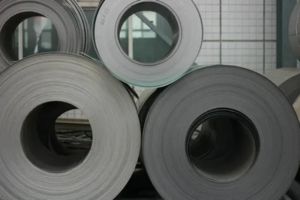
Stainless Steel 316 Coils represent the summit of material engineering, embodying the ultimate in resilience and performance. Made from a precise alloy mixture of chromium, nickel, and molybdenum, these coils raise durability to new heights while preserving outstanding corrosion resistance, even in severe environments. From vital marine applications to demanding chemical processing, Stainless Steel 316 Coils prove to be dependable protectors of structural integrity and longevity. Their custom composition delivers unmatched strength and stability, rendering them essential in industries where reliability is critical. Whether reinforcing offshore structures against corrosive saltwater or safeguarding the purity of pharmaceutical manufacturing processes, Stainless Steel 316 Coils serve as a testament to innovation and excellence in material science.
| Standard | ASTM A240, ASME SA240 |
| Thickness | 0.1mm to 12 mm Thk |
| Coil Width | 1000mm, 1219mm, 1500mm, 1800mm, 2000mm, 2500mm, 3000mm, 3500mm etc. |
| Coil Length | 2000mm, 2440mm, 3000mm, 5800mm, 6000mm etc. |
| Surface | 2B, 2D, BA, NO.1, NO.4, NO.8, 8K, mirror, checkered, embossed, hair line, sandblast, Brush, etching. |
| Finish | Hot rolled (HR), Cold rolled (CR), 2B, 2D, BA NO(8), SATIN (Met with Plastic Coated), Galvanized etc. |
| Density | Melting Point | Tensile Strength | Yield Strength (0.2%Offset) | Elongation |
| 8.0 g/cm3 | 1399 °C (2550 °F) | Psi – 75000 , MPa – 515 | Psi – 30000 , MPa – 205 | 35 % |
| Grade | C | Mn | Si | P | S | Cr | Mo | Ni | N |
| SS 316 | 0.08 max | 2.0 max | 1.0 max | 0.045 max | 0.030 max | 16 – 18 | 2 – 3 | 11 – 14 | 67.845 min |
At Santossteel, we take pride in being the largest supplier and manufacturer in the Brazil, delivering innovative solutions for all your piping requirements. With cutting-edge production facilities strategically situated in the Brazil, we maintain an extensive inventory of more than 25,000 tons of top-quality materials readily on hand in stock.
Reach out to us to receive a fast quote for your needs.
We provide these Stainless Steel 316 Coils in accordance with DIN, ISO, JIS or ANSI Standard.
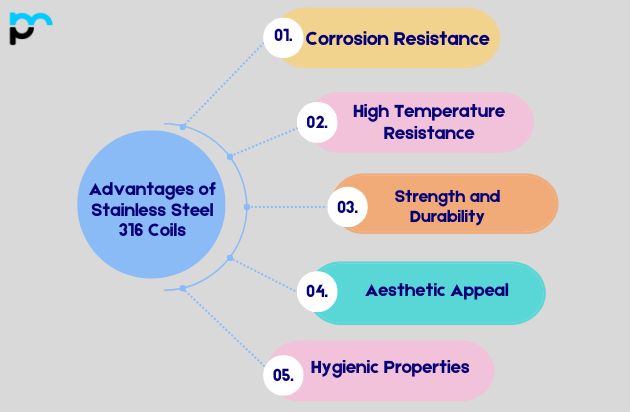
Corrosion Resistance: Grade 316 stainless steel offers strong resistance to corrosion, particularly in demanding conditions involving chloride ion exposure, which makes it well suited for marine settings, chemical processing, and coastal locations.
High Temperature Resistance: It maintains its strength and durability even at high temperatures, which makes it appropriate for uses like heat exchangers, boilers, and furnace parts.
Strength and Durability: Grade 316 stainless steel delivers outstanding mechanical characteristics, such as high tensile strength and toughness, guaranteeing durable performance even under challenging circumstances.
Aesthetic Appeal: With its bright, appealing look and smooth surface finish, it works well for architectural and decorative uses in building projects and interior design.
Hygienic Properties: Grade 316 stainless steel is non-porous and simple to clean, which makes it a good fit for uses in the food and beverage sector, pharmaceuticals, and healthcare where hygiene is essential.
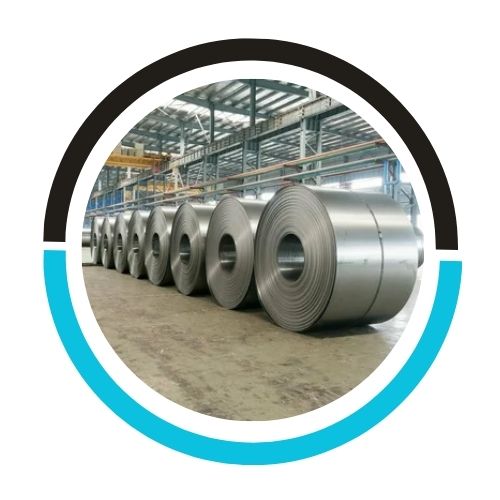
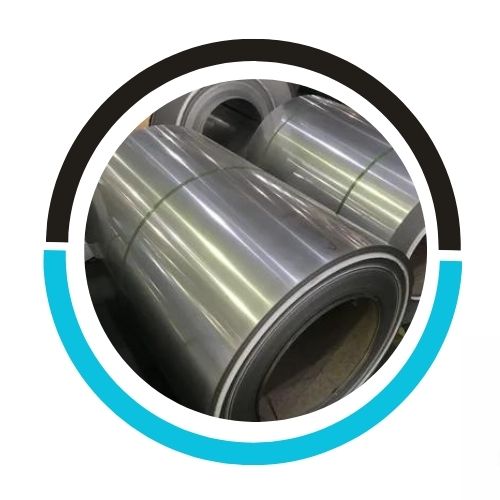
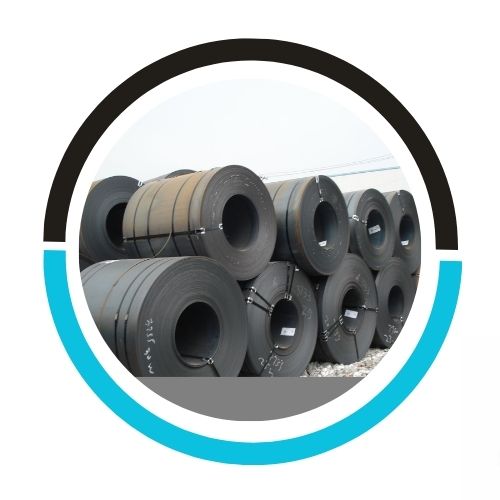
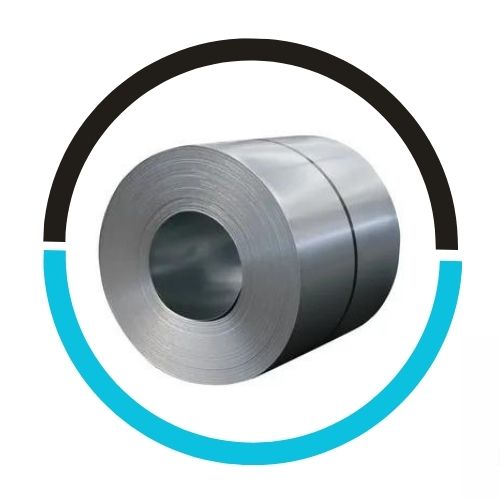
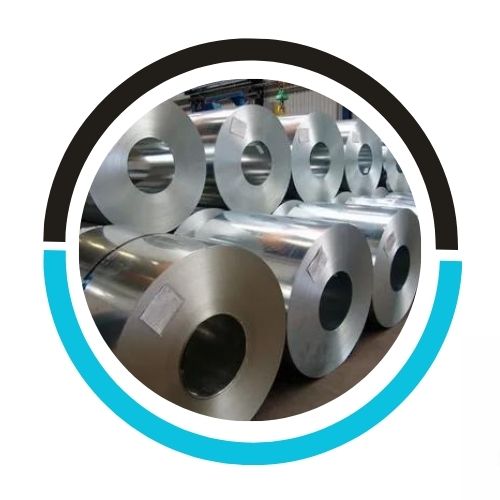
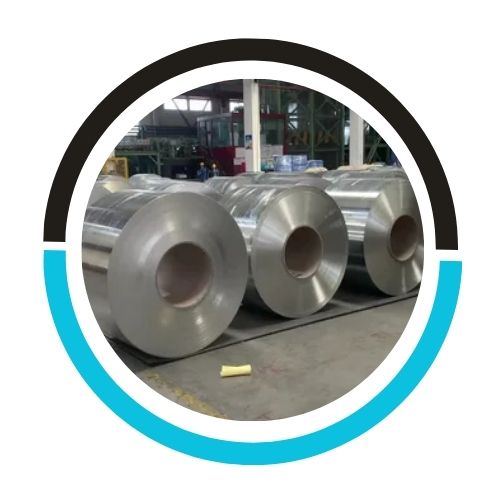
Stainless Steel 316 Coils applications are as varied as the industries they cater to, powered chiefly by the aerospace, railway, construction and automotive sectors along with petrochemical, nuclear, medical, Oil & Gas, Chemical, Pharmaceutical, Food & Beverage, Nuclear, Thermal Power plants, Paper and Pulp, marine and mining, etc.
Chemical Processing: Stainless steel 316 coils are commonly employed in chemical processing equipment because they withstand corrosive chemicals and elevated temperatures. They serve in reactors, heat exchangers, and storage tanks.
Food Processing: Within the food and beverage sector, stainless steel 316 coils are applied in processing equipment, storage tanks, and piping systems. Their hygienic characteristics and resistance to corrosion make them well-suited for handling food products.
Medical Equipment: Stainless steel 316 is frequently chosen for producing medical devices and equipment thanks to its biocompatibility and its ability to endure sterilization processes. It appears in surgical instruments, implants, and medical machinery.
Marine Applications: The marine sector makes wide use of stainless steel 316 coils for boat fittings, underwater equipment, and offshore platforms. Because it resists saltwater corrosion, it is perfect for these kinds of applications.
Corrosion Resistance: Stainless steel 316 is recognized for its outstanding resistance to corrosion, particularly in harsh conditions involving chlorides and acids. Assess how much corrosion resistance your application demands and confirm that the coils satisfy or surpass those requirements.
Temperature Resistance: Identify the range of operating temperatures your application involves. Stainless steel 316 offers strong performance at high temperatures and can endure elevated heat levels. Verify that the coils are able to cope with the temperatures present in your process without sacrificing performance.
Mechanical Properties: Take into account the mechanical properties your application calls for, including tensile strength, yield strength, and hardness. Stainless steel 316 possesses solid mechanical properties, which makes it well-suited for a range of structural and load-bearing uses.
Formability and Fabrication: Assess the coils’ formability and fabrication traits, particularly if they must undergo bending, welding, or other shaping operations during production. Stainless steel 316 can be readily shaped and welded, but selecting coils with suitable metallurgical properties for the planned fabrication techniques is crucial.
Yes, Stainless steel 316 coils are highly recyclable. They can be melted down and reused without losing their inherent properties, making them a sustainable choice. Recycling stainless steel helps conserve resources, reduce environmental impact, and support the circular economy.
Stainless steel 316 coils can work with a range of piping materials, based on the particular use case and surrounding conditions. Nevertheless, it’s important to weigh aspects like galvanic corrosion, thermal expansion coefficients, and chemical compatibility when pairing stainless steel with other materials to guarantee the system’s lasting performance and soundness.
When installing Stainless Steel 316 coils, take into account aspects such as careful handling to avoid damage, compatibility with surrounding materials, accurate alignment, and appropriate fastening techniques. Make certain that insulation is done correctly to avoid galvanic corrosion, and adhere to industry standards and guidelines for welding, fabrication, and installation to guarantee optimal performance and longevity.
Yes, Stainless Steel 316 coils are suitable for underground use thanks to their outstanding resistance to corrosion. Nevertheless, appropriate safeguards such as sufficient drainage, shielding from soil chemicals, and anti-corrosion methods like cathodic protection might be required to guarantee lasting performance and durability in underground settings.
Email: sales@santossteel.com