Home > Nickel Alloy >Nickel Alloy 201 Pipe Fittings
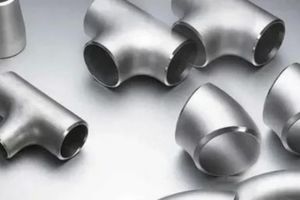
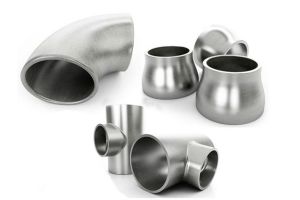
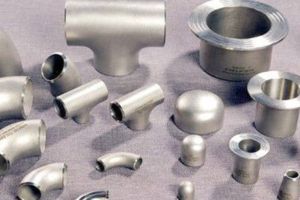
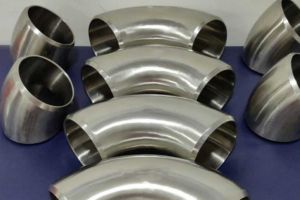
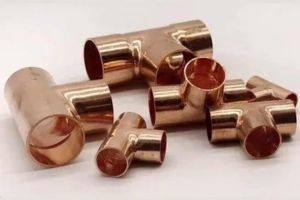
Nickel Alloy 201 Pipe Fittings are essential parts manufactured to order from nickel-based materials celebrated for their outstanding durability against corrosion, high temperatures, and mechanical stress. These fittings act as vital components across industries like chemical processing, petrochemicals, and aerospace, where harsh operating conditions are common. Offered in a range of grades precisely calibrated for specific applications, Nickel Alloy 201 Pipe Fittings provide superior performance, exceeding the constraints of conventional materials. Prized for their strength, weldability, and ability to withstand extreme conditions, these fittings remain vital assets within critical infrastructure and industrial processes, guaranteeing dependability and durability in challenging operational environments.
| Standard | ASTM B366 / ASME SB366 |
| Dimensions | ANSI B16.9, B16.25, B16.28, MSS-SP-43, MSS-SP-48, MSS-SP-59 |
| Size | 1/8” NB TO 48” NB. (Seamless & 100% X-Ray Welded, Fabricated) |
| Type | Seamless / Welded(100% X-Ray Welded) / Fabricated |
| Thickness | Sch 5s, Sch 10s, Sch 40s, Sch 80s, Sch 160s, Sch XXS |
| Bending Radius | R=1D, 2D, 3D, 5D, 6D, 8D, 10D or Custom |
| Grade | Ni | Fe | C | Mn | Si | Cu | Mg | Ti | S |
| Nickel 201 | 99.0 min | 0.4 max | 0.02 max | 0.35 max | 0.2 max | 0.25 max | 0.15 max | 0.1 max | 0.01 max |
| Density | Melting Point | Tensile Strength | Yield Strength (0.2%Offset) | Elongation |
| 8.9 g/cm3 | 1446 °C (2635 °F) | Psi – 67000 , MPa – 462 | Psi – 21500 , MPa – 148 | 45 % |
At Santossteel, we take pride in being the largest supplier and manufacturer in the Brazil, delivering advanced solutions for every piping requirement you may have. With cutting-edge manufacturing facilities strategically situated in the Brazil, we maintain an extensive stock of more than 25,000 tons of top-quality materials kept readily on hand.
Contact us for a fast quote tailored to your requirement.
We supply these Nickel Alloy Pipe Fittings Pipes in accordance with DIN, ISO, JIS or ANSI Standard.
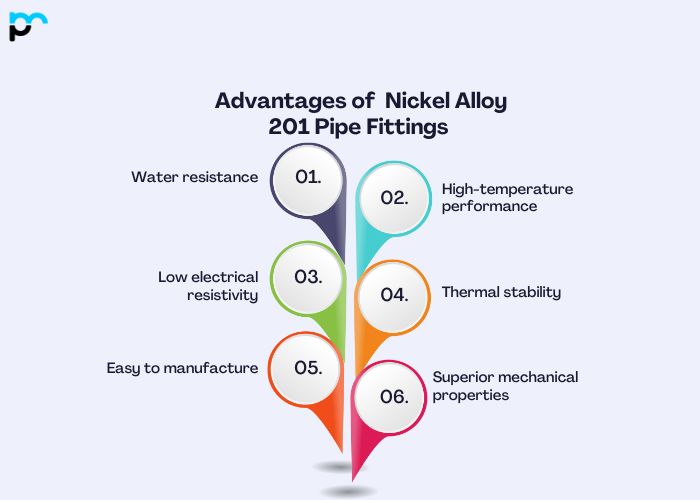
Water resistance: Nickel Alloy 201 shows outstanding resistance to corrosion across a range of media, such as acids, alkalis, and saltwater. This trait proves especially valuable in uses like chemical processing, where corrosion takes place and can inflict serious harm on equipment and piping.
High-temperature performance: Nickel alloy 201 holds onto its mechanical properties even under high temperatures, which makes it well suited for high-temperature uses like refineries, power plants and aerospace applications.
Low electrical resistivity: Nickel alloy 201 features low electrical resistivity, which makes it a perfect material for uses that call for electrical conductivity, such as electrical and electronic components.
Thermal stability: The composite displays outstanding thermal stability and keeps its properties even following extended exposure to high temperatures. This quality matters where thermal cycling or temperature swings are frequent.
Easy to manufacture: Nickel alloy 201 is simple to form and weld, letting it be readily fabricated into various shapes and sizes in pipe fittings. This ease of fabrication supports cost savings and short lead times, and aids the application.
Superior mechanical properties: Nickel alloy 201 delivers superior mechanical properties, including high tensile strength and durability, to guarantee reliable pipe components and durability under operating conditions, even in the most costly.
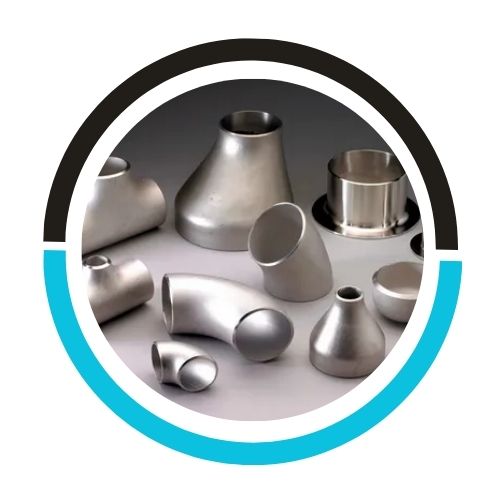
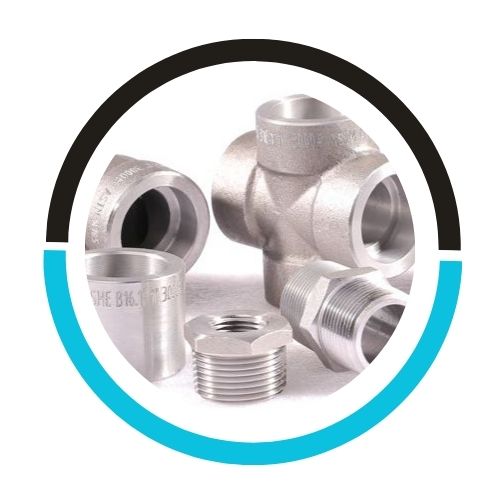
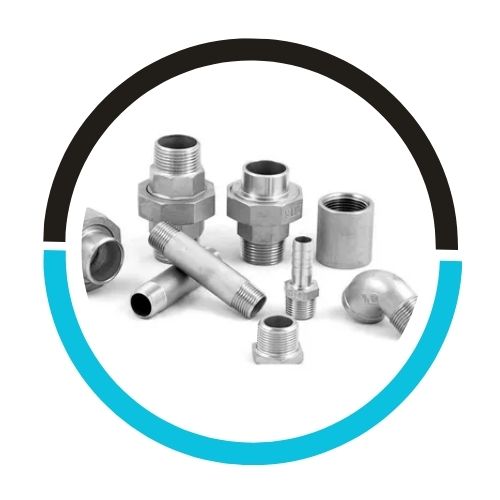
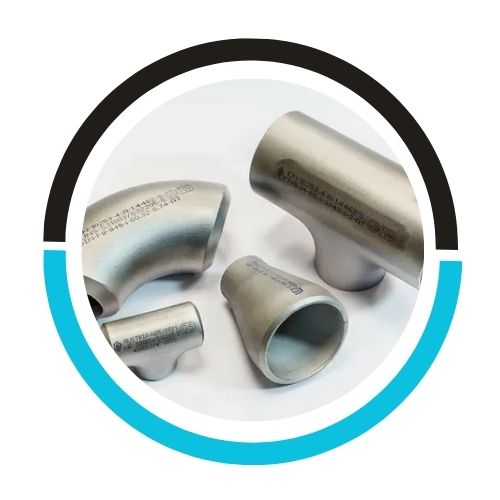
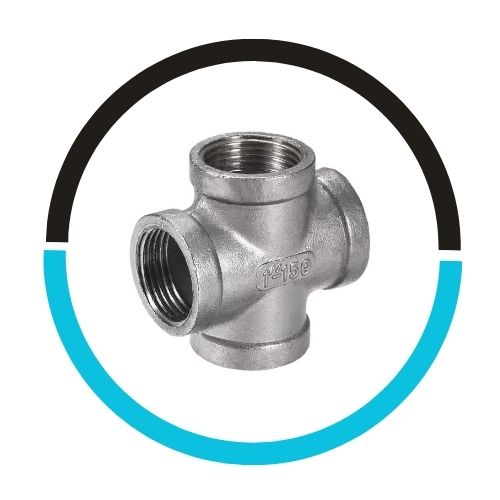
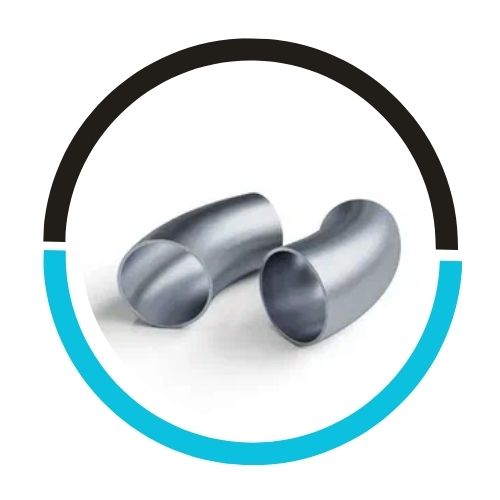
Nickel Alloy 201 Pipe Fittings applications are as varied as the industries they cater to, propelled chiefly by the aerospace, railway, construction and automotive industries along with petrochemical, nuclear, medical, Oil & Gas, Chemical, Pharmaceutical, Food & Beverage, Nuclear, Thermal Power plants, Paper and Pulp, marine and mining, etc.
Chemical applications: Nickel alloy 201 pipe fittings are frequently employed in chemical facilities that demand resistance to chemical corrosion and weathering. They serve in pipes, valves, and other equipment used for corrosion control . . .
conductivity: Owing to their outstanding electrical conductivity, nickel alloy 201 pipe fittings offer benefits in electronics uses. It is applied in electronics manufacturing, primarily in circuits and wiring that call for high conductivity and corrosion resistance.
Aerospace and Safety: Within aerospace and defense uses, where withstanding extreme heat and severe environmental conditions matters, Nickel Alloy 201 pipe fittings are employed in hydraulic fuel systems, aircraft engines and missile parts
Oil and Gas Industry: In the nickel and gas sector, nickel alloy 201 pipe fittings provide corrosion resistance in surface and downstream uses. They are frequently applied in pipelines, valves and other equipment on sites in the form of destruction.
Marine Applications: Nickel Alloy 201 pipe fittings are utilized in marine uses such as shipbuilding, marine oil refining and water desalination thanks to their resistance to seawater corrosion.
Material Compatibility: Nickel Alloy 201 is a commercially pure nickel alloy recognized for its outstanding resistance to corrosion in reducing conditions. Confirm that it is likewise constructed from Nickel Alloy 201 or compatible material fittings chosen to avoid galvanic corrosion.
Pressure and Temperature Check: Review the pressure and temperature requirements of your application. Choose fittings rated to handle the maximum input pressure and temperature. Nickel alloy 201 generally offers good mechanical properties across high and low temperatures, but verify that the filler satisfies your requirements.
Size and Configuration: Determine the size and arrangement of fittings required to join your pipes. Take into account factors like pipe size, wall thickness, and the kind of connection needed (e.g., threaded, socket welded, butt welded). Confirm that the fittings have the correct dimensions and layout for your piping system.
Corrosion Resistance: Nickel Alloy 201 is highly corrosion-resistant, particularly in environmentally cleaning environments like sulfuric acid and alkaline solutions. Nevertheless, take into account the particular corrosive elements of your application and confirm that the fittings deliver sufficient strength to withstand them.
Construction Standards: Seek out fixtures that comply with suitable manufacturing standards and specifications, such as ASTM, ASME, or DIN standards. Following these standards guarantees the quality, reliability, and interchangeability of inputs from various manufacturers.
To choose the correct Nickel Alloy 201 pipe fittings, take into account compatibility, pressure and temperature ratings, resistance to corrosion, size, manufacturing standards, quality, cost, and supplier support. Make sure fittings suit your application’s requirements for durability, performance, and regulatory compliance, while also staying within budget and timeline constraints.
Nickel Alloy 201 pipe fittings are recognized for their superior corrosion resistance, especially in reducing environments like sulfuric acid and alkaline solutions. Nevertheless, they can corrode under severe conditions or when exposed to specific corrosive agents, making compatibility with the application essential.
Nickel Alloy 201 pipe fittings typically resist galvanic corrosion because of their elevated nickel content, which serves as a barrier against galvanic reactions. That said, galvanic corrosion can develop when they are paired with dissimilar metals, especially ones whose electrode potentials differ substantially. Taking compatibility into account is crucial to avoid this.
Nickel Alloy 201 pipe fittings may work well for underground uses thanks to their strong resistance to corrosion, especially in reducing environments. That said, considerations like soil makeup, moisture content, and the risk of mechanical damage should be taken into account. To ensure lasting performance, correct installation methods and corrosion protection steps might be required.
Email: sales@santossteel.com