Home > Nickel Alloy > Nickel Alloy 201 Forged Fittings
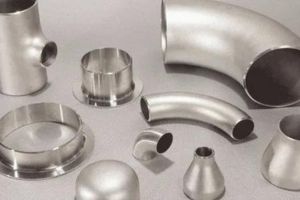
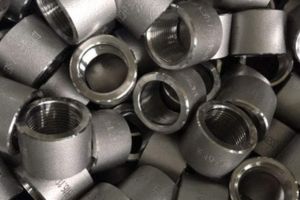
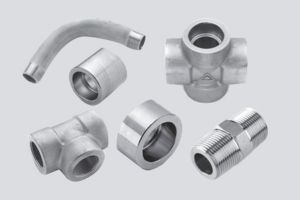
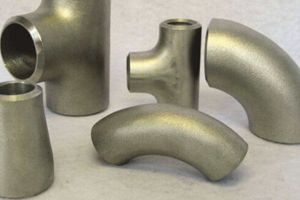
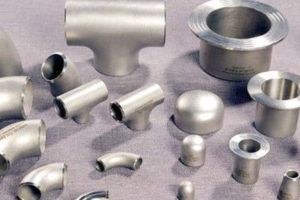
Nickel Alloy 201 Forged Fittings are essential elements built for demanding industrial environments like chemical processing, aerospace, and marine applications. Made from high-grade nickel alloy, they deliver exceptional corrosion resistance, even under severe conditions. Celebrated for their remarkable mechanical characteristics, such as high tensile strength and oxidation resistance, these fittings guarantee dependable connections and structural stability in tough conditions. From elbows to couplings, Nickel Alloy 201 Forged Fittings provide sturdy construction and unmatched performance, making them the go-to option for essential operations across a wide range of industries.
| Specifications | ASTM B366 / ASME SB366 |
| Size | Seamless Butt Weld Fittings: 1/2″ – 24″, Welded Butt Weld Fittings: 1/2″ – 48″ |
| Standards | ASME/ANSI B16.9, ASME B16.28, MSS-SP-43 |
| Thickness | 5s, 10s, 40s, 80s, 10, 20, 40, STD, 60, 80, XS, 100, 120, 140, 160, XXS available with NACE MR 01-75 |
| Type | Seamless / Welded / Fabricated |
| Grade | Nickel 201 |
|---|---|
| Density | 8.9 g/cm3 |
| Melting Point | 1446 °C (2635 °F) |
| Yield Strength (0.2%Offset) | Psi – 21500 , MPa – 148 |
| Tensile Strength | Psi – 67000 , MPa – 462 |
| Elongation | 45 % |
| Grade | Nickel 201 |
|---|---|
| Ni | Balance |
| C | 0.15 max |
| Mo | – |
| Mn | 0.35 max |
| Si | 0.35 max |
| Fe | 0.40 max |
| P | – |
| S | 0.01 max |
| Cu | 0.25 max |
| Cr | – |
At Santossteel, we take pride in being the largest supplier and manufacturer in the Brazil, delivering advanced solutions for every one of your piping requirements. With cutting-edge production facilities strategically situated in the Brazil, we hold an extensive inventory of more than 25,000 tons of top-quality materials kept ready in stock.
Get in touch with us for a fast quote tailored to your requirement.
Nickel Alloy 201 Forged Fittings are supplied by us in compliance with DIN, ISO, JIS or ANSI Standard.
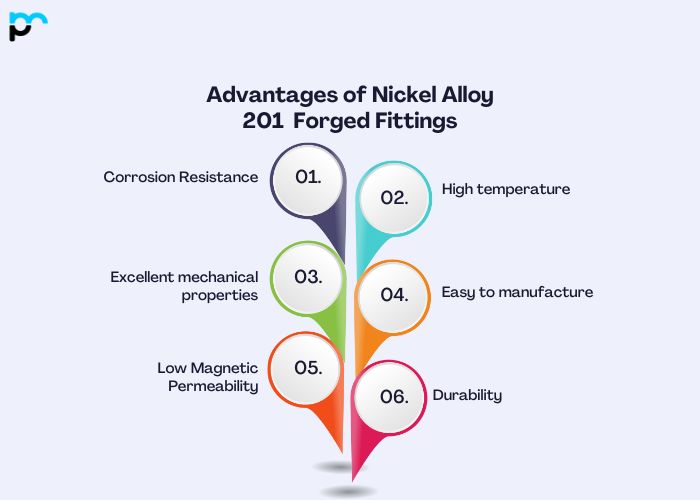
Corrosion Resistance: Nickel alloy 201 offers outstanding resistance to corrosion in reducing as well as neutral environments. This property makes it well-suited for fields like the chemical sector, marine settings, and the oil and gas industry where corrosion poses a challenge.
High temperature: These inserts are able to endure elevated temperatures while retaining their mechanical properties. As a result, they are appropriate for high-temperature uses, including the power generation and aerospace industries.
Excellent mechanical properties: Nickel alloy 201 mesh fittings display superb mechanical properties, such as high tensile strength and durability. Because of this, they prove more dependable and long-lasting in demanding applications.
Easy to manufacture: Simple to fabricate, machine and weld, permitting versatility in design and setup. This streamlines manufacturing efficiency and lowers total production expenses.
Low Magnetic Permeability: Nickel alloy 201 possesses low magnetic permeability, which makes it fitting for applications where reducing magnetic interference matters, such as electrical equipment and magnetic resonance imaging (MRI) equipment
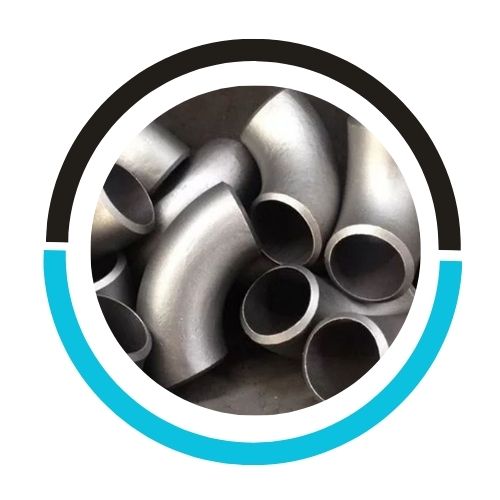
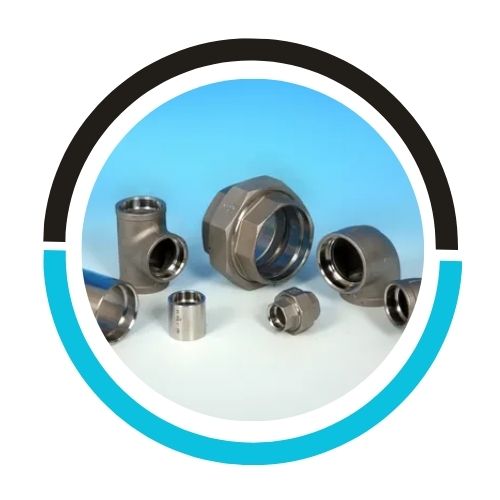
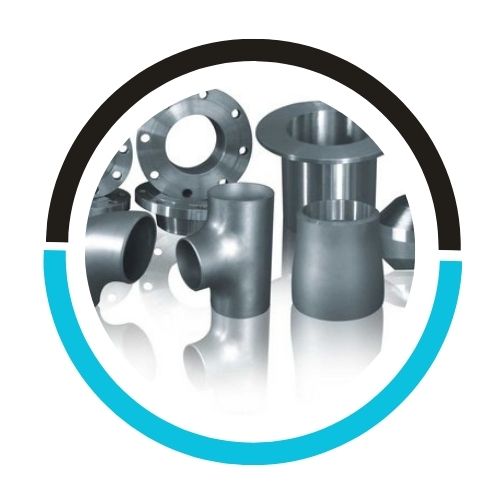
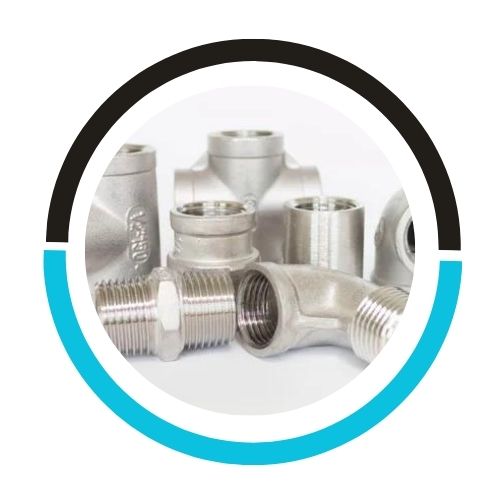
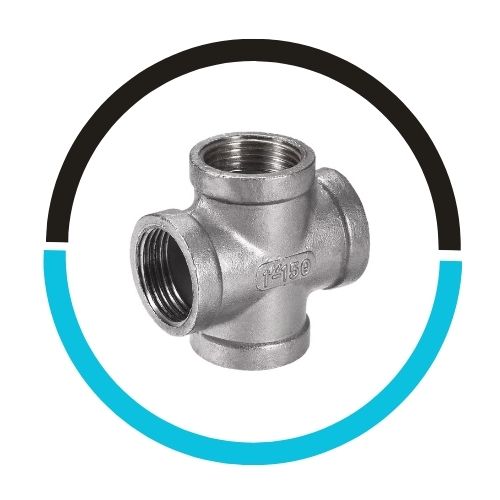
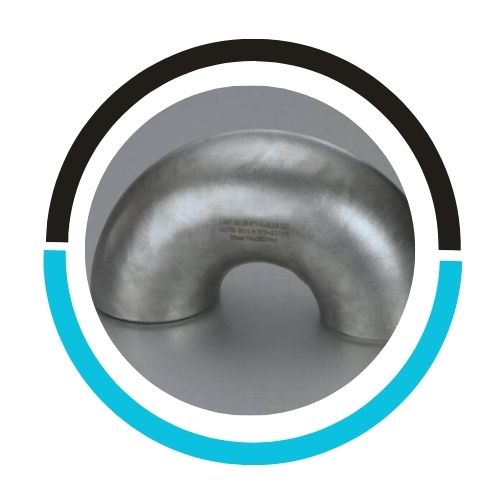
Nickel Alloy 201 Forged Fittings applications are as varied as the industries they support, driven mainly by the aerospace, railway, construction and automotive industries along with petrochemical, nuclear, medical, Oil & Gas, Chemical, Pharmaceutical, Food & Beverage, Nuclear, Thermal Power plants, Paper and Pulp, marine and mining, etc.
Chemical applications: Nickel alloy 201 mesh fittings are frequently employed in the chemical sector owing to their corrosion-resistant characteristics. They withstand aggressive chemicals, acids and alkalis, which makes them appropriate for uses like reactors, containers and piping systems.
Marine applications: These materials see extensive use in marine settings thanks to their resistance to seawater erosion and breakdown. They are put to work in shipbuilding, offshore oil refineries and desalination plants.
Electronics: Nickel alloy 201 forged fittings are applied in the electronics sector, particularly in producing electronic components and devices. Their strong electrical conductivity and thermal stability render them well suited for electrical uses.
Aerospace: In aerospace uses, where parts encounter extreme temperatures and corrosive surroundings, nickel alloy 201 forged fittings are selected for their high strength, corrosion resistance and thermal expansion behavior a because it is low
Oil and Gas: These materials are applied in oil and gas processing facilities, including oil and gas pipelines, where their resistance to corrosion and high pressure conditions in the atmosphere a state of sulphur makes it suitable for such materials.
Food processing: Nickel alloy 201 mesh fittings serve in food processing thanks to their low reactivity with food and resistance to corrosion from acidic and salty foods
Corrosion resistance: Nickel alloy 201 is recognized for its outstanding resistance to corrosion, particularly in corrosion reducing environments. Take into account the kind of corrosive medium surrounding your fitting and confirm that Nickel Alloy 201 is suitable. This material withstands acids, alkalis and numerous corrosive agents, which makes it appropriate for a broad spectrum of applications.
Temperature and pressure: Review the temperature and pressure conditions present in your application. Nickel alloy 201 forged fittings display superior mechanical properties across both high and low temperatures. Confirm that the fittings can endure heat and operating pressures without deforming or failing.
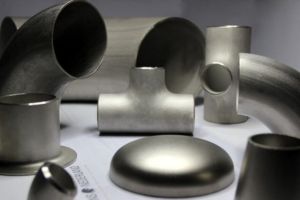
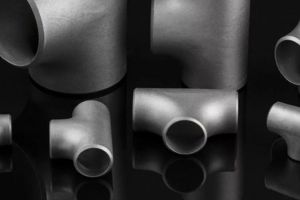
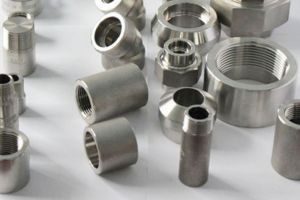
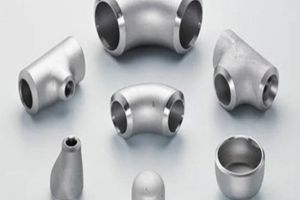
Size and Dimensions: Pick fittings that match your piping system or equipment size and dimension needs. Nickel Alloy 201 Forged Fittings come in numerous sizes and configurations, including elbows, tees, couplings and unions. Opt for the fittings that deliver the correct fit and connection for your particular application.
Compatibility: Take into account how well Nickel Alloy 201 works alongside other parts in your system such as piping, valves, and equipment. Confirm that there are no problems with galvanic corrosion or material contact that could impact the performance and integrity of the fitting.
Industry Standards: Verify that nickel alloy 201 forged fittings comply with applicable industry standards and specifications, such as ASTM, ASME, ANSI, and DIN standards. Conforming to these standards guarantees the quality, reliability and performance of the fittings in your application.
Yes, Nickel Alloy 201 Forged Fittings can be recycled. Nickel-based alloys such as Alloy 201 are able to be recycled using different methods like melting and refining. Recycling aids in conserving resources, cuts down energy usage, and lessens environmental impact. Correct recycling techniques make sure that materials such as Nickel Alloy 201 can be reused effectively, supporting sustainable practices across manufacturing and industry.
Nickel Alloy 201 Forged Fittings can work with a range of piping materials, depending on the particular application and conditions. They are frequently paired with stainless steel, carbon steel, and other nickel alloys. Compatibility factors like corrosion resistance, temperature, and pressure requirements are essential for successful integration.
When installing Nickel Alloy 201 Forged Fittings, take into account elements such as correct alignment, torque specifications for fastening, and appropriate sealing materials to avoid leaks. Furthermore, verify that they are compatible with other piping parts and comply with applicable industry standards and codes. Careful inspection and testing both before and after installation are crucial for peak performance and safety.
Nickel Alloy 201 Forged Fittings are generally not advised for potable water applications because nickel may leach into the water, which can surpass regulatory limits and raise health concerns. Materials that are specifically certified for potable water systems, like stainless steel or brass, represent more appropriate options.
Email: sales@santossteel.com