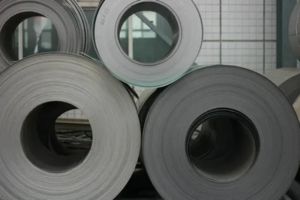
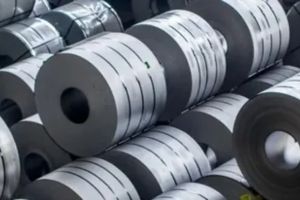
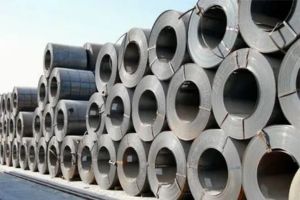
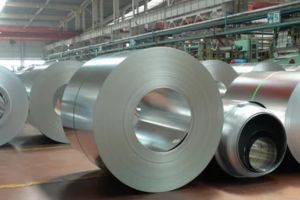
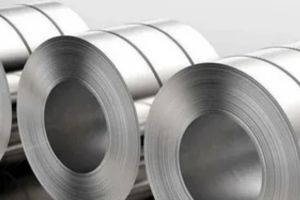
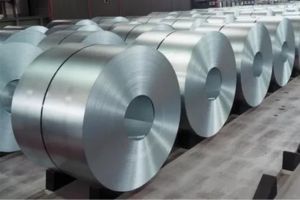
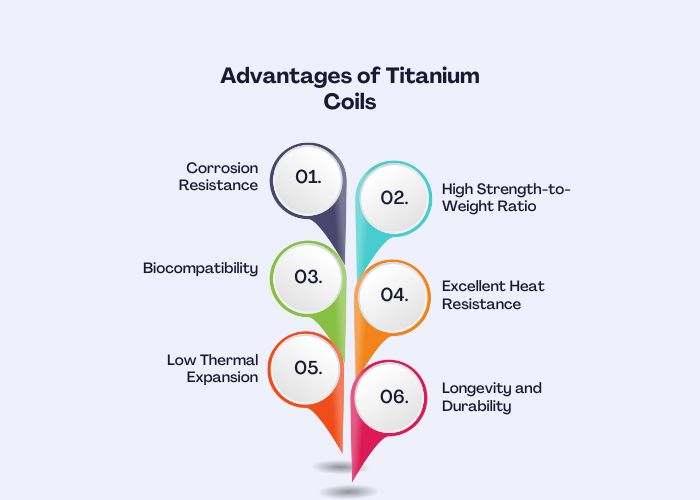
Titanium Coils are constructed from titanium, a durable and corrosion-resistant material. These coils are utilized across various industries such as aerospace, medicine, and chemical processing thanks to titanium’s lightweight quality and corrosion resistance. Typically formed into coils, they function in uses like heat exchangers and springs, taking advantage of titanium’s remarkable strength-to-weight ratio and toughness under extreme conditions. Moreover, titanium’s biocompatibility renders it appropriate for medical implants. Titanium coils are prized for their longevity and dependability in vital industrial and medical environments.
| Item | Titanium Grade 1 (Hot rolled, cold rolled) | |
| Thickness | 0.3~10.0mm | |
| Width | 1000mm, 1219mm, 1500mm, 1800mm, 2000mm, 2500mm, 3000mm, 3500mm, etc | |
| Length | 2000mm, 2440mm, 3000mm, 5800mm, 6000mm, etc | |
| Standard | JIS, AISI, ASTM, GB, DIN, EN, etc | |
| Surface | the surface and finish of stainless steel Titanium Grade 1 : 2B, 2D, BA, NO.1, NO.4, NO.8, 8K, mirror, checkered, embossed, hair line, sand blast, Brush, etching, etc |
|
| Brand: | Indian Origin, European Origin, Japanese Origin, US Origin, Korea Origin, Thailand Origin, Taiwan Origin |
|
| Manufacturer: | POSCO, Aperam, Jindal Stainless, DKC Korea, Thyssenkrup, Baosteel, TISCO, Arcelor Mittal, VDM, Nippon Metal, Outokumpu |
|
| Package | Shrink-wrapped ,Carton boxes,Wooden pallets,Wooden boxes ,Wooden crates Etc. required. |
|
|
Density g/cm³ |
Ultimate Tensile Strength – ksi |
Yield Strength – ksi |
Elongation % |
|
|
4.5 g/cm3 |
Psi – 49900 , MPa – 344 |
Psi – 39900 , MPa – 275 |
20 |
|
Grade |
C |
N |
O |
H |
Th |
Fe |
|
|
Titanium Grade 2 UNS R50400 Sheets |
0.3 max |
0.1 max |
0.015 max |
0.3 max |
0.25 max |
0.03 max |
At Santossteel, we take pride in being the largest supplier and manufacturer in the Brazil, delivering advanced solutions for all your piping requirements. With cutting-edge production facilities strategically situated in the Brazil, we maintain an extensive inventory of more than 25,000 tons of top-quality materials kept ready in stock.
Reach out to us for a fast quote tailored to your needs.
We provide these Titanium Coils in accordance with DIN, ISO, JIS or ANSI Standard.
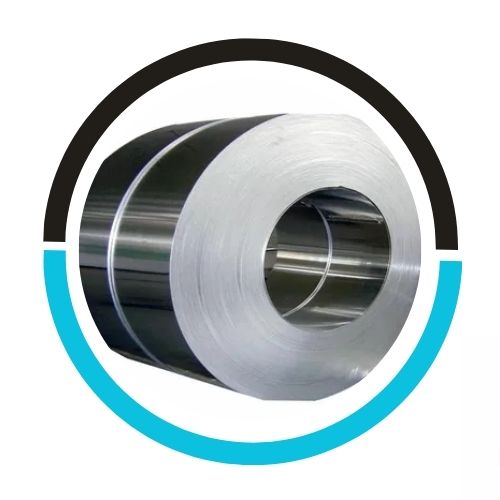
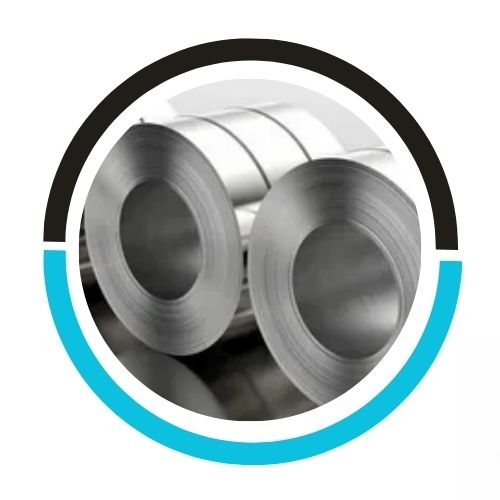
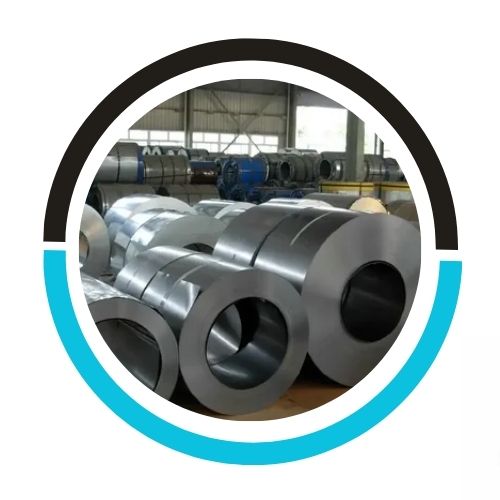
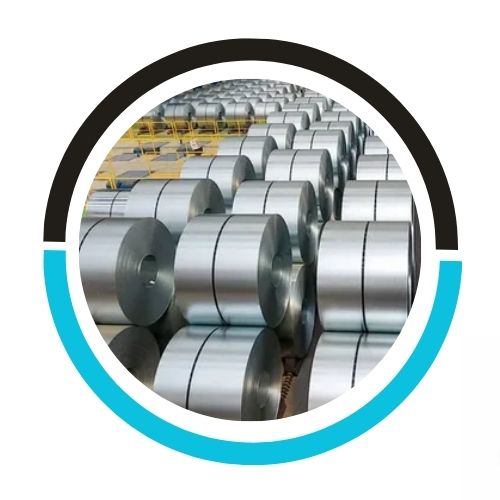
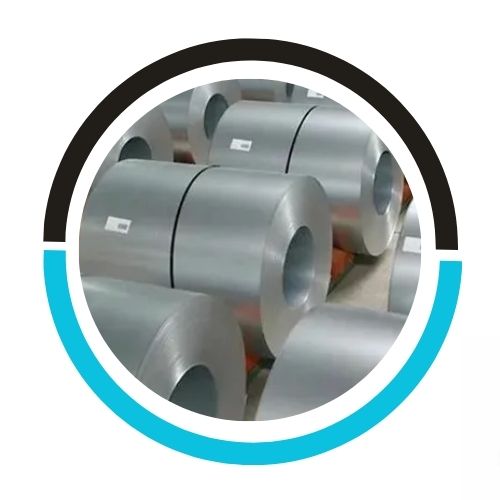
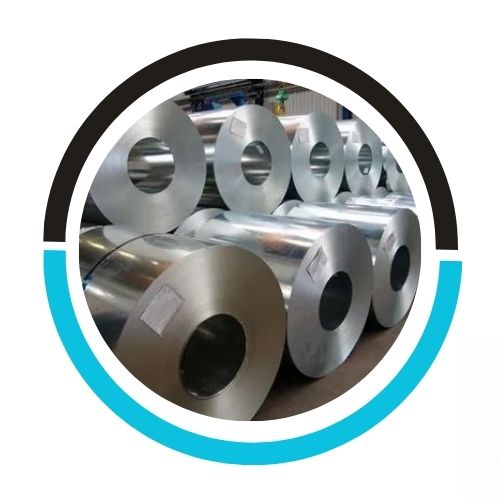
Titanium Coils find uses across a wide range of industries, led mainly by the aerospace, railway, construction and automotive sectors, along with petrochemical, nuclear, medical, Oil & Gas, Chemical, Pharmaceutical, Food & Beverage, Nuclear, Thermal Power plants, Paper and Pulp, marine and mining, etc.
Yes, welding titanium coils is possible, though special care is required owing to titanium’s distinctive characteristics. At high temperatures, titanium becomes extremely reactive and susceptible to contamination by oxygen, nitrogen, and other impurities, all of which can undermine the soundness of the weld.
Titanium coils are used across a range of industries thanks to their distinctive characteristics. Within medical fields, they serve in implants and medical devices owing to their biocompatibility and corrosion resistance. In the aerospace sector, titanium coils are put to use in aircraft components where strength, low weight, and tolerance of high temperatures are essential. On top of that, they see use in chemical processing for their ability to withstand corrosion and high temperatures. In electronics, titanium coils appear in numerous applications like sensors and heating elements thanks to their outstanding conductivity and durability. On the whole, titanium coils are prized for their adaptability, strength, and ability to endure harsh conditions, which makes them well suited to a broad spectrum of applications throughout different sectors.
For joining titanium coils, multiple welding methods are advised depending on the particular application needs and the characteristics of titanium. TIG (tungsten inert gas) welding is frequently employed because of its accuracy and capacity to generate high-quality welds, especially in thin sections. Furthermore, electron beam welding and laser welding work well for titanium coils since they offer precise regulation of the heat input, reducing distortion and safeguarding the material’s properties. It’s crucial to guarantee proper shielding gas and cleanliness while welding to avoid contamination and uphold the integrity of the weld. In summary, choosing the right welding method relies on factors like the thickness of the coils, the desired weld quality, and production efficiency.
Yes, machining or shaping titanium coils calls for particular attention because of titanium’s distinctive characteristics. Titanium is prone to work-hardening and may interact with cutting tools under high heat, which results in tool wear and a subpar surface finish. For this reason, it’s essential to use sharp tools crafted from materials such as high-speed steel or carbide and to apply suitable cutting speeds and feeds to keep heat generation low. On top of that, coolant should be applied to draw away heat and lubricate the cutting operation, lowering the chance of tool damage and enhancing the surface finish. Titanium coils must likewise be managed with care to prevent deformation or surface harm throughout fabrication. All in all, correct tool selection, cutting parameters, and handling methods are vital for effectively machining and fabricating titanium coils.
Email: sales@santossteel.com