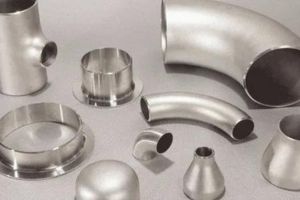
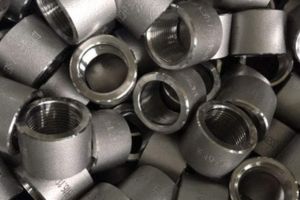
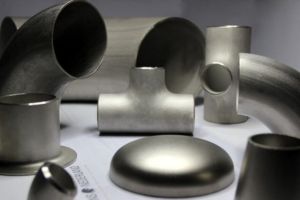
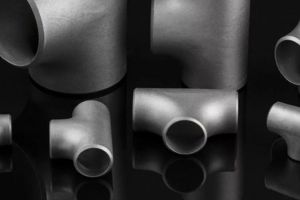
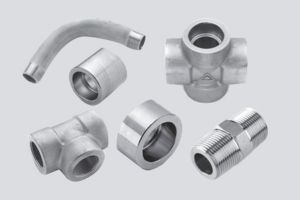
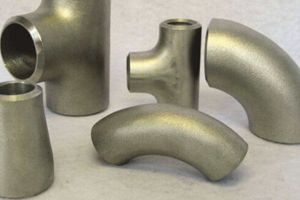
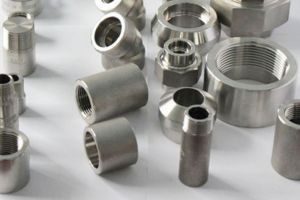
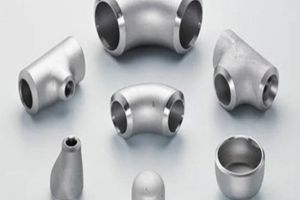
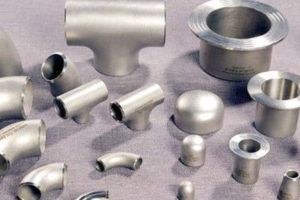
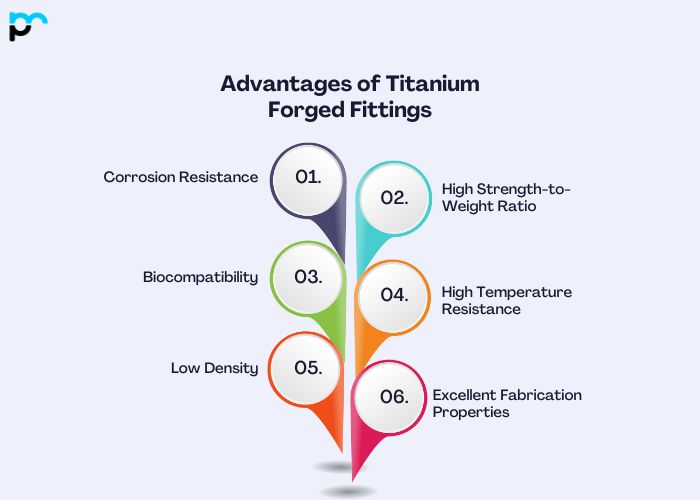
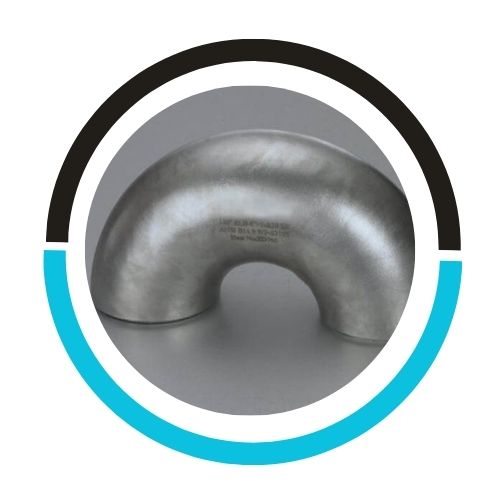
Titanium Forged Fittings are components crafted from titanium, a lightweight and corrosion-resistant metal recognized for its outstanding strength and durability. These fittings see broad use in industries such as aerospace, chemical processing, and medical applications where corrosion resistance, a high strength-to-weight ratio, and biocompatibility are vital. Titanium Forged Fittings deliver superior performance in harsh environments and extreme temperatures. They come in various grades, offering flexibility in designing and maintaining piping systems exposed to demanding conditions.
| Specification : | ASTM B 363 / ASME SB 363. |
| Dimensions : | ASME B16.9, ANSI B16.9, ASME B16.28, ANSI B16.28, ANSI B16.25, MSS-SP-43. |
| Size : | ½”NB to 24”NB in Sch 10s, 40s, 80s, 160s, XXS. |
| Schedule : | SCH 10, SCH20, SCH30, SCH40 |
| Types : | Seamless / ERW / Welded / Fabricated |
| Grades : | Titanium Gr 1, Titanium Gr 2, Titanium Gr-5, Titanium Gr 7 |
| Element | Density | Melting Point | Tensile Strength | Yield Strength (0.2%Offset) | Elongation |
| Titanium Gr. 2 | 4.5 g/cm3 | 1665 °C (3030 °F) | Psi – 49900 , MPa – 344 | Psi – 39900 , MPa – 275 | 20 % |
| Titanium Gr. 5 | 4.43 g/cm3 | 1632 °C (2970 °F) | Psi – 138000 , MPa – 950 | Psi – 128000 , MPa – 880 | 14 % |
| Grade | Ti | C | Fe | H | N | O | Al | V |
| Ti Grade2 | 99.2 min | 0.1 max | 0.3 max | 0.015 max | 0.03 max | 0.25 max | – | – |
| Ti Grade5 | 90 min | – | 0.25 max | – | – | 0.2 max | 6 min | 4 min |
At Santossteel, we take pride in being the largest supplier and manufacturer in the Brazil, delivering advanced solutions for all your piping requirements. Backed by cutting-edge production facilities strategically situated in the Brazil, we maintain an extensive inventory of more than 25,000 tons of top-quality materials always kept in stock.
Reach out to us for a fast quote tailored to your needs.
We supply These Titanium Forged Fittings in accordance with DIN, ISO, JIS or ANSI Standard.
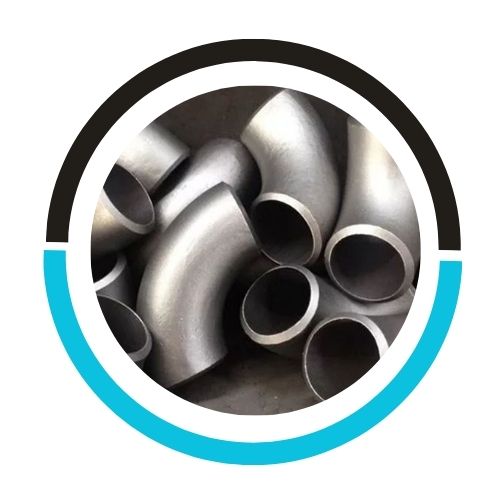
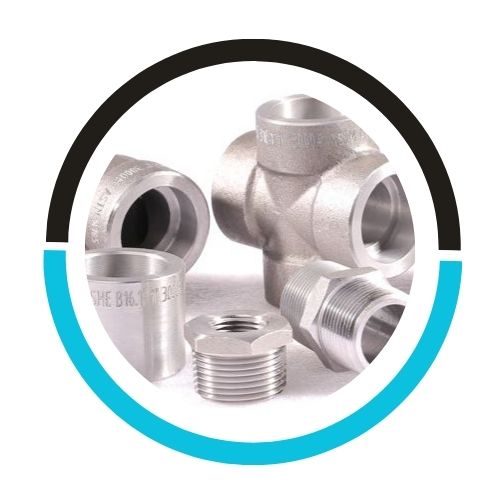
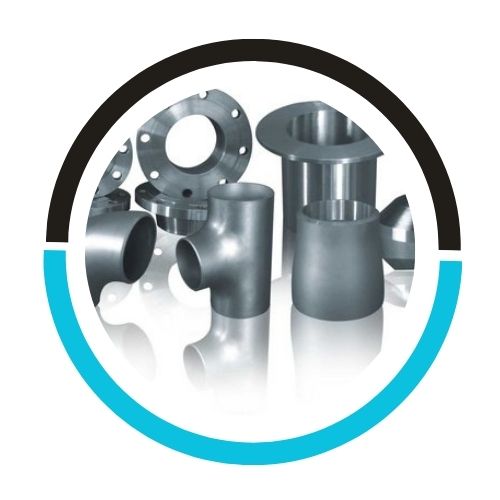
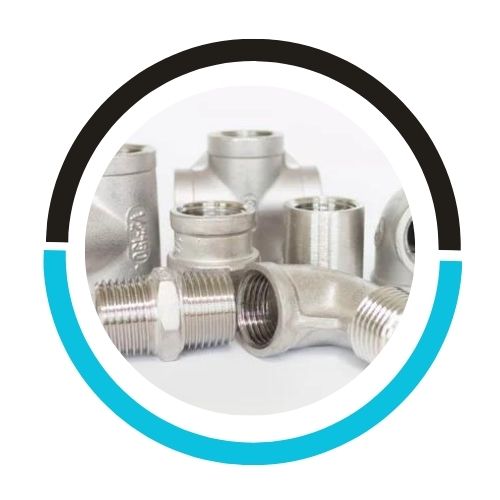
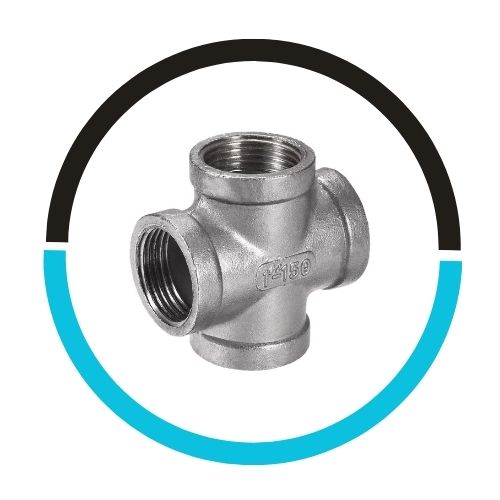
Titanium Forged Fittings serve applications that are as varied as the industries relying on them, led mainly by the aerospace, railway, construction and automotive sectors along with petrochemical, nuclear, medical, Oil & Gas, Chemical, Pharmaceutical, Food & Beverage, Nuclear, Thermal Power plants, Paper and Pulp, marine and mining, etc.
Yes Titanium Forged Fittings can be recycled. Titanium is a material with excellent recyclability, and Titanium Forged Fittings can be melted down and repurposed to make new products without diminishing their mechanical properties or quality. Recycling Titanium Forged Fittings contributes to preserving natural resources, lowering energy usage, and reducing the environmental footprint linked to extracting and processing raw materials. Correct recycling procedures should be observed to guarantee effective recovery and reuse of titanium materials.
Yes, Titanium Forged Fittings work with a broad selection of piping materials frequently found in industrial applications, such as stainless steel, carbon steel, alloy steel, and several kinds of plastic pipes. This compatibility provides flexibility when designing piping systems, enabling smooth integration of titanium fittings with various materials while preserving structural integrity and performance. Nevertheless, careful attention must be paid to aspects like corrosion compatibility, mechanical properties, and operating conditions in order to achieve optimal performance and durability of the piping system.
Titanium Forged Fittings are generally dimensioned in line with industry standards like ASME B16.11 or ASME B16.9. The sizing relies on nominal pipe size (NPS) and wall thickness, and fittings come in a variety of sizes ranging from 1/8″ to 4″ or bigger, depending on the application. The dimensions and specifications of Titanium Forged Fittings are standardized to guarantee compatibility and interchangeability with piping systems, enabling straightforward installation and maintenance.
Yes Titanium Forged Fittings can indeed be joined by welding when the right welding methods and procedures are applied. That said, because titanium is highly reactive and prone to contamination and oxidation when exposed to high temperatures, welding it calls for special measures, such as employing inert gas shielding, keeping welding surfaces clean, and managing heat input carefully. Welding titanium demands skill and compliance with defined welding procedures to guarantee superior welds and preserve the integrity of the fittings.
Email: sales@santossteel.com