Home > Nickel Alloy > Nickel Alloy 201 Flanges
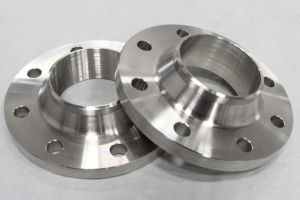
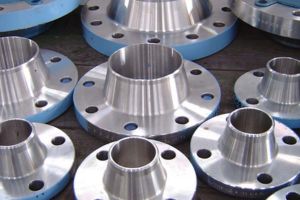
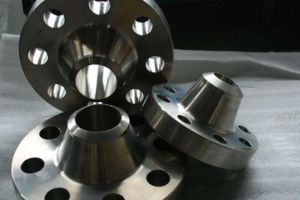
Nickel Alloy 201 Flanges are essential parts of piping systems, valued for their strong corrosion resistance, high-temperature strength, and outstanding mechanical properties. Extensively used across a range of industries such as chemical processing, petrochemical, oil and gas, power generation, aerospace, and marine sectors, Nickel Alloy 201 Flanges serve as dependable protectors against corrosive environments and extreme thermal conditions. Their remarkable properties render them essential for protecting critical infrastructure and ensuring dependable performance in demanding operational settings.
| Specifications | ASTM B564 / ASME SB564, ASTM B564 UNS N02201, ASME SB564 UNS N02201 |
|---|---|
| Nickel 201 Flange size | 1/2″ – 60″ |
| Nickel 201 Flanges Standards | ANSI/ASME B16.5, B 16.47 Series A & B, B16.48, BS4504, BS 10, EN-1092, DIN, ANSI Flanges, ASME Flanges, BS Flanges, DIN Flanges, EN Flanges, GOST Flanges. |
| Alloy 201 Flanges Class / Pressure | 150#, 300#, 600#, 900#, 1500#, 2500#, PN6, PN10, PN16, PN25, PN40, PN64 etc |
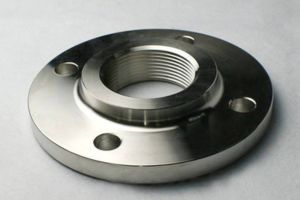
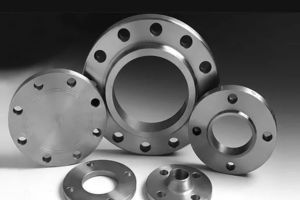
| Main Types | Forged / Threaded / Screwed / Plate |
| Nickel 201 Pipe Flanges Test Certificates | EN 10204/3.1B Raw Materials Certificate 100% Radiography Test Report Third Party Inspection Report, etc |
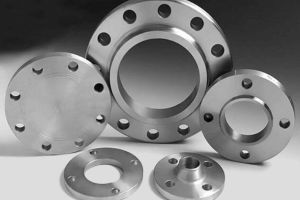
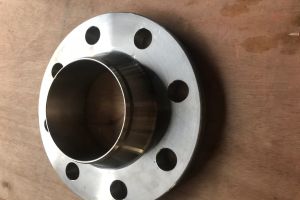
| Types of Nickel 201 Flanges |
|
| Manufacturers of Nickel Alloy 201 Flanges |
|
| Nickel 201 Flanges Face | Raised Face (RF), Flat Face(FF), Ring-Type Joint (RTJ), Tongue-and-Groove (T&G), Male-and-Female (M&F) |
| Application |
|
| Material Test Certificates (MTC) as per EN 10204 3.1 and EN 10204 3.2, Test Certificates certifying NACE MR0103, NACE MR0175 | |
| Grade | C | Mn | Si | S | Cu | Fe | Ni |
| Nickel 201 | 0.02 max | 0.35 max | 0.35 max | 0.01 max | 0.25 max | 0.40 max | 99.0 min |
| Element | Density | Melting Point | Tensile Strength | Yield Strength (0.2%Offset) | Elongation |
| Nickel 201 | 8.9 g/cm3 | 1446 °C (2635 °F) | Psi – 67000 , MPa – 462 | Psi – 21500 , MPa – 148 | 45 % |
At Santossteel, we take pride in being the largest supplier and manufacturer in the Brazil, delivering advanced solutions for all your piping requirements. With cutting-edge production facilities strategically situated in the Brazil, we maintain an extensive inventory of more than 25,000 tons of top-quality materials kept readily on hand in stock.
Reach out to us for a fast quote on your requirement.
We supply these Nickel Alloy 201 Flanges in accordance with DIN, ISO, JIS or ANSI Standard.
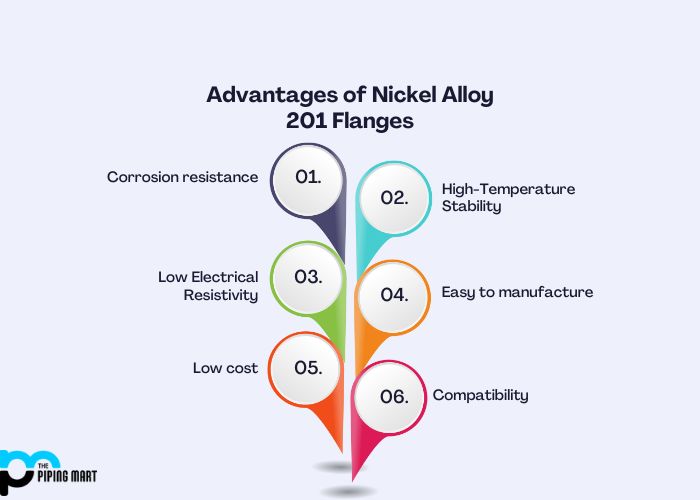
Corrosion resistance: Nickel alloy 201 offers excellent resistance to corrosion, particularly in corrosion-reducing conditions. This quality makes it well suited for a range of industries that involve corrosive elements.
High-Temperature Stability: Flanges produced from nickel alloy 201 can endure elevated temperatures while retaining their structural integrity. Because of these characteristics, they are appropriate for high-temperature uses, such as the chemical and fuel industries.
Low Electrical Resistivity: Nickel Alloy 201 features low electrical resistivity, which makes it perfect for uses where electrical conductivity matters, such as electrical and electronic components.
Easy to manufacture: Nickel alloy 201 is simple to fabricate and is available in a variety of shapes, including flanges. This permits customized flanges to satisfy particular requirements.
Low cost: In spite of its benefits, nickel alloy 201 is fairly cost-effective when compared to other nickel-based products. This makes it an appealing choice for uses where both performance and cost matter.
Compatibility: Nickel Alloy 201 works well with a wide range of materials, including other metals and alloys. These assemblies make them suitable for diverse environments and applications without galvanic corrosion or other assembly problems.
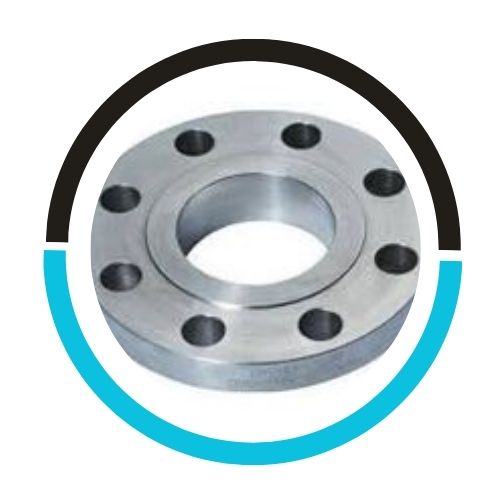
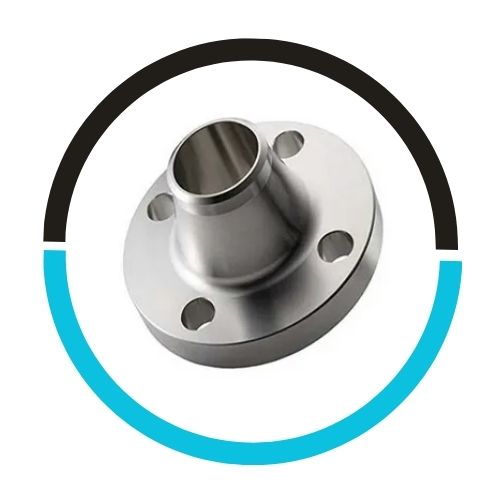
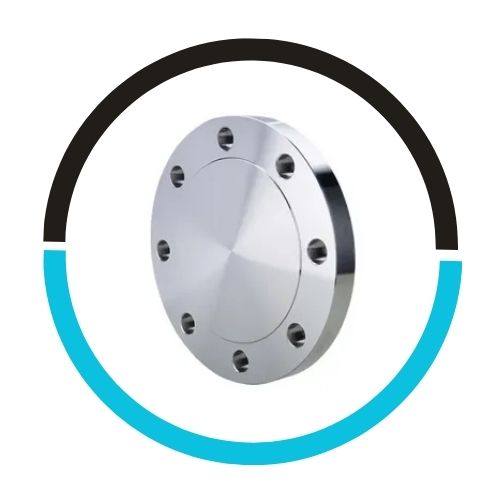

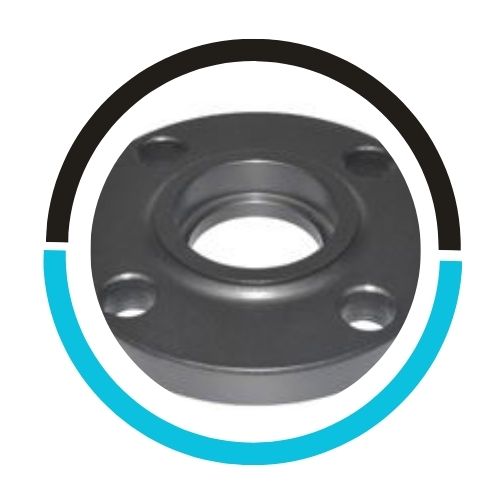
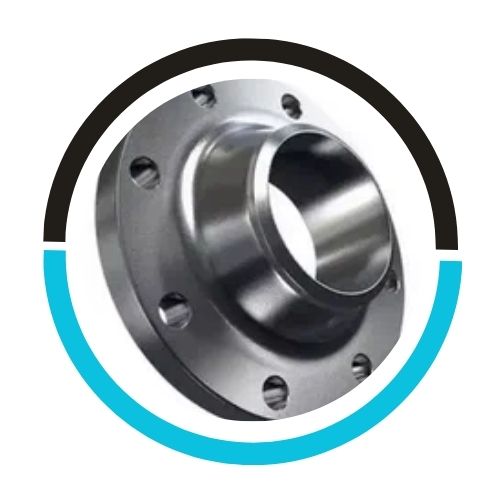
Nickel alloy 201 flanges are extensively used across numerous industries due to their outstanding corrosion resistance, robust high-temperature strength, and excellent mechanical properties. Frequently seen in chemical processing plants, petrochemical refineries, oil and gas exploration facilities, power generation plants, aerospace applications, and marine environments, these flanges join pipes, valves, and equipment under challenging operating conditions.
Chemical Industry: Flanges manufactured from nickel alloy 201 are frequently employed in medical devices that demand resistance to chemical corrosion and elevated temperatures. They are found in reactors, vessels and piping systems.
Electronics manufacturing: Nickel alloy 201 flanges serve the electronics sector thanks to their corrosion resistance and strong electrical conductivity. They appear in components for electronics and semiconductor production.
Aerospace Applications: Within aerospace uses, nickel alloy 201 flanges are applied to materials facing high temperatures and corrosive conditions, and they serve in aircraft engines, gas turbines, and exhaust systems.
Marine Applications: Nickel Alloy 201 flanges are employed in marine settings including shipbuilding, marine oil refineries and desalination plants owing to their seawater resistance.
Oil and Gas Industry: Flanges made from nickel alloy 201 are utilized in oil and gas processing plants that come into contact with water and corrosive gas. They serve in pipelines, valves and fittings.
Food Processing : Industry Nickel alloy 201 flanges are applied in food processing equipment where corrosion resistance and cleanliness are needed. They are used in pumps, valves and tanks for handling food and beverages.
Water resistance: Nickel Alloy 201 is recognized for its ability to withstand a range of corrosive substances, such as alkalis, salts and acids. Verify the degree of corrosion resistance your application demands and confirm that Nickel Alloy 201 satisfies those needs.
Temperature resistance: Nickel alloy 201 demonstrates outstanding thermal stability, which makes it well-suited for high-temperature uses. Take into account the operating temperature of your system and verify that the flanges can endure that temperature without failing.
Mechanical properties: Identify the mechanical characteristics of nickel alloy 201, including tensile strength, yield strength, and elongation. Confirm that these traits align with your application’s needs to avoid early flange failure or deformation.
Compatibility: Verify that nickel alloy 201 works well with the other parts in your system to prevent possible issues like galvanic corrosion or chemical reactions.
Size and Dimensional Requirements: Pick flanges that correspond to the size and dimensions your piping system calls for. Take into account pipe thickness, flange size, and bolt-hole layout to guarantee correct fit and alignment.
Standards and Specifications: Verify whether particular industry standards or specifications exist that flanges are required to satisfy, such as ASTM or ASME standards, to guarantee conformance and compliance with your system.
Supplier Reputation and Quality: Opt for a well-regarded supplier known for delivering high quality nickel alloy products. Examine certifications and quality assurance processes to confirm the flange meets industry standards and specifications.
Nickel Alloy 201 flanges are typically not advised for high-temperature uses because of their restricted thermal stability and reduced oxidation resistance when compared with other nickel alloys. In high-temperature settings, alloys featuring greater nickel content and extra alloying elements are favored for enhanced performance and longevity.
| Flange Weights by Pressure Class and Size | ||||||||||||||||||
| Pipe Size | 150 # | 300 # | 600 # | 900 # | 1500 # | 2500 # | ||||||||||||
| WN | SO | BLD | WN | SO | BLD | WN | SO | BLD | WN | SO | BLD | WN | SO | BLD | WN | SO | BLD | |
| 1/2″ | 2 | 1 | 1 | 2 | 1 | 1 | 2 | 2 | 2 | SEE 1500 # WEIGHTS | 5 | 4 | 4 | 7 | 7 | 7 | ||
| 3/4″ | 2 | 2 | 2 | 3 | 3 | 3 | 4 | 3 | 3 | SEE 1500 # WEIGHTS | 6 | 5 | 6 | 8 | 8 | 8 | ||
| 1″ | 3 | 2 | 2 | 4 | 3 | 3 | 4 | 4 | 4 | SEE 1500 # WEIGHTS | 9 | 8 | 8 | 12 | 11 | 11 | ||
| 1 1/2″ | 4 | 3 | 3 | 7 | 6 | 6 | 8 | 7 | 8 | SEE 1500 # WEIGHTS | 13 | 12 | 13 | 25 | 22 | 23 | ||
| 2″ | 6 | 5 | 5 | 9 | 7 | 8 | 12 | 9 | 10 | SEE 1500 # WEIGHTS | 25 | 25 | 25 | 42 | 37 | 39 | ||
| 2 1/2″ | 8 | 7 | 7 | 12 | 10 | 12 | 18 | 13 | 15 | SEE 1500 # WEIGHTS | 36 | 36 | 35 | 52 | 55 | 56 | ||
| 3″ | 10 | 8 | 9 | 15 | 13 | 16 | 23 | 16 | 20 | 31 | 26 | 29 | 48 | 48 | 48 | 94 | 83 | 86 |
| 4″ | 15 | 13 | 17 | 25 | 22 | 27 | 42 | 37 | 41 | 53 | 53 | 54 | 73 | 73 | 73 | 145 | 125 | 130 |
| 5″ | 19 | 15 | 20 | 32 | 28 | 35 | 68 | 63 | 68 | 86 | 83 | 87 | 130 | 130 | 140 | 245 | 210 | 225 |
| 6″ | 24 | 19 | 26 | 42 | 39 | 50 | 81 | 80 | 86 | 110 | 110 | 115 | 165 | 165 | 160 | 380 | 325 | 345 |
| 8″ | 39 | 30 | 45 | 67 | 58 | 81 | 120 | 115 | 140 | 175 | 170 | 200 | 275 | 260 | 300 | 580 | 485 | 530 |
| 10″ | 52 | 43 | 70 | 91 | 81 | 124 | 190 | 170 | 230 | 260 | 245 | 290 | 455 | 435 | 510 | 1075 | 930 | 1025 |
| 12″ | 80 | 64 | 110 | 140 | 115 | 185 | 225 | 200 | 295 | 325 | 325 | 415 | 690 | 580 | 690 | 1525 | 1100 | 1300 |
| 14″ | 110 | 90 | 140 | 180 | 165 | 250 | 280 | 230 | 355 | 400 | 400 | 520 | 940 | NA | 975 | NA | NA | NA |
| 16″ | 140 | 98 | 180 | 250 | 190 | 295 | 390 | 330 | 495 | 495 | 425 | 600 | 1250 | NA | 1300 | NA | NA | NA |
| 18″ | 150 | 130 | 220 | 320 | 250 | 395 | 475 | 400 | 630 | 680 | 600 | 850 | 1625 | NA | 1750 | NA | NA | NA |
| 20″ | 180 | 165 | 285 | 400 | 315 | 505 | 590 | 510 | 810 | 830 | 730 | 1075 | 2050 | NA | 2225 | NA | NA | NA |
| 22″ | 225 | 185 | 355 | 465 | 370 | 640 | 720 | 590 | 1000 | NA | NA | NA | NA | NA | NA | NA | NA | NA |
| 24″ | 260 | 220 | 430 | 580 | 475 | 790 | 830 | 730 | 1250 | 1500 | 1400 | 2025 | 3325 | NA | 3625 | NA | NA | NA |
Choose Nickel Alloy 201 flanges according to application needs like temperature, pressure, corrosion resistance, and mechanical properties. Take into account compatibility with adjacent materials, environmental conditions, and regulatory standards. Seek advice from material specialists or suppliers regarding appropriate alloys and configurations to guarantee optimal performance and reliability.
Yes, Nickel Alloy 201 flanges can be welded using standard welding techniques including gas tungsten arc welding (GTAW), gas metal arc welding (GMAW), and shielded metal arc welding (SMAW). To reduce the chance of cracking and maintain sound weld quality, preheating and post-weld heat treatment might be required.
Nickel Alloy 201 flanges are not advised for cryogenic uses because of their restricted ductility and the risk of embrittlement at low temperatures. For cryogenic service, alloys featuring greater nickel content and specialized compositions are favored to guarantee sufficient mechanical properties and resistance to brittle fracture under extremely cold conditions.
Email: sales@santossteel.com