Home > Other Material > Alloy 20 Fasteners
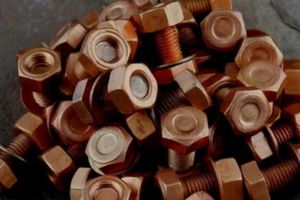
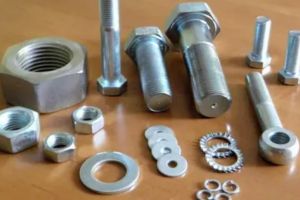
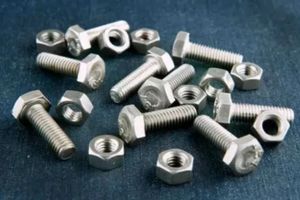
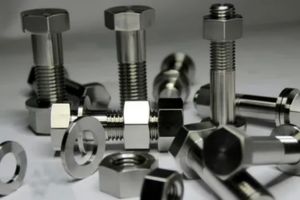
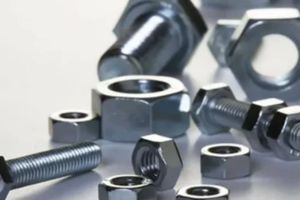
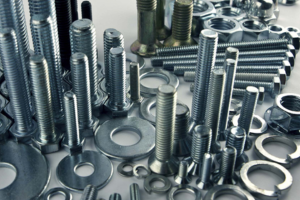
With unwavering dedication to excellence, our company is proud to offer an extensive lineup of Alloy 20 Fasteners carefully obtained from trusted suppliers celebrated for their skill in custom-built premium alloy steel components. These fasteners act as essential parts across countless applications, providing a wide array of sizes, configurations, and specifications precisely tailored to satisfy the varied requirements of our valued customers. Welcomed across sectors such as chemical processing and marine industries, our top-tier Alloy 20 Fasteners are praised for their outstanding corrosion resistance and remarkable durability. Engineered with precision through advanced alloy formulations, these fasteners go through stringent manufacturing processes to secure ideal strength and reliability, ensuring dependable performance even under the most demanding conditions.
Specification : ASTM B473, B564 / ASME SB473, SB564
Dimension : DIN, ISO, ASTM, JIS, BS, GB, IS and all International Standards
Size Range : M3 – M56 | 3/6″ to 2″ | Made-to-Order Sizes
Length : 3 mm to 200 mm
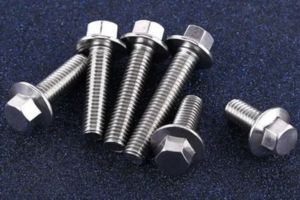
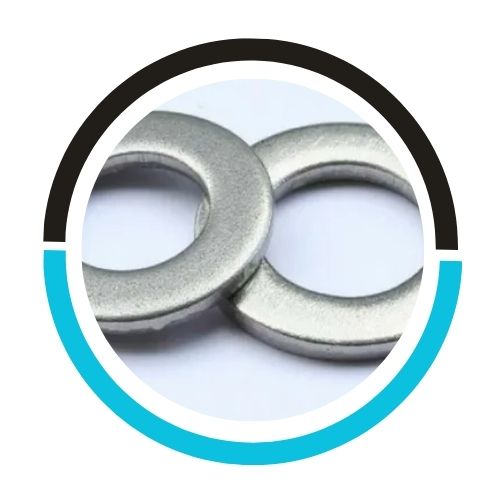
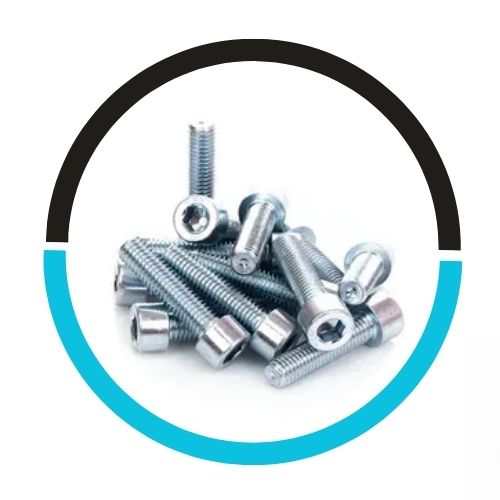
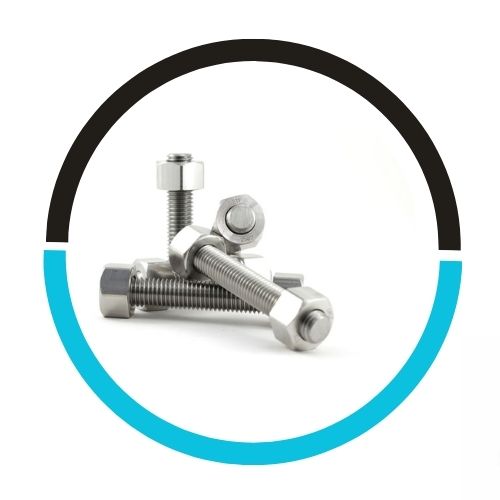
Types : Nuts, Bolts, Screws, Sockets, Studs, Screw, Hex Set Screw, Socket Screw, Cap Screw, Pan Head Screw, Machine Screw, Socket Head Cap Screw, Allen Cap screw, Wing Screw, Washers, Spring Washers, Studs, Anchors, Marine Anchors, Nut, Hexagon Nut, Hex Nut, Hex Coupling Nut, Hex Domed Cap Nuts, Square Nut, Stud Bolts, Hex Head Bolts, Socket Hexagon Head Screw Anchor Bolt, U- Bolts, J Bolts, Mushroom Head Square Neck Bolts, T-Head Bolts, Wing Screw, Eye Bolt, Foundation Bolts, Structural Bolts
| Grade | Density | Melting Point | Tensile Strength | Yield Strength (0.2%Offset) | Elongation |
|---|---|---|---|---|---|
| Alloy 20 | 8.1 g/cm3 | 1443 °C (2430 °F) | Psi -80,000, MPa -551 | Psi – 35,000, MPa – 241 | 30 % |
| Grade | Ni | C | Mn | P | S | Si | Cr | Nb | Mo | Cu |
|---|---|---|---|---|---|---|---|---|---|---|
| Alloy 20 | 32 – 38 | 0.02 max | 1 – 2 | 0.02 max | 0.005 max | 0.7 max | 19 – 21 | 0.1 – 0.3 | 2 – 3 | 3 – 4 |
At Santossteel, we take pride in being the largest supplier and manufacturer in the Brazil, delivering advanced solutions for every one of your piping requirements. With cutting-edge production facilities strategically situated in the Brazil, we hold an extensive inventory of more than 25,000 tons of top-quality materials ready and available in stock.
Reach out to us for a fast quote tailored to your requirement.
We supply these Alloy 20 Fasteners in accordance with DIN, ISO, JIS or ANSI Standard.
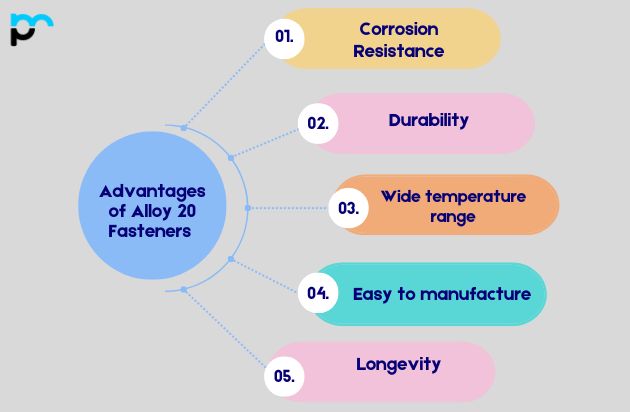
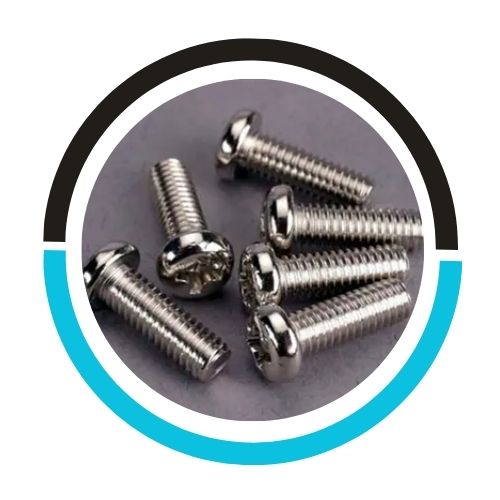
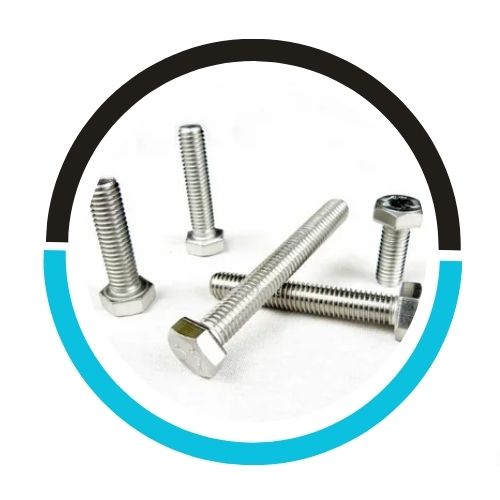
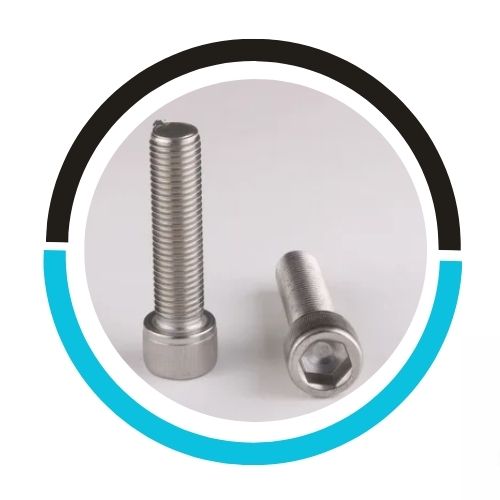
Alloy 20 Fasteners find uses as varied as the industries they cater to, led chiefly by the aerospace, railway, construction and automotive sectors along with petrochemical, nuclear, medical, Oil & Gas, Chemical, Pharmaceutical, Food & Beverage, Nuclear, Thermal Power plants, Paper and Pulp, marine and mining, etc.
Alloy 20 fasteners typically resist galvanic corrosion thanks to their high nickel content, which produces a protective oxide layer. That said, galvanic corrosion can still develop when they are combined with dissimilar metals in corrosive settings. This risk can be reduced through adequate insulation or by choosing compatible materials.
Yes, Alloy 20 fasteners are recyclable once they have been used. Because Alloy 20 contains nickel, chromium, and iron, it is a worthwhile material to recycle. Suitable separation and processing methods are used to recover and reuse the alloy, supporting sustainability initiatives across a range of industries.
Alloy 20 fasteners offer strong protection against corrosion, especially in acidic and chloride-rich settings. Because their makeup contains nickel, chromium, and molybdenum, they develop a shielding oxide layer that boosts durability. That said, contact with severe conditions or unsuitable materials may still cause corrosion as time passes. Performing routine maintenance is recommended.
When choosing appropriate Alloy 20 fasteners, evaluate considerations such as corrosion resistance, temperature range, strength, thread type, environmental conditions, and industry standards. Take into account the particular needs of your application, making sure they work well with mating components and adhere to applicable standards. Seek advice from suppliers to help determine the best choice.