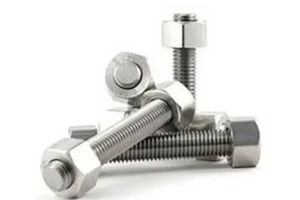
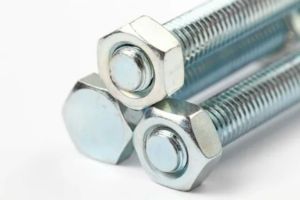
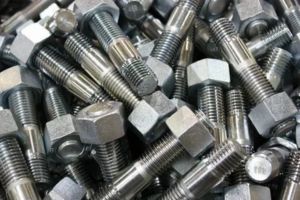
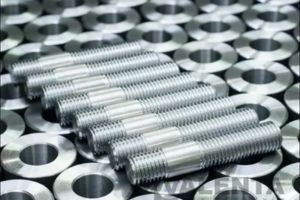
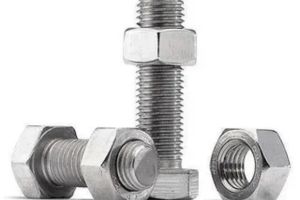
Alloy 20 Stud Bolts Manufacturer Supplier & Exporter in Rio de Janeiro, Brazil.
Alloy F20 Single End Stud Bolts Price In Brazil, Carpenter 20CB-3® Full Threaded Stud Bolts Manufacturer In Sao Paulo, Brazil.
Table of Contents
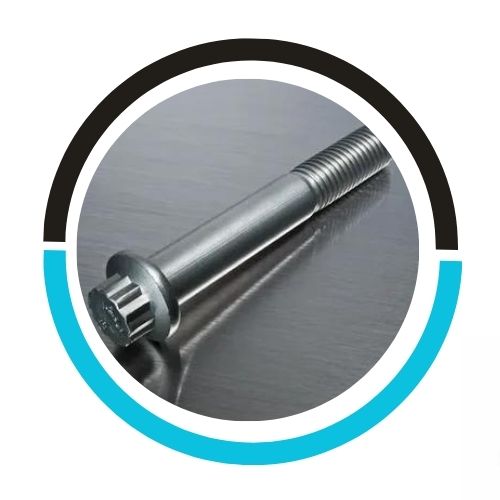
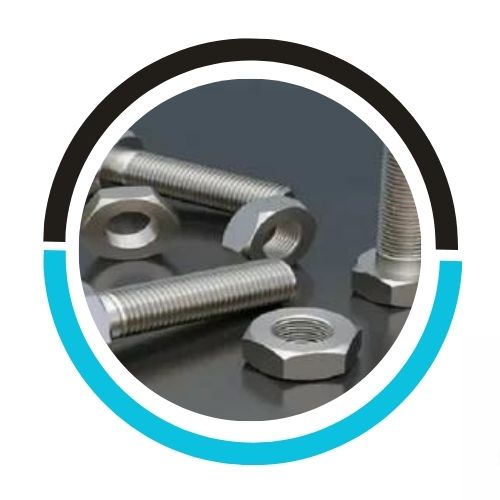
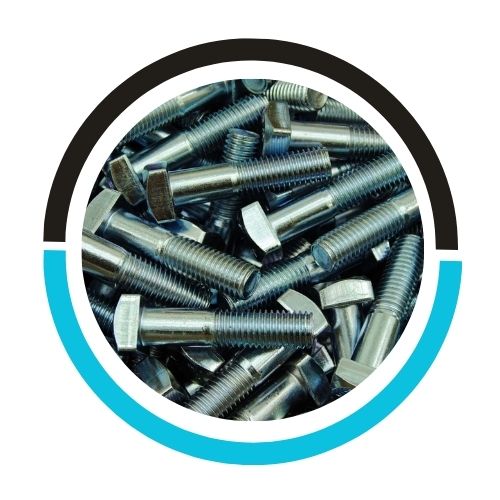
Our company takes pride in providing a comprehensive selection of Alloy 20 Stud Bolts, obtained from trusted suppliers well-known for their skill in producing high-quality alloy products. These stud bolts play a vital role in securing various components, offered in an assortment of sizes, grades, and standards to meet the varied needs of our customers. Commonly employed in sectors like chemical processing, pharmaceuticals, and food processing, our premium Alloy 20 Stud Bolts are praised for their remarkable resistance to corrosion, especially in acidic conditions. Featuring specialized nickel-iron-chromium alloys, these stud bolts are carefully designed to endure stress and deliver outstanding mechanical properties, guaranteeing dependable performance and durability in challenging applications.
Alloy 20 Stud Bolts Specifications
Specification
ASTM F468, B473 / ASME SF468, SB473
Size
M02 to M33, Custom Sizes
Length
3 mm to 200 mm
Stud Bolt
UNF, BSW, BSF, METRIC, UNC, or as required
Standard
DIN 525, DIN 835, DIN 938, DIN 939, DIN 940, DIN 949-1, DIN 949-2, DIN 975, DIN 976, DIN 2509, BS 2693, BS 3692, BS 4439, IS 1862, IS 13178, ANSI/ASME B18.31.2, ANSI/ASME B16.5
Form
Hex, Threading, Square, Round as per Gauge Etc.
Threads Configuration
ASME B1.1 2A/3A – 2B/3B Inch Unified Threads and B1.13M 6h-6G Metric Coarse Threads
Certification
Dual Certified As per ASTM & ASME Codes
Types
Stud Bolts, Fully Threaded Stud Bolts, Tap End Stud Bolts, Double End Stud Bolts, Stud Bolts with Reduced Shank, Reduced Shank, Flange Stud Bolts, Flange Bolting, Weld Studs
Mechanical Properties of Alloy 20 Stud Bolts
Density
Melting Point
Tensile Strength
Yield Strength (0.2%Offset)
Elongation
8.47 g/cm3
1413 °C (2580 °F)
655 MPa, 95000 psi
310 MPa, 45000 psi
45 %
Alloy 20 Stud Bolts Chemical Composition
Grade
C
Mn
Si
S
Cu
Fe
Ni
Cr
Inconel 600
0.15 max
1.00 max
0.50 max
0.015 max
0.50 max
6.00 – 10.00
72.00 min
14.00 – 17.00
UNS N08020 Half Thread Stud Bolts Price In Brazil, Alloy 20 Tap End Stud Bolts Supplier In Brazil, F20 Alloy Tie Rods Exporter In Rio de Janeiro, Brazil.
Top Alloy 20 Stud Bolts Manufacturing Company in Sao Paulo
At Santossteel, we take pride in being the largest supplier and manufacturer in the Brazil, delivering advanced solutions for every one of your piping requirements. With cutting-edge production facilities strategically situated in the Brazil, we maintain an extensive inventory of more than 25,000 tons of top-quality materials kept ready in stock.
Get in touch with us for a fast quote tailored to your requirement.
We supply these Alloy 20 Stud Bolts in accordance with DIN, ISO, JIS or ANSI Standard.
Get the best price from F20 Alloy Stud Bolts Manufacturers & Stockist in Brazil, check Alloy 20 Tap End Stud Bolts In Sao Paulo, Brazil.
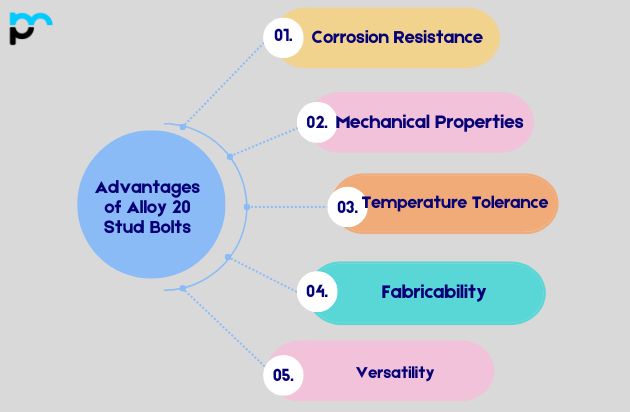
Advantages of Alloy 20 Stud Bolts
Corrosion Resistance: Alloy 20 demonstrates outstanding resistance to sulfuric acid, which makes it a perfect selection for uses that involve this extremely corrosive material. It also stands up to other acids, including phosphoric acid and nitric acid.
Mechanical Properties: Alloy 20 provides strong mechanical properties, such as high tensile and yield strength.
Temperature Tolerance: Alloy 20 can endure elevated temperatures, which makes it well suited for high-temperature applications.
Fabricability: Alloy 20 can be readily fabricated with conventional methods. It can be welded, machined, and formed without trouble.
Versatility: Because of its outstanding corrosion resistance, Alloy 20 is broadly employed in the chemical, petrochemical, and pharmaceutical industries.
Types of Alloy 20 Stud Bolts
Alloy F20 Self Clinching Stud
UNS N08020 Flush Head Clinch Studs
F20 Alloy Flush Head Stud
Alloy F20 Single End Studs
Alloy 20 M6 Single End Stud
UNS N08020 Single Ended Threaded Stud
Alloy 20 Tie Rods Price In Brazil, F20 Alloy Stud Stockist Supplier In Rio de Janeiro, Brazil.
Alloy 20 Stud Bolts Uses
Application Industry
Alloy 20 Stud Bolts serve applications as varied as the industries relying on them, led chiefly by the aerospace, railway, construction and automotive sectors along with petrochemical, nuclear, medical, Oil & Gas, Chemical, Pharmaceutical, Food & Beverage, Nuclear, Thermal Power plants, Paper and Pulp, marine and mining, etc.
Automotive Industry
Construction Sector
Aerospace Applications
Oil and Gas Industry
Chemical Processing:
Employed in machinery that deals with sulfuric acid, phosphoric acid, and nitric acid because of their strong ability to withstand acid corrosion.
Appropriate for application in reactors, heat exchangers, and storage tanks.
Pharmaceutical Industry:
Applied in production equipment where maintaining high purity and preventing contamination are essential.
Well-suited for settings that demand tolerance to aggressive cleaning chemicals.
Food and Beverage Industry:
Used in processing machinery that makes contact with food items.
Because of their resistance to corrosion, the bolts will not taint food and beverages.
How to Choose the Right Alloy 20 Stud Bolts
Corrosion Resistance Requirements:
Consider the kinds of corrosive materials the bolts will come into contact with, such as acids, chlorides, or alkaline solutions.
Alloy 20 is engineered specifically for environments involving sulfuric acid, yet it also provides strong resistance to phosphoric acid, nitric acid, and chlorides.
Mechanical Properties:
Evaluate the mechanical stress the bolts will experience, including tensile, yield, and impact strength.
Make certain the selected Alloy 20 bolts possess sufficient mechanical properties to handle operational loads and pressures.
Temperature Range:
Identify the operating temperature range of your application.
Alloy 20 works effectively across a broad temperature range, but confirm its appropriateness for extreme conditions where relevant.
Are Alloy 20 Stud Bolts Susceptible to galvanic corrosion?
Yes, Alloy 20 stud bolts may be prone to galvanic corrosion when they come into contact with unlike metals while an electrolyte is present. Selecting appropriate materials, isolating dissimilar metals, and applying protective coatings can reduce this risk in corrosive settings.
FAQ (Frequently Asked Questions)
Can Alloy 20 stud bolts be recycled after use?
Yes, Alloy 20 stud bolts are recyclable once they’ve been used. Usually they are melted down and repurposed in making new steel products, which supports sustainable practices within the manufacturing sector. Correct sorting and processing guarantee that Alloy 20 materials are recycled efficiently.
Are alloy 20 Stud Bolts susceptible to corrosion?
Alloy 20 stud bolts provide outstanding resistance to corrosion, especially in acidic settings such as sulfuric, phosphoric, and nitric acids. They withstand pitting and crevice corrosion, which makes them well suited for demanding conditions in chemical processing, pharmaceuticals, and marine applications. Adequate maintenance guarantees durability in corrosive settings.
How do I select the right Alloy 20 Stud Bolts for my application?
Choosing the appropriate Alloy 20 stud bolts requires weighing aspects such as corrosion resistance, mechanical properties, size, standards compliance, application environment, supplier reliability, and cost. Evaluate your particular requirements, confirm certifications, and make sure they suit your application’s conditions for the best performance and durability.