Home > Other Material > Alloy 20 Bolts
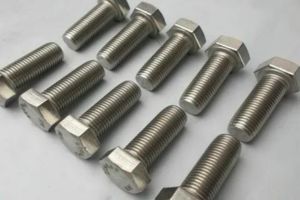
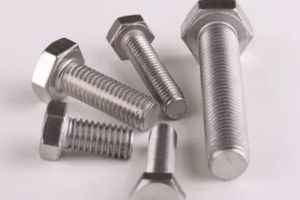
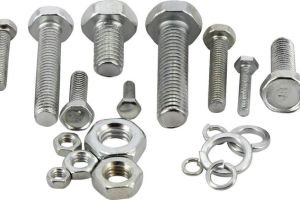
At our company, we take tremendous pride in assembling a comprehensive range of Alloy 20 Bolts carefully sourced from respected vendors known for their expertise in custom-built top-tier alloy steel products. These bolts serve as indispensable components across countless applications, providing a wide variety of sizes, grades, and standards thoughtfully tailored to meet the varied requirements of our valued clientele. Especially prized in fields such as chemical processing and petrochemical industries, our premium Alloy 20 Bolts are praised for their outstanding resistance to corrosive conditions and abrasion. Crafted with specialized alloys and put through rigorous heat treatment processes, these bolts are strengthened for improved hardenability, guaranteeing consistent mechanical properties throughout their entire structure.
Material | Specification | Standards | Size | Length |
Alloy 20
| IS BS ASTM | ASTM B366 | 3 mm | M02 to M33 |
Properties | Metric | Imperial |
|---|---|---|
Tensile strength (annealed) | 620 MPa | 89900 psi |
Yield strength (annealed) | 300 MPa | 43500 psi |
Elongation at break (annealed) | 41% | 41% |
Element | Content (%) |
Carbon | ≤0.07 |
Manganese | ≤2 |
Boron | 0.01 max |
Copper | 3-4 |
Phosphorus | ≤0.045 |
Nickel | 32-38 |
Molybdenum | 2-3 |
Iron | 35 |
Sulfur | ≤0.035 |
Silicon | ≤1 |
Chromium | 19-21 |
At Santossteel, we take pride in being the largest supplier and manufacturer in the Brazil, delivering advanced solutions for every one of your piping requirements. With cutting-edge production facilities strategically situated in the Brazil, we hold an extensive inventory of more than 25,000 tons of top-quality materials kept ready in stock.
Get in touch with us for a fast quote on your requirement.
We supply these Alloy 20 Bolts in accordance with DIN, ISO, JIS or ANSI Standard.
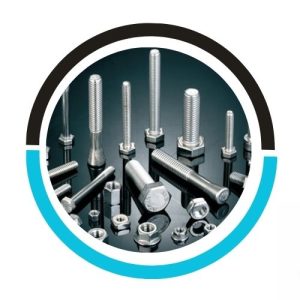
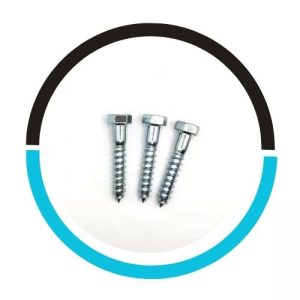
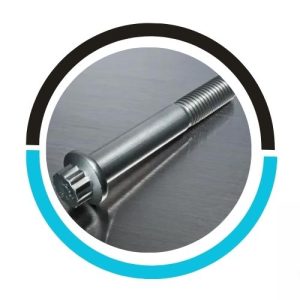
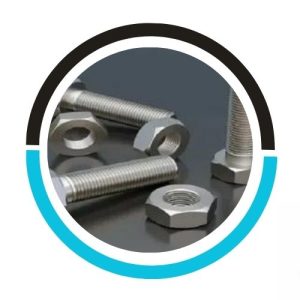
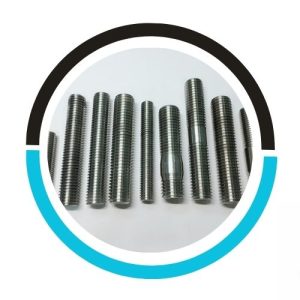
Alloy 20 Bolts find use across a wide range of applications, as varied as the industries that rely on them, led chiefly by the aerospace, railway, construction and automotive sectors, along with petrochemical, nuclear, medical, Oil & Gas, Chemical, Pharmaceutical, Food & Beverage, Nuclear, Thermal Power plants, Paper and Pulp, marine and mining, etc.
Alloy 20 bolts are prone to galvanic corrosion when they come into contact with dissimilar metals in corrosive environments. Applying appropriate insulation, coatings, or choosing compatible materials for neighboring components can reduce this risk, safeguarding the durability and integrity of the fastening system.
Yes, Alloy 20 bolts are recyclable once they have been used. Generally, they get melted down and repurposed to make new alloy products. Recycling serves to preserve resources, lessen environmental impact, and cut down on the demand for virgin materials in manufacturing processes, advancing sustainability across the industry.
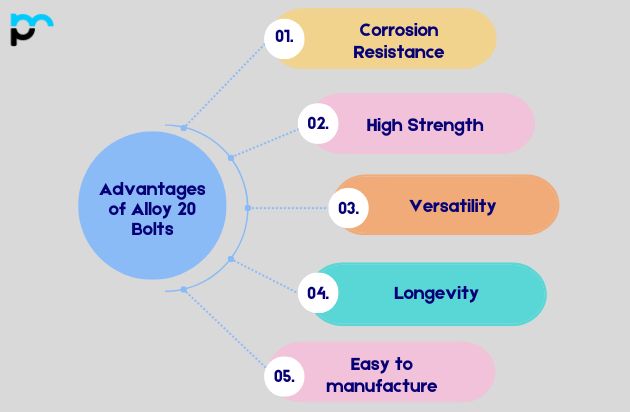
Alloy 20 bolts provide outstanding resistance to corrosion, especially in acidic and corrosive settings that contain sulfuric acid, phosphoric acid, and chloride solutions. Their makeup, which features nickel, chromium, copper, and molybdenum, boosts their ability to withstand corrosion, rendering them well-suited for demanding industrial applications.
Choosing the correct Alloy 20 bolts involves weighing factors like corrosion resistance needs, strength requirements, temperature conditions, compatibility of size and configuration, adherence to standards, the supplier’s reputation, and value for money. Seek advice from industry professionals and confirm certifications to make sure they fit your application’s requirements.