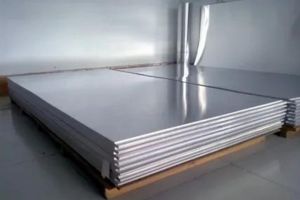
Home > Stainless Steel > Stainless Steel 17-7 PH Sheet and Plates
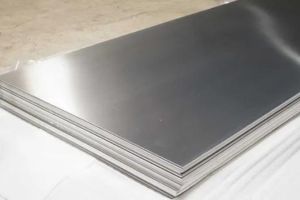
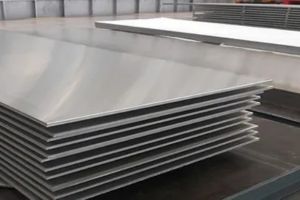
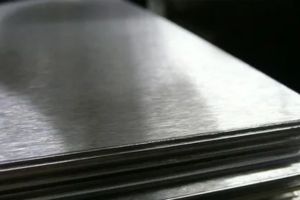
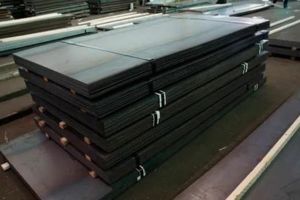
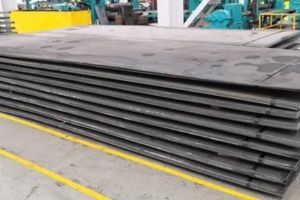
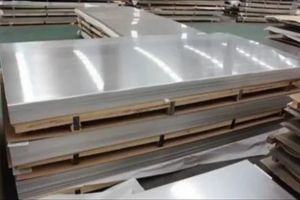
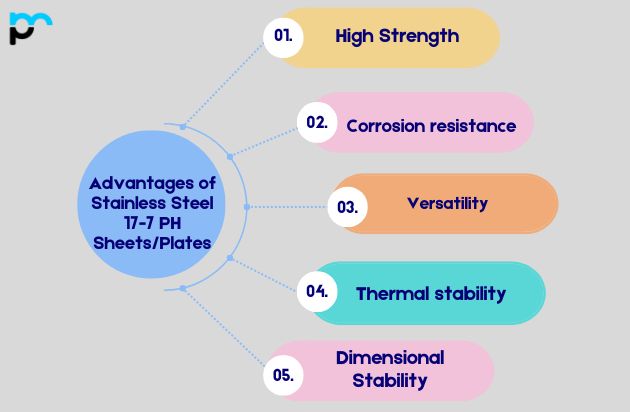
Stainless Steel 17-7 PH Sheets and Plates are refined, slender panels made from the adaptable Stainless Steel 17-7 PH alloy. Celebrated for its impressive blend of strength, corrosion resistance, and formability, this alloy is a precipitation-hardening stainless steel. Its name derives from its makeup of 17% chromium and 7% nickel, together with aluminum for precipitation hardening. These sheets and plates demonstrate outstanding toughness in high-stress settings, making them well-suited for applications that demand both durability and malleability. Stainless Steel 17-7 PH provides superb resistance to corrosion and oxidation, rendering it appropriate for a broad range of industrial and structural purposes.
| Specifications | : | ASTM A693 / ASME SA693 |
| Standard | : | ASTM, ASME and API |
| Thickness | : | 4.0mm – 100mm |
| Specialize | : | Shim Sheet, Perforated Sheet, B. Q. Profile. |
| Form | : | Coils, Foils, Rolls, Plain Sheet, Shim Sheet, Perforated Sheet, Chequered Plate, Strip, Flats, Blank (Circle), Ring (Flange) |
| Finish | : | Hot rolled plate (HR), Cold rolled sheet (CR), 2B, 2D, BA NO(8), SATIN (Met with Plastic Coated) |
| Hardness | : | Soft, Hard, Half Hard, Quarter Hard, Spring Hard etc. |
| Grade | : | SS 17-7 PH, (UNS S17700) |
| Grade | C | Mn | Ni | Al | Cr | P | Si | S | Fe | |
| 17-7 PH | min. | – | – | 6.50 | 0.75 | 16 | – | – | – | – |
| max. | 0.09 | 1.0 | 7.75 | 1.50 | 18 | 0.040 | 1.0 | 0.030 | Balance | |
| Grade | Properties | Metric | Imperial |
| 17-7 PH | Density | 7.80 g/cm3 | 7.80 g/cm3 |
| Tensile strength | 1170 MPa | 170000 psi | |
| Yield strength | 965 MPa | 140000 psi | |
| Modulus of elasticity | 204 GPa | 29600 ksi | |
| Poisson’s ratio | 0.27-0.30 | 0.27-0.30 | |
| Elongation at break | 6% | 6% | |
| Hardness, Rockwell C | 38 | 38 |
At Santossteel, we take pride in being the largest supplier and manufacturer in the Brazil, delivering advanced solutions for all your piping requirements. With cutting-edge production facilities strategically situated in the Brazil, we hold an extensive inventory of more than 25,000 tons of top-quality materials kept ready in stock.
Contact us for a fast quote tailored to your requirement.
We supply these Stainless Steel 17-7 PH Sheets and Plates as per DIN, ISO, JIS or ANSI Standard.

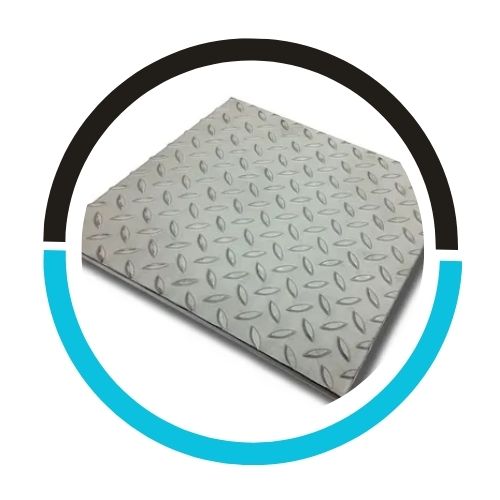
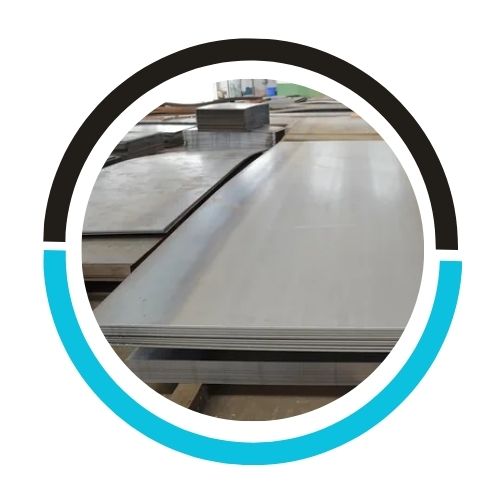
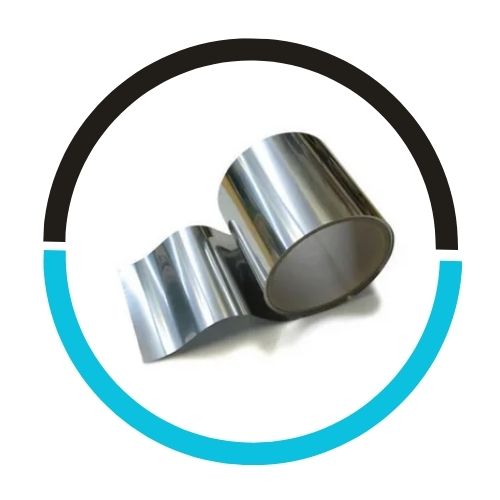
Stainless Steel 17-7 PH Sheets and Plates enjoy broad industrial adoption across numerous sectors owing to their outstanding corrosion resistance, strength at elevated temperatures, and adaptability. Typical uses encompass chemical processing, where they serve in reactors, storage tanks, and piping systems subjected to corrosive chemicals. Within the pharmaceutical sector, 17-7 PH Sheets and Plates are used to manufacture equipment like pharmaceutical vessels and process tanks, safeguarding product purity and adherence to regulatory standards.
Yes, Stainless steel 17-7 PH sheet plates offer excellent recyclability once their service life ends. They can be remelted and reprocessed without any loss of their built-in properties, which makes them an eco-friendly option. The recycling of stainless steel aids in preserving resources and lessens environmental harm, supporting a circular economy.
Yes, Stainless steel 17-7 PH sheets/plates can be joined by welding using conventional welding methods like gas tungsten arc welding (GTAW), gas metal arc welding (GMAW), or resistance welding. That said, it’s crucial to select suitable filler materials and adhere to correct welding procedures in order to preserve the material’s corrosion resistance and mechanical properties.
Stainless steel 17-7 PH sheets/plates can be suitable for underground applications due to their excellent corrosion resistance properties. However, contact with particular environments, like strongly acidic soils, may call for extra protective steps. Consulting with materials engineers and taking specific environmental conditions into account is recommended for the best performance.
When installing stainless steel 17-7 PH sheets/plates, take into account aspects like preparing the surface, using fastening techniques suited to the material’s characteristics, applying adequate sealing to keep moisture out, and accounting for thermal expansion. Furthermore, make sure you meet industry standards and seek advice from experts regarding the best practices for installation.
Email: sales@santossteel.com