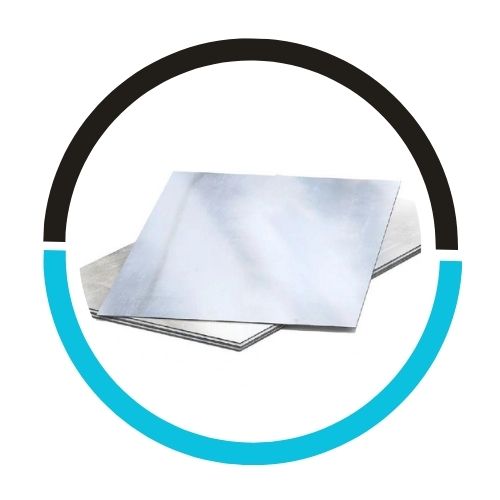
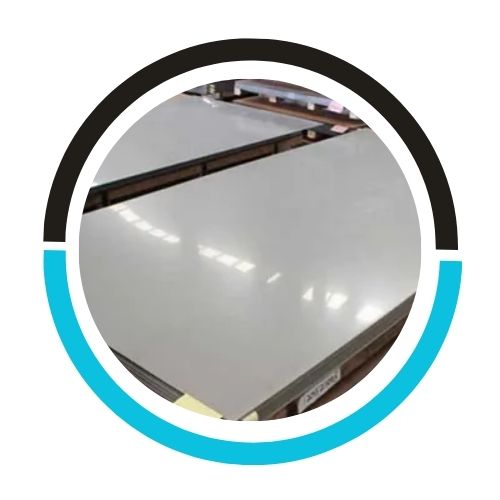
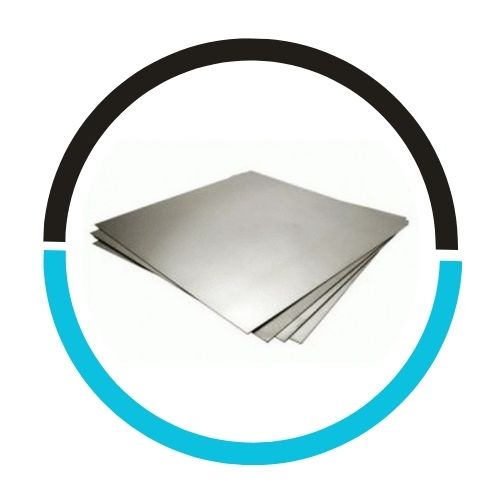
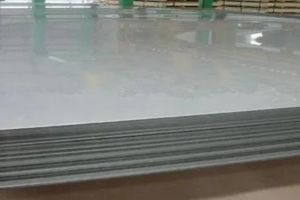
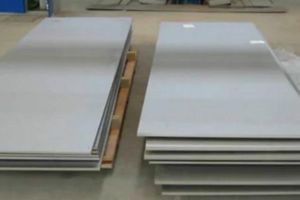
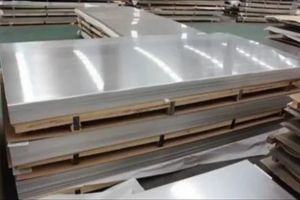
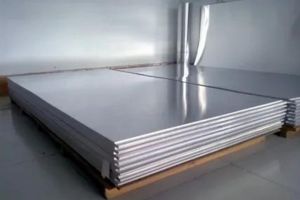
Aluminium 2017 Sheets and Plates Manufacturer, Exporter and Supplier in Sao Paulo, Brazil.
Aluminium A92017 Sheet and Plates Best Price In Brazil, Aluminium 2017 T3 Sheets Dealer In Belo Horizonte, Aluminium 2017 T4 Sheet Exporter In Brazil, Aluminium 2017 Sheets and Plates Dealer In Sao Paulo, Aluminium 3.1255 Sheets Supplier In Rio de Janeiro, Brazil.
Table of Contents
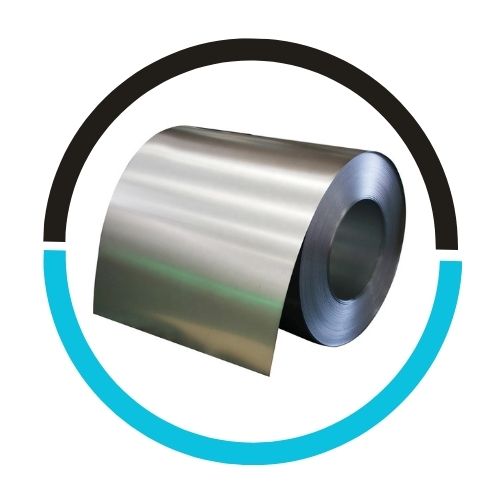
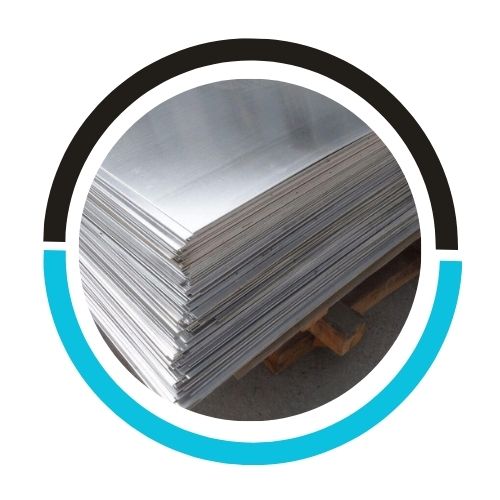
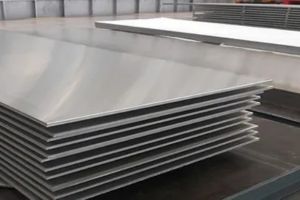
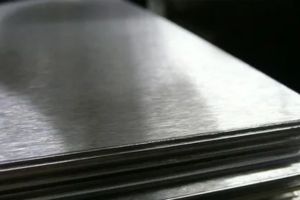
Aluminium 2017 sheets and plates are essential to a wide range of industries, prized for their durability and adaptability. These flat, bendable aluminum forms deliver remarkable strength-to-weight ratios, resistance to corrosion, and fine surface quality, rendering them vital in uses spanning the aerospace, marine, and automotive fields. Whether shaped into aircraft structures, marine components, or high-performance machinery parts, Aluminium 2017 sheets and plates provide reliable performance and visual charm. Their natural strength and machinability allow smooth incorporation into varied projects, ensuring lasting structural integrity and eye-catching appeal. Valued for their dependability and flexibility, Aluminium 2017 sheets and plates stand as a foundation of contemporary engineering and manufacturing.
Aluminium 2017 Sheets and Plates Specification
Standards : ASTM B209 / ASME SB209
Temper : O, T3,T4, T6, T651
Thickness : 0.2-250
Width : 100-2600
Length : 500-10000
Surface : Bright, polished, hair line, brushed, sand blasted, embossed, etched, and so on.
Finish : Mill, customer-specified finish
Aluminum Sheet/ Plate Coating : PVC coating, color coating, polyester, fluorocarbon, polyurethane and epoxy coating
Type : Hot-Rolled (HR) / Cold-Rolled (CR) Sheet
Aluminium 2017 Sheets Supplier In Belo Horizonte, Aluminum 2017 Sheet and Plates Dealer In Sao Paulo, ASME SB209 Aluminium 2017 Plain Sheet Stockist In Brazil, 2017 Aluminium Sheets Exporter in Sao Paulo, Brazil.
Aluminium 2017 Sheets and Plates Chemical Composition
Al
Si
Fe
Cu
Mn
Mg
Cr
Zn
Ti
Other Each
Other Total
Bal.
0.20-0.8
0.7 max
3.5-4.5
0.40-1.0
0.40-0.8
0.10 max
0.25 max
0.15 max
0.05 max
0.15 max
Aluminium 2017 Sheets and Plates Mechanical Properties
Material
Condition
Tensile Strength (N/mm²) min
Yield Strength
Elongation in 4D %
ksi
Mpa
ksi
Mpa
Al 2017
2017-T4 Bar
55
379
32
221
12
Top Aluminium 2017 Sheets Manufacturing Company in Sao Paulo
At Santossteel, we take pride in being the largest supplier and manufacturer in the Brazil, delivering advanced solutions for all your piping requirements. With cutting-edge production facilities strategically situated in the Brazil, we maintain an extensive inventory of more than 25,000 tons of top-quality materials kept ready in stock.
Reach out to us for a fast quote tailored to your requirement.
We supply These Aluminium 2017 Sheets and Plates
conforming to DIN, ISO, JIS or ANSI Standard.
Aluminium 2017 HR Sheets and Plates Dealer In Rio de Janeiro, Aluminium 2017 T651 CR Sheets Exporter In Brazil, Aluminium 2017 Industrial Sheets Stockiest In Sao Paulo, Aluminium 2017 Sheets and Plates Stockist In Rio de Janeiro, Brazil.
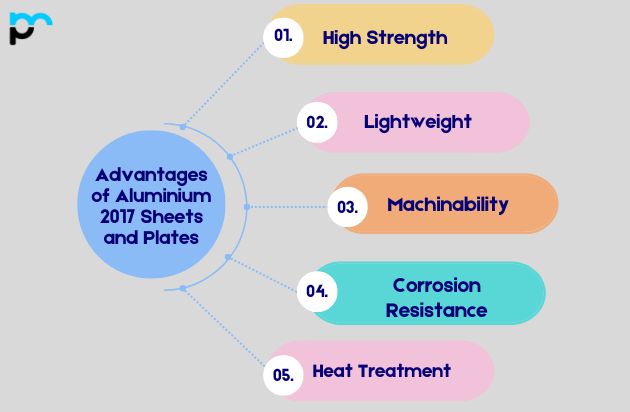
Advantages of Aluminium 2017 Sheets and Plates
High Strength: Aluminium 2017 provides outstanding strength on par with numerous steel alloys, which makes it well-suited for structural uses where strength is essential.
Lightweight: As with every aluminium alloy, 2017 is lightweight, which contributes to lowering total weight in fields such as aerospace, transportation, and marine industries, boosting fuel efficiency and performance.
Machinability: Aluminium 2017 is recognized for its good machinability, permitting easy shaping, cutting, and drilling without notable wear on tools.
Corrosion Resistance: It offers good resistance to atmospheric corrosion, which makes it appropriate for outdoor and marine settings without the need for extra protective coatings.
Heat Treatment: Aluminium 2017 can be readily heat treated to further enhance its mechanical properties, including boosting its strength and hardness.
Aluminium 2017 Cold Forming Sheets and Plates Dealer In Brazil, Aluminium 2017 Hot Rolled Sheets Exporter In Brazil, Aluminum 2017 Export Quality Sheets Suppliers in Belo Horizonte, Brazil.
Aluminium 2017 Sheets and Plates Uses
Application Industry
Aluminium 2017 Sheets and Plates play a crucial role in petrochemicals, food processing, healthcare, water treatment, pharmaceuticals, power generation, construction, shipbuilding, and agriculture. They provide reliable connections in pipelines, uphold hygiene standards, and endure challenging conditions thanks to their corrosion resistance and durability.
Petrochemical Industry
Pharmaceutical Industry
Food Processing Industry
Water Treatment Plants
Aerospace Industry: Aluminium 2017 finds extensive application in the aerospace industry for structural parts, including aircraft wings, fuselage panels, and load-bearing supports. Its blend of high strength and low weight assists in lowering the total weight of an aircraft while preserving structural integrity.
Marine Industry: Thanks to its solid resistance to corrosion, Aluminium 2017 serves marine applications such as boat hulls, decks, and other structural parts subjected to seawater and demanding marine conditions.
Automotive Industry: Within automotive production, sheets and plates of Aluminium 2017 are employed in lightweight vehicle frameworks, chassis parts, and body panels to enhance fuel economy and performance.
Construction: The construction sector makes use of Aluminium 2017 for building facades, roofing, and structural frameworks where strength and durability are needed without contributing excessive weight.
How to Choose the Right Aluminium 2017
Sheets and Plates
Strength Requirements: Assess how much strength your application demands. Aluminium 2017 provides substantial strength, though if your needs call for even greater strength, you may have to look at other aluminium alloys or alloys made from different materials.
Size and Dimensions: Define the sizes and thickness your sheets and plates must have according to the structural or functional demands of your project. Confirm that they satisfy the dimensional tolerances and specifications your application calls for.
Surface Finish: Take surface finish requirements into account, particularly when appearance is important. Aluminium 2017 can be provided in a range of finishes, such as mill finish, polished, or coated with protective finishes depending on the application.
Can Aluminium 2017 Sheets and Plates be recycled after use?
Yes, Aluminium 2017 sheets and plates are recyclable once they have been used. Aluminium can be recycled repeatedly without any loss of its properties, which makes it both economically and environmentally sustainable. Recycling aluminium uses far less energy than primary production does, helping to conserve resources and cut carbon emissions.
FAQ (Frequently Asked Questions)
Are Aluminium 2017 Sheets and Plates suitable for hygienic and sanitary applications?
Aluminium 2017 sheets and plates are typically not advised for direct hygienic and sanitary uses because of surface properties that may fall short of rigorous hygiene requirements. In these cases, aluminium alloys featuring smoother and more corrosion-resistant surfaces are usually favoured to guarantee cleanliness and longevity.
Are Aluminium 2017 Sheets and Platessusceptible to galvanic corrosion?
Yes, Aluminium 2017 sheets and plates may be prone to galvanic corrosion when they come into contact with dissimilar metals under certain conditions. To reduce this risk, adequate insulation or protective coatings ought to be applied between the different metals to block the electrical contact that triggers galvanic corrosion.
Can Aluminium 2017 Sheets and Platesbe used for underground applications?
Aluminium 2017 sheets and plates are typically discouraged for use underground because of the possible corrosion hazards in soil settings, which may speed up their deterioration. Materials offering superior corrosion resistance, like specific aluminium alloys or coated steels, are usually favoured for extended exposure to below-ground conditions.
Aluminium 2017 HR Sheets Price In Belo Horizonte, Aluminium 2017 T651 CR Sheets and Plates Dealer In Brazil, Aluminium 2017 Industrial Sheets Stockiest In Brazil, Aluminium 2017 Sheets Exporter In Rio de janeiro, Aluminium 2017 Cold Forming Sheets and Plates Dealer In Sao Paulo, Aluminium 2017 Hot Rolled Sheets, Manufacturer In Rio de Janeiro, Brazil.