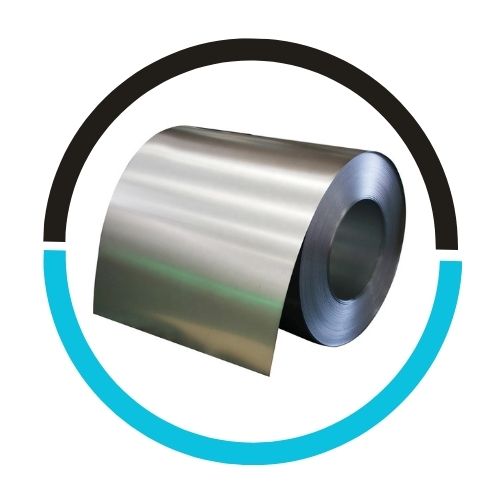
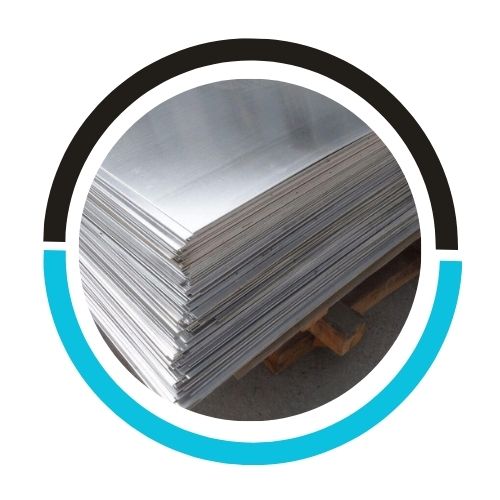
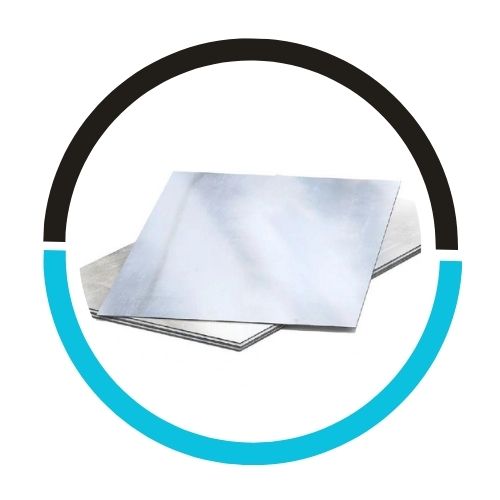
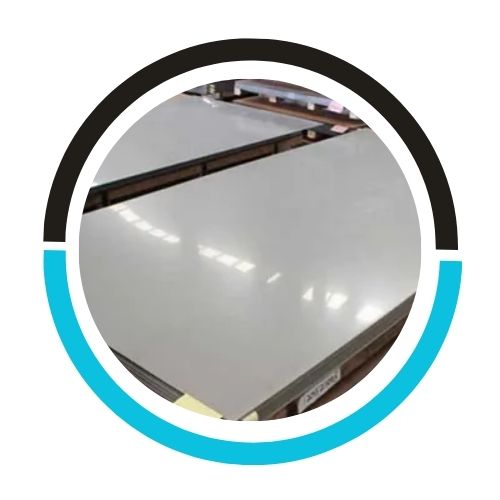
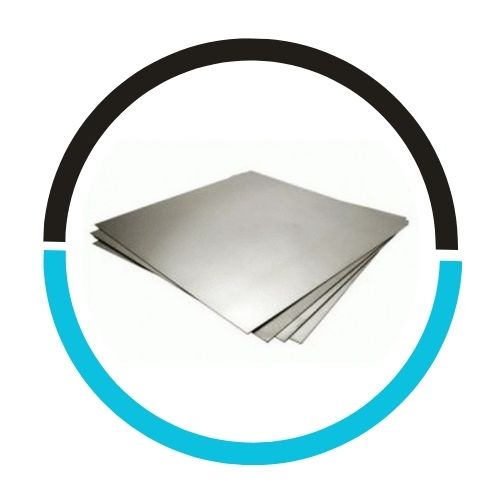
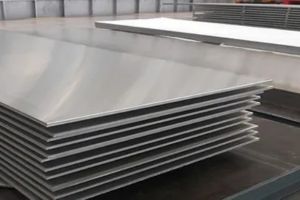
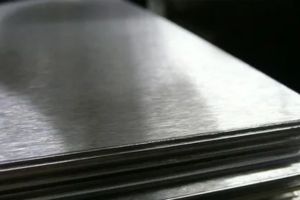
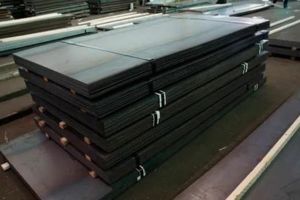
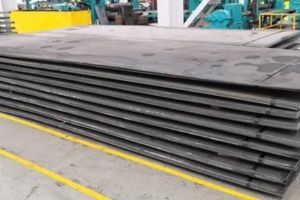
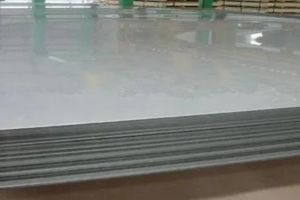
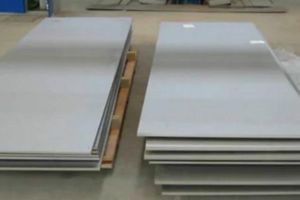
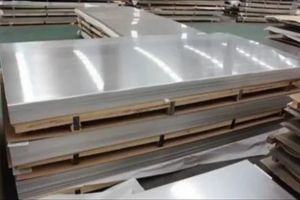
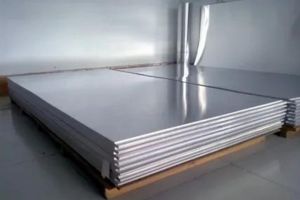
Aluminium 1060 Sheets and Plates Manufacturer, Exporter and Supplier in Sao Paulo, Brazil.
Aluminium 1060 H24 Sheets Price In Brazil, Aluminium 1060 Sheets and Plates Dealer In Brazil, Aluminium 1060 H14 Sheet Exporter In Belo Horizonte, Aluminum 1060 Sheet, Aluminium A91060 Sheet and Plates Manufacturer In Sao Paulo, Brazil.
Table of Contents
Aluminium 6063 sheets and plates constitute an essential element throughout a wide range of industries, celebrated for their adaptability and capability. These flat, pliable aluminum shapes offer outstanding strength-to-weight ratios, resistance to corrosion, and surface finish, rendering them vital in uses that cover the aerospace, transportation, and construction sectors. Whether shaped into aircraft panels, automotive body parts, or architectural cladding, Aluminium 6063 sheets and plates provide dependable functionality and visual appeal. Their built-in durability, combined with ease of fabrication, allows for smooth incorporation into a variety of projects, guaranteeing that both structural integrity and visual charm are preserved over time. Known for their quality and versatility, Aluminium 6063 sheets and plates serve as a foundation in contemporary engineering and design.
Aluminium 1060 Sheets and Plates Specification
ASTM B209 – Standard Specification for Aluminum and Aluminum-Alloy Sheets
ASTM B632 / B632M – Standard Specification for Rolled Aluminum-Alloy Tread Sheets
ASTM B947 – Standard Practice for Solution Heat Treatment on the Hot Rolling Mill for Aluminum Alloy Sheets
ASTM B548 – Standard Test Method for Ultrasonic Inspection of Aluminum-Alloy Sheets Used in Pressure Vessels
Aluminium 1060 Sheets Supplier In Brazil, ASME SB209 Aluminium 1060 Plain Sheet and Plates Stockist In Brazil, 1060 Aluminium Sheets and Plates Exporter in Belo Horizonte, Brazil.
Aluminium 1060 Sheets and Plates Chemical Composition
Aluminium 1060
Fe
Si
Mg
Mn
Cu
Zn
Ti
Al
0.15 – 0.20
0.10 – 0.15
0.01 – 0.03
0.01 – 0.03
0.01 – 0.05
0.01 – 0.03
0.020 – 0.030
99.60
Aluminium 1060 Sheets and Plates Mechanical Properties
Alloy
Temper
UTS(Mpa)
% Elongation
Min
Max
0.5 mm -0.8 mm
0.81 mm – 1.30 mm
1.30 mm – above
1060
O
55
75
25
25
30
H12
75
110
6
6
7
H14
90
120
5
5
6
H16
95
130
4
4
4
H18
130
—
3
3
3
Top Aluminium 1060 Sheets Manufacturing Company in Sao Paulo
At Santossteel, we take pride in being the largest supplier and manufacturer in the Brazil, delivering advanced solutions for all your piping requirements. With cutting-edge production plants strategically situated in the Brazil, we maintain an extensive inventory of more than 25,000 tons of top-quality materials kept ready in stock.
Get in touch with us for a fast quote on your requirement.
We offer TheseAluminium 1060 Sheets and Plates
conforming to DIN, ISO, JIS or ANSI Standard.
Aluminium 1060 HR Sheets Price In Brazil, Aluminium 1060 Industrial Sheets Stockiest In Belo Horizonte, Aluminium 1060 Hot Rolled Sheets and Plates Dealer In Rio de Janeiro, Aluminium 1060 H22 CR Sheets Manufacturer In Sao Paulo, Brazil.
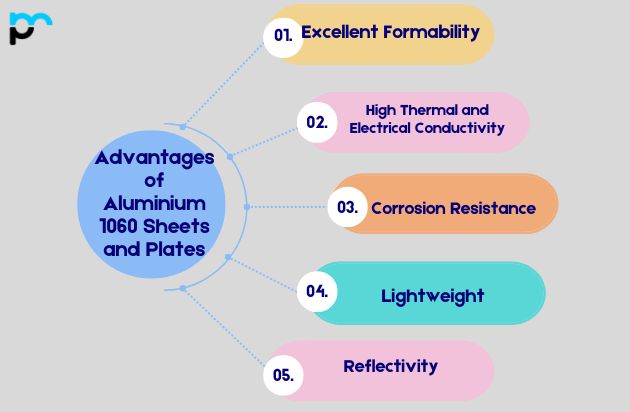
Advantages of Aluminium 1060 Sheets and Plates
Excellent Formability: Aluminium 1060 has excellent formability, allowing it to be shaped easily through a range of processes like rolling, extrusion, and drawing. Because of this characteristic, it is well suited for uses that call for intricate geometries.
Corrosion Resistance: It provides solid corrosion resistance, even when subjected to demanding conditions. As a result, Aluminium 1060 works well for outdoor and marine uses where contact with moisture and atmospheric elements frequently occurs.
High Thermal and Electrical Conductivity: Aluminium 1060 displays strong thermal and electrical conductivity, which makes it a great option for uses that depend on heat dissipation and electrical transmission, like heat sinks and electrical components.
Lightweight: As with every aluminium grade, 1060 is lightweight, a benefit for uses where reducing weight matters greatly, such as in transportation (automotive, aerospace) and construction.
Reflectivity: It offers high reflectivity, particularly when polished, making it valuable for uses that require reflecting light and heat, such as in lighting fixtures and solar reflective panels.
Aluminium 1060 Sheets Stockist In Brazil, Aluminium 1060 Cold Forming Sheets and Plates Dealer In Rio de Janeiro, Aluminum 1060 Export Quality Sheets Suppliers in Sao Paulo, Brazil.
Aluminium 1060 Sheets and Plates Uses
Application Industry
Aluminium 1060 Sheets and Plates play an essential role in petrochemicals, food processing, healthcare, water treatment, pharmaceuticals, power generation, construction, shipbuilding, and agriculture. They guarantee reliable connections in pipelines, uphold hygiene standards, and endure challenging conditions thanks to their corrosion resistance and durability.
Petrochemical Industry
Pharmaceutical Industry
Food Processing Industry
Water Treatment Plants
Electrical Industry: Owing to its excellent electrical conductivity, Aluminium 1060 sheets and plates find use in producing electrical transformers, capacitors, and busbars.
Architecture and Construction: It serves architectural purposes like roofing, siding, and decorative applications thanks to its resistance to corrosion and how easily it can be shaped.
Packaging: Aluminium 1060 serves in packaging goods such as foil and containers because of its non-toxic nature, strength, and capacity to endure both high and low temperatures.
Reflectors: Its strong reflectivity makes it well-suited for use in lighting fixtures and reflectors.
Heat Exchangers: The alloy’s solid thermal conductivity makes it well-suited for heat exchangers and air cooling systems.
How to Choose the Right Aluminium 1060
Sheets and Plates
Thickness and Dimensions: Work out the necessary thickness and dimensions of the sheets or plates according to your application. Aluminium 1060 comes in a range of thicknesses and sizes, so pick one that matches the structural and functional requirements of your project.
Surface Finish: Think about the surface finish your application calls for. Aluminium 1060 sheets and plates are available in a variety of finishes, including mill finish (raw aluminum), brushed finish, or polished finish. Which one you select hinges on aesthetic preferences, corrosion resistance requirements, and functional needs.
Strength and Formability: Assess the strength and formability requirements. Aluminium 1060 is recognized for its good formability but does not match the strength of certain other alloys such as 3003 or 5052. Make sure the alloy’s strength properties suit the structural demands of your project.
Can Aluminium 1060 Sheets and Plates be recycled after use?
Yes, Aluminium 1060 sheets and plates are recyclable once they have been used. Aluminium can be recycled to a high degree without any loss of its properties, which makes it beneficial both economically and environmentally. Recycling aluminium conserves energy and resources when compared with manufacturing it from raw materials.
FAQ (Frequently Asked Questions)
Are Aluminium 1060 Sheets and Plates suitable for hygienic and sanitary applications?
Aluminium 1060 sheets and plates are usually not advised for direct hygienic and sanitary uses because their surface qualities may fail to satisfy rigorous cleanliness requirements. Alloys offering smoother and more corrosion-resistant surfaces, such as 3003 or 5052, are favoured for these purposes in food handling or medical settings
Are Aluminium 1060 Sheets and Platessusceptible to galvanic corrosion?
Yes, Aluminium 1060 sheets and plates can be prone to galvanic corrosion when they come into contact with dissimilar metals in particular environments. To avoid galvanic corrosion in these situations, suitable insulation or protective measures, like coatings or barriers, are advised.
Can Aluminium 1060 Sheets and Platesbe used for underground applications?
Aluminium 1060 sheets and plates are typically not advised for underground use because they are prone to corrosion in damp and acidic soils. Alloys offering greater corrosion resistance, like 3003 or 5052, make better options for extended exposure to underground environments.
Aluminium 1060 Sheets Stockist Price In Brazil, Aluminium 1060 Cold Forming Sheets and Plates Dealer In Rio de Janeiro, Aluminum 1060 Export Quality Sheets Suppliers in Belo Horizonte, Brazil.