Stainless Steel Forgings Manufacturer Supplier Exporter in Rio de Janeiro, Brazil
Stainless Steel Forgings Supplier in Rio de Janeiro, SS Forgings Manufacturer in Belo Horizonte, Stainless Steel Forgings Exporter in Santa Catarina, SS Forgings Suppliers in Sao Paulo, Brazil
Table of Contents
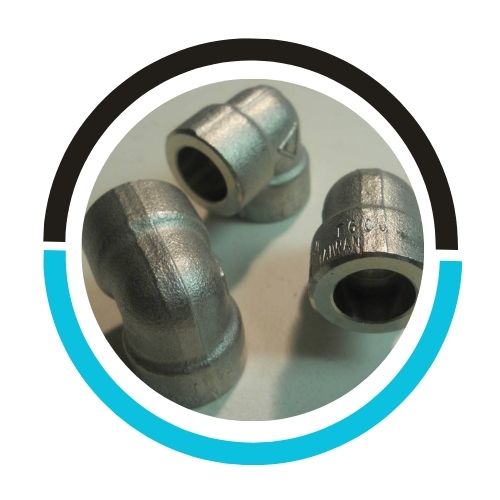
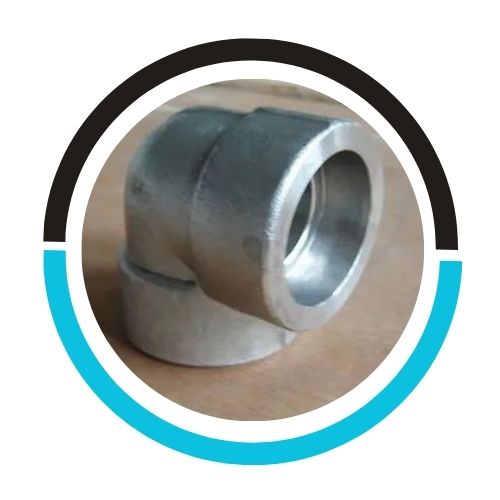
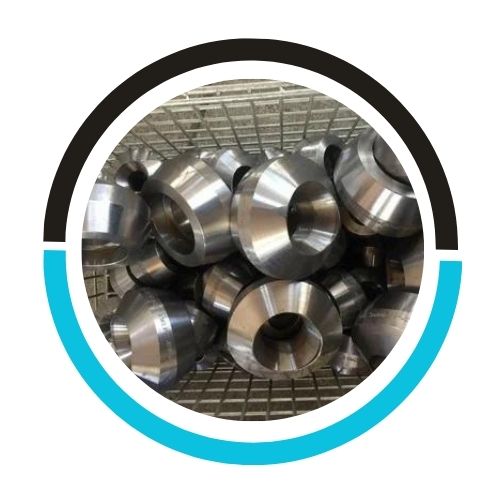
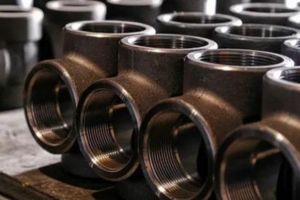
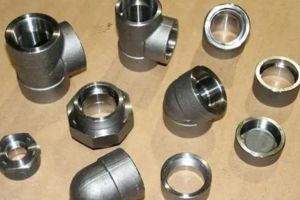
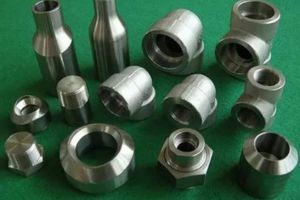
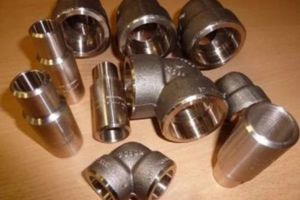
We provide a wide selection of Stainless Steel Forgings obtained from reliable suppliers recognized for their proficiency in stainless steel products. Crafted to satisfy diverse industry requirements, these forgings deliver flexibility in dimensions, grades, and specifications. Their outstanding ability to withstand corrosion and erosion makes them popular across industries like oil and gas, marine, and chemical processing. Featuring a strong microstructure, these forgings offer superb strength and long service life, guaranteeing uniform mechanical properties across the entire forged structure.
Stainless Steel Forgings Specifications
Specifications
ASTM A182, ASME SA182
Standard
DIN, ASTM, BS and all International Standards
Flat bar blocks
up to 27″ width and 15,000 lbs
Cylinders and sleeves
up to 50″ maximum O.D. and 65″ maximum length
Discs and hubs
up to 50″ diameter and 20,000 lbs
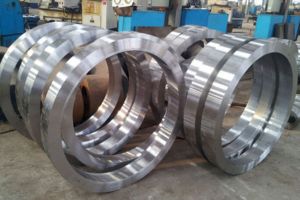
Rolled, hand forged or mandrel forged rings
up to 84″ maximum O.D. and 40″ maximum length
Rounds, shafts and step shafts
up to 144″ maximum length and 20,000 lbs
Forging Types
Impression Die Forging, Open Die Forging, Seamless Rolled Forging, Hot Forging, Cold Forging, Open die hammer forging, Impression die drop forging, Closed Die Forging, Press Forging, Upset Forging, Compression Forging, Swaging, Rotary Forging, Roll forging.
Stainless Steel Forgings Manufacturer in Brazil, ASTM A473 Stainless Steel Forgings Exporter in Rio de Janeiro, SS Forgings Manufacturer in Belo Horizonte
Top Stainless Steel Forgings Manufacturing Company in Sao Paulo
At Santossteel, we take pride in being the largest supplier and manufacturer in the Brazil, delivering advanced solutions for every one of your piping requirements. With cutting-edge production facilities strategically situated in the Brazil, we maintain an extensive inventory of more than 25,000 tons of top-quality materials kept ready in stock.
Reach out to us for a fast quote tailored to your requirement.
We supply these Stainless Steel Forgings conforming to DIN, ISO, JIS or ANSI Standard.
SS Forgings Supplier in Rio de Janeiro, Stainless Steel Forgings Exporter in Santa Catarina, SS Forgings Brazil
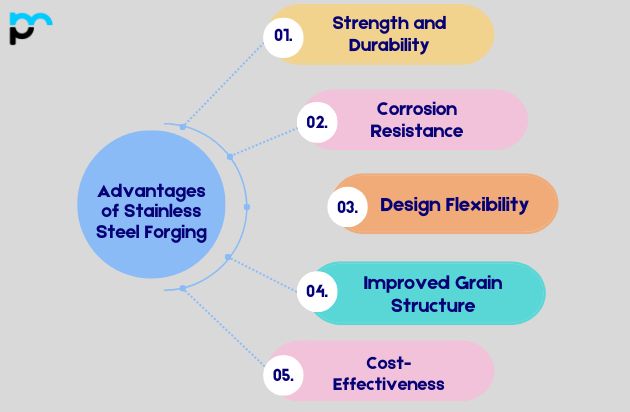
Advantages of Stainless Steel Forging
Strength and Durability: Forging stainless steel boosts the material’s structural integrity, delivering greater strength and durability than other manufacturing approaches. This makes it perfect for uses that demand high mechanical strength and resistance to wear and tear.
Corrosion Resistance: Stainless steel naturally withstands corrosion thanks to its chromium content, and forging boosts this resistance further by removing voids and other flaws. This makes forged stainless steel well-suited for demanding environments, like the marine or chemical processing industries.
Design Flexibility: Forging permits complex shapes and designs while preserving material integrity. This adaptability allows the creation of custom parts with particular geometries and characteristics matched to precise specifications.
Improved Grain Structure: The forging process refines stainless steel’s grain structure, improving mechanical properties such as toughness and impact resistance. The outcome is components that deliver stronger performance under both dynamic and static loads.
Cost-Effectiveness: Even though forging costs more upfront than other manufacturing methods, stainless steel forging brings long-term savings. Its durability, lower maintenance requirements, and extended service life all add to overall cost-effectiveness across a range of industrial applications.
Types of Stainless Steel Forgings
Stainless Steel Open Die Forging
Stainless Steel Hot Forging
Stainless Steel Cold Forging
Stainless Steel Closed Die Forging
ASTM A473 Stainless Steel Forgings
Stainless Steel Forgings
Stainless Steel Forgings Brazil, SS Forgings Supplier in Sao Paulo, Stainless Steel Forgings Price List in Rio de Janeiro, Brazil
Stainless Steel Forgings Uses
Application Industry
Stainless Steel Forgings serve applications as varied as the industries that use them, led chiefly by the aerospace, railway, construction and automotive sectors, along with petrochemical, nuclear, medical, Oil & Gas, Chemical, Pharmaceutical, Food & Beverage, Nuclear, Thermal Power plants, Paper and Pulp, marine and mining, etc.
Automotive Industry
Construction Sector
Aerospace Applications
Oil and Gas Industry
Aerospace Industry: Owing to their strength, corrosion resistance, and reliability, stainless steel forgings are vital for aircraft fittings, engine mounts, landing gear parts, and structural elements in aerospace applications.
Oil and Gas Industry: Within this sector, stainless steel forgings see widespread use in pipelines, valves, flanges, and offshore platforms where high mechanical strength and resistance to corrosion are indispensable.
Automotive Industry: Stainless steel forgings are applied in essential automotive parts such as gears, shafts, suspension components, and exhaust systems, where strength, durability, and resistance to wear and corrosion are critical.
Power Generation Industry: Parts like turbine blades, shafts, and other components in power plants gain from stainless steel forgings thanks to their mechanical strength, corrosion resistance, and capacity to endure high temperatures.
Marine Industry: In marine applications, stainless steel forgings are employed for boat fittings, propeller shafts, and other components that demand durability and resistance to seawater corrosion in harsh marine environments.
Medical Industry: Because of their biocompatibility, corrosion resistance, and capacity to endure sterilization processes, surgical instruments and implants are produced from stainless steel forgings.
Food and Beverage Industry: Processing equipment like valves, pumps, and fittings in food and beverage manufacturing rely on stainless steel forgings owing to their durability, corrosion resistance, and hygienic properties.
How to Choose the Right Stainless Steel Forgings
Corrosion Resistance: Identify the setting in which the forgings will operate (for instance, marine, chemical processing, food processing). For tougher conditions, choose stainless steel grades recognized for their resistance to corrosion, like 316L, 304L, or duplex stainless steel.
Mechanical Properties: Determine the mechanical strength your application demands, covering tensile strength, yield strength, and hardness. Grades such as 17-4 PH deliver high strength and hardness well suited for mechanical components.
Temperature Resistance: Consider the range of operating temperatures your application will face. Certain stainless steels, like 310 and 330, provide outstanding resistance at high temperatures, making them well suited for furnace and heat treatment uses.
Machinability: Think about how readily the material can be machined into the component shapes you need. Austenitic stainless steels like 304 and 316 are usually easier to machine than martensitic or duplex grades.
Weldability: If welding is part of your application, confirm that the chosen stainless steel grade offers good weldability. Austenitic stainless steels and duplex stainless steels are generally recognized for their excellent weldability.
Are Stainless Steel Forgings Susceptible To Galvanic Corrosion?
Stainless steel forgings typically resist galvanic corrosion when paired with other stainless steel parts or materials that share similar electrochemical characteristics. Nevertheless, galvanic corrosion may develop when they are combined with dissimilar metals in a conductive setting, owing to the difference in potential between the materials.
FAQ (Frequently Asked Questions)
What Are The Considerations For Selecting Stainless Steel Forgings?
When choosing stainless steel forgings, take into account elements like resistance to corrosion, mechanical characteristics (strength and toughness), heat resistance, and how well they fit the environmental demands of the intended application.
Are Stainless Steel Forgings Recyclable?
Stainless steel forgings can indeed be recycled to a high degree thanks to what they are made of—mainly iron, chromium, and nickel—which makes them prized within the scrap metal recycling sector for producing new stainless steel products.
Do Stainless Steel Forgings Require Corrosion Protection Coatings?
Stainless steel forgings generally don’t need corrosion protection coatings because of their built-in resistance to corrosion stemming from chromium oxide passivation. That said, coatings can be applied for extra protection in severe environments or particular applications.