Home > Stainless Steel > Stainless Steel 446 Forgings
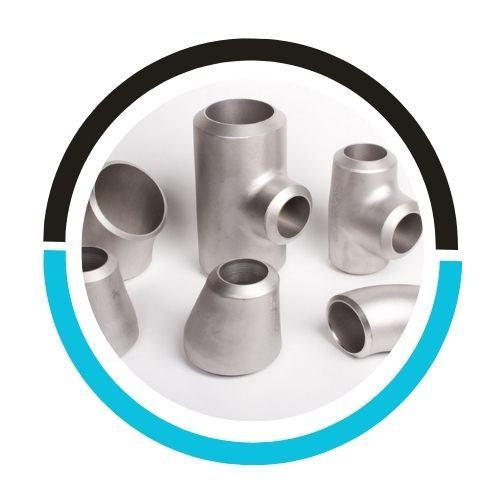
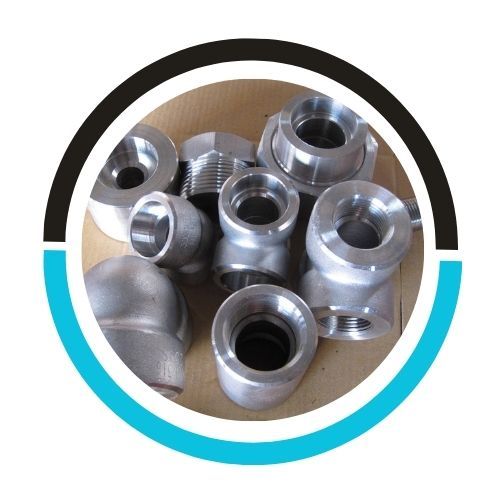
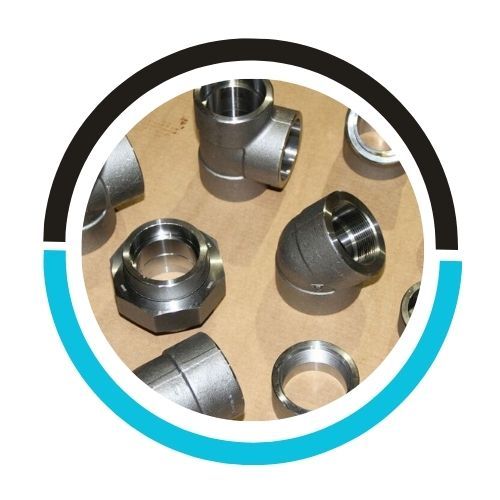
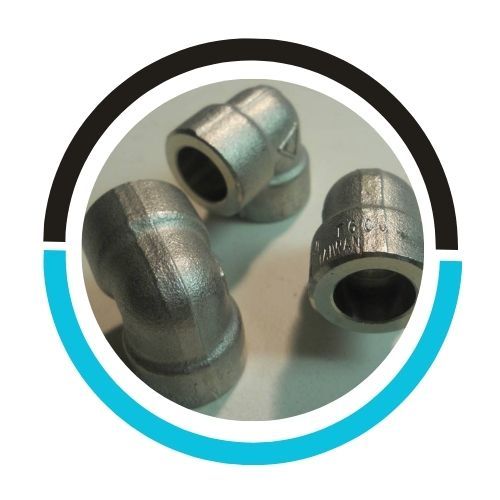
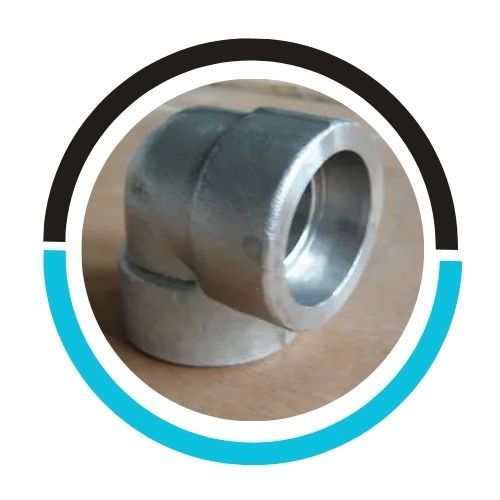
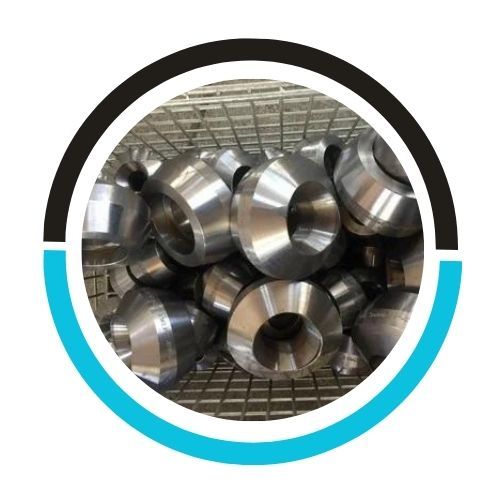
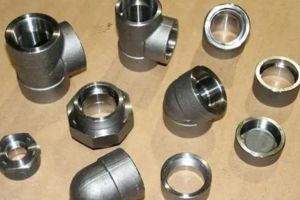
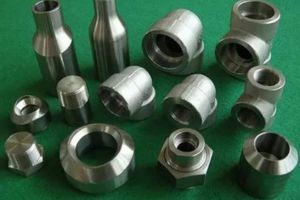
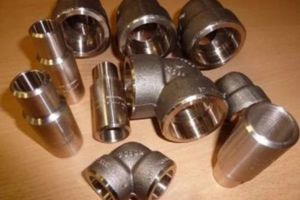
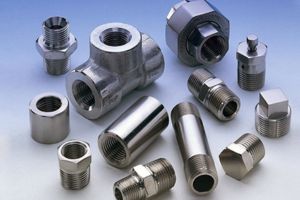
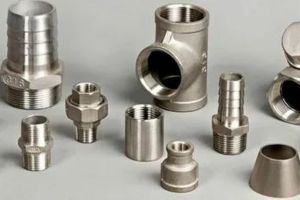
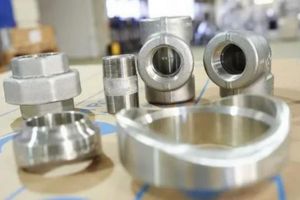
Our firm is skilled at supplying a broad range of Stainless Steel 446 Forgings obtained from leading suppliers celebrated for their mastery of stainless steel. Each forging is meticulously tailored to meet the demands of numerous industries, providing adaptability in dimensions, grades, and specifications. Commonly employed in fields such as automotive, aerospace, and food processing, they are valued for their exceptional resistance to corrosion and extended service life. Built with a robust microstructure, these 446 stainless steel forgings offer excellent strength and durability, guaranteeing dependable mechanical performance in a range of uses.
| Specifications | ASTM A182, ASME SA182 |
|---|---|
| Standard | DIN, ASTM, BS and all International Standards |
| Flat bar blocks | up to 27″ width and 15,000 lbs |
| Cylinders and sleeves | up to 50″ maximum O.D. and 65″ maximum length |
| Discs and hubs | up to 50″ diameter and 20,000 lbs |
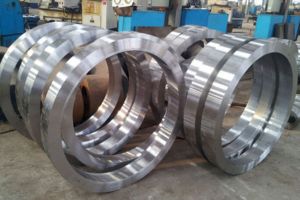
| Rolled, hand forged or mandrel forged rings | up to 84″ maximum O.D. and 40″ maximum length |
| Rounds, shafts and step shafts | up to 144″ maximum length and 20,000 lbs |
| Grade | C | Mn | Si | P | S | Cr | Mo | Ni | N |
| SS 446 | 0.08 max | 2 max | 0.75 max | 0.045 max | 0.030 max | 18 – 20 | – | 8 – 11 | – |
At Santossteel, we take pride in being the largest supplier and manufacturer in the Brazil, delivering advanced solutions for every one of your piping requirements. With cutting-edge production facilities strategically situated in the Brazil, we maintain an extensive inventory of more than 25,000 tons of top-quality materials kept ready in stock.
Reach out to us for a fast quote tailored to your needs.
We supply these Stainless Steel 446 Forgings in accordance with DIN, ISO, JIS or ANSI Standard.
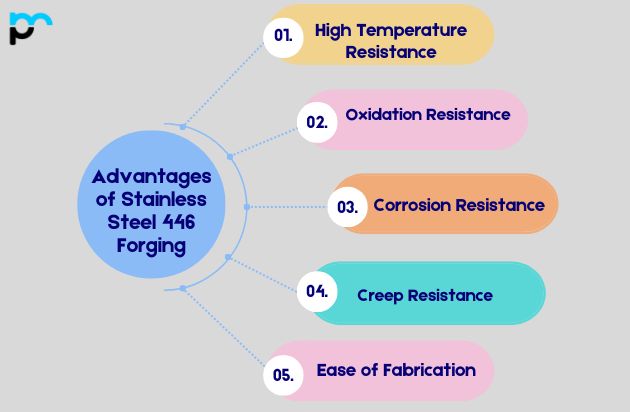
High Temperature Resistance: Stainless steel 446 is capable of enduring elevated temperatures reaching 1100-1150°C (2010-2100°F) during continuous operation. As a result, it works well for forging applications that frequently involve exposure to high temperatures.
Oxidation Resistance: It offers outstanding resistance to oxidation, even under cyclic conditions, which is essential for uses where the metal comes into contact with air at high temperatures.
Corrosion Resistance: Stainless steel 446 shows strong resistance to corrosion, especially in settings with elevated chloride levels. This makes it a good fit for forging components used in mildly corrosive surroundings.
Creep Resistance: It possesses solid creep strength at high temperatures, enabling it to retain its mechanical properties during extended exposure to heat and load.
Ease of Fabrication: Stainless steel 446 is comparatively simple to forge, weld, and machine when measured against certain other high-temperature alloys, which eases manufacturing processes.
Stainless Steel 446 Forgings serve a wide range of uses, spanning as many sectors as they supply, led chiefly by the aerospace, railway, construction and automotive fields, along with petrochemical, nuclear, medical, Oil & Gas, Chemical, Pharmaceutical, Food & Beverage, Nuclear, Thermal Power plants, Paper and Pulp, marine and mining, and more.
High-Temperature Furnace Components: Stainless steel 446 is frequently employed in producing parts for high-temperature furnaces and equipment operating at temperatures reaching as high as 1100-1150°C (2010-2100°F). Examples include radiant tubes, muffles, retorts, and conveyor belts.
Thermal Processing Equipment: It finds use in thermal processing machinery like kilns, annealing covers, and combustion chambers, where withstanding oxidation and thermal cycling is essential.
Chemical Processing: Parts such as reactors, heat exchangers, and boiler baffles found in chemical processing facilities take advantage of stainless steel 446’s ability to resist corrosion caused by acids, alkalis, and sulfurous atmospheres.
Temperature Requirements: Identify the highest service temperature required by your application. Grade 446 stainless steel works well for ongoing use up to roughly 1100-1150°C (2010-2100°F). Confirm that the forgings can endure the temperatures they’ll face without weakening their mechanical properties.
Corrosion Resistance: Assess the conditions in which the forgings will operate. Grade 446 stainless steel provides solid resistance to oxidation and corrosion in mildly corrosive settings, though it may fall short in strongly acidic or chloride-heavy conditions when compared to austenitic stainless steels. Verify that it aligns with the particular corrosion resistance needs of your application.
Mechanical Properties: Take into account the mechanical properties your application demands, including tensile strength, yield strength, and hardness. Grade 446 stainless steel delivers good creep strength and holds up well under thermal cycling, but make sure the forgings satisfy the mechanical load and stress demands of your equipment.
Stainless steel 446 forgings typically withstand galvanic corrosion well because of their elevated chromium content, which produces a protective oxide layer. That said, in particular settings involving dissimilar metals and electrolytes, galvanic corrosion may develop, requiring thorough evaluation of the application conditions to avoid possible problems
When choosing stainless steel 446 forgings, take into account their resistance to high temperatures (up to 1100-1150°C), resistance to oxidation, corrosion resistance in moderate settings, mechanical characteristics well-suited to high-stress uses, workability, and adherence to industry standards. Assess the specific requirements of your application to guarantee peak performance and durability.
Yes, Stainless steel 446 forgings can be recycled. As with other stainless steels, they lend themselves to recycling via conventional scrap metal recycling methods. Recycling stainless steel supports the conservation of natural resources, lowers energy use, and cuts down on manufacturing waste, which makes it an eco-friendly and sustainable option.
Stainless steel 446 forgings typically do not need corrosion protection coatings owing to their built-in resistance to oxidation and moderate corrosion across many settings. Nevertheless, under harsh or highly corrosive conditions, suitable coatings or surface treatments might be evaluated to improve durability and performance.
Email: sales@santossteel.com