Home > Stainless Steel > Stainless Steel 316 Forgings
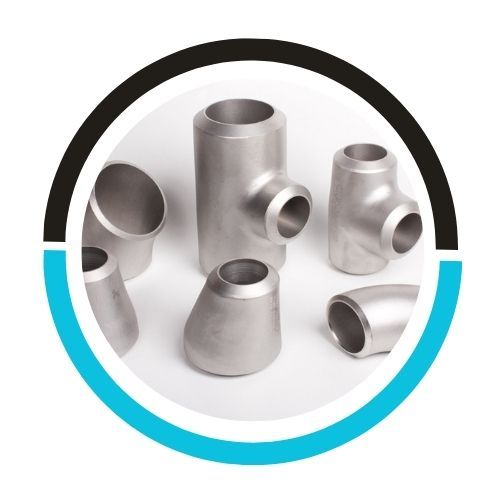
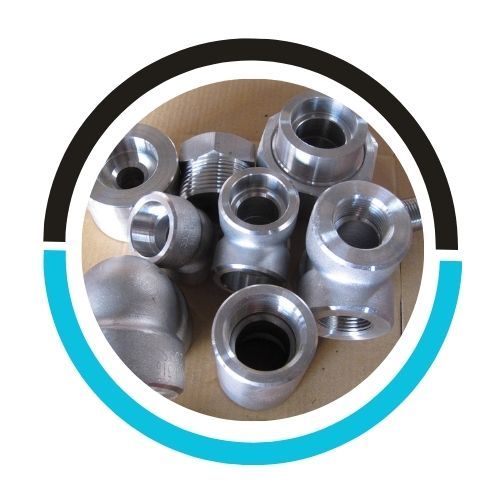
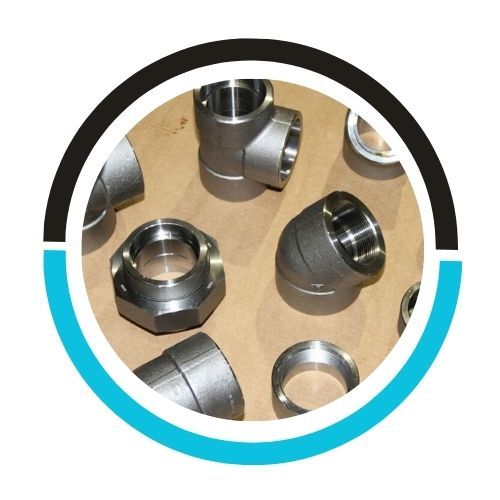
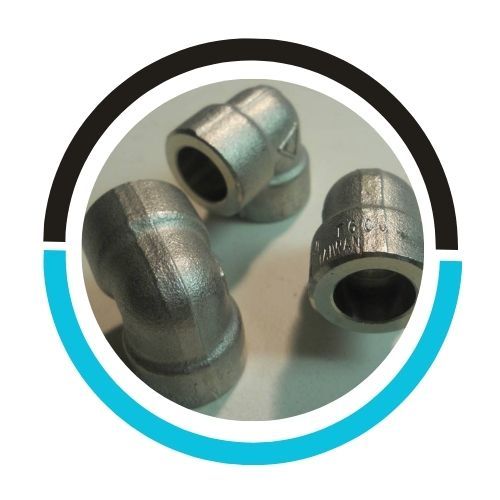
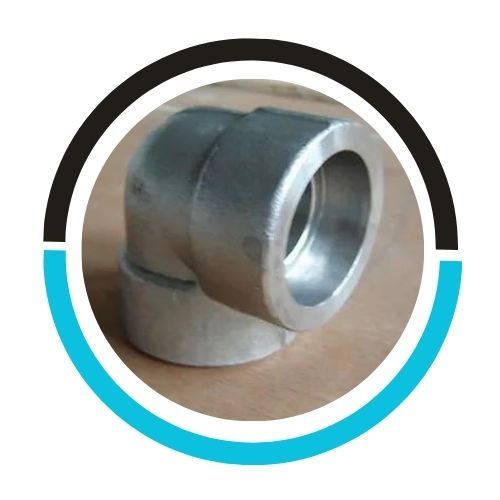
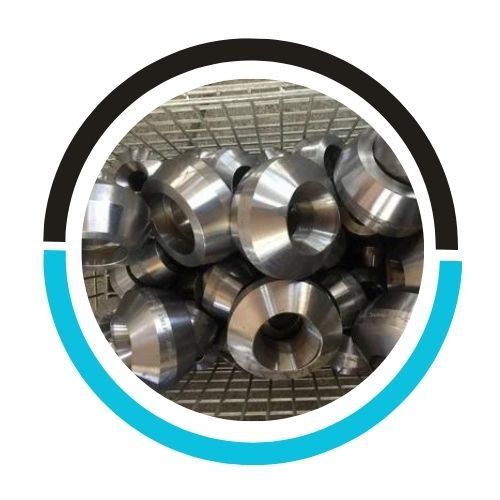
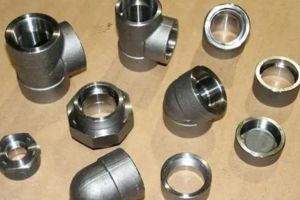
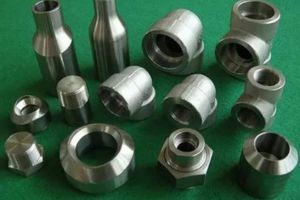
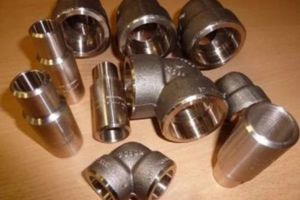
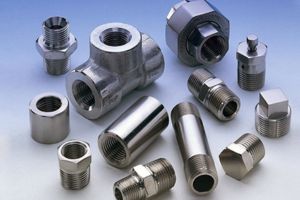
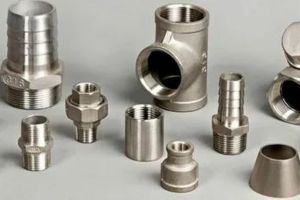
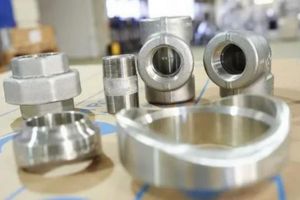
Our firm focuses on providing an extensive selection of Stainless Steel 316L Forgings obtained from respected suppliers celebrated for their proficiency in stainless steel. These custom-built forgings are meticulously custom-built to satisfy varied industry requirements, delivering flexibility in size, grades, and specifications. Broadly used in vital sectors like marine, pharmaceuticals, and chemical processing, they are valued for their outstanding resistance to corrosion and high temperatures. Designed with a strong microstructure, these 316 stainless steel forgings provide unmatched strength and durability, ensuring reliable performance in challenging applications.
| Specifications | ASTM A182, ASME SA182 |
|---|---|
| Standard | DIN, ASTM, BS and all International Standards |
| Flat bar blocks | up to 27″ width and 15,000 lbs |
| Cylinders and sleeves | up to 50″ maximum O.D. and 65″ maximum length |
| Discs and hubs | up to 50″ diameter and 20,000 lbs |
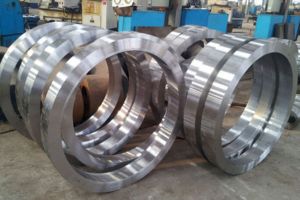
| Rolled, hand forged or mandrel forged rings | up to 84″ maximum O.D. and 40″ maximum length |
| Rounds, shafts and step shafts | up to 144″ maximum length and 20,000 lbs |
| Grade | C | Mn | Si | P | S | Cr | Mo | Ni | N |
| SS 316L | 0.035 max | 2.0 max | 1.0 max | 0.045 max | 0.030 max | 16.00 – 18.00 | 2.00 – 3.00 | 10.00 – 14.00 | 68.89 min |
| Density | Melting Point | Tensile Strength | Yield Strength (0.2%Offset) | Elongation |
| 8.0 g/cm3 | 1399 °C (2550 °F) | Psi – 75000 , MPa – 515 | Psi – 30000 , MPa – 205 | 35 % |
At Santossteel, we take pride in being the largest supplier and manufacturer in the Brazil, delivering advanced solutions for every one of your piping requirements. With cutting-edge production facilities strategically positioned in the Brazil, we maintain an extensive inventory of more than 25,000 tons of top-quality materials kept ready in stock.
Get in touch with us to receive a fast quote for your requirement.
We supply these Stainless Steel 316L Forgings in accordance with DIN, ISO, JIS or ANSI Standard.
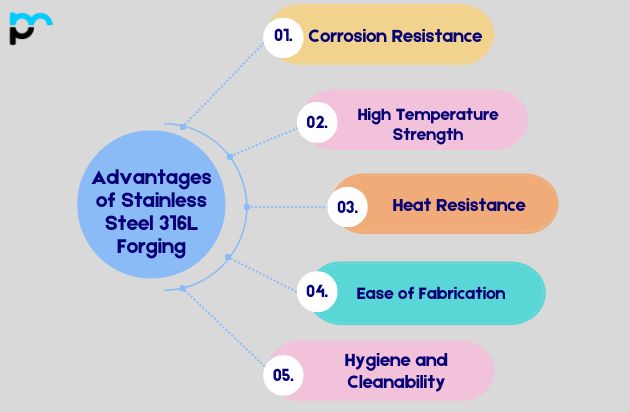
Corrosion Resistance: Stainless Steel 316L provides outstanding corrosion resistance, which makes it well-suited for deployment across a range of environments, such as marine and chemical processing industries. This resistance stems from its elevated chromium (16-18%) and molybdenum (2-3%) content.
Strength and Durability: 316L stainless steel delivers strong mechanical properties, such as high tensile strength and toughness. This renders it appropriate for applications that demand high strength and durability.
Heat Resistance: It retains its mechanical properties across both elevated and low temperatures. This characteristic is essential in applications where temperature fluctuations are considerable.
Ease of Fabrication: Stainless Steel 316L can be readily forged and machined. Using standard forging methods, it can be shaped into a variety of forms and dimensions, making it adaptable for a range of manufacturing processes.
Hygiene and Cleanability: It cleans easily and offers good hygiene characteristics, which makes it well-suited for applications in the food, pharmaceutical, and medical industries where cleanliness is essential.
Stainless Steel 316L Forgings serve applications as varied as the industries that rely on them, led chiefly by the aerospace, railway, construction and automotive sectors, along with petrochemical, nuclear, medical, Oil & Gas, Chemical, Pharmaceutical, Food & Beverage, Nuclear, Thermal Power plants, Paper and Pulp, marine and mining, etc.
Marine and Coastal Applications: Owing to its outstanding resistance to corrosion, 316L stainless steel forgings see broad use in marine settings for parts such as boat fittings, shafts, propellers, and underwater pipelines.
Chemical and Petrochemical Industry: Their strong resistance to corrosion and acids makes 316L forgings well suited for equipment and parts in chemical processing plants, including valves, pumps, tanks, and heat exchangers.
Food and Beverage Processing: Stainless Steel 316L is favored in food processing equipment thanks to its hygienic characteristics and its resistance to corrosion from food acids and sanitizing agents. It serves in forging parts such as mixing tanks, piping, and fittings.
Mechanical Properties: Assess the mechanical strength criteria—such as tensile strength, yield strength, and toughness—required for your components. Stainless Steel 316L provides solid mechanical properties well suited to a broad range of applications, though exact needs can differ based on the load and stress conditions involved.
Temperature Resistance: Take into account the temperature range in which the forgings will function. Stainless Steel 316L retains its strength and corrosion resistance at both elevated and low temperatures, which makes it appropriate for applications facing varying thermal conditions.
Fabrication and Machinability: Evaluate how practical it is to forge Stainless Steel 316L into the shapes and sizes your components demand. Weigh factors like ease of machining, welding, and forming to confirm compatibility with your manufacturing processes.
Stainless Steel 316L forgings typically resist galvanic corrosion when joined with compatible metals, owing to their noble character and passive oxide layer. Nevertheless, in some harsh conditions or when combined with dissimilar metals, steps should be taken to guard against galvanic corrosion via appropriate design and material choices.
When choosing Stainless Steel 316L forgings, evaluate corrosion resistance across varied environments, mechanical strength for load-bearing uses, temperature stability, ease of fabrication, and appropriateness for hygiene-sensitive industries. Verify compatibility with other materials to avoid galvanic corrosion and meet regulatory standards for particular applications.
Yes, Stainless Steel 316L forgings are highly recyclable. They can be melted down and repurposed without sacrificing their valuable properties. Recycling stainless steel lowers energy use and environmental impact when compared to manufacturing new materials, making it a sustainable option across a range of industries.
Stainless Steel 316L forgings typically don’t need corrosion protection coatings because of their built-in corrosion resistance stemming from chromium and molybdenum content. Nevertheless, in extremely corrosive settings or particular applications, coatings such as paints or epoxy can be applied to offer extra protection against localized corrosion or wear.
Email: sales@santossteel.com