Home > Stainless Steel > Stainless Steel 304L Forgings
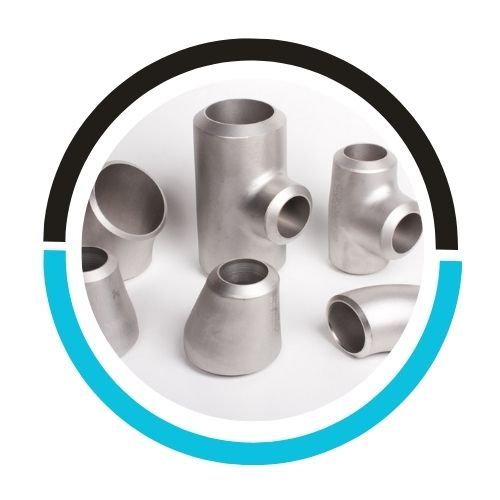
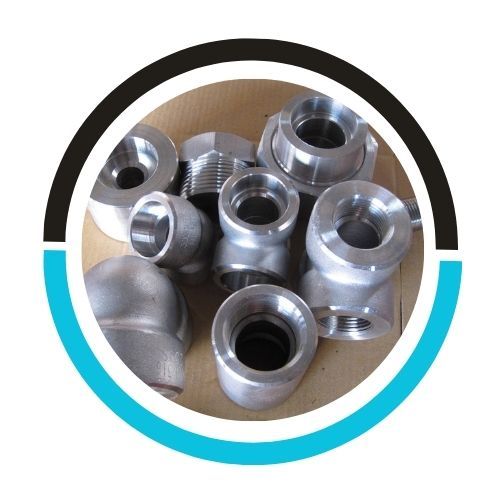
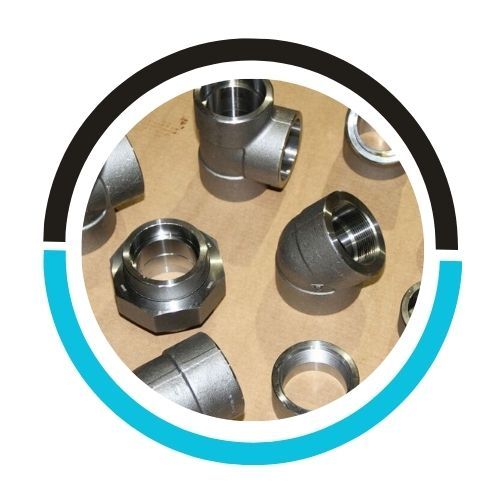
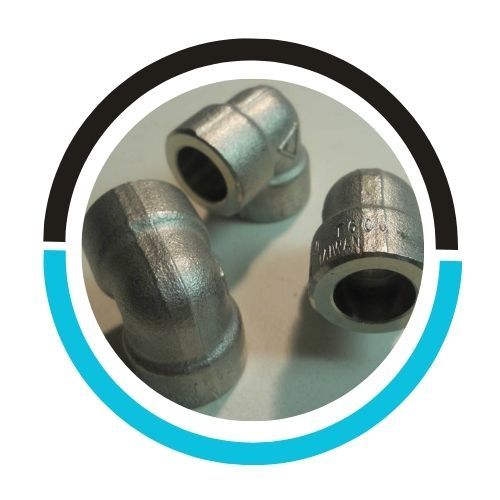
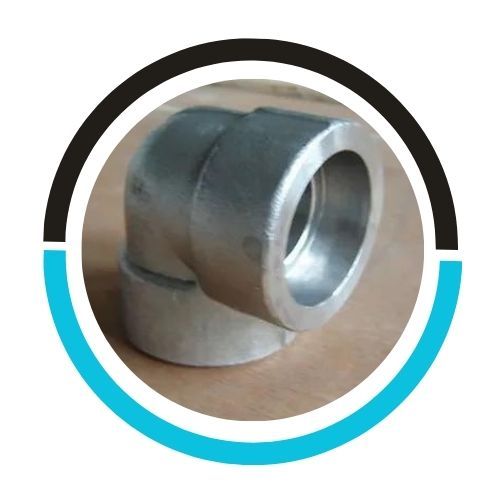
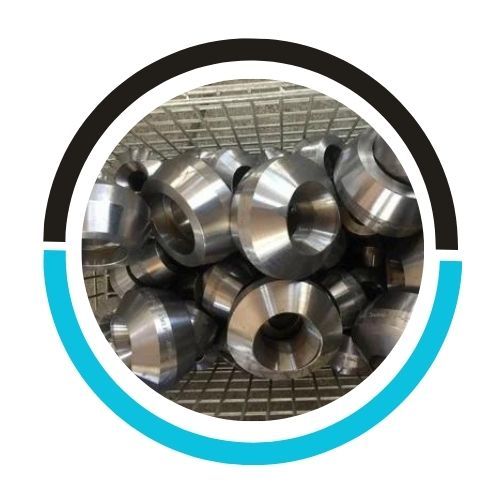
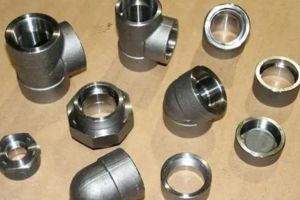
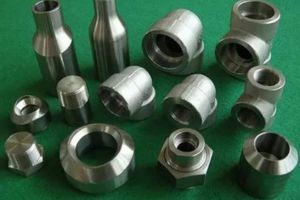
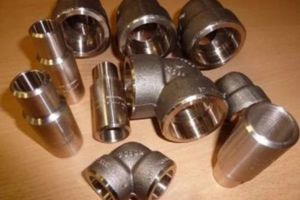
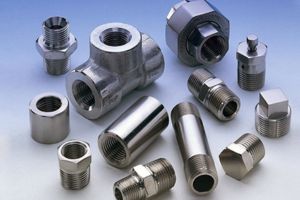
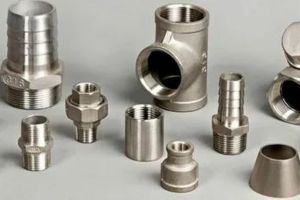
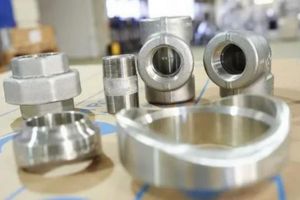
Our firm specializes in offering a varied range of Stainless Steel 304L Forgings obtained from leading suppliers celebrated for their stainless steel proficiency. These forgings are meticulously tailored to meet a broad spectrum of industry needs, providing adaptability in dimensions, grades, and standards. Commonly employed in fields such as automotive, aerospace, and food processing, they are valued for their exceptional corrosion resistance and durability. Built with a robust microstructure, these 304 stainless steel forgings provide enhanced strength and toughness, guaranteeing dependable mechanical performance across diverse applications.
| Specifications | ASTM A182, ASME SA182 |
|---|---|
| Standard | DIN, ASTM, BS and all International Standards |
| Flat bar blocks | up to 27″ width and 15,000 lbs |
| Cylinders and sleeves | up to 50″ maximum O.D. and 65″ maximum length |
| Discs and hubs | up to 50″ diameter and 20,000 lbs |
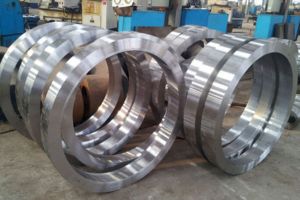
| Rolled, hand forged or mandrel forged rings | up to 84″ maximum O.D. and 40″ maximum length |
| Rounds, shafts and step shafts | up to 144″ maximum length and 20,000 lbs |
| Grade | C | Mn | Si | P | S | Cr | Mo | Ni | N |
| SS 304L | 0.035 max | 2.0 max | 1.0 max | 0.045 max | 0.03 max | 18 – 20 | – | 8 – 13 | – |
| Density | Melting Point | Tensile Strength | Yield Strength (0.2%Offset) | Elongation |
| 8.0 g/cm3 | 1400 °C (2550 °F) | Psi – 75000 , MPa – 515 | Psi – 30000 , MPa – 205 | 35 % |
At Santossteel, we take pride in being the largest supplier and manufacturer in the Brazil, delivering advanced solutions for every piping requirement you have. Featuring cutting-edge manufacturing facilities strategically positioned in the Brazil, we maintain an extensive inventory of more than 25,000 tons of top-quality materials kept ready in stock.
Reach out to us for a fast quote tailored to your needs.
We supply These Stainless Steel 304L Forgings in accordance with DIN, ISO, JIS or ANSI Standard.
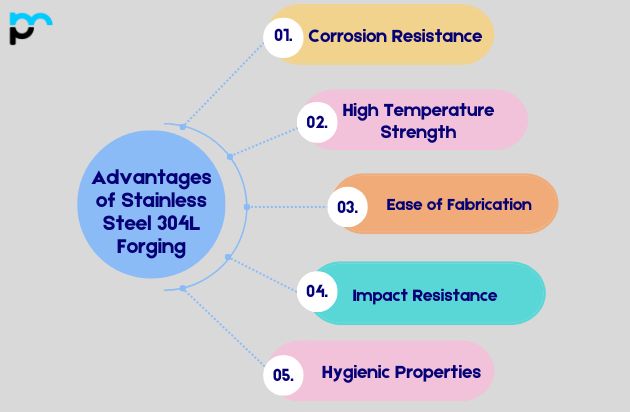
Corrosion Resistance: A key advantage of Stainless Steel 304L is its outstanding resistance to corrosion. It holds up against corrosion from many different chemicals and atmospheric conditions, which makes it appropriate for diverse environments, including marine and industrial applications.
High Temperature Strength: Stainless Steel 304L retains its mechanical properties even at high temperatures, making it well-suited for uses where exposure to elevated heat is frequent.
Ease of Fabrication: Stainless Steel 304L can be forged into intricate shapes and configurations with relative ease. This straightforward fabrication broadens its applicability across numerous industries, such as aerospace, automotive, and construction.
Impact Resistance: The material offers strong impact resistance, which improves its durability and dependability in uses where mechanical stresses are considerable.
Hygienic Properties: Stainless Steel 304L is non-porous and simple to clean, making it perfect for uses that demand high standards of cleanliness and hygiene, such as food processing and medical equipment.
Stainless Steel 304L Forgings serve applications as varied as the industries that use them, led chiefly by the aerospace, railway, construction and automotive sectors, along with petrochemical, nuclear, medical, Oil & Gas, Chemical, Pharmaceutical, Food & Beverage, Nuclear, Thermal Power plants, Paper and Pulp, marine and mining, etc.
Industrial Equipment: Stainless Steel 304L forgings serve in producing industrial equipment including valves, pumps, fittings, and fasteners. Their resistance to corrosion and long-lasting nature make them well-suited for dealing with chemicals, oils, and gases.
Food Processing: Within the food and beverage sector, Stainless Steel 304L is the material of choice for equipment such as tanks, piping, and processing machinery. Its sanitary characteristics, ability to withstand corrosion caused by food acids, and simplicity of cleaning render it perfect for keeping conditions hygienic.
Architectural Applications: Stainless Steel 304L forgings find use in architectural settings for building facades, handrails, door and window fittings, and decorative features. Their visual appeal, corrosion resistance, and endurance across different weather conditions make them a favored option.
Mechanical Properties: Identify the mechanical properties needed, including tensile strength, yield strength, hardness, and impact resistance. These characteristics should match the operating conditions and stresses that the forgings will be subjected to.
Fabrication Requirements: Take into account the ease of fabrication and machining. Stainless Steel 304L is typically simple to forge, weld, and machine, but you should factor in the complexity of your design and the manufacturing processes required (e.g., forging, machining, heat treatment).
Size and Shape: Define the size and shape of the forgings needed for your application. Stainless Steel 304L forgings can be manufactured in a range of shapes and sizes, but make sure they satisfy the dimensional tolerances and surface finish specifications for your particular requirements.
Stainless Steel 304L forgings typically resist galvanic corrosion when combined with other stainless steels or noble metals. Nevertheless, when joined with dissimilar metals (e.g., aluminum, copper), galvanic corrosion may take place because of potential differences, making it necessary to carefully evaluate the application environment to avoid such problems.
When choosing Stainless Steel 304L forgings, take into account elements like corrosion resistance in the operating environment, the mechanical characteristics required (strength, hardness), fabrication ease, and compliance requirements. Compatibility with other materials and cost-effectiveness are equally vital factors for achieving the best performance and durability.
Yes, Stainless Steel 304L forgings are highly recyclable. They can be melted and repurposed without sacrificing their inherent properties, which makes them environmentally friendly. Recycling stainless steel aids in preserving natural resources and lowers energy usage in comparison to manufacturing new materials.
Stainless Steel 304L forgings typically don’t need corrosion protection coatings because of their built-in resistance to corrosion. Nevertheless, in extremely harsh conditions or particular applications, coatings such as paints or specialized finishes might be used to improve durability or offer extra defense against certain corrosive substances.
Email: sales@santossteel.com