Home > Stainless Steel > Stainless Steel 347 Forgings
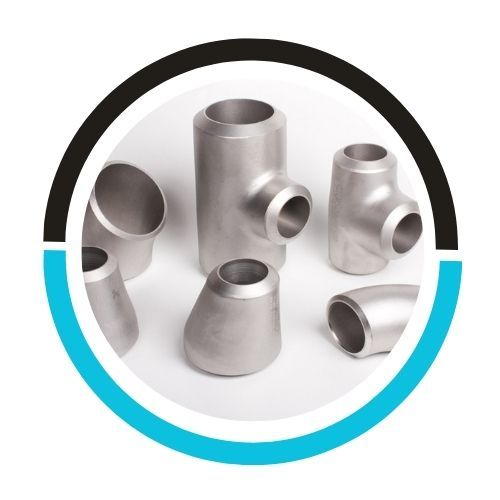
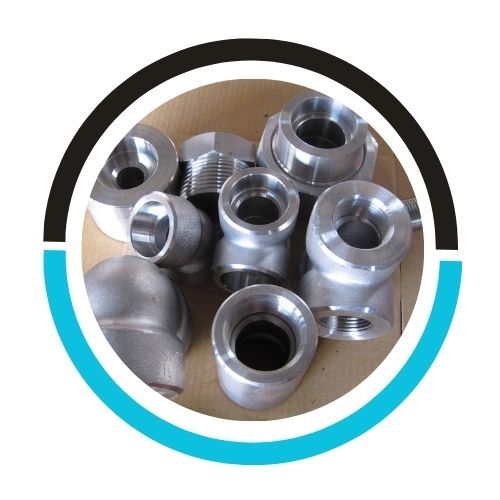
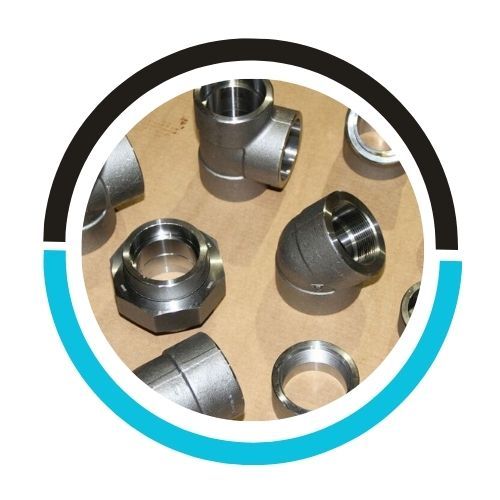
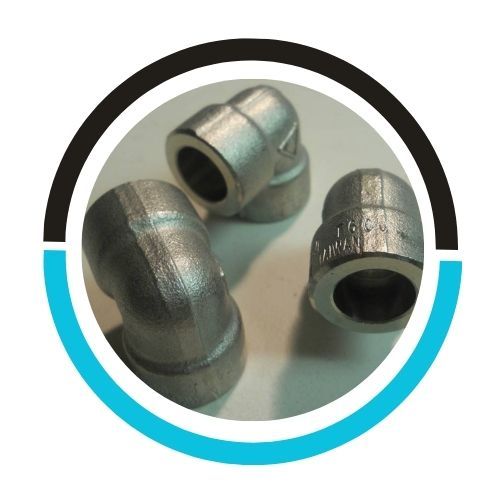
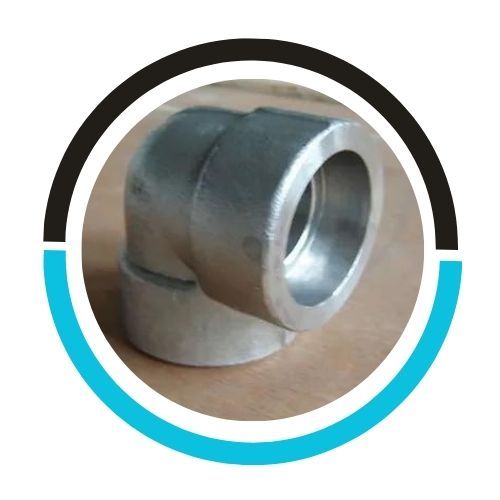
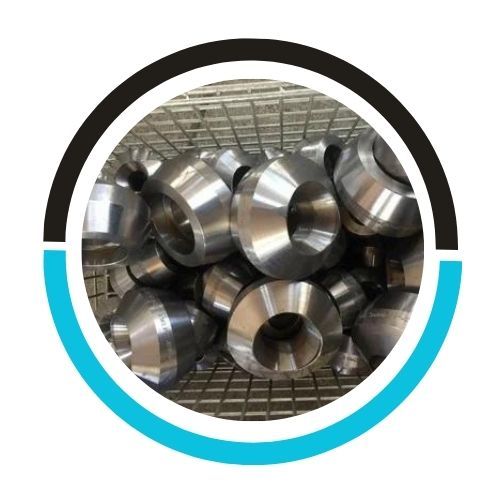
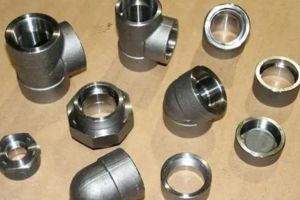
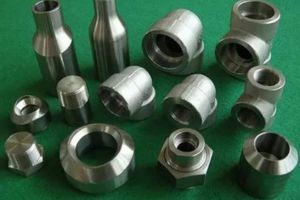
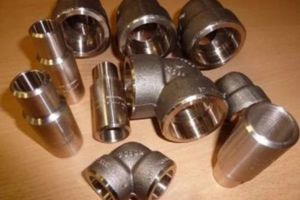
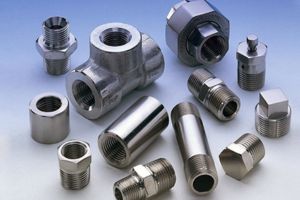
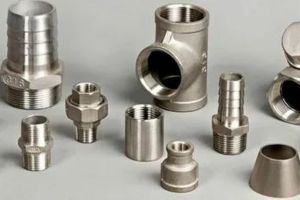
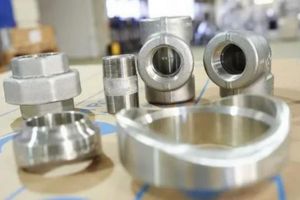
Our firm stands out in delivering a broad range of Stainless Steel 301 Forgings obtained from leading suppliers celebrated for their mastery of stainless steel. Each of these forgings is meticulously tailored to meet the varied demands of many industries, providing versatility in dimensions, grades, and specifications. Commonly employed across fields such as automotive, aerospace, and food processing, they are valued for their exceptional resistance to corrosion and their long service life. Built with a robust microstructure, these 301 stainless steel forgings offer excellent strength and durability, guaranteeing dependable mechanical performance in a wide range of uses.
| Specifications | ASTM A182, ASME SA182 |
|---|---|
| Standard | DIN, ASTM, BS and all International Standards |
| Flat bar blocks | up to 27″ width and 15,000 lbs |
| Cylinders and sleeves | up to 50″ maximum O.D. and 65″ maximum length |
| Discs and hubs | up to 50″ diameter and 20,000 lbs |
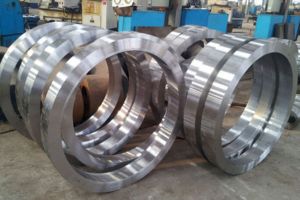
| Rolled, hand forged or mandrel forged rings | up to 84″ maximum O.D. and 40″ maximum length |
| Rounds, shafts and step shafts | up to 144″ maximum length and 20,000 lbs |
| Grade | C | Mn | Si | P | S | Cr | Mo | Ni | N |
| SS 301 | 0.08 max | 2 max | 0.75 max | 0.045 max | 0.030 max | 18 – 20 | – | 8 – 11 | – |
At Santossteel, we take pride in being the largest supplier and manufacturer in the Brazil, delivering advanced solutions for all your piping requirements. With cutting-edge production plants strategically situated in the Brazil, we maintain an extensive inventory of more than 25,000 tons of premium-quality materials kept readily in stock.
Reach out to us for a fast quote tailored to your needs.
We provide these Stainless Steel 301 Forgings conforming to DIN, ISO, JIS or ANSI Standard.
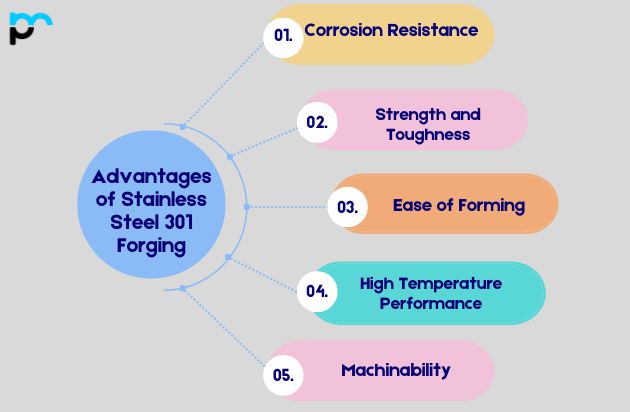
Corrosion Resistance: Stainless Steel 301 offers strong resistance to corrosion, which makes it well-suited for settings where contact with moisture or chemicals may be an issue. This characteristic is preserved even after forging thanks to its natural composition.
Strength and Toughness: It demonstrates solid strength and toughness, qualities that are essential for uses that demand durability and reliability across changing conditions.
Ease of Forming: Stainless Steel 301 is easily formable, which aids the forging process. It can be molded into intricate shapes without sacrificing its mechanical properties.
High Temperature Performance: It preserves its mechanical properties at high temperatures, making it appropriate for uses that call for heat resistance.
Machinability: Stainless Steel 301 is comparatively simple to machine following forging, enabling accurate finishing and dimensional precision.
Stainless Steel 301 Forgings serve applications as varied as the sectors they support, led chiefly by the aerospace, railway, construction and automotive industries, along with petrochemical, nuclear, medical, Oil & Gas, Chemical, Pharmaceutical, Food & Beverage, Nuclear, Thermal Power plants, Paper and Pulp, marine and mining, etc.
Automotive Industry: Parts that demand high strength, resistance to corrosion, and long-lasting durability are frequently produced from Stainless Steel 301 forgings. This covers components for exhaust systems, brackets, fasteners, and suspension parts.
Aerospace Applications: Within aerospace, where reducing weight and withstanding corrosion are essential, Stainless Steel 301 forgings serve in structural elements, fittings, and fasteners.
Industrial Equipment: A range of industrial machinery like pumps, valves, shafts, and gears gains from the strength and corrosion resistance of Stainless Steel 301 forgings, especially in settings exposed to chemicals or moisture.
Medical and Pharmaceutical: The equipment and parts employed across medical and pharmaceutical fields need materials that clean easily, stay non-reactive, and resist corrosion. Stainless Steel 301 forgings work well for surgical instruments, medical implants, and processing equipment.
Mechanical Properties: Determine the mechanical characteristics your application demands, including tensile strength, yield strength, and hardness. Stainless Steel 301 generally provides solid strength and toughness, though particular needs may differ based on how the part functions.
Corrosion Resistance: Evaluate the environmental conditions under which the forgings will function. Stainless Steel 301 is recognized for its outstanding corrosion resistance, yet various grades within the 301 family may present differences in resistance to certain chemicals or settings. Confirm that the selected grade satisfies the corrosion resistance demands of your application.
Formability and Machinability: Take into account the formability and machinability the forgings require. Stainless Steel 301 is typically simple to form and machine, though aspects such as the intricacy of the part’s shape and the precision needed may affect your decision.
Stainless Steel 301 forgings may be prone to galvanic corrosion when they contact dissimilar metals in electrolytic settings. Applying suitable insulation or choosing compatible materials can reduce this risk, guaranteeing durability and performance across a range of applications.
When choosing Stainless Steel 301 forgings, weigh aspects such as mechanical characteristics (strength, toughness), resistance to corrosion, ease of forming, thermal stability, adherence to industry standards, value for money, and dependability of the supplier. Adapt your selection to the demands of your particular application to guarantee the best possible performance and longevity.
Yes, Stainless Steel 301 forgings can be recycled. They can be melted down and reused to make new stainless steel products without sacrificing their inherent qualities. Recycling stainless steel helps preserve natural resources and lessens environmental impact when compared to manufacturing new materials from scratch.
Stainless Steel 301 forgings generally don’t need corrosion protection coatings because of their built-in resistance to corrosion. That said, in exceptionally severe conditions or for particular uses, supplementary coatings such as epoxy or paint can be applied to add an extra barrier of defense against corrosion.
Email: sales@santossteel.com