Home > Nickel Alloy > Nickel Alloy 201 Forging
Set out on a path of outstanding performance and dependability with our Nickel Alloy 201 Forgings, thoughtfully custom-built to thrive in demanding industrial applications. Crafted with precision and reinforced with remarkable durability, our Nickel Alloy 201 Forgings set a new standard for excellence in critical environments. Delivering superior corrosion resistance and lasting strength, these forgings surpass conventional materials, guaranteeing reliable performance where dependability is essential. Whether facing the high-pressure conditions of oil and gas operations or the extreme temperatures of power generation, our Nickel Alloy 201 Forgings ensure unrivaled resilience and steady functionality. Dedicated to exceeding your expectations, we provide customized solutions, competitive pricing, and responsive service, integrating seamlessly into your projects with precision and efficiency. Rely on our premium Nickel Alloy 201 Forgings, supported by an unwavering commitment to quality and performance, to lift your projects to new heights of success.
| Grade | C | Mn | Si | S | Cu | Fe | Ni |
| Nickel 201 Forgings | 0.15 max | 0.35 max | 0.35 max | 0.01 max | 0.25 max | 0.40 max | 99.0 min |
| Element | Density | Melting Point | Tensile Strength | Yield Strength (0.2%Offset) | Elongation |
| Nickel 201 Forgings | 8.9 g/cm3 | 1446 °C (2635 °F) | Psi – 67000 , MPa – 462 | Psi – 21500 , MPa – 148 | 45 % |
| Specifications | ASTM B564, ASME SB564 |
|---|---|
| Standard | BS 3072, BS 3073, BS 3074, BS 3075, BS 3076, NA11 DIN 17740, 17750, 17751, 17752, 17753, 17754, DIN, ASTM, BS and all International Standards |
| Flat bar blocks | up to 27″ width and 15,000 lbs |
| Cylinders and sleeves | up to 50″ maximum O.D. and 65″ maximum length |
| Discs and hubs | up to 50″ diameter and 20,000 lbs |
| Rolled, hand forged or mandrel forged rings | up to 84″ maximum O.D. and 40″ maximum length |
| Rounds, shafts and step shafts | up to 144″ maximum length and 20,000 lbs |
At Santossteel, we take pride in being the largest supplier and manufacturer in the Brazil, delivering advanced solutions for all your piping requirements. With cutting-edge production facilities strategically situated in the Brazil, we maintain an extensive inventory of more than 25,000 tons of premium-quality materials kept ready in stock.
Contact us to receive a fast quote for your requirement.
We supply these Nickel Alloy 201 Forging in accordance with DIN, ISO, JIS or ANSI Standard.2
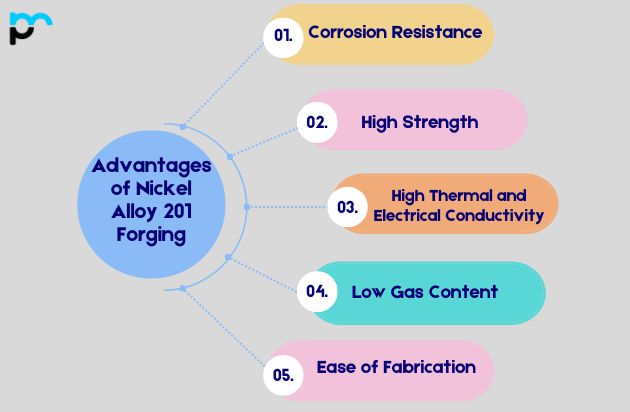
Corrosion Resistance: Nickel Alloy 201 offers strong resistance to a wide range of corrosive conditions, such as acids, alkalis, and neutral salts. This quality makes it well-suited for uses where resisting corrosion is essential, like in chemical processing industries.
High Thermal and Electrical Conductivity: It demonstrates outstanding thermal and electrical conductivity, which makes it valuable in applications that demand these characteristics, such as electrical components and heat exchangers.
High Strength: Following a forging process, Nickel Alloy 201 maintains good mechanical properties, such as high strength and toughness. This makes it appropriate for uses where strength and durability matter.
Low Gas Content: Nickel Alloy 201 contains very low levels of carbon and oxygen, which lowers the chance of embrittlement and enhances its resistance to intergranular attack in high-temperature uses.
Ease of Fabrication: It is fairly simple to fabricate and shape into a variety of forms and sizes via forging, machining, or welding methods, providing flexibility in both design and manufacturing.
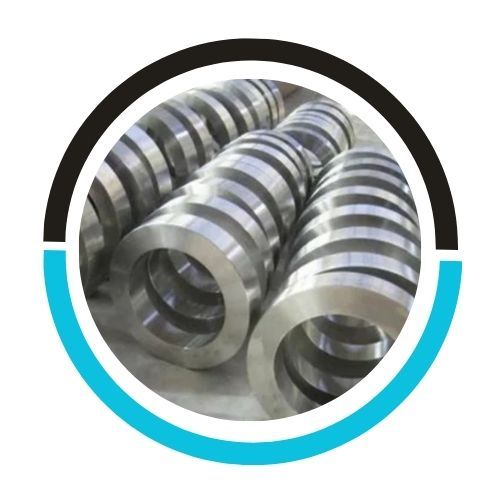
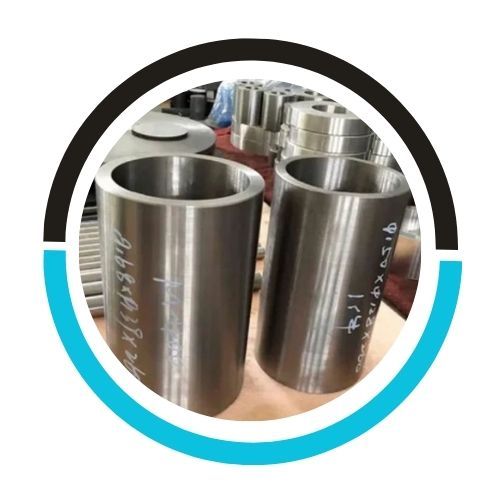
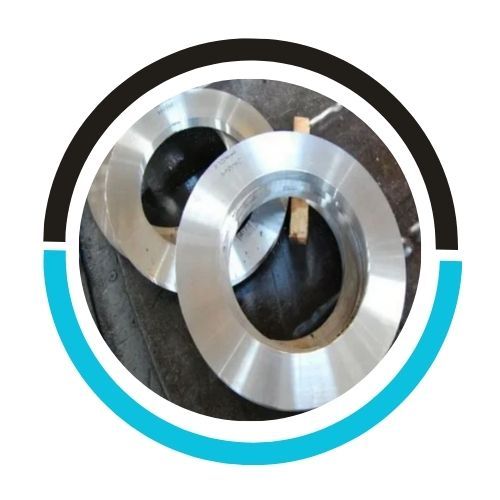
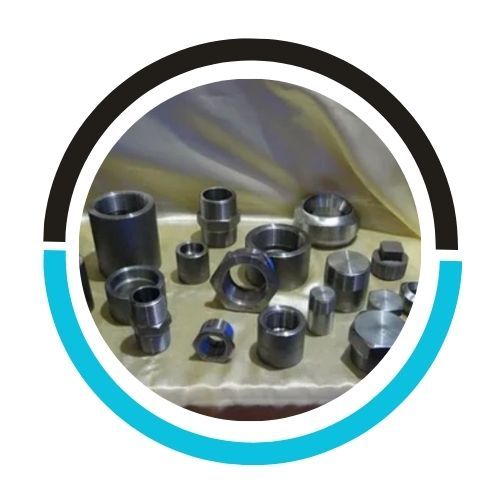
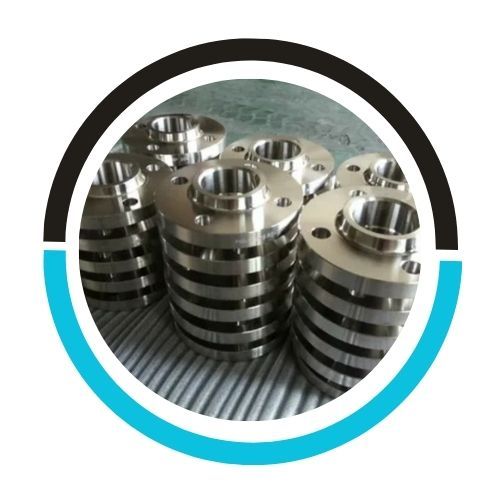
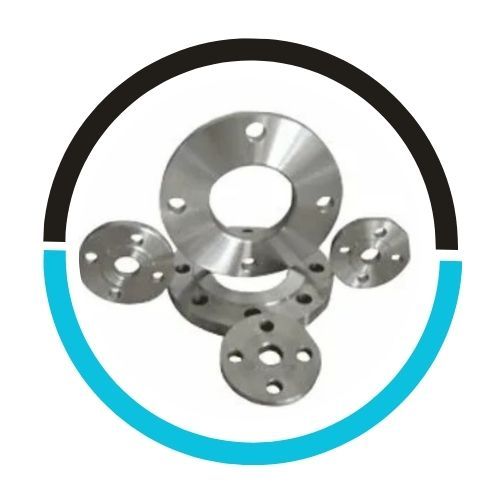
Nickel Alloy 201 Forging uses are as wide-ranging as the sectors they support, led chiefly by the aerospace, railway, construction and automotive fields along with petrochemical, nuclear, medical, Oil & Gas, Chemical, Pharmaceutical, Food & Beverage, Nuclear, Thermal Power plants, Paper and Pulp, marine and mining, etc.
Chemical Processing: Nickel Alloy 201 forgings find broad application in chemical processing industries, covering the production and handling of acids, alkalis, and other corrosive chemicals. They withstand corrosion in reducing as well as oxidizing conditions, which makes them well suited for parts like valves, pumps, and reaction vessels.
Electronics: Owing to its strong electrical conductivity and resistance to corrosion, Nickel Alloy 201 serves in electronics applications. It is frequently employed in connectors, electronic components, and lead frames where dependable electrical performance is essential.
Aerospace and Defense: For aerospace and defense uses, Nickel Alloy 201 forgings are applied in parts that demand high strength, corrosion resistance, and reliability. This covers aircraft engine components, aerospace fasteners, and defense system components.
Identify Application Requirements: Grasp the working environment and conditions under which the forging will operate. Take into account variables like temperature range, exposure to corrosion (chemicals, seawater, and so on), mechanical loads, and needs for electrical conductivity.
Corrosion Resistance: Nickel Alloy 201 is recognized for its outstanding resistance to corrosion. Identify the particular corrosive agents or settings the forging will be exposed to. Verify that Nickel Alloy 201’s ability to withstand acids, alkalis, and other corrosive materials aligns with what the application demands.
Mechanical Properties: Assess the mechanical characteristics required for the forging, including tensile strength, yield strength, hardness, and toughness. Based on your application, these attributes might have to be balanced to maximize performance under load or in demanding, high-stress conditions.
Yes, Nickel Alloy 201 forgings are recyclable once they have been used. Nickel alloys, Alloy 201 among them, are highly recyclable thanks to their valuable metal content. Recycling helps preserve resources, lowers energy use compared to primary production, and promotes sustainability across a range of industries.
Yes, Nickel Alloy 201 forgings are well-suited for hygienic and sanitary uses. They deliver outstanding corrosion resistance, cleanliness, and biocompatibility, which makes them perfect for food processing, pharmaceutical production, and medical equipment applications where hygiene and sanitation are essential demands.
Nickel Alloy 201 forgings resist galvanic corrosion when combined with other metals. Owing to its high purity and low carbon content, it reduces the likelihood of galvanic corrosion upon contact with dissimilar metals, making it well-suited for applications where such concerns are significant.
Yes, Nickel Alloy 201 forgings are suitable for underground use. They provide outstanding corrosion resistance against soil environments and groundwater, which makes them well-suited for underground piping, tanks, and structural parts across industries like oil and gas, utilities, and infrastructure projects.
Email: sales@santossteel.com
