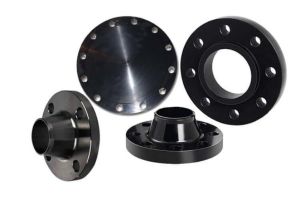
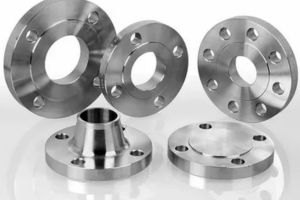
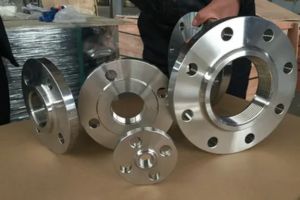
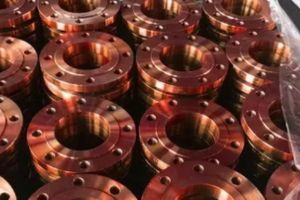
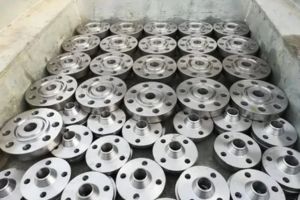
Incoloy 825 Flanges stand as essential assets, celebrated for their outstanding performance in the toughest conditions. Crafted from the durable alloy, Incoloy 825, these flanges display superb resistance to corrosion, especially in acidic and chloride-laden settings. Their durability also holds up under high temperatures, rendering them crucial components across numerous industries, such as chemical processing, marine, and oil and gas. Known for their dependability and long service life, Incoloy 825 flanges serve a central role in protecting critical operations, preserving the integrity of piping systems even under the harshest corrosive conditions, thereby allowing continuous productivity and safety.
| Standard | ASTM B564 / ASME SB564 |
| Dimensions | ANSI/ASME B16.5, B 16.47 Series A & B, B16.48, BS4504, BS 10, EN-1092, DIN |
| Standard | ANSI Flanges, ASME Flanges, BS Flanges, DIN Flanges, EN Flanges |
| Size | 1/2″ (15 NB) to 48″ (1200NB) |
| Class/Pressure | 150#, 300#, 600#, 900#, 1500#, 2500#, PN6, PN10, PN16, PN25, PN40, PN64 |
| Flange Face Type | Flate Face (FF), Raised Face (RF), Ring Type Joint (RTJ) |
| Grade | C | Fe | Si | Mn | S | Al | Ti | Cu | Cr | Mb | Ni |
| Incoloy 825 | 0.05 | 22.0 min | 0.5 | 1.0 | 0.03 | 0.2 | 0.6 – 1.2 | 1.5 – 3.0 | 19.5 – 23.5 | 2.5 – 3.5 | 38.0 – 46.0 |
| Density | Melting Point | Tensile Strength | Yield Strength (0.2%Offset) | Elongation |
| 8.47 g/cm3 | 1413 °C (2580 °F) | Psi – 95,000 , MPa – 655 | Psi – 45,000 , MPa – 310 | 40 % |
At Santossteel, we take pride in being the largest supplier and manufacturer in the Brazil, delivering advanced solutions for every one of your piping requirements. With cutting-edge production facilities strategically positioned in the Brazil, we maintain an extensive stock of more than 25,000 tons of top-quality materials kept readily on hand.
Reach out to us for a fast quote tailored to your requirement.
We supply these Incoloy 825 Flanges in accordance with DIN, ISO, JIS or ANSI Standard.
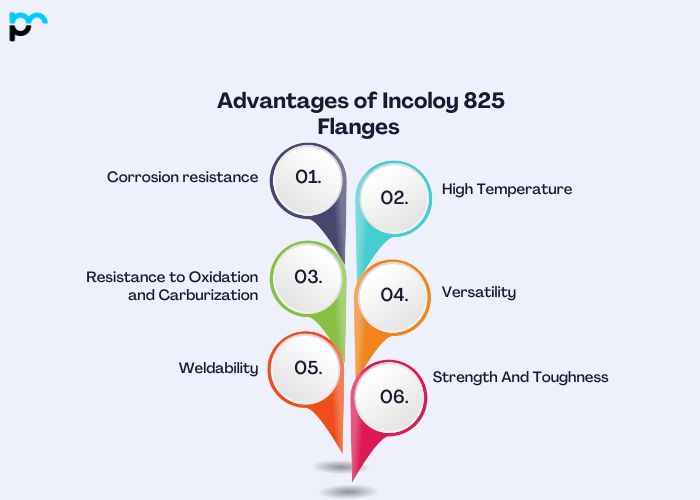
Corrosion resistance: A key benefit of Incoloy 825 flanges is their outstanding resistance to corrosion, particularly in aggressive settings like sulfuric and phosphoric acid, along with chloride ions
High Temperature: These flanges keep their strength and structural integrity even at raised temperatures, which makes them well-suited for high-temperature applications like chemical industries
Resistance to Oxidation and Carburization: Incoloy 825 flanges show resistance to oxidation and carburization, offering long service life and durability even in environments high in oxygen or carbon
Versatility: Thanks to its adaptability and resistance to a range of corrosion products, it is applicable across a broad spectrum of chemical, petrochemical, marine and power industries
Weldability: Incoloy 825 flanges can be easily welded with standard welding methods, which makes them simple to fabricate and install.
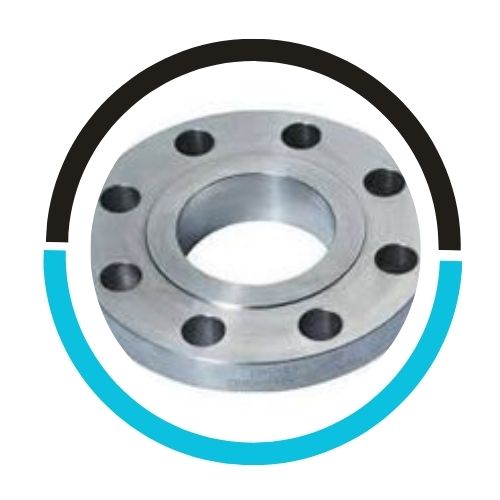
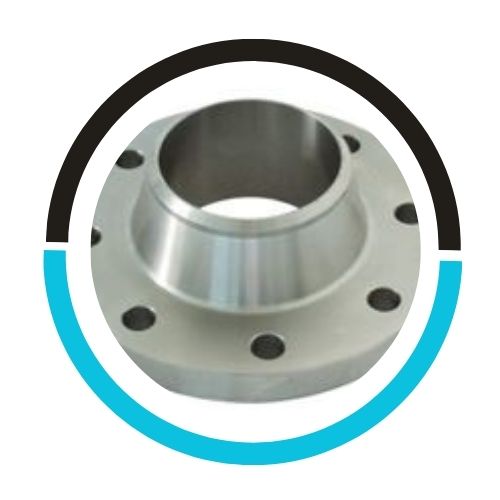
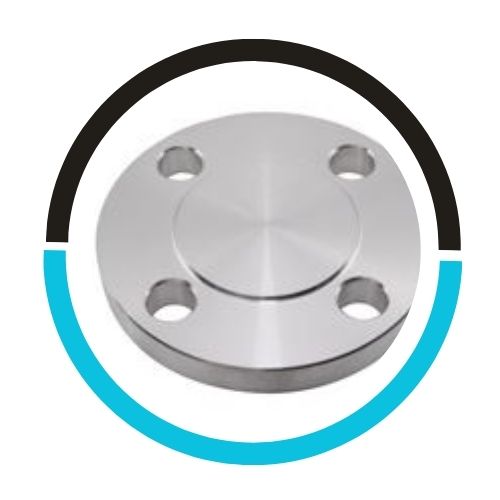
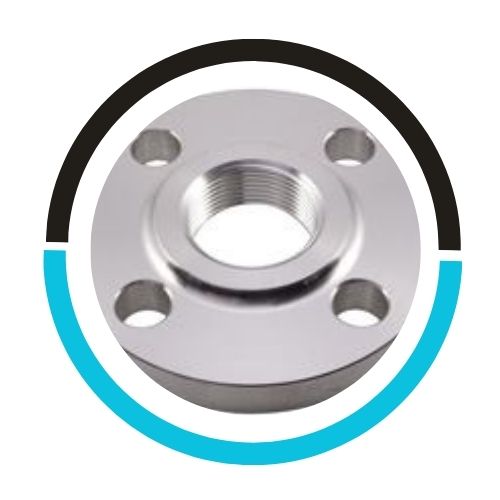
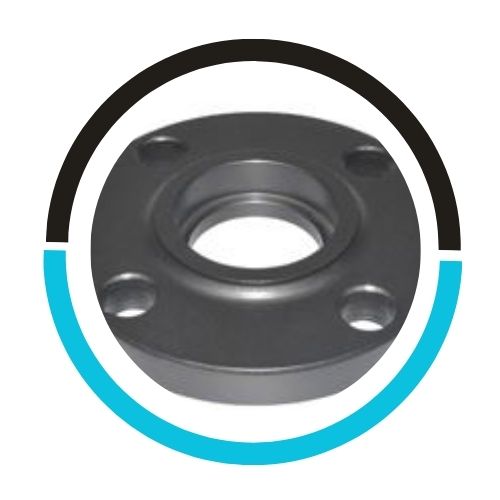
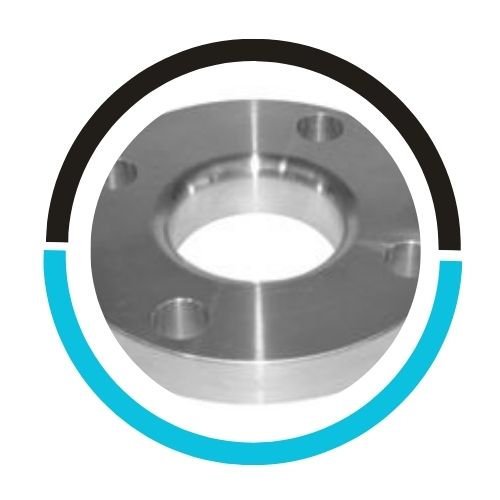
Incoloy 825 Flanges find widespread use across industries that demand outstanding performance in extreme conditions. Because they resist high temperatures, corrosion, and mechanical stress so well, they are essential in aerospace, chemical processing, oil and gas, and power generation applications. Whether in piping systems or pressure vessels, Inconel flanges deliver dependable operation in severe environments where ordinary materials cannot cope. Their exceptional durability and toughness are vital for preserving operational integrity and safety in a wide range of industrial contexts.
Chemical Applications: Incoloy 825 flanges find broad application in chemical processing facilities where contact with reactive chemicals frequently occurs, serving in pipelines, reactors and consumables for corrosion resistance, Asuch as the handling of acids and bases.
Oil and Gas: In both offshore and onshore oil and gas operations, Incoloy 825 flanges are employed to withstand sea water and the acidic gas environment. They can be Found in pipelines, valves, oil processing, gas manufacture, and equipment used in petrochemical plants.
Power generation: Within power plants, Incoloy 825 flanges serve particularly in steam, steam and other fluid control systems. Their corrosion resistance under elevated temperatures and pressures makes them well suited for steam turbines, boilers and heat exchangers.
Marine applications: Thanks to their outstanding resistance to seawater and salt solutions, Incoloy-825 flanges are applied in marine settings. They appear in seawater cooling systems, desalination plants, fittings and piping systems, and shipbuilding.
Environmental Protection: Incoloy 825 flanges are put to use in environmental protection equipment like scrubbers and pollution control systems where withstanding corrosive gases and liquids is required.
Material compatibility: Incoloy 825 consists of nickel-iron-chromium along with molybdenum, copper and titanium. Verify that the flanges are constructed from Incoloy 825 or suited to the operating conditions of your system.
Pressure and Temperature Ratings: Establish the maximum operating pressure and temperature of the flanges. Choose flanges rated for the proper pressure and temperature that surpass your system’s requirements to guarantee safety and reliability.
Size and Design: Pick flanges with the suitable size and thickness for your piping system. Pipe size, flange type (for instance, slip-on, weld neck, socket-welded, or threaded), and flange face type (e.g., curved face, flat face, or ring type joints) among other considerations
Flange Standards: Incoloy 825 flanges come in standards like ANSI/ASME B16.5, ANSI/ASME B16.47, and DIN. Make sure the flanges comply with the relevant standards for your region and application.
Water resistance: Incoloy 825 is recognized for its outstanding corrosion resistance, particularly in aggressive environments containing sulfuric, phosphoric acid, and chloride ions. Confirm that the flanges provide the proper corrosion resistance for your specific application.
Yes, Incoloy 825 flanges are appropriate for welding. They demonstrate good weldability, enabling efficient connection with other components across a range of industrial applications. Nevertheless, correct welding procedures and techniques should be followed to guarantee optimal performance and integrity of the weld joints.
| Standard | Class | Diameter | Bolt Circle Diameter | Number of Bolts | Bolt Size | Diameter of Bolt Hole |
|---|---|---|---|---|---|---|
| AS4087 | PN14 | 95 | 67 | 4 | M12 | 14 |
| AS 2129 Flange
| Table C | 95 | 67 | 4 | 13 | 14 |
| Table D | 95 | 67 | 4 | 13 | 14 | |
| Table E | 95 | 67 | 4 | 13 | 14 | |
| Table F | 95 | 67 | 4 | 13 | 14 | |
| Table H | 114 | 83 | 4 | 16 | 17 | |
| Table J | 114 | 83 | 4 | 16 | 17 | |
| ANSI B16.5
| ANSI 150 | 89 | 60 | 4 | 13 | 16 |
| ANSI 300 | 95 | 67 | 4 | 13 | 16 | |
| ANSI 600 | 95 | 67 | 4 | 13 | 16 | |
| ANSI 900 | 121 | 83 | 4 | 19 | 22 | |
| ANSI 1500 | 121 | 83 | 4 | 19 | 22 | |
| ISO 7005 (DIN) Flange
| PN6 | 80 | 55 | 4 | M10 | 11 |
| PN10 | 95 | 65 | 4 | M12 | 14 | |
| PN16 | 95 | 65 | 4 | M12 | 14 | |
| PN20 | 90 | 60.5 | 4 | M14 | 16 | |
| PN25 | 95 | 65 | 4 | M12 | 14 | |
| PN40 | 95 | 65 | 4 | M12 | 14 |
Incoloy 825 flanges are typically not advised for cryogenic applications because of possible embrittlement and lowered toughness at low temperatures. They can undergo reduced ductility and a greater tendency to crack, undermining their performance and reliability in cryogenic environments. For such uses, alternative materials offering superior cryogenic properties are the preferred choice.
To ensure dependability, evaluate Incoloy 825 flange suppliers using criteria such as their standing in the market, certifications (ISO, ASME), product quality, compliance with industry standards, delivery capacity, and customer feedback. Perform audits, ask for samples, and set up transparent communication channels to confirm their dedication to consistency and dependability in supplying products.
Incoloy 825 flanges are commonly employed in corrosive settings, though they might not be appropriate for drinking water uses because of the possible leaching of nickel and other alloying elements, which may surpass regulatory thresholds. For these applications, stainless steel or other materials that carry specific certification for potable water are the preferred choice.