Galvanized Fasteners Manufacturer Supplier & Exporter in Sao Paulo, Brazil
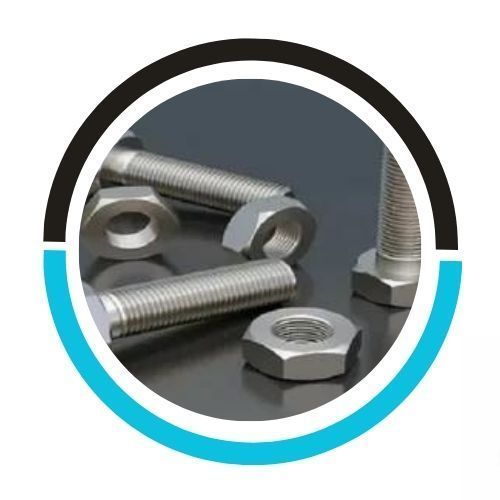
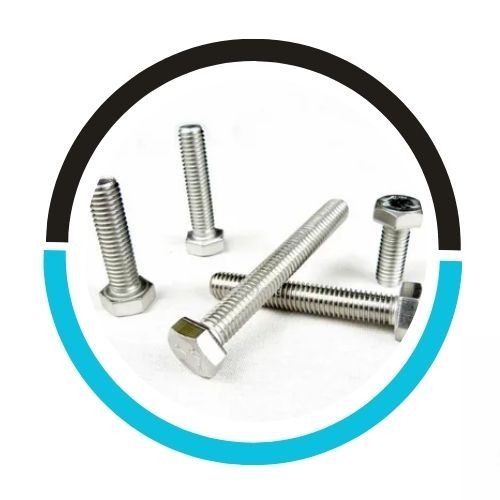
Galvanized Fasteners in Rio de Janeiro, Galvanized Hex Lag Bolts, G.I. Fasteners in Sao Paulo, Brazil.
Table of Contents
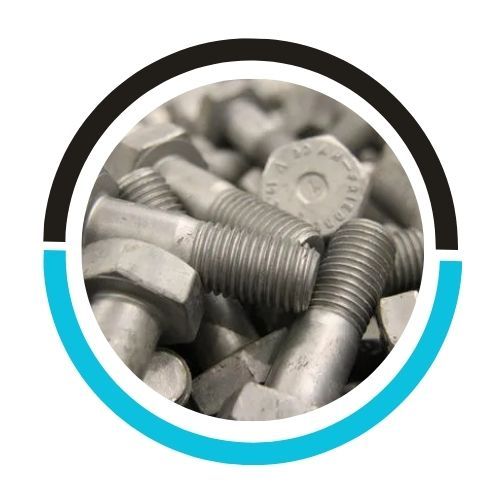
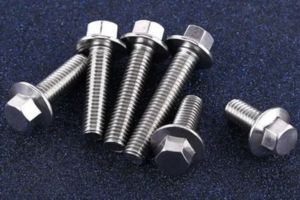
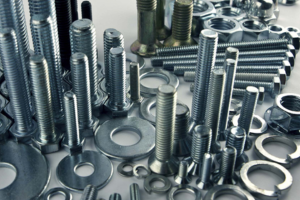
Galvanized fasteners are essential materials in construction and engineering, valued for their durability and resistance to corrosion. Coated with zinc to guard against corrosion, these fasteners provide a secure and dependable connection across a range of products. Well-suited for high-end exterior arms, galvanized fasteners deliver longevity and strength, serving as a benchmark of structural integrity and reliability in industries and industries in Sao Paulo
Galvanized Fasteners Specifications
Size
M 6 To M 42 In Dia.
Length
Upto 600 Mm
Surface Treatment
Hot Deep Galvanizing
Material
Mild Steel
Usage/Application
Pharmaceutical / Chemical / Cement / Sugar / Paper / Fertilizers Industries
Quantity Per Pack
50 KG
Color
Grey
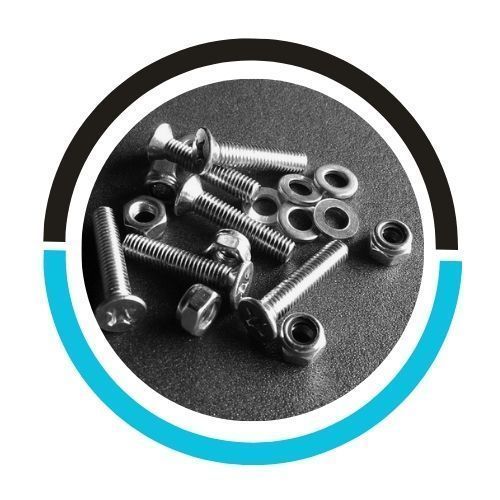
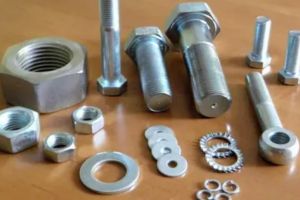
Galvanized Washer in Rio de Janeiro, Galvanized, Heavy Hex Nuts, Galvanized Spring Washer, Galvanized Hex Nuts in Rio de Janeiro, Brazil.
Top Galvanized Fasteners Manufacturing Company in Sao Paulo
At Santossteel, we take pride in being the largest supplier and manufacturer in the Brazil, delivering advanced solutions for all your piping requirements. With cutting-edge production facilities strategically situated in the Brazil, we maintain an extensive inventory of more than 25,000 tons of top-quality materials ready and available in stock.
Reach out to us for a fast quote tailored to your requirement.
These Galvanized Fasteners are supplied by us in accordance with DIN, ISO, JIS or ANSI Standard.
Galvanized Industrial Fasteners in ABU Dhabi, Galvanized Heavy Hex Nuts Manufacturer & Stockist in Sao Paulo, Brazil.
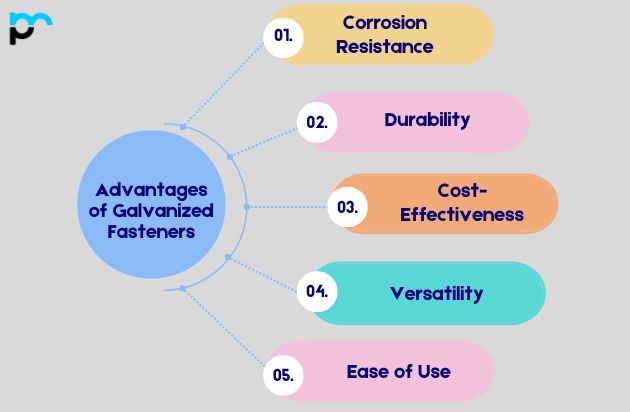
Advantages of Galvanized Fasteners
Corrosion Resistance: Because of their protective zinc layer, galvanized fasteners strongly resist corrosion, which makes them well suited for outdoor and high-moisture settings.
Durability: By adding a zinc layer, galvanized fasteners become more durable, delivering lasting defense against rust and deterioration.
Cost-Effectiveness: With little upkeep needed and a longer working life, galvanized fasteners help lower replacement and maintenance expenses over time.
Versatility: Their strong resistance to corrosion makes them appropriate for many uses, spanning the construction, automotive, and marine industries.
Ease of Use: Simple to install, galvanized fasteners create dependable, secure connections that are vital for structural soundness and safety across many projects.
Types of Galvanized Fasteners
Galvanized Fasteners
Galvanized Industrial Fasteners
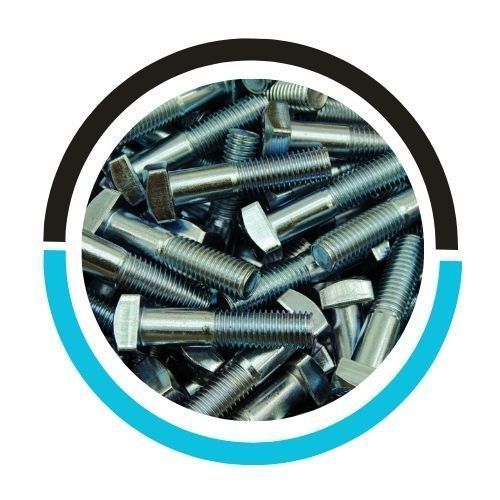
Galvanized Hex Lag Bolts
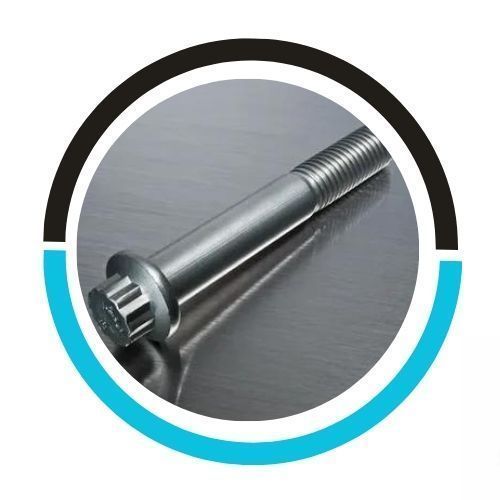
Galvanized High Tensile Fasteners
Galvanized Hex Bolts
Galvanized Carriage Bolts
Galvanized High Tensile Fasteners, Galvanized Washers, Galvanized Hex Bolts Supplier and Exporter in Rio de Janeiro, Brazil.
Application Industry
Galvanized Fasteners uses are as varied as the sectors they support, led mainly by the aerospace, railway, construction and automotive sectors along with petrochemical, nuclear, medical, Oil & Gas, Chemical, Pharmaceutical, Food & Beverage, Nuclear, Thermal Power plants, Paper and Pulp, marine and mining, etc.
Automotive Industry
Construction Sector
Aerospace Applications
Oil and Gas Industry
Are Galvanized Fasteners Susceptible to Galvanic Corrosion?
Yes, galvanized fasteners can be prone to galvanic corrosion when they make direct contact with dissimilar metals in the presence of an electrolyte (such as moisture). The zinc coating on galvanized fasteners serves as a sacrificial layer, shielding the underlying steel from corrosion. However, if the zinc coating is damaged or if there’s extended exposure to corrosive environments, galvanic corrosion may take place where the zinc sacrifices itself to protect the steel, potentially resulting in degradation over time.