Home > Copper Nickel > Copper Nickel Forging
Set out on a path of outstanding performance and dependability with our Nickel Alloy Forgings, thoughtfully custom-built to thrive in the toughest industrial settings. Crafted with precision and reinforced with remarkable durability, our nickel alloy forgings set a new standard of excellence in critical applications. Delivering unrivaled corrosion resistance and lasting strength, our forgings outperform conventional options, guaranteeing dependable performance where others might fail. From high-pressure uses in oil and gas exploration to extreme temperatures in power generation, our broad selection of Nickel Alloy Forgings promises unrivaled resilience and reliable operation. Dedicated to going beyond customer expectations, we provide customized solutions, competitive pricing, and fast service, ensuring smooth integration into your projects with the highest precision and efficiency. Rely on our premium-grade forgings, supported by an unwavering dedication to quality and performance, to lift your endeavors to new levels of success.
| Specifications | ASTM B564, ASME SB564 |
|---|---|
| Standard | DIN, ASTM, BS and all International Standards |
| Flat bar blocks | up to 27″ width and 15,000 lbs |
| Cylinders and sleeves | up to 50″ maximum O.D. and 65″ maximum length |
| Discs and hubs | up to 50″ diameter and 20,000 lbs |
| Rolled, hand forged or mandrel forged rings | up to 84″ maximum O.D. and 40″ maximum length |
| Rounds, shafts and step shafts | up to 144″ maximum length and 20,000 lbs |
At Santossteel, we take pride in being the largest supplier and manufacturer in the Brazil, delivering advanced solutions for all your piping requirements. With cutting-edge production plants strategically situated in the Brazil, we maintain an extensive inventory of more than 25,000 tons of top-quality materials readily available in stock.
Reach out to us for a fast quote tailored to your requirement.
We supply these Copper Nickel Forging in accordance with DIN, ISO, JIS or ANSI Standard.
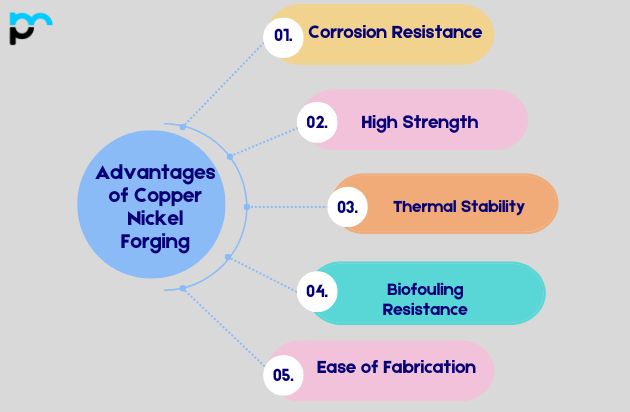
Corrosion Resistance: Copper nickel alloys offer excellent resistance to corrosion when exposed to seawater and a range of harsh environments. This quality makes them perfect for marine uses, offshore installations, and sectors where corrosion resistance is essential.
High Strength: Copper nickel alloys display strong mechanical characteristics, such as high strength and toughness. This renders them appropriate for parts that endure heavy stress and mechanical loads.
Thermal Stability: They possess good thermal stability, holding onto their properties across both elevated and reduced temperatures. This ensures copper nickel forgings remain dependable under a broad spectrum of working conditions.
Biofouling Resistance: These alloys resist biofouling, which refers to the buildup of microorganisms, plants, algae, or small animals on submerged surfaces. This characteristic proves advantageous in marine uses.
Ease of Fabrication: Copper nickel alloys are ductile and readily shaped into complex forms, including via forging. This enables manufacturers to create intricate parts and components efficiently.
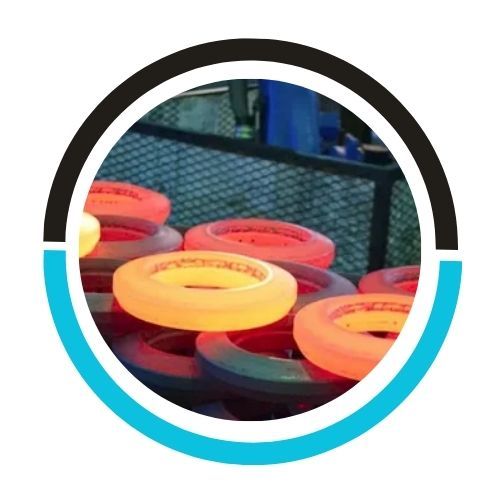

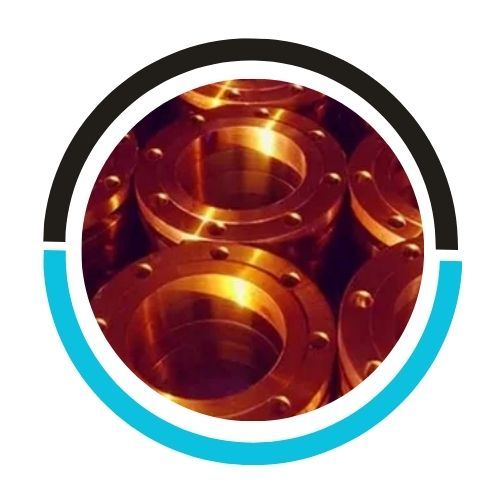
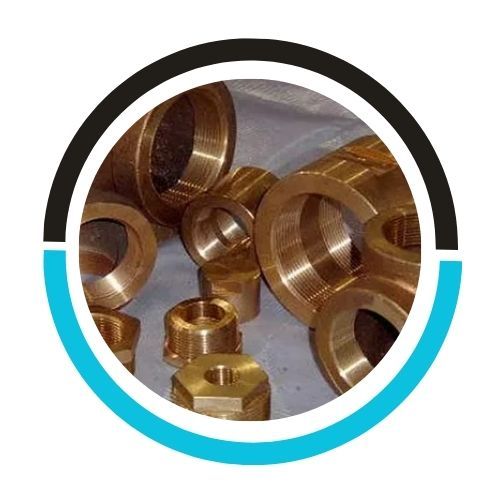
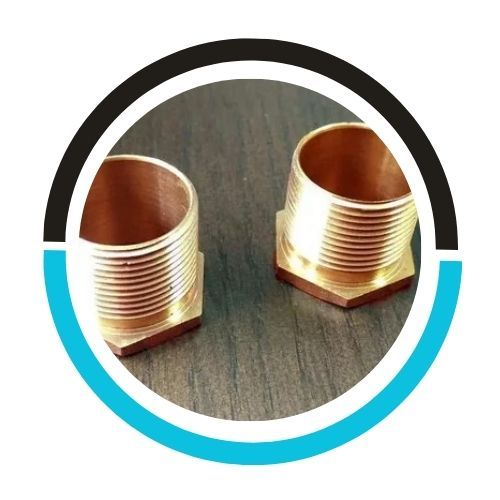
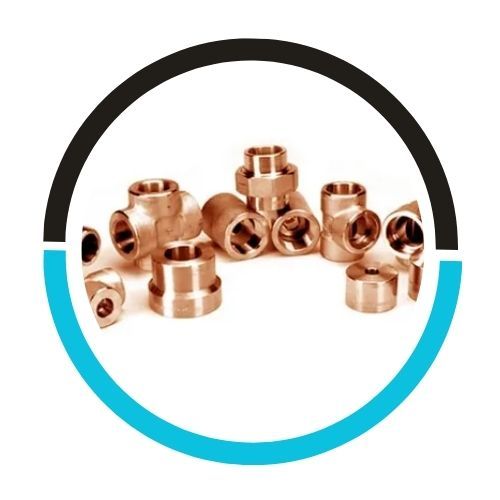
Copper Nickel Forging uses are as varied as the sectors they cater to, led mainly by the aerospace, railway, construction and automotive industries along with petrochemical, nuclear, medical, Oil & Gas, Chemical, Pharmaceutical, Food & Beverage, Nuclear, Thermal Power plants, Paper and Pulp, marine and mining, etc.
Marine Applications: Copper nickel alloys (including the 90/10 and 70/30 compositions) see widespread application in marine settings for parts such as ship hulls, offshore platforms, and seawater piping systems. Because they resist seawater corrosion and biofouling, they are well suited to these uses.
Power Generation: Within the power generation sector, copper nickel forgings serve in parts like heat exchangers, condensers, and piping systems. Their outstanding thermal conductivity and their resistance to corrosion in both fresh and saltwater conditions prove beneficial here.
Chemical Processing: Copper nickel alloys are employed in chemical processing equipment where withstanding corrosion from acids, alkalis, and other chemicals is essential. They appear in valves, pumps, heat exchangers, and a range of chemical plant components.
Composition: Copper nickel alloys are available in various compositions, including 90/10 (90% copper, 10% nickel) and 70/30 (70% copper, 30% nickel), as well as others. The makeup of the alloy influences characteristics such as corrosion resistance, mechanical strength, and cost. Select the composition that best matches the environmental conditions and performance needs of your application.
Corrosion Resistance: Determine how much corrosion resistance your application demands. Copper nickel alloys typically provide outstanding resistance to seawater, brackish water, and a range of chemicals. Take into account factors such as exposure to marine environments, chemical processing, or industrial atmospheres.
Mechanical Properties: Consider the mechanical properties required, including strength, ductility, and toughness. The mechanical properties of copper nickel alloys may differ depending on composition and heat treatment. Make sure the alloy’s strength and toughness satisfy the operational demands of your components.
Yes, Copper nickel forgings are recyclable once they have reached the end of their service life. Thanks to their valuable copper and nickel content, these alloys can be recycled to a high degree. Recycling helps preserve natural resources, lowers energy use in comparison to primary production, and promotes sustainable practices across a range of industries.
Yes, Copper nickel forgings work well for hygienic and sanitary uses. They provide outstanding resistance to corrosion, which is essential for keeping things clean in food processing, pharmaceutical, and healthcare settings. Their antimicrobial qualities make them even more fitting for uses that demand high hygiene standards.
Yes, Copper nickel forgings may be vulnerable to galvanic corrosion when they come into contact with dissimilar metals, particularly in conductive settings. To reduce this risk, make sure you choose materials correctly and apply suitable insulating methods, like non-metallic spacers or coatings, to stop galvanic coupling and safeguard the integrity of the alloy.
Yes, Copper nickel forgings are suitable for underground applications. Because they offer outstanding corrosion resistance, including protection against soil corrosion and underground water conditions, they work well for underground piping systems, cables, and other components that demand durability and lasting performance.
Email: sales@santossteel.com