ASTM A193 B8M Fasteners Manufacturer Supplier & Exporter in Sao Paulo, Brazil
Astm A193 B8m Nylon Insert Nut Price In Brazil, SS Astm A193 B8m Heavy Hex Nuts Dealer In Sao Paulo, Astm A193 B8m Class 2 Fasteners Supplier In Belo Horizonte, Astm A193 Gr B8M Dealer In Rio de Janeiro, Brazil.
Table of Contents
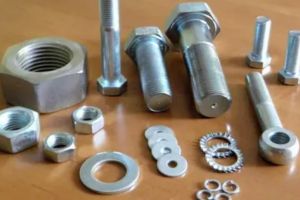
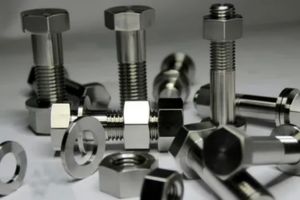
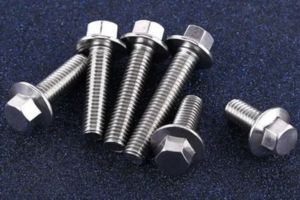
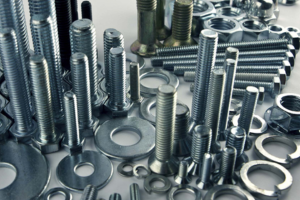
Backed by a steadfast dedication to quality, our company is proud to offer an extensive range of ASTM A193 B8M Fasteners carefully sourced from trusted suppliers known for their skill in producing premium stainless steel components. These fasteners serve as vital parts in a broad spectrum of applications, providing an ample choice of sizes, types, and specifications precisely suited to satisfy the varied needs of our valued clients. Widely adopted in sectors like oil and gas, petrochemicals, and food processing, our ASTM A193 B8M Fasteners are praised for their outstanding corrosion resistance and lasting strength. Expertly engineered with advanced stainless steel formulations, every fastener passes through rigorous manufacturing procedures to guarantee superior dependability and performance, ensuring reliable operation even in the harshest environments.
ASTM A193 B8M Fasteners Specifications
Material
Specification
Standards
Size
Length
ASTM A193 B8M Fasteners
IS
BS
ASTM
DIN, ISO, JIS, GB, IS, BS, ASTM
M 02 to M 160
3 mm to 200 mm
Mechanical Properties of ASTM A193 B8M Fasteners
Grade
Size
Tensile ksi, min
Yield, ksi, min
Elong, %, min
RA % min
B7
Up to 2-1/2
125
105
16
50
2-5/8 – 4
115
95
16
50
4-1/8 – 7
100
75
18
50
B8M Class 1
All
75
30
30
50
B8MM Class 1
All
75
30
30
50
B8M Class 2
Up to 3/4
125
100
12
35
7/8 – 1
115
80
15
35
1-1/8 – 1-1/4
105
65
20
35
1-3/8 – 1-1/2
100
50
28
45
B8MM Class 2
Up to 3/4
110
95
15
45
7/8 – 1
100
80
20
45
1-1/8 – 1-1/4
95
65
25
45
1-3/8 – 1-1/2
90
50
30
45
ASTM A193 B8M Fasteners Chemical Composition
Element
B7
B8M
B8MM
Carbon
0.37 – 0.49%
0.08% max
0.08% max
Manganese
0.65 – 1.10%
2.00% max
2.00% max
Phosphorus, max
0.035%
0.045%
0.045%
Sulfur, max
0.040%
0.030%
0.030%
Silicon
0.15 – 0.35%
1.00% max
1.00% max
Chromium
0.75 – 1.20%
18.0 – 20.0%
16.0 – 18.0%
Nickel
8.0 – 11.0%
10.0 – 14.0%
Molybdenum
0.15 – 0.25%
2.00 – 3.00%
B8M Ss Spring Fasteners Price In Brazil, Astm A193 B8m Hex Nuts Dealer In Sao Paulo, Heavy Hex Nuts Manufacturer & Stockist In Sao Paulo, Brazil.
Top ASTM A193 B8M Fasteners Manufacturing Company in Sao Paulo
At Santossteel, we take pride in being the largest supplier and manufacturer in the Brazil, delivering advanced solutions for all your piping requirements. With cutting-edge production facilities strategically situated in the Brazil, we maintain an extensive inventory of more than 25,000 tons of top-quality materials kept readily in stock.
Reach out to us for a fast quote on your requirement.
We supply these ASTM A193 B8M Fasteners in accordance with DIN, ISO, JIS or ANSI Standard.
Get the best price from ASTM A193 B8M Fasteners manufacturers & stockist in Brazil, check Astm A193 Stud Bolt price per kg in Rio de Janeiro
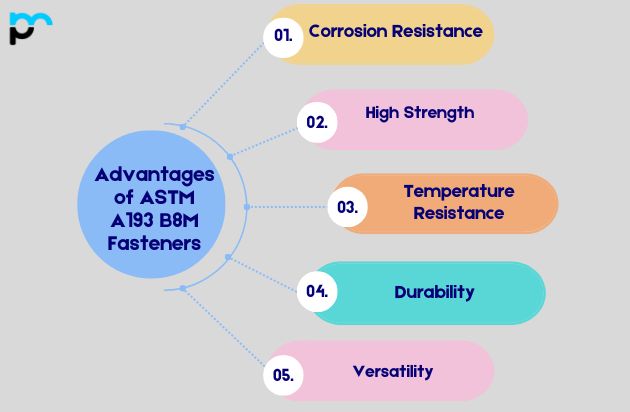
Advantages of ASTM A193 B8M Fasteners
Corrosion Resistance: B8M fasteners are manufactured from stainless steel (usually AISI 316), which provides outstanding protection against corrosion, particularly in marine or chloride-heavy conditions. This makes them well-suited for outdoor use and sectors such as marine, chemical processing, and oil & gas.
High Strength: These fasteners undergo heat treatment to reach a defined mechanical property like tensile strength, guaranteeing they can bear substantial loads without deforming or failing.
Temperature Resistance: They demonstrate good tolerance to elevated temperatures, making them appropriate for uses where heat exposure or thermal cycling frequently occurs, such as in engines or turbines.
Durability: Stainless steel B8M fasteners are long-lasting and offer an extended service life thanks to their resistance to corrosion, oxidation, and wear.
Versatility: They work well across a broad spectrum of applications owing to their blend of corrosion resistance, strength, and temperature-resistance characteristics.
Types of ASTM A193 B8M Fasteners
ASTM A193 B8M Fasteners
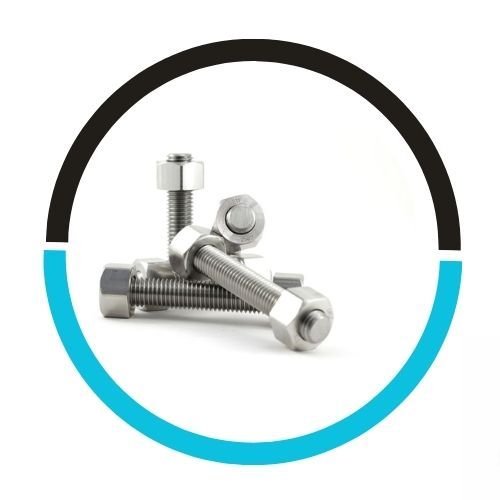
B8M Stud Bolt
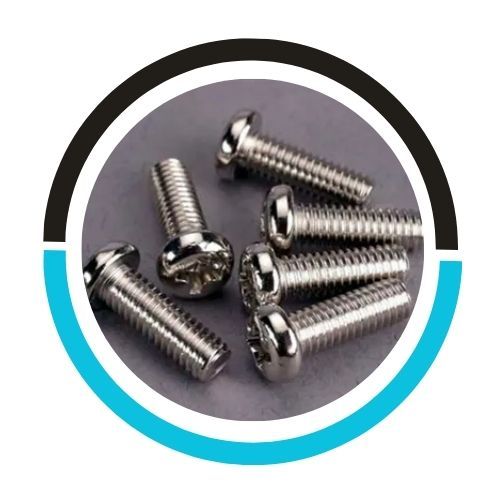
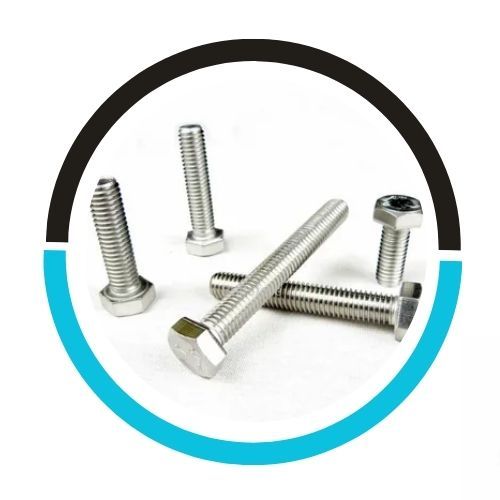
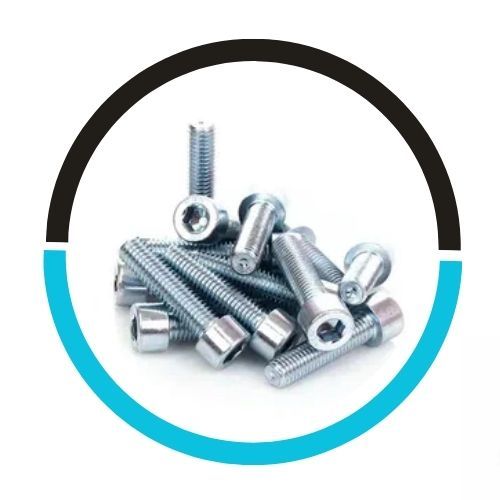
ASTM A193 B8M Bolts
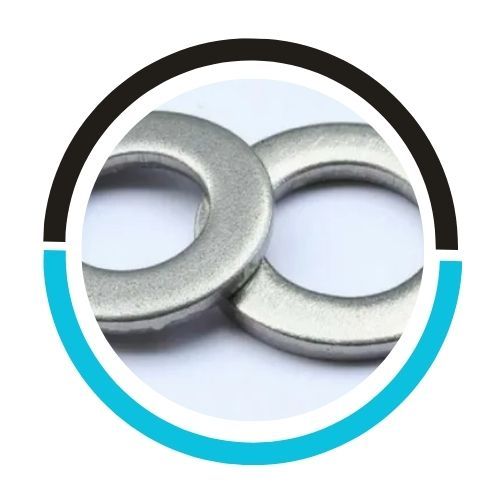
ASTM A193 B8M Washers
ASTM A193 B8M Stud Bolt
ASTM A193 B8M Square Bolts
Astm A193 B8m Fasteners Price In Brazil, Astm A193 Allen Cap Screw Dealer In Sao Paulo, B8m Square Bolts Exporter In Brazil, Astm A193 Grade B8m Bolts, Ss Astm A193 Stud Bolt Manufacturer In Rio de Janeiro, Brazil.
ASTM A193 B8M Fasteners Uses
Application Industry
ASTM A193 B8M Fasteners find uses as varied as the sectors they support, led mainly by the aerospace, railway, construction and automotive sectors, along with petrochemical, nuclear, medical, Oil & Gas, Chemical, Pharmaceutical, Food & Beverage, Nuclear, Thermal Power plants, Paper and Pulp, marine and mining, etc.
Automotive Industry
Construction Sector
Aerospace Applications
Oil and Gas Industry
Are ASTM A193 B8M Fasteners Susceptible to galvanic corrosion?
ASTM A193 B8M fasteners, manufactured from stainless steel (usually AISI 316), resist galvanic corrosion when combined with compatible materials. Nevertheless, if joined with dissimilar metals in electrolytic settings, they may still undergo galvanic corrosion because of potential differences.